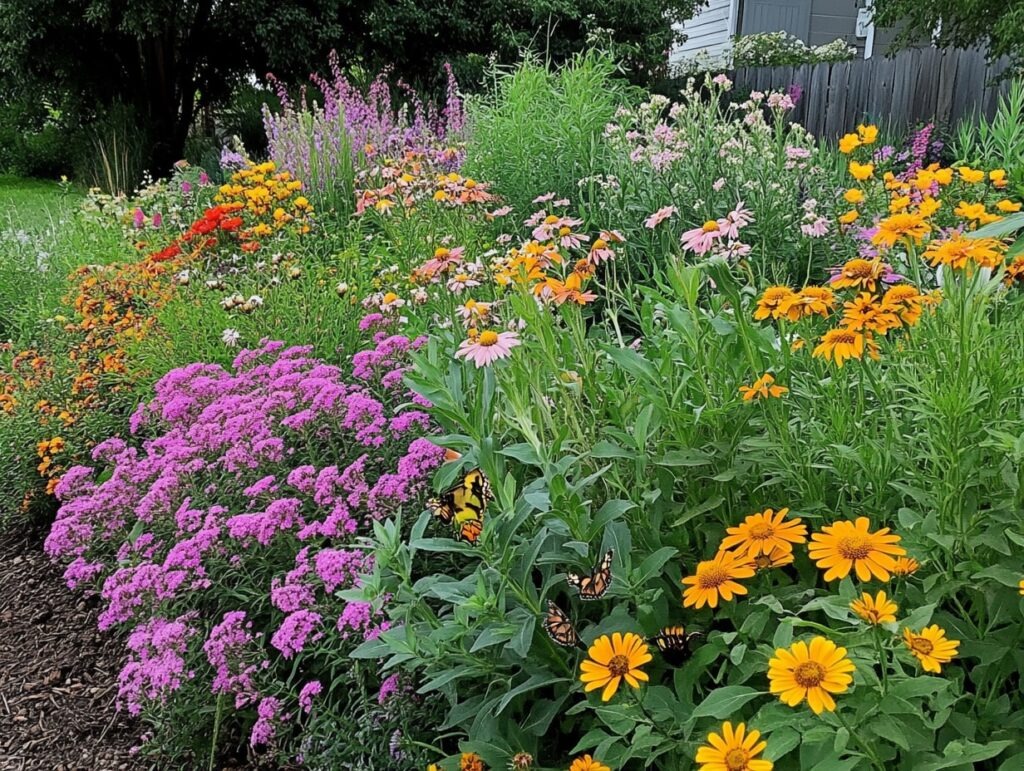
Ever looked at your backyard and felt a little… meh? Maybe it’s just a patch of dry grass, or perhaps it’s overrun with weeds that seem to have more vitality than you do on a Monday morning. You scroll through social media, seeing these perfect, lush gardens that look like they belong in a magazine, and you sigh. It feels impossible, right? Like you need a trust fund or a degree in horticulture to make something beautiful happen outside your back door. But here is the secret nobody really talks about: those perfect gardens often started as messy, empty spaces, just like yours. And the people who built them? They didn’t spend a fortune. They spent time, creativity, and a whole lot of patience.
Transforming your outdoor area into a floral oasis doesn’t require deep pockets. In fact, some of the most breathtaking gardens are the ones grown from scraps, seeds, and second-hand finds. It is about working with what you have, not against it. The trend in 2026 is shifting away from high-maintenance, water-guzzling exotic plants toward resilient, native blooms that thrive on neglect and kindness in equal measure. You can create a sanctuary that smells amazing, looks vibrant, and feels like a hug from nature, all while keeping your wallet happy. Let’s dig in.
Start with What You Have (and What You Can Get for Free)
Before you buy a single bag of mulch, take a good hard look at your space. Really look. Where does the sun hit in the morning? Where does it linger in the afternoon? This free information is your blueprint. Most beginners make the mistake of buying shade-loving plants for sunny spots, watching them crisp up, and then giving up. Don’t do that. Map out your light zones. Then, look at your soil. Is it clay? Sand? A weird mix of construction debris? You don’t need to replace it all. You just need to amend it. And guess what? You can get compost for free from local community gardens or municipal waste centers in many cities across the US and Europe this year. It’s black gold, and it costs nothing but the gas to pick it up.
Next, tap into the power of community. Plant swapping is huge right now. Neighbors are often desperate to divide their overgrown hostas, daylilies, or iris clumps. They’d rather give them to someone who will appreciate them than throw them in the green bin. Join local Facebook groups or Nextdoor communities and simply ask. “I’m starting a garden, does anyone have divisions?” You’d be shocked at how generous people are. I’ve seen entire borders created from nothing but traded perennials. It builds community, too. You’re not just getting plants; you’re getting advice from people who know what grows well in your specific microclimate. That is invaluable.
Also, consider saving seeds from flowers you already like. If you have a friend with a stunning zinnia patch, ask for a few dried heads. Seeds are incredibly cheap to start with, and growing from seed gives you a sense of pride that buying a nursery pot just can’t match. Plus, one packet of seeds costs a couple of dollars and can yield dozens of plants. It’s the ultimate budget hack. Just remember to label everything. There is nothing more frustrating than waiting three months for a mystery plant to bloom, only to realize it’s a weed you accidentally nurtured. Oops.
Smart Sourcing: Thrifting, Dividing, and Seed Starting
Nurseries are tempting. They smell like earth and possibility. But they are also expensive. To keep costs down, you need to be a savvy shopper. Thrift stores often have old pots, watering cans, and even garden tools for pennies. A chipped ceramic bowl can become a charming succulent planter. A rusty bucket? Hang it up and fill it with trailing petunias. Imperfection adds character. In 2026, the "shabby chic" aesthetic is still going strong, but it’s evolved into something more authentic—called "wabi-sabi" by some, or just "real life" by the rest of us. Embrace the cracks. Paint over the ugly plastic pots with leftover house paint. Make it yours.
Dividing plants is another golden rule. Many perennials actually need to be divided every few years to stay healthy. If you buy one healthy clump of ornamental grass or a large hosta, you can split it into three or four smaller plants. Plant them in different spots. Suddenly, you have filled out your garden bed for the price of one plant. This works for lavender, mint, chives, and so many others. It’s like magic, but it’s just biology. Check online marketplaces for free sections too. People moving house often leave behind potted plants they can’t take. These are usually established and hardy, meaning they’re more likely to survive your learning curve than a delicate seedling.
Seed starting indoors or in a cold frame extends your growing season and saves money. You don’t need fancy grow lights. A sunny windowsill works for many herbs and flowers. Use egg cartons or yogurt cups as starter pots. Poke holes in the bottom for drainage. It’s scrappy, sure, but it works. By the time the weather warms up, you’ll have sturdy little plants ready to go into the ground. This method allows you to grow varieties that aren’t available at big-box stores, giving your garden a unique flair. Plus, there is something deeply satisfying about nurturing a tiny speck of life into a blooming beauty. It connects you to the process in a way that instant gratification never could.
Design Tricks That Cost Nothing but Thought
You don’t need a landscape architect to make your garden look intentional. You just need a few design principles. Repetition is key. Planting the same flower in groups of three or five creates a sense of rhythm and cohesion. It looks deliberate, not random. If you scatter one red geranium here and one there, it looks messy. If you cluster five together, it looks like a statement. This costs no extra money; it just requires planning. Use height to your advantage. Put tall plants in the back (or center, if viewed from all sides) and shorter ones in front. This layering creates depth and makes small spaces feel larger and more lush.
Color theory matters, but keep it simple. Stick to two or three main colors to avoid visual chaos. Cool colors like blues, purples, and whites recede, making a space feel calm and larger. Warm colors like reds, oranges, and yellows pop forward, creating energy and excitement. Decide what vibe you want. Do you want a serene retreat for morning coffee? Go cool. Do you want a vibrant party spot? Go warm. You can also use foliage to bridge gaps. Green is neutral. Variegated leaves or deep purple foliage can add interest even when flowers aren’t blooming. This ensures your garden looks good all season, not just for two weeks in June.
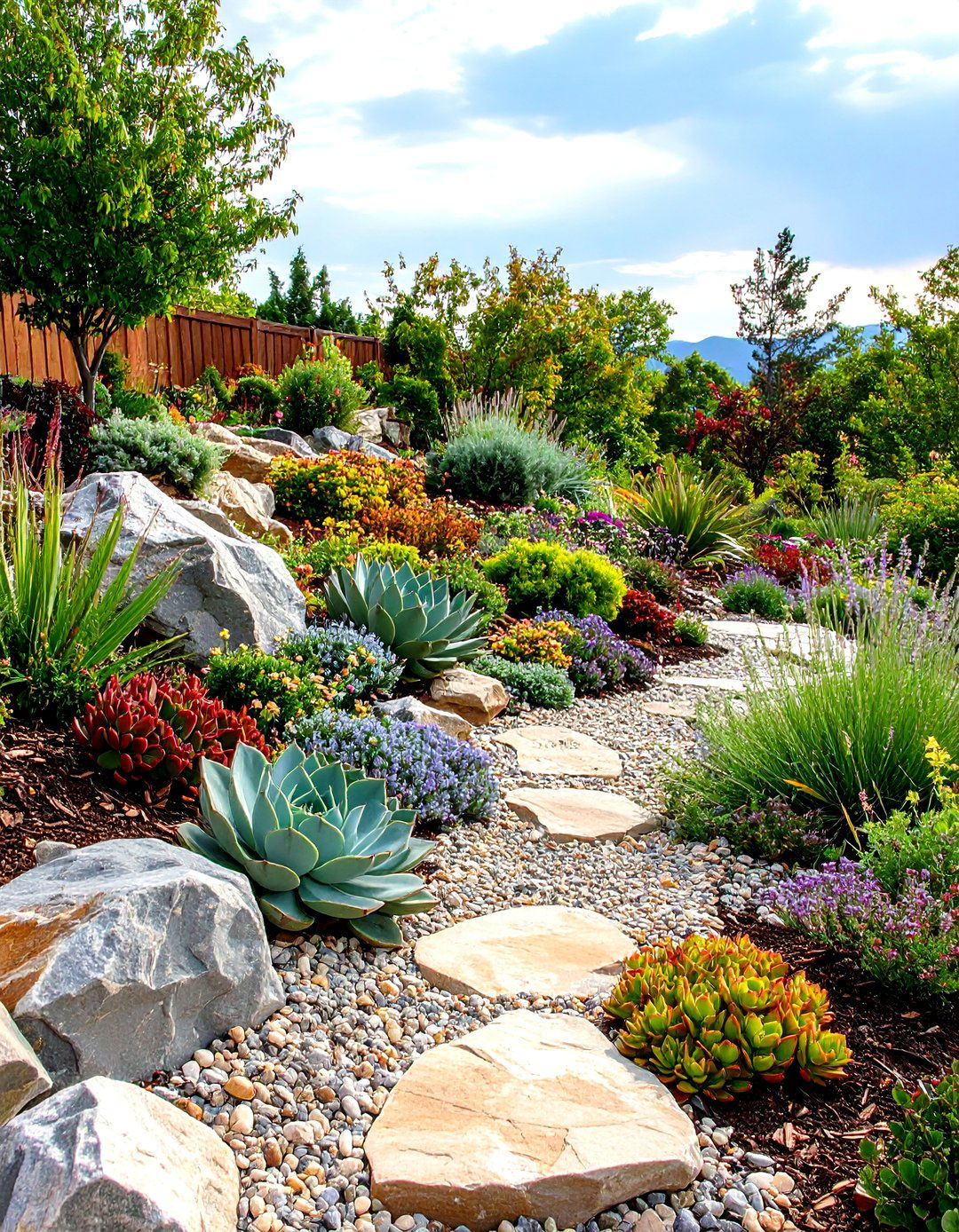
Paths and focal points guide the eye. You don’t need expensive stone pavers. Use wood chips, gravel, or even stepping stones made from broken concrete (urbanite) to create walkways. A simple bench, even an old wooden one sanded down and oiled, gives the eye a place to rest. Place a striking plant or a quirky statue at the end of a path to draw people in. These elements structure the space, making it feel like a designed room rather than an accidental collection of plants. It’s about intentionality. When you design with purpose, even a small, budget-conscious garden feels luxurious. It feels like a place where someone cares. And that feeling? That’s priceless.
DIY Hardscaping and Upcycled Decor
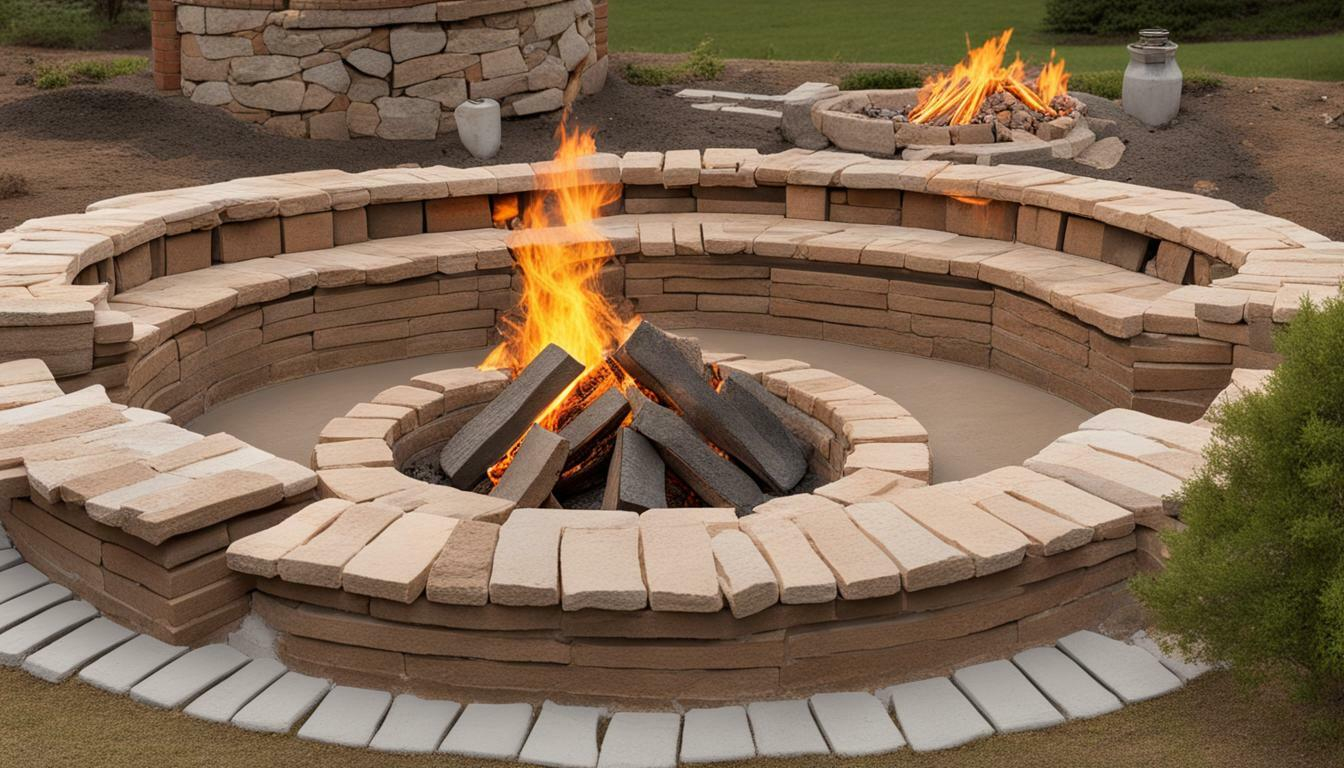
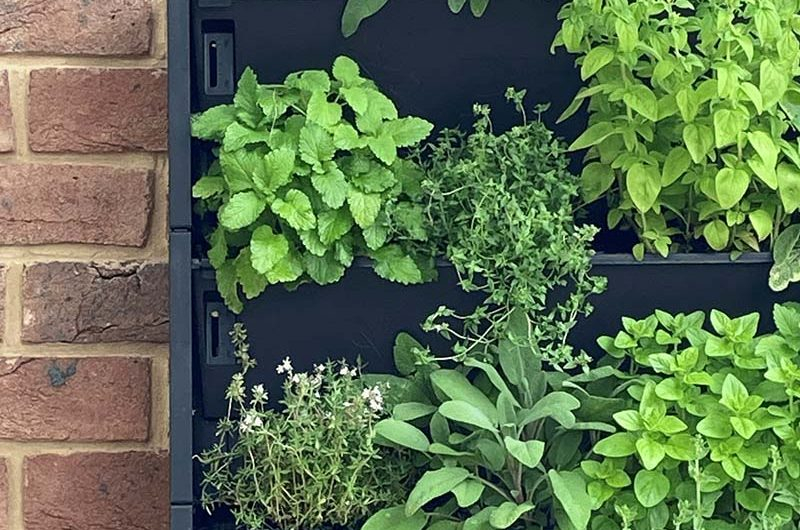
Hardscaping—the non-plant elements like paths, walls, and patios—is usually the most expensive part of landscaping. But it doesn’t have to be. Get creative with materials. Pallets are everywhere. Break them down for wood to build raised beds, trellises, or vertical planters. Sand them down to avoid splinters and treat them with a natural oil. Vertical gardening is a game-changer for small spaces. Hang shoe organizers on fences for herbs. Stack old tires (painted, please) for a tiered flower display. Use ladders as plant stands. These projects cost almost nothing but sweat equity, and they add unique personality to your space.
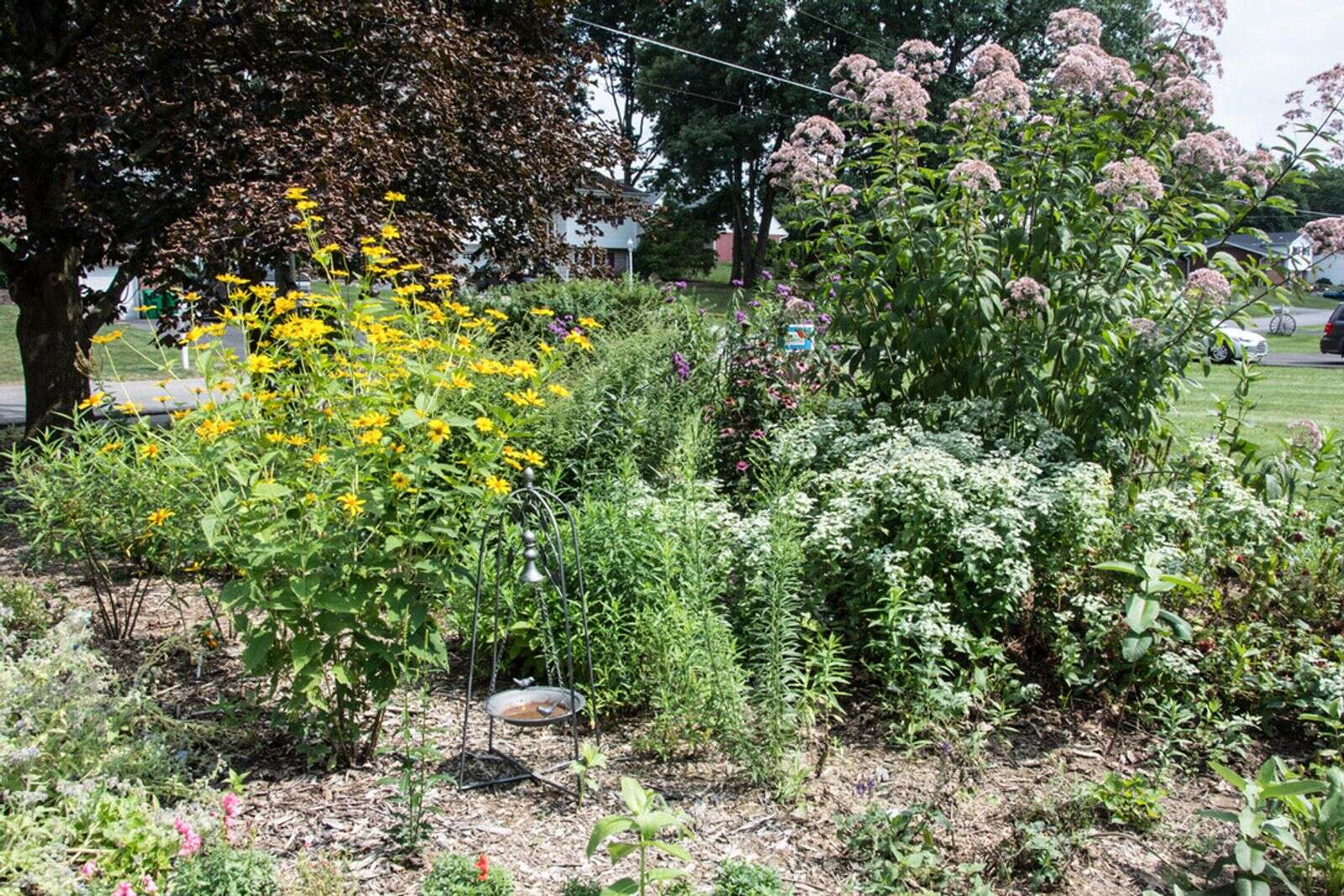
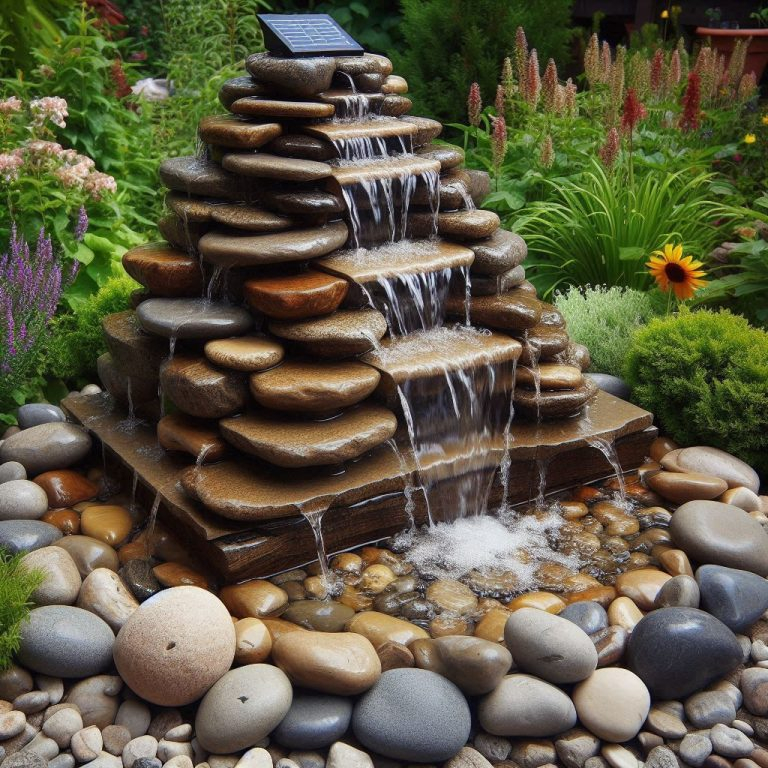
Water features add tranquility, but fountains are pricey. Make your own. A large ceramic bowl, a small solar-powered pump (cheap online), and some stones can create a soothing bubbling effect. The sound of water masks neighborhood noise and attracts birds, adding life and movement to your oasis. Bird baths are also easy to DIY. An upside-down trash can lid on a pedestal works fine. Just keep it clean. Wildlife-friendly gardens are trending heavily in 2026, so adding these elements aligns with current ecological values while enhancing your enjoyment. It’s a win-win.
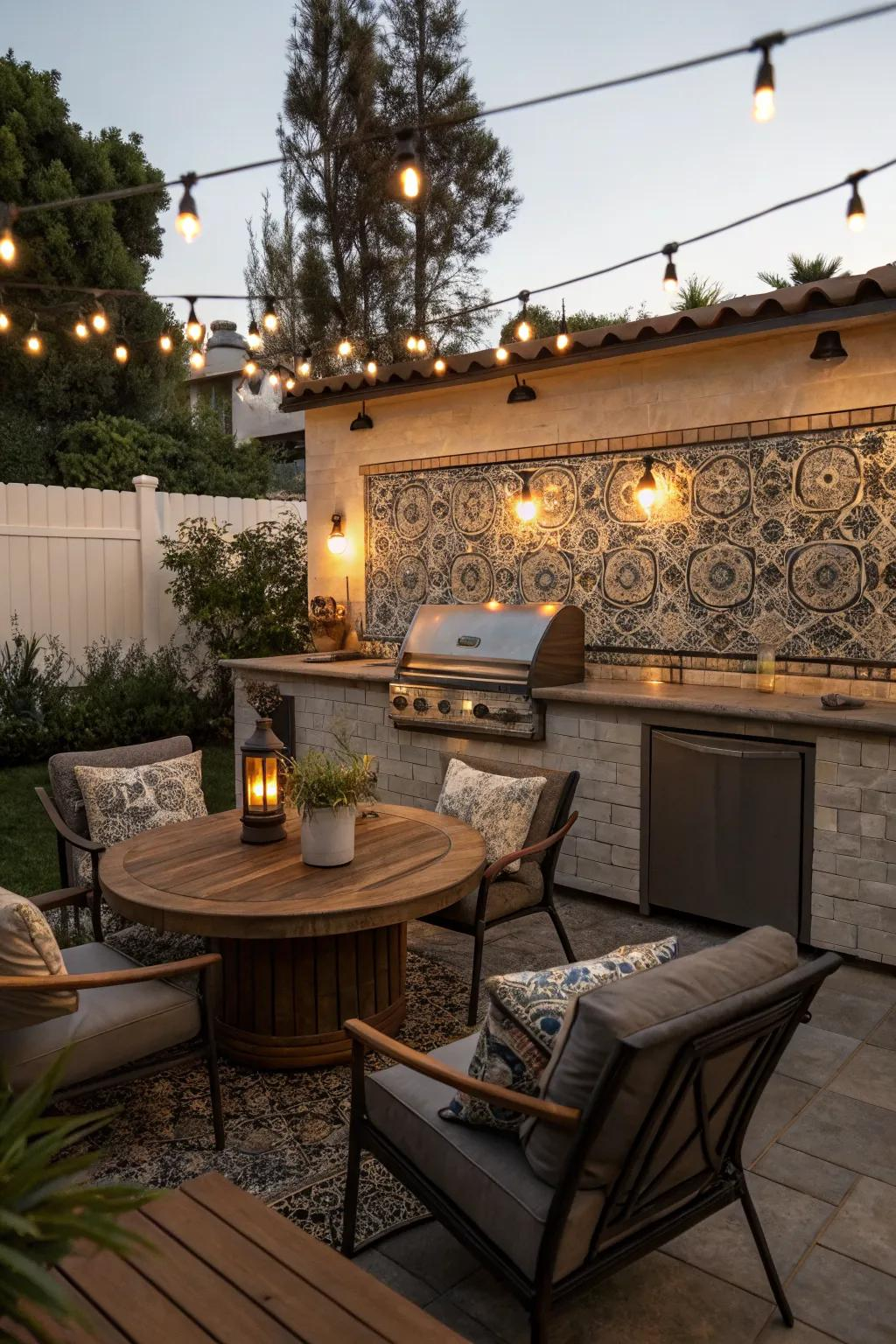
Lighting transforms your garden at night, extending its usability. Solar lights are affordable and easy to install. No wiring needed. Stick them along paths, hang them in trees, or place them in jars for a fairy-light effect. String lights draped overhead create a cozy, intimate atmosphere perfect for evening gatherings. Look for sales after holidays or buy second-hand. Clean them up, replace any burnt-out bulbs, and you’re good to go. The goal is soft, ambient light, not floodlights. You want to create mood, not illuminate a football field. These small touches make your backyard feel like an extension of your home, inviting and warm.
Choosing the Right Plants for Low Maintenance and High Impact
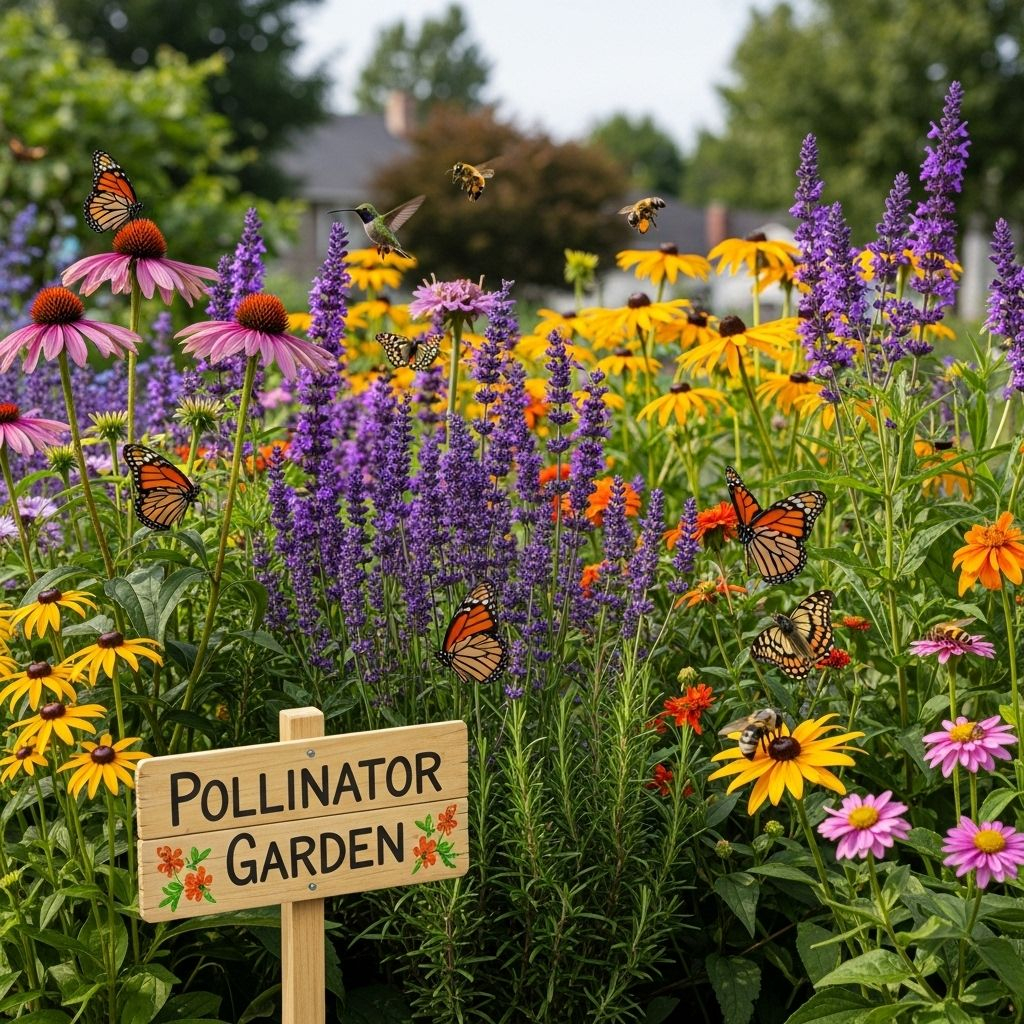
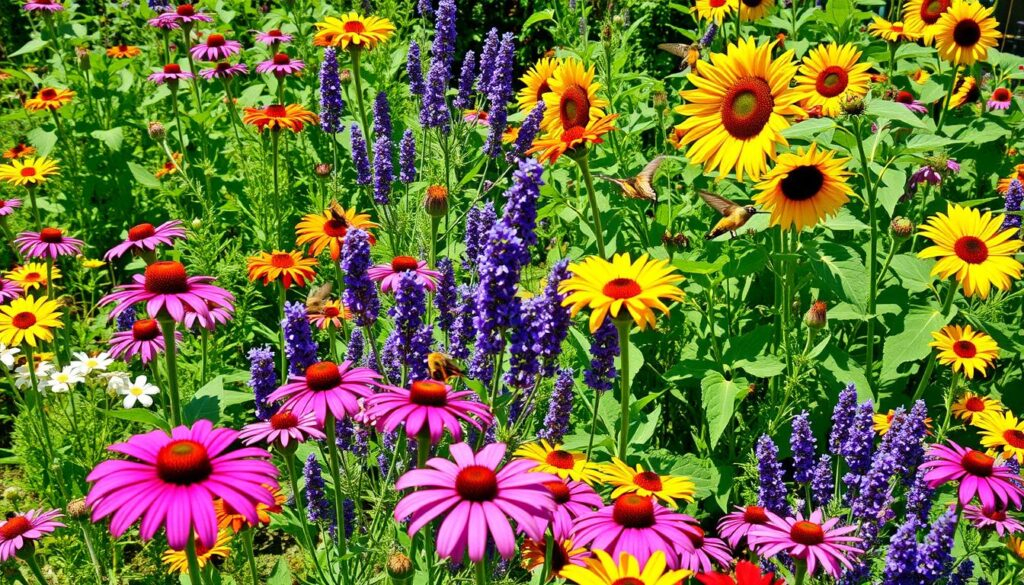
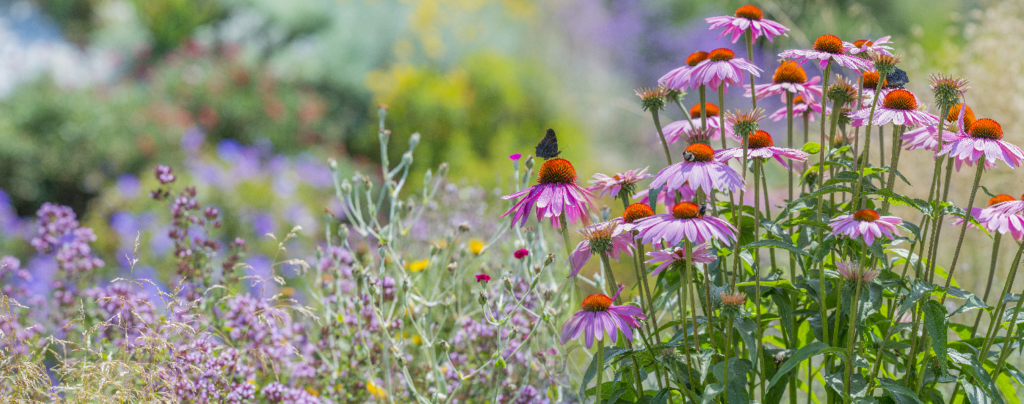
Not all flowers are created equal. Some are divas, demanding constant attention, specific pH levels, and perfect weather. Others are tough cookies, thriving on neglect. For a budget garden, you want the tough cookies. Native plants are your best friends. They are adapted to your local climate and soil, meaning they need less water, no fertilizer, and minimal care. They also support local pollinators, which is crucial for ecosystem health. Check with your local extension office or native plant society for lists of recommended species. Coneflowers, black-eyed susans, and milkweed are great examples in many regions. They come back year after year, getting bigger and better.
Annuals provide bursts of color but need replanting every year. Use them strategically in high-visibility areas like containers near your door. Zinnias, marigolds, and cosmos are cheap from seed, grow fast, and bloom profusely. They are forgiving and cheerful. Perennials form the backbone of your garden. They cost more upfront but last for years. Invest in quality perennials for key spots, and fill in the gaps with annuals or self-seeding biennials like foxgloves or hollyhocks. These plants drop seeds and pop up in new places, giving your garden a natural, evolving feel. It’s like having free plants every spring.
Don’t forget edibles. Herbs and vegetables can be beautiful too. Rosemary forms a lovely shrub. Lavender is edible and aromatic. Chives produce cute purple flowers. Integrating edibles into your floral design maximizes space and utility. You get beauty and food from the same square footage. It’s practical and rewarding. Plus, picking fresh basil for dinner while surrounded by blooms is a sensory delight that connects you to your garden in a daily, meaningful way. It turns gardening from a chore into a lifestyle.
A garden should relieve stress, not create it. The key to sustainable gardening is routine, not marathon sessions. Spend fifteen minutes a day deadheading spent blooms, pulling a few weeds, or watering. This prevents tasks from piling up into overwhelming weekends. Mulch is your best friend for reducing maintenance. A thick layer of organic mulch (wood chips, straw, shredded leaves) suppresses weeds, retains moisture, and improves soil health as it breaks down. It saves you hours of weeding and watering. Apply it in spring and top it up as needed. It’s the lazy gardener’s secret weapon.
Water wisely. Install a rain barrel to collect runoff from your roof. It’s free water for your plants, and it reduces your utility bill. Water early in the morning to minimize evaporation and prevent fungal diseases. Drip irrigation systems can be DIYed with soaker hoses, which are cheaper than complex sprinkler setups and deliver water directly to the roots where it’s needed. This efficiency saves money and resources, aligning with the eco-conscious mindset of 2026. It’s smart gardening.
Finally, accept imperfection. Leaves will have holes. Plants will die. Seasons change. Your garden is a living thing, not a static picture. Embrace the cycle. Learn from failures. Did that tomato plant flop? Next year, stake it earlier. Did the slugs eat your hostas? Try crushed eggshells or beer traps. Gardening is a journey of experimentation. Be kind to yourself. Enjoy the process. Sit in your space. Watch the bees. Smell the roses. That connection is the real reward. The beauty is a bonus.
Creating a floral oasis on a budget is entirely possible. It requires shifting your perspective from consumer to creator. Use what you have. Ask for help. Grow from seed. Design with intent. Choose resilient plants. Maintain with ease. Your backyard can become a sanctuary that nourishes your soul without draining your bank account. Start small. Be patient. Let nature do the heavy lifting. Before you know it, you’ll be the one dividing plants and sharing seeds with neighbors. And that, truly, is the blossoming of a community.
[sps_html tag=”img” src=”https://cdn.northcarolinafinearchitecture.com/2026/06/everything-you-need-for-planting-a-pollinator-friendly-garden-intended-for-creating-a-pollinator-friendly-flower-garden-for-local-wildlife.png” alt=”Everything You Need For Planting A Pollinator-Friendly Garden intended for Creating a Pollinator Friendly Flower Garden for Local Wildlife” style=”width: 100%; height: auto;”]
[sps_html tag=”img” src=”https://cdn.northcarolinafinearchitecture.com/2026/06/create-your-own-pollinator-garden-a-step-by-step-guide-graphic-folks-with-creating-a-pollinator-friendly-flower-garden-for-local-wildlife.jpg” alt=”Create Your Own Pollinator Garden: A Step-By-Step Guide - Graphic Folks with Creating a Pollinator Friendly Flower Garden for Local Wildlife” style=”width: 100%; height: auto;”]
[sps_html tag=”img” src=”https://cdn.northcarolinafinearchitecture.com/2026/06/effortless-elegance-11-stunning-front-yard-flower-bed-designs-with-outdoor-flower-garden-design.jpg” alt=”Effortless Elegance: 11 Stunning Front Yard Flower Bed Designs … with Outdoor Flower Garden Design” style=”width: 100%; height: auto;”]
[sps_html tag=”img” src=”https://cdn.northcarolinafinearchitecture.com/2026/06/plan-now-to-create-your-pollinator-friendly-garden-butler-eagle-pertaining-to-outdoor-flower-garden-design.jpg” alt=”Plan Now To Create Your Pollinator-Friendly Garden – Butler Eagle pertaining to Outdoor Flower Garden Design” style=”width: 100%; height: auto;”]
[sps_html tag=”img” src=”https://cdn.northcarolinafinearchitecture.com/2026/06/pollinator-friendly-plants-for-permaculture-gardens-throughout-outdoor-flower-garden-design.jpg” alt=”Pollinator-Friendly Plants For Permaculture Gardens throughout Outdoor Flower Garden Design” style=”width: 100%; height: auto;”]