You’ve probably tightened a bolt before. Maybe you changed a tire, assembled a bookshelf, or fixed a loose hinge on a cabinet door. It feels simple enough, right? You turn the wrench until it feels tight. But here’s the thing: that feeling is a liar. What you’re actually doing is playing a high-stakes game of physics that most people don’t even realize is happening. When you apply torque, you aren’t just "tightening" something. You are stretching metal. You are creating tension. And if you get that balance wrong, things fall apart. Literally.
In the world of engineering, from the bridges we drive over to the smartphones in our pockets, bolted joints are the unsung heroes holding everything together. But they are also the most common point of failure. Why? Because torque and tension are not the same thing. One is the effort you put in; the other is the result you get. And the relationship between them is messy, unpredictable, and heavily influenced by factors you can’t see with the naked eye. If you want reliability, you have to stop thinking about how hard you twist and start thinking about how much the bolt stretches.
Let’s dive into the nitty-gritty of why this matters. In 2026, with materials getting lighter and structures getting more complex, the margin for error is smaller than ever. We aren’t just talking about industrial machinery anymore. This affects anyone who builds, repairs, or maintains anything with fasteners. So, let’s strip away the jargon and look at what’s really going on inside that joint.
The Great Misconception: Torque Is Not Tension
Here is the biggest myth in fastening: that torque equals clamp load. It doesn’t. Not even close. Think of torque as the input—the energy you expend turning the nut or bolt head. Tension, on the other hand, is the output—the actual stretching force that clamps the two parts together. The problem is that only about 10% to 15% of the torque you apply actually goes into stretching the bolt. The rest? It’s wasted fighting friction.
Yes, you read that right. Up to 90% of your effort is consumed by friction. Specifically, friction between the threads of the bolt and nut, and friction under the head of the bolt or the face of the nut where it contacts the joint surface. This is why the "nut factor" or K-factor is so critical. It’s a coefficient that tries to account for all that friction. But here’s the kicker: the K-factor isn’t a constant. It changes based on surface finish, lubrication, material, and even how fast you tighten the bolt.
So, when you use a torque wrench set to 50 foot-pounds, you might think you’re getting a consistent clamp load every time. But studies, like those referenced in recent industry analyses, show that even in controlled environments, the same torque can produce a massive scatter in tension. We’re talking variations of 30% or more. One bolt might be barely holding on, while the next one is stretched to its breaking point, all because of slight differences in friction. That’s scary when you think about it. It means relying solely on torque is like guessing the weight of a package by looking at the box size. Sometimes you’re right, but often you’re way off.
The Friction Factor: Where the Energy Goes
Let’s break down where that energy goes, because understanding this is key to mastering the process. When you turn a fastener, three things happen. First, you overcome thread friction. Second, you overcome bearing friction (under the head or nut). And third, you stretch the bolt. The first two are essentially taxes you pay to the laws of physics. The third is the only part that does the useful work of holding the joint together.
Surface conditions play a huge role here. A dry, rusty bolt has a much higher coefficient of friction than a clean, lubricated one. This means if you torque a dry bolt to the same specification as a lubricated one, the dry bolt will have significantly less tension. It’s resisting your turn more, so it stretches less. Conversely, if you lubricate a bolt but don’t adjust your torque value, you might over-tighten it, risking thread stripping or bolt fracture. This is why manufacturers specify whether a torque value is for "dry" or "lubricated" conditions. Ignoring this detail is a recipe for disaster.
Recent research in tribology—the study of friction and wear—has highlighted how tightening speed also affects this relationship. Faster tightening can generate more heat, which changes the friction characteristics momentarily. It’s a dynamic system, not a static one. In 2026, we have better tools to measure these nuances, but the fundamental principle remains: friction is the enemy of consistency. To get reliable joints, you need to control friction. That means using consistent lubricants, keeping surfaces clean, and understanding that a torque number on a spec sheet is meaningless without context.
The Joint Diagram: Visualizing the Load Path
If you want to truly understand bolted joints, you need to meet the joint diagram. It sounds academic, but it’s actually a simple visual tool that explains everything. The diagram plots force against deformation. It shows two lines: one for the bolt (which is stiff) and one for the clamped members (which are usually less stiff). Where they intersect is your preload—the tension you created when you tightened the bolt.
Why does this matter? Because when an external load is applied to the joint—say, vibration or pressure—it doesn’t all go to the bolt. The joint diagram shows us that the external load is shared between the bolt and the clamped members. If the clamped members are stiff, they take most of the load, relieving the bolt. If they are soft, the bolt takes more of the hit. This is crucial for fatigue resistance. A bolt that sees large fluctuations in load will fail much faster than one that sees small fluctuations.
The goal of good design is to ensure that the external load never exceeds the preload. If it does, the joint separates. Once separation occurs, the bolt takes 100% of the external load, and fatigue failure is almost guaranteed. By understanding the stiffness ratio between the bolt and the joint, engineers can design connections that stay clamped under service conditions. It’s not just about making the bolt stronger; it’s about making the joint smarter. You want the clamped parts to do the heavy lifting, not the fastener.
Variables That Mess With Your Head (and Your Bolts)
So, what exactly changes the torque-tension relationship? It’s a long list, and that’s why this stuff is hard. First, there’s the material. Different alloys have different strengths and elastic properties. A high-strength steel bolt behaves differently than a stainless steel one. Then there’s the geometry. The pitch of the threads, the diameter of the bolt, and the width of the bearing surface all influence how much tension you get for a given torque.
Lubrication is arguably the biggest variable. As mentioned earlier, a drop of oil can change the K-factor dramatically. But it’s not just about whether you use lube or not. It’s about the type of lube, how much you use, and how evenly it’s applied. Wax-based lubricants behave differently than oil-based ones. Molybdenum disulfide is another common option. Each has its own friction profile. Inconsistent application leads to inconsistent results. This is why some critical applications require specific lubricants and strict application protocols.
Don’t forget the human element, or rather, the tool element. The accuracy of your torque wrench matters. A cheap, uncalibrated wrench can be off by 10-20%. And then there’s the technique. Are you pulling smoothly? Are you jerking the wrench? Are you tightening in the correct pattern? For flanged joints, for example, you need to tighten bolts in a star pattern to ensure even loading. Tightening one side fully before moving to the other can warp the flange, leading to leaks or uneven stress distribution. It’s a symphony of variables, and if one instrument is out of tune, the whole performance suffers.
Beyond Torque: Better Ways to Measure Tension
Given how unreliable torque can be as a proxy for tension, why do we still use it? Mostly because it’s easy and cheap. Torque wrenches are portable and familiar. But in critical applications, we need better methods. In 2026, technology has given us several alternatives that offer much higher precision. One common method is the turn-of-the-nut technique. Here, you snug the bolt up to a predefined "snug torque," and then turn it a specific number of degrees. Since the pitch of the thread is known, you can calculate exactly how much the bolt has stretched. This bypasses much of the friction variability because once the joint is snug, the relationship between rotation and elongation is quite linear.
Another advanced method is direct tension indication. This involves using load-indicating washers or bolts with built-in sensors. These devices measure the actual stretch or load in the bolt, giving you a direct reading of tension. Ultrasonic measurement is another cool trick. By sending sound waves through the bolt, you can measure its length with extreme precision. As the bolt stretches, the time it takes for the sound wave to travel changes. This allows for non-destructive, highly accurate tension measurement.
Hydraulic tensioners are also used for large bolts, especially in industries like oil and gas. These tools pull the bolt straight out, stretching it directly, and then the nut is tightened while the bolt is under tension. When the hydraulic pressure is released, the bolt contracts, creating a massive clamp load with almost no torsional stress. This is far superior to torque tightening for large diameters because it eliminates thread friction from the equation entirely. While these methods are more expensive and complex, they are essential when failure is not an option.
Okay, so you’re not building a nuclear reactor or a skyscraper. You’re working on a car, a machine, or maybe just a serious DIY project. How do you apply this knowledge? First, always clean your threads. Dirt, rust, and old paint add unpredictable friction. Use a wire brush or a tap and die to clean things up. Second, use lubricant. Unless the spec explicitly says "dry," assume you need some form of lubrication. Even a light coat of motor oil can make a huge difference in consistency. Just make sure you use the same lube every time.
Third, invest in a decent torque wrench. You don’t need the most expensive one on the market, but you do need one that is calibrated. Check it regularly. And learn to use it properly. Pull smoothly and steadily. Don’t jerk it. Stop immediately when it clicks. Over-torquing by even a little bit can damage the tool and the fastener. Fourth, follow the tightening pattern. If there are multiple bolts, tighten them in stages. Go to 30% of the torque, then 60%, then 100%. This ensures the joint seats evenly and prevents warping.
Finally, consider the environment. Will the joint be exposed to heat? Vibration? Corrosion? If so, you might need locking mechanisms like lock washers, thread-locking fluid, or prevailing torque nuts. Remember, torque is just the initial step. Maintaining that tension over time is the real challenge. Regular inspections and re-torquing (if specified) can prevent failures before they happen. It’s about being proactive, not reactive. A little attention to detail goes a long way in keeping things together.
Getting the torque-tension relationship right isn’t about being a genius engineer. It’s about respecting the physics. It’s about understanding that what you can’t see (friction, stretch, load paths) is just as important as what you can. By controlling the variables you can control—cleanliness, lubrication, tool accuracy, and technique—you dramatically improve your odds of success.
In the end, a bolted joint is a partnership between the fastener and the parts it holds. If you treat it with care and precision, it will serve you well. If you rush it or ignore the details, it will let you down. And in a world where reliability is paramount, that’s a risk worth avoiding. So next time you pick up a wrench, remember: you’re not just turning a nut. You’re engineering a connection. Make it count.
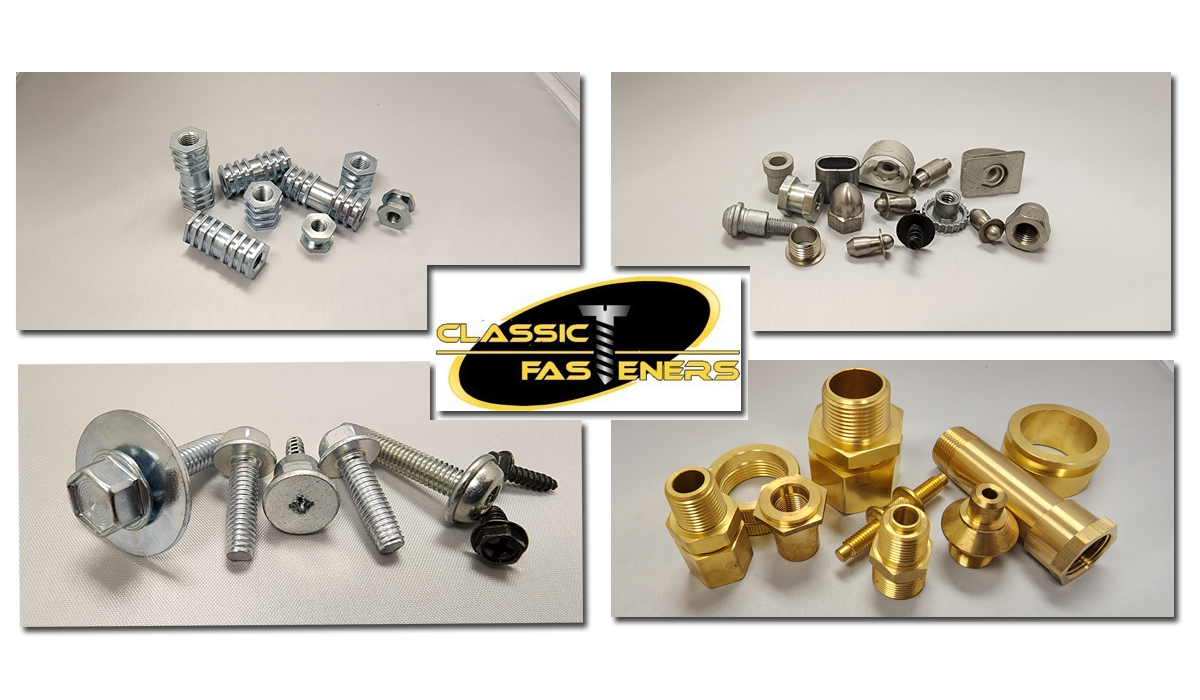
[sps_html tag=”img” src=”https://cdn.northcarolinafinearchitecture.com/2026/06/highpoint-fasteners-at-robin-steward-blog-inside-mechanical-fastener-design.jpg” alt=”Highpoint Fasteners At Robin Steward Blog inside Mechanical Fastener Design” style=”width: 100%; height: auto;”]
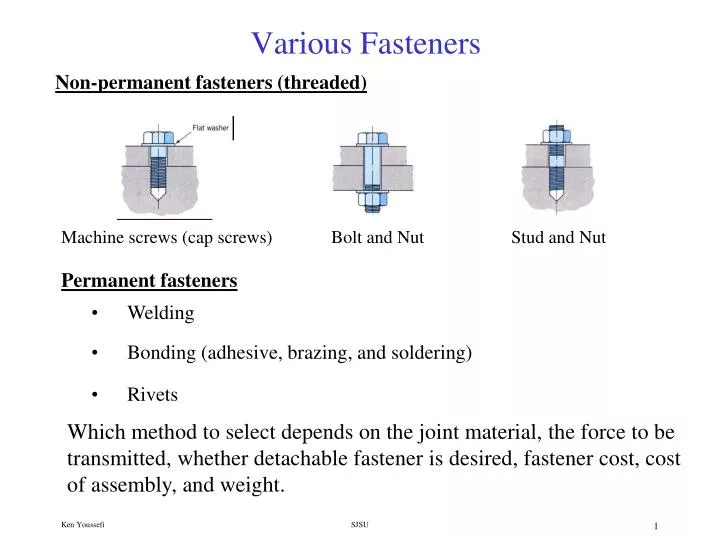
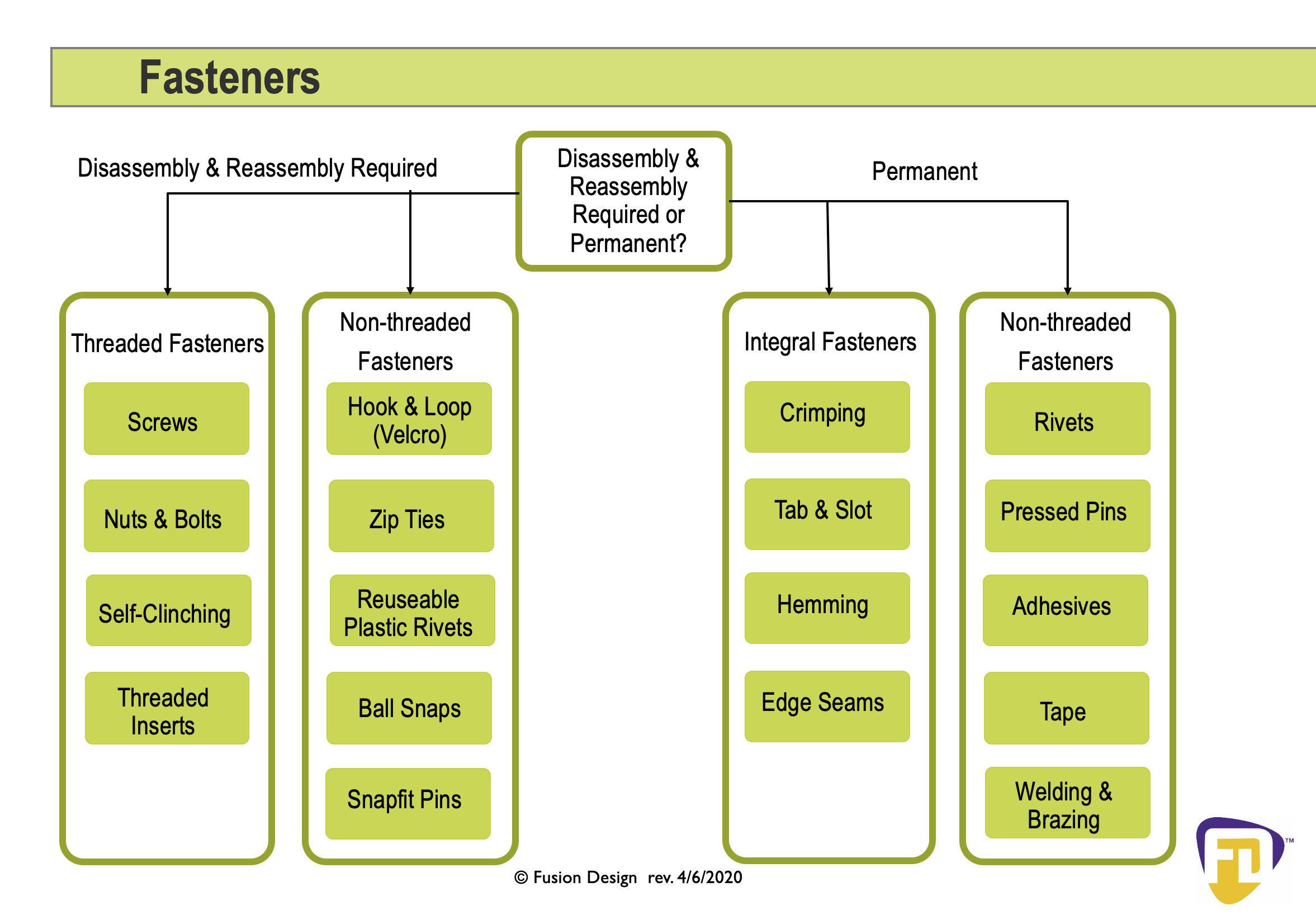
[sps_html tag=”img” src=”https://cdn.northcarolinafinearchitecture.com/2026/06/ppt-various-fasteners-powerpoint-presentation-free-download-id6807848-with-regard-to-choosing-between-integral-and-discrete-fasteners-for-modern-design.jpg” alt=”Ppt - Various Fasteners Powerpoint Presentation, Free Download - Id:6807848 with regard to Choosing Between Integral and Discrete Fasteners for Modern Design” style=”width: 100%; height: auto;”]
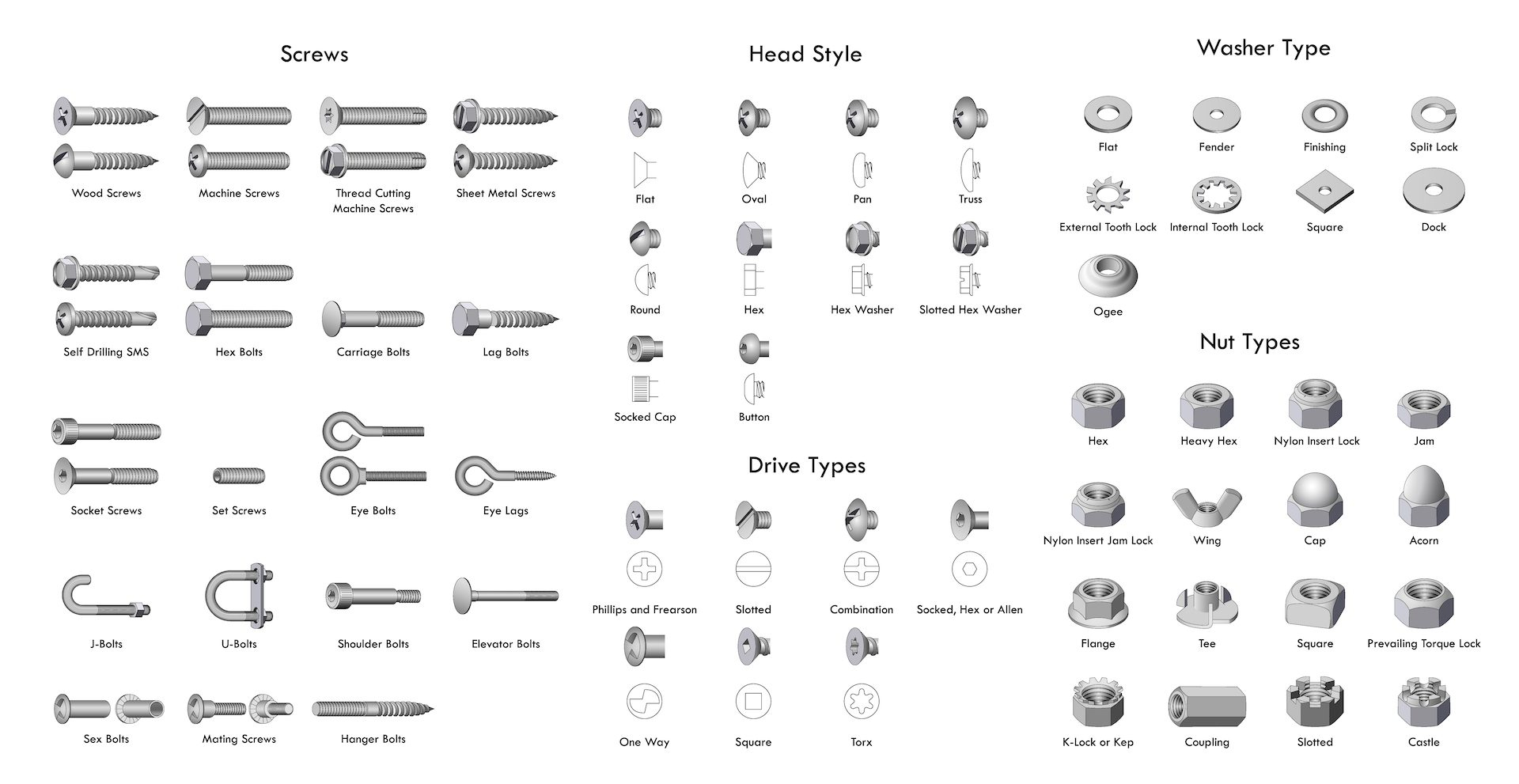
[sps_html tag=”img” src=”https://cdn.northcarolinafinearchitecture.com/2026/06/choosing-right-fastener-screws-bolts-and-rivets-mechnexus-intended-for-mechanical-fastener-design.webp” alt=”Choosing Right Fastener: Screws, Bolts, And Rivets – Mechnexus intended for Mechanical Fastener Design” style=”width: 100%; height: auto;”]
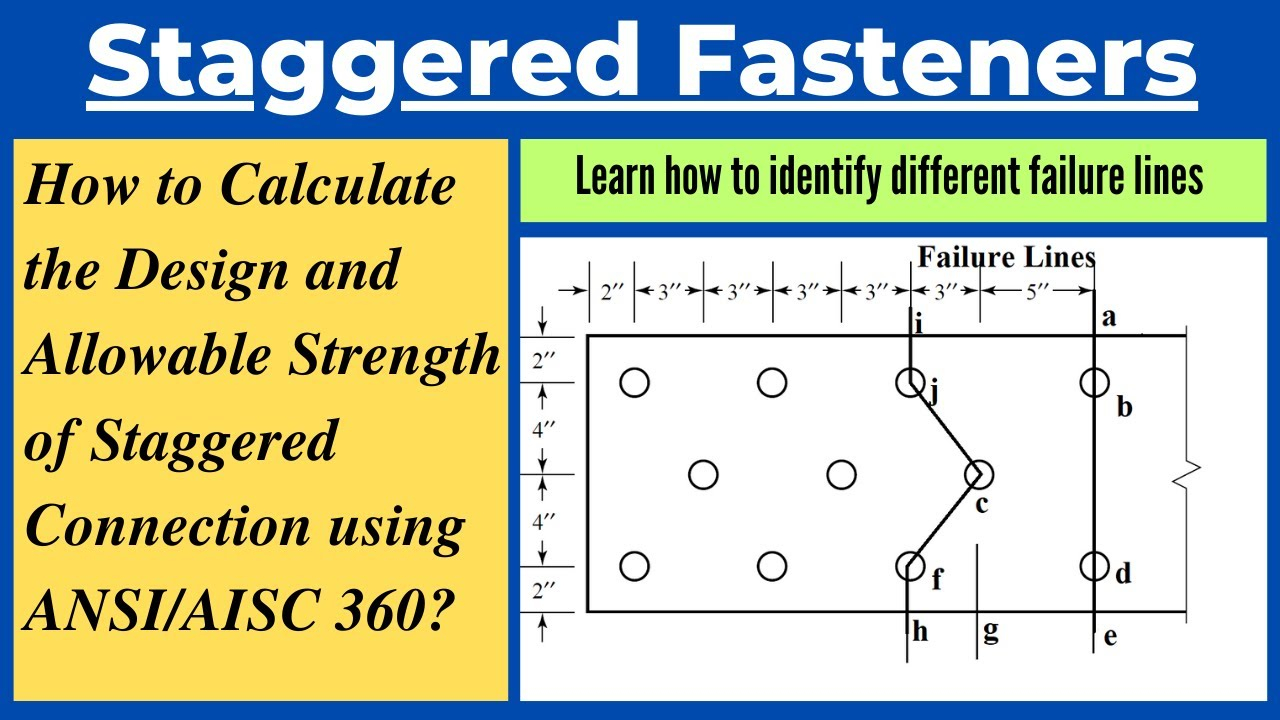
[sps_html tag=”img” src=”https://cdn.northcarolinafinearchitecture.com/2026/06/staggered-fasteners-design-and-allowable-strength-using-aisc-ansi-360-intended-for-choosing-between-integral-and-discrete-fasteners-for-modern-design.jpg” alt=”Staggered Fasteners Design And Allowable Strength Using Aisc/Ansi-360 … intended for Choosing Between Integral and Discrete Fasteners for Modern Design” style=”width: 100%; height: auto;”]
[sps_html tag=”img” src=”https://cdn.northcarolinafinearchitecture.com/2026/06/unlocking-the-mystery-of-fastener-types-a-comprehensive-guide-within-choosing-between-integral-and-discrete-fasteners-for-modern-design.jpg” alt=”Unlocking The Mystery Of Fastener Types: A Comprehensive Guide … within Choosing Between Integral and Discrete Fasteners for Modern Design” style=”width: 100%; height: auto;”]