You know that sinking feeling? You buy a shiny new storage box or shed, put it in the yard, and six months later, it looks like it’s been through a war. Maybe the lid is cracked, the metal is rusting, or the wood is warping so bad the door won’t shut. It’s frustrating. We’ve all been there. You just want a place to keep your lawnmower dry and your patio cushions safe from the rain. But the marketing promises "all-weather protection" while the reality is a pile of junk in your backyard.
Here’s the thing: there is no magic material. Not really. Every single option has a weakness. Wood rots if you ignore it. Metal rusts if the coating chips. Plastic gets brittle in the sun. But that doesn’t mean you’re doomed to replace your storage every few years. Far from it. The secret isn’t finding a perfect material; it’s matching the right material to your specific weather and knowing exactly what maintenance it actually needs. In 2026, the options are better than ever, but the misinformation is louder too. Let’s cut through the noise.
The Big Lie About "Maintenance-Free
Let’s start with the biggest myth out there: maintenance-free. You see it on every box at the big-box store. "Never paint again!" "Zero upkeep!" It sounds amazing, right? Who has time to sand and stain a shed every summer? But here’s the truth they don’t tell you. "Maintenance-free" usually just means "neglect until it breaks."
Take resin or plastic sheds, for example. They are huge right now because they are cheap and easy to assemble. And sure, you don’t have to paint them. But UV rays are brutal. Over time, that bright beige or grey turns chalky and brittle. I’ve seen resin sheds from five years ago that shatter if you look at them wrong. They aren’t rotting, but they are failing. You still need to wash them down to prevent mold buildup in the corners, and you might need to apply a UV protectant spray if you live in a sunny spot like Arizona or Florida. Ignoring it doesn’t make it last forever; it just delays the inevitable crack.
Same goes for vinyl. It’s tough, sure. But dirt sticks to it. Algae loves the damp shadows under the eaves. If you don’t hose it off once or twice a year, it looks dingy and can actually degrade faster because of the biological growth. So, "maintenance-free" is really just "low maintenance." And low maintenance is fine! Just don’t expect zero effort. A little bit of care goes a long way. Think of it like brushing your teeth. You don’t have to do it for hours, but if you skip it entirely, things get ugly fast.
Wood: The Beautiful High-Maintenance Diva
Wood is classic. It smells good, looks natural, and fits into any garden aesthetic. People love it for a reason. But wood is also the most demanding partner you’ll ever have in your backyard. It breathes. It expands when it’s wet and shrinks when it’s dry. This movement is what causes cracks, warps, and eventually, rot if water gets trapped inside.
Not all wood is created equal, though. Cedar and redwood are the gold standards because they have natural oils that resist rot and insects. They cost more upfront, but they last longer without chemical treatment. Pine is cheaper, but it’s basically a sponge for water unless you seal it properly. And I mean properly. Not just a quick coat of stain every decade. We’re talking about a high-quality water-repellent preservative applied every two to three years, depending on your climate. If you live in the Pacific Northwest where it rains nine months of the year, you might be staining every other year.
The real killer for wood isn’t just rain; it’s ground contact. If your wooden shed sits directly on the grass or dirt, it will rot from the bottom up. Fast. You need a solid foundation—gravel, concrete pavers, or a wooden deck frame—to keep it off the moist ground. Even then, splashing rain can soak the lower boards. That’s why many pros recommend using composite or vinyl trim for the bottom six inches of a wood shed. It gives you the look of wood where it matters (the upper parts) but uses a tougher material where the water hits hardest. It’s a smart hybrid approach that saves you headache later.
Metal: Strong Until It Isn’t
Metal sheds used to be the go-to for durability. Steel is strong. It doesn’t rot. It doesn’t crack from UV exposure. On paper, it seems like the winner. But metal has one fatal flaw: rust. Once the protective coating is compromised, moisture gets in, and oxidation starts. It’s not a matter of if, but when.
Modern galvanized steel is much better than the thin, flimsy stuff from the 90s. The galvanization process coats the steel in zinc, which sacrifices itself to protect the metal underneath. But scratches happen. A stray branch, a careless move with a ladder, or even hail can chip that coating. Once that bare steel is exposed, rust spreads like a cancer. Aluminum is another option. It doesn’t rust, which is great. But it’s softer. It dents easier. And in coastal areas, salt air can still corrode it over time, though much slower than steel.
If you go with metal, look for thicker gauge steel. The lower the gauge number, the thicker the metal. A 28-gauge shed is flimsy; a 12-gauge shed is a tank. Also, check the warranty on the finish. Some newer powder-coated finishes in 2026 are incredibly resilient, resisting chipping and fading better than old paint jobs. But remember, metal conducts heat. In the summer, a metal shed can become an oven inside. If you’re storing paint, chemicals, or anything temperature-sensitive, metal might not be your best friend unless you insulate it or keep it in the shade.
Resin and Plastic: The Modern Contenders
Resin sheds have come a long way. Early versions were flimsy and looked cheap. Today’s high-density polyethylene (HDPE) resin sheds are surprisingly tough. They mimic the look of wood grain but without the rot risk. They are lightweight, which makes them easy to move if you rearrange your yard. And they don’t rust. For many homeowners, this is the sweet spot between cost and durability.
But let’s talk about the downsides again, because they are real. Resin can fade. Darker colors absorb more heat and fade faster than lighter ones. If you buy a dark brown resin shed and put it in full sun in Texas, expect it to turn a lighter, patchy brown within a few years. It won’t fall apart, but it won’t look new. Also, resin can become brittle in extreme cold. If you live in Minnesota or Canada, hitting a frozen resin wall with a shovel could crack it. Cold weather makes plastic less flexible.
Another issue is structural integrity. Resin sheds often rely on a metal frame inside for support. If that internal frame rusts (because condensation builds up inside), the whole structure can weaken. Make sure the resin panels are thick and double-walled. Single-wall resin is basically a tarp with shape. Double-wall provides insulation and strength. And always anchor your resin shed. They are light enough that a strong windstorm can pick them up and toss them across the yard. I’ve seen it happen. It’s not pretty.
The Hidden Factor: Your Foundation and Location
You can buy the most expensive, high-tech shed made from aerospace materials, but if you put it on a swamp, it will fail. The foundation is arguably more important than the walls. Water is the enemy of all storage. It needs somewhere to go. If it pools under your shed, it creates a humid microclimate that accelerates rot in wood, rust in metal, and mold in resin.
A gravel base is the easiest and most effective DIY option. It drains water away quickly. Concrete slabs are permanent and solid, but they can crack if the ground shifts, and they don’t drain as well unless you slope them correctly. Paver stones are a nice middle ground—they look good and drain well if you use sand between them. Whatever you choose, make sure it’s level. An unlevel shed puts stress on the doors and hinges, causing them to bind or break prematurely.
Location matters too. Don’t put your shed under a tree that drops sap or heavy branches. Sap is a nightmare to clean off any material. Branches can scratch coatings. Also, consider the sun. If possible, orient the door away from the prevailing wind and rain. In many places, the west side gets the harshest afternoon sun, so having a solid wall there instead of a window or thin panel can help reduce heat buildup and UV damage. A little bit of strategic placement can add years to the life of your storage.
So, which material should you pick? It depends entirely on where you live. There is no one-size-fits-all answer. If you’re in a wet, humid climate like the Southeast US, avoid untreated wood at all costs. Go for resin or vinyl, or treated wood with excellent ventilation. Mold grows fast in humidity, so airflow is key. Look for sheds with vents near the roofline.
If you’re in a dry, sunny climate like the Southwest, UV resistance is your top priority. Light-colored resin or metal with a high-quality powder coat works well. Dark wood will dry out and crack. Metal will get hot, so ventilation is crucial to keep the interior cool. If you’re in a snowy, cold climate like the Northeast or Midwest, you need strength. Snow load can collapse weak roofs. Metal or thick resin with a reinforced roof structure is best. Avoid thin plastic lids on storage bins; they will snap in sub-zero temps.
For coastal areas, salt spray is corrosive. Stainless steel hardware is a must, regardless of the shed material. Aluminum is better than steel for the structure itself. Wood needs to be sealed tightly to prevent salt from penetrating the grain. Resin is a good option here too, as it’s inert and doesn’t react with salt. But make sure the metal hinges and locks are marine-grade. Regular steel hinges will rust out in a year near the ocean.
Ultimately, think about what you’re storing. If it’s just lawn tools, a basic resin shed is fine. If you’re storing expensive bikes or woodworking tools, you might want the security and insulation of a well-built wood or heavy-gauge metal shed. Match the material to the value of what’s inside. And remember, the cheapest option is rarely the cheapest in the long run. Spending a bit more upfront for quality materials and a solid foundation saves you money, time, and frustration down the road. It’s an investment in your peace of mind.
[sps_html tag=”img” src=”https://cdn.northcarolinafinearchitecture.com/2026/06/blending-stone-and-logs-design-a-timeless-cabin-exterior-with-regard-to-outdoor-cabinet-design.jpg” alt=”Blending Stone And Logs: Design A Timeless Cabin Exterior … with regard to Outdoor Cabinet Design” style=”width: 100%; height: auto;”]
[sps_html tag=”img” src=”https://cdn.northcarolinafinearchitecture.com/2026/06/modern-farmhouse-kitchen-natural-wood-cabinets-timeless-elegance-meets-regarding-outdoor-cabinet-design.jpg” alt=”Modern Farmhouse Kitchen Natural Wood Cabinets: Timeless Elegance Meets … regarding Outdoor Cabinet Design” style=”width: 100%; height: auto;”]
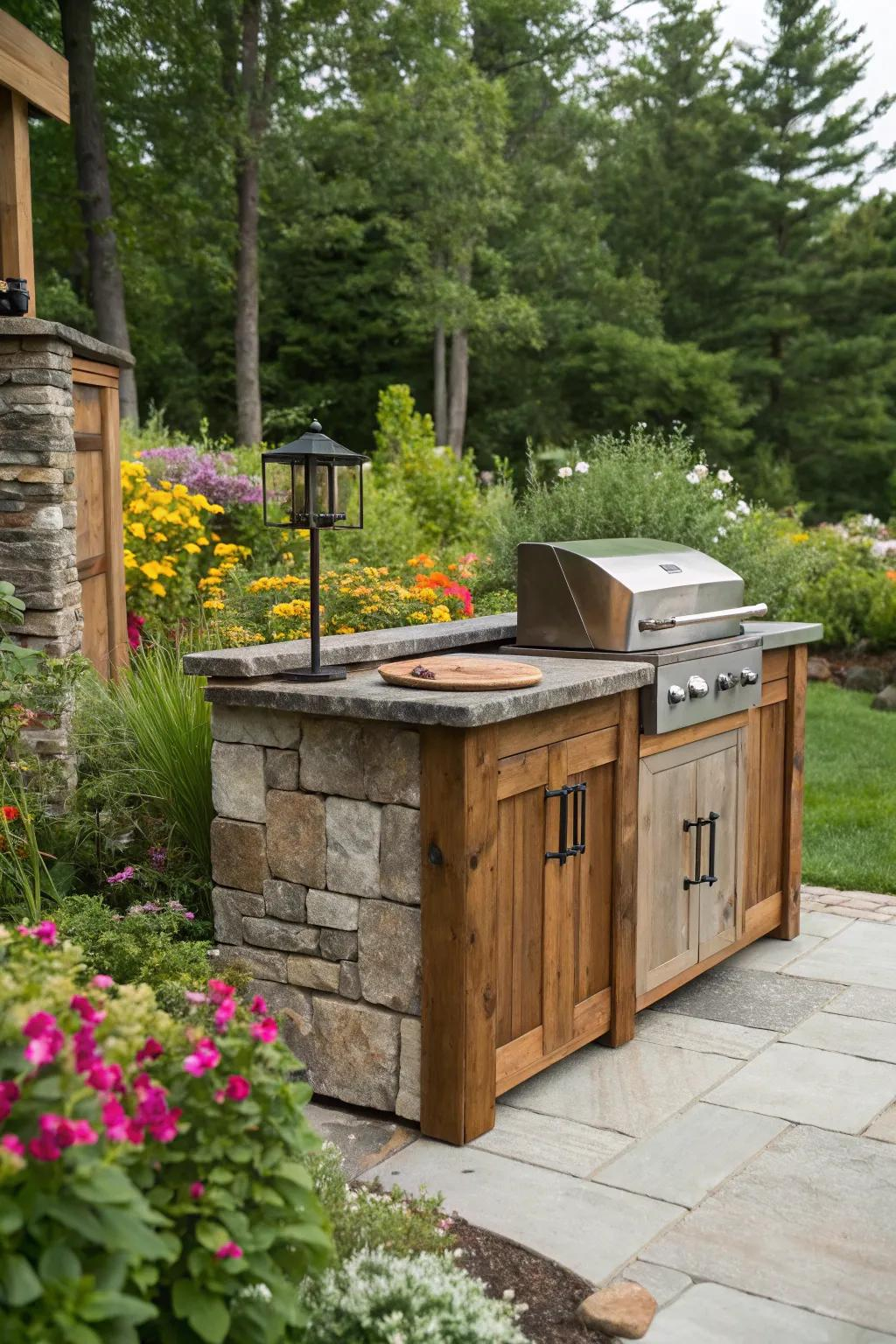
[sps_html tag=”img” src=”https://cdn.northcarolinafinearchitecture.com/2026/06/25-incredible-stone-fireplace-ideas-regarding-blending-stone-and-wood-for-a-rustic-yet-elegant-outdoor-cabinet-look.jpg” alt=”25 Incredible Stone Fireplace Ideas regarding Blending Stone and Wood for a Rustic Yet Elegant Outdoor Cabinet Look” style=”width: 100%; height: auto;”]
[sps_html tag=”img” src=”https://cdn.northcarolinafinearchitecture.com/2026/06/modern-rustic-blending-contemporary-and-natural-design-for-outdoor-cabinet-design.jpg” alt=”Modern Rustic: Blending Contemporary And Natural Design for Outdoor Cabinet Design” style=”width: 100%; height: auto;”]
[sps_html tag=”img” src=”https://cdn.northcarolinafinearchitecture.com/2026/06/16-stylish-bbq-cabinet-ideas-for-your-patio-garden-eco-inside-outdoor-cabinet-design.jpg” alt=”16+ Stylish Bbq Cabinet Ideas For Your Patio - Garden.eco inside Outdoor Cabinet Design” style=”width: 100%; height: auto;”]