There is something primal about gathering around a fire. It pulls us in. We stare at the flames, forgetting the emails we didn’t send or the dishes piling up in the sink. But have you ever looked down at the ring holding that fire and wondered why some look like rusted junk after one summer, while others seem to get better with age? It’s not magic. It’s engineering. Hidden, quiet, heavy-duty engineering.
Most people think a fire ring is just a circle of metal. Throw it in a hole, light some wood, done. Right? Well, not exactly. If you’ve ever bought a cheap ring from a big box store only to find it warped into an oval shape by July, you know the pain. The difference between a disposable piece of scrap and a centerpiece that lasts decades lies in the choices made before the first spark is lit. It’s about gauge, alloy, heat distribution, and how the metal breathes.
Let’s pull back the curtain. We aren’t just talking about buying a product; we are talking about understanding a craft. In 2026, custom metalwork has evolved. It’s no longer just about welding two ends together. It’s about creating a vessel that respects the physics of fire. Whether you are a weekend camper or a backyard host who loves a good s’more, knowing what goes into these rings changes how you see them. You stop seeing just metal. You start seeing intention.
The Gauge Game: Why Thickness Matters More Than You Think
When you shop for a custom fire ring, you will hear the term "gauge" thrown around a lot. It sounds technical, maybe even boring. But here is the thing: gauge is everything. In the world of steel, the lower the number, the thicker the metal. A 12-gauge steel ring is significantly heavier and more durable than a 16-gauge one. Think of it like clothing. A thin t-shirt tears easily in a briar patch. A heavy canvas jacket? That takes a beating and keeps going.
Turner Industries, for example, sticks to heavy-duty 12-gauge steel for their campfire rings. Why? Because fire is violent. It expands, contracts, and eats away at weak points. Thin metal warps when it gets hot. Once it warps, the structural integrity is gone. The welds crack. The bottom falls out. By choosing a thicker gauge, manufacturers are building in a safety margin. They are acknowledging that the fire will try to destroy the ring, and they are giving the metal enough mass to resist.
But it’s not just about being thick for the sake of it. It’s about heat capacity. Thicker steel absorbs heat more slowly and releases it more evenly. This prevents those scary hot spots that can cause sudden failures. If you are looking at custom options, always ask about the gauge. If they don’t know, walk away. A standard 12-inch tall ring made from 12-gauge steel is a sweet spot for durability. It’s heavy enough to stay put in the wind but manageable enough to move if you need to rearrange your patio. Don’t skimp here. Your future self will thank you when you aren’t replacing it every two years.
Metallurgy Magic: Choosing the Right Alloy for the Burn
Steel is not just steel. This is a common misconception. The recipe matters. Most custom fire rings are made from carbon steel, stainless steel, or sometimes cast iron. Each has its own personality. Carbon steel is the workhorse. It’s strong, welds easily, and develops a beautiful patina over time. But it rusts. Some people hate this. Others love the rustic, oxidized look. Companies like Fox River Fire Rings offer finishes that let you choose—raw for natural oxidation or high-temp flat black paint for a sleek, uniform look.
Then there is stainless steel. It’s pricier, sure. But it resists corrosion like a champ. If you live near the ocean or in a place with high humidity, stainless might be worth the extra cash. It doesn’t develop that flaky red rust that can stain your stone patio. However, it can discolor under extreme heat, turning a rainbow of blues and purples. Some folks find this artistic. Others find it messy. It’s a personal choice.
Cast iron is another player, though less common for large custom rings due to weight and brittleness. It holds heat incredibly well, making it great for cooking attachments. But drop it? It might crack. For most custom fabrication, mild steel or stainless is the go-to. The key is knowing your environment. If you are leaving the ring out in the rain all winter, you need a material that can handle the moisture. Or, you need a cover. Speaking of which, Bonfire by Design emphasizes handwrought quality that stands up to the elements, but even the best metal needs a little help from a good cover now and then. Understand your alloy, and you understand how your ring will age.
Heat Dynamics: Managing Expansion and Airflow
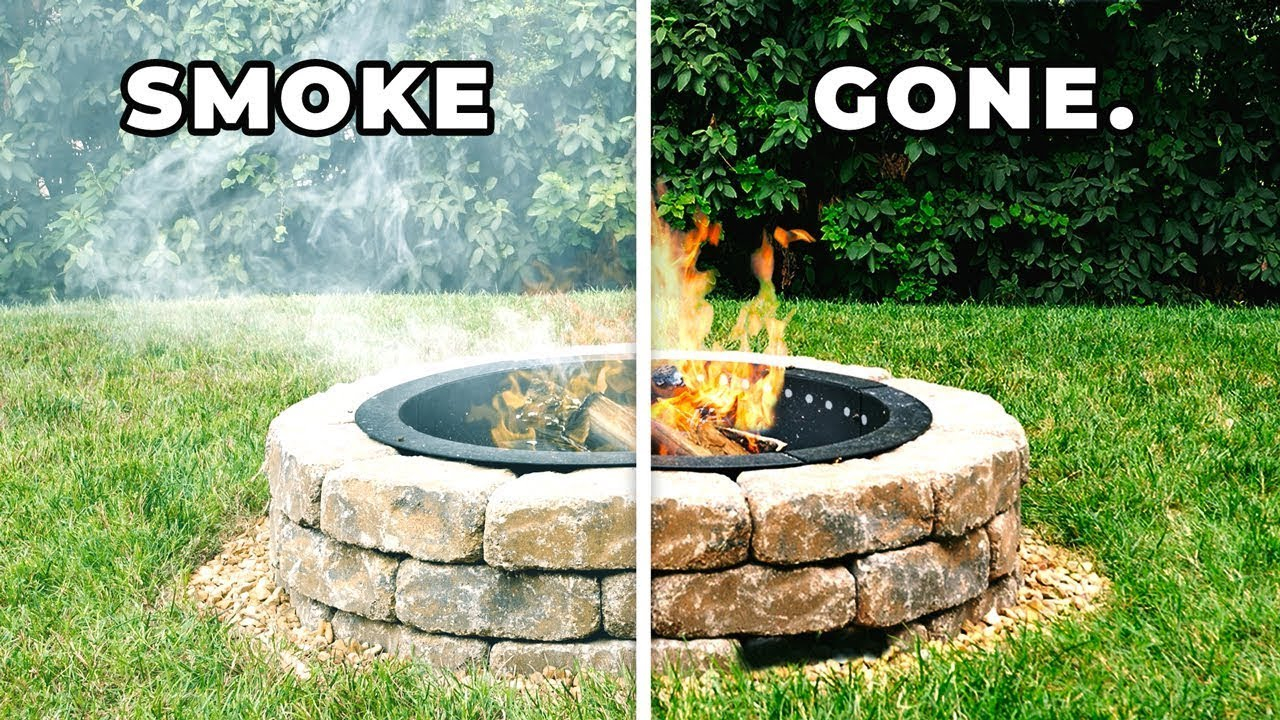
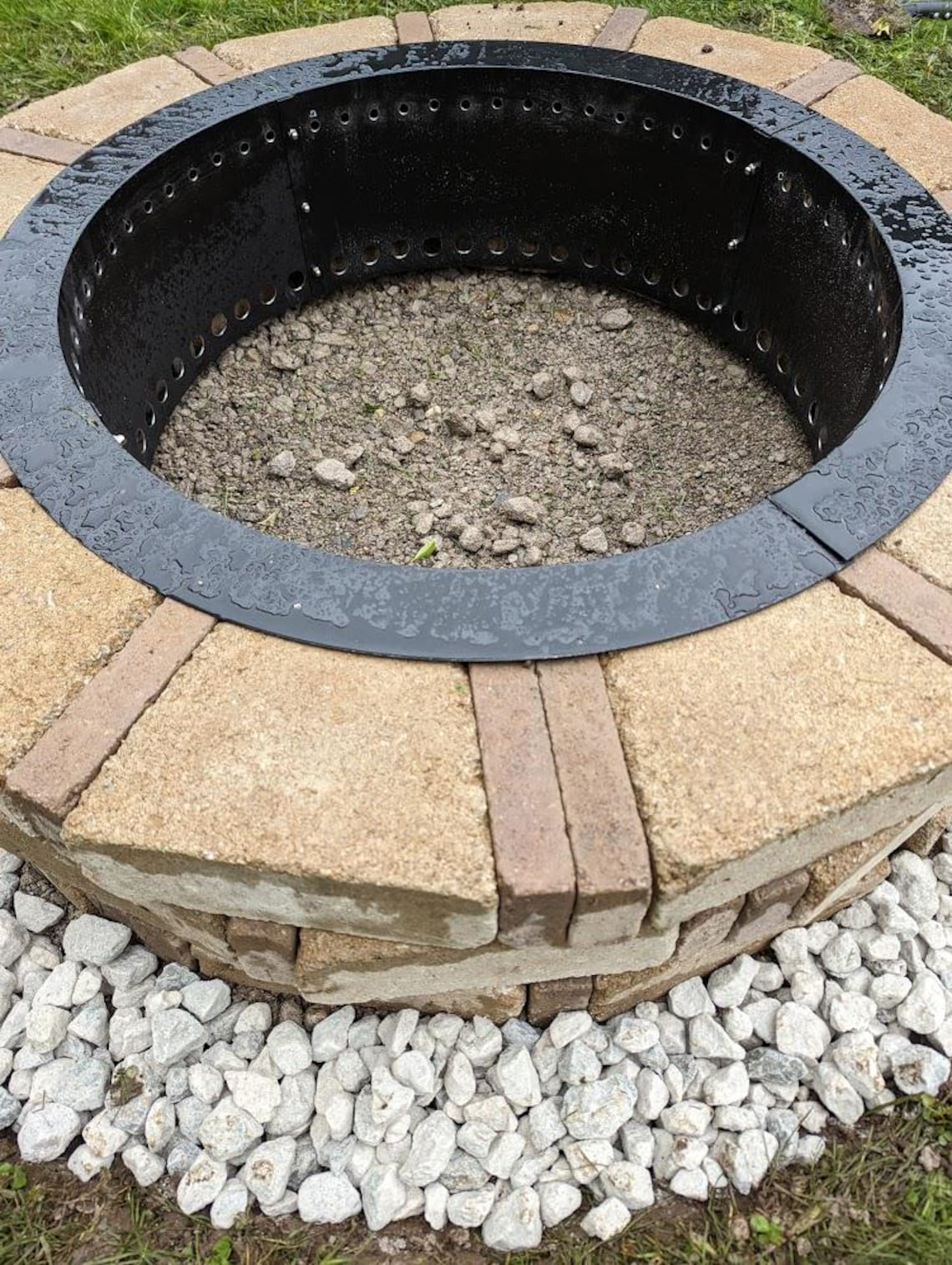
Fire needs air. It’s basic chemistry. But in a metal ring, airflow is also about survival. If a fire ring is a solid bucket with no ventilation, the heat gets trapped. The metal superheats. This accelerates wear and can make the fire burn too hot, too fast. Good engineering includes strategic ventilation. This isn’t just about poking holes randomly. It’s about creating a draft that feeds the fire from the bottom up, keeping the flames lively and the smoke down.
Have you noticed how some fire pits smoke you out? Often, it’s because the air isn’t circulating right. Custom designs often incorporate laser-cut patterns or spaced panels that serve a dual purpose: aesthetics and function. Royall Signs, known for their imaginative 3D metal work, creates rings with intricate cutouts. These aren’t just for show. They allow heat to escape laterally, reducing the thermal load on any single point of the metal. This helps prevent warping.
Then there is the issue of expansion. Metal grows when it gets hot. A 36-inch ring might expand by a fraction of an inch. If the ring is rigidly fixed or welded without room for movement, that expansion creates stress. Stress leads to cracks. Smart designers account for this. They use joints that allow for slight movement or design structures that distribute the expansion evenly. Sunset Metalworks uses a panel system where 3, 4, 5, or 6 panels create different diameters. This modular approach can help manage how the structure handles heat stress, as each panel can expand slightly independently rather than forcing a single continuous loop to distort. It’s subtle, but it makes a huge diference in longevity.
The Art of the Weld: Structural Integrity Under Stress
Let’s talk about welds. They are the scars of the manufacturing process, but they are also the weakest links if done poorly. A bad weld is like a bad seam in a pair of jeans. It looks okay until you squat down, and then—rip. In a fire ring, the welds hold the entire structure together against the force of gravity and heat. If the welds are porous or incomplete, they will fail. And they will fail spectacularly, usually when the ring is full of burning logs.
High-quality custom fabricators take pride in their welds. They grind them smooth. They ensure full penetration, meaning the metal is fused all the way through, not just on the surface. LFx2 Metalworks highlights durable construction built to withstand rigors. This means their welds are tested by experience. They know that a fire ring gets kicked, dropped, and heated to thousands of degrees. The welds need to be tougher than the abuse they take.
Also, consider the placement of the welds. In a circular ring, welds are inevitable unless you spin-form the metal (which is rare for custom thick-gauge work). Smart design places welds in areas of lower stress or reinforces them with additional plating. Some designers hide welds behind decorative elements. Others celebrate them, making them part of the industrial aesthetic. Either way, inspect them. Look for consistency. No bubbles, no gaps, no rough edges that catch your finger. A clean weld is a sign of a craftsman who cares. It’s the difference between a toy and a tool.
Customization vs. Function: When Design Meets Durability
We all want something unique. A family name cut into the steel. A silhouette of a mountain range. A favorite quote. Customization is what makes these rings special. But there is a tension between art and engineering. Cutting too much metal out for a design can weaken the structure. Imagine taking a solid steel band and cutting 50% of it away for a lace-like pattern. It might look beautiful, but will it hold up? Probably not.
The best custom designs balance openness with strength. K & M Metal Designs, for instance, offers customization with names or pictures but maintains a robust standard size of 12 inches high by 36 inches across. This ensures that even with cutouts, there is enough solid metal to maintain structural integrity. The key is spacing. Keep the cutouts small enough so the remaining metal acts as a strong frame. Avoid long, thin strips of metal that can warp or break off.
Another aspect of customization is size. Bigger isn’t always better. A massive 54-inch ring looks impressive, but it requires a lot of fuel to keep going. It also radiates heat differently. Smaller rings, like the 27-inch three-panel versions from Sunset Metalworks, are intimate and efficient. They concentrate heat, making them warmer for smaller groups. When customizing, think about how you will use it. Do you want a roaring bonfire for a party? Go big. Do you want a cozy chat spot for two? Go small. And remember, personalized gifts, like those from American Aftermarkets Metalworks, carry emotional weight. But ensure the emotional value isn’t compromised by poor structural choices. Beauty should never sacrifice safety.
Here is a secret: metal fire rings are low maintenance, but they are not no maintenance. There is a myth that you can just leave them out forever and ignore them. Sure, some people do. And sure, some rings survive. But if you want yours to last generations, you need to do a few simple things. First, clean the ash. Ash holds moisture. Moisture plus steel equals rust. It’s a simple equation. After the fire is completely cold, scoop out the ash. It takes two minutes. It saves years of corrosion.
Second, consider the finish. If you have a raw steel ring, it will rust. This is normal. It forms a protective layer called patina. But if you want to slow this down, you can apply a high-temperature oil or wax when the ring is cool. Don’t use regular paint. It will burn off and smell terrible. Use products designed for grills or engines. If your ring came with a high-temp paint finish, touch it up when you see chips. This prevents the rust from spreading underneath the paint.
Finally, use a cover. It’s the easiest step. A simple vinyl or canvas cover keeps the rain and snow off. It stops the cycle of wet-dry-wet that accelerates rust. Companies like Bonfire by Design sell covers specifically for this reason. It’s not about coddling the ring. It’s about respecting the material. Steel is strong, but it’s not invincible. Treat it well, and it will give you countless evenings of warmth. Neglect it, and you’ll be shopping for a replacement sooner than you think. It’s a small effort for a big reward.
So, what have we learned? A fire ring is more than a circle of metal. It’s a carefully engineered object that balances thickness, material, airflow, and craftsmanship. The next time you sit by a fire, look at the ring. Notice the welds. Feel the heat radiating evenly. Appreciate the gauge of the steel. It’s holding back chaos. It’s containing the flame. And if it’s well-made, it will be there for your grandchildren to gather around, too. That’s the hidden engineering. Quiet, strong, and enduring. Just like the fires we love.
[sps_html tag=”img” src=”https://cdn.northcarolinafinearchitecture.com/2026/05/smokeless-fire-pit-ring-etsy-throughout-outdoor-fire-ring-design.jpg” alt=”Smokeless Fire Pit Ring - Etsy throughout Outdoor Fire Ring Design” style=”width: 100%; height: auto;”]
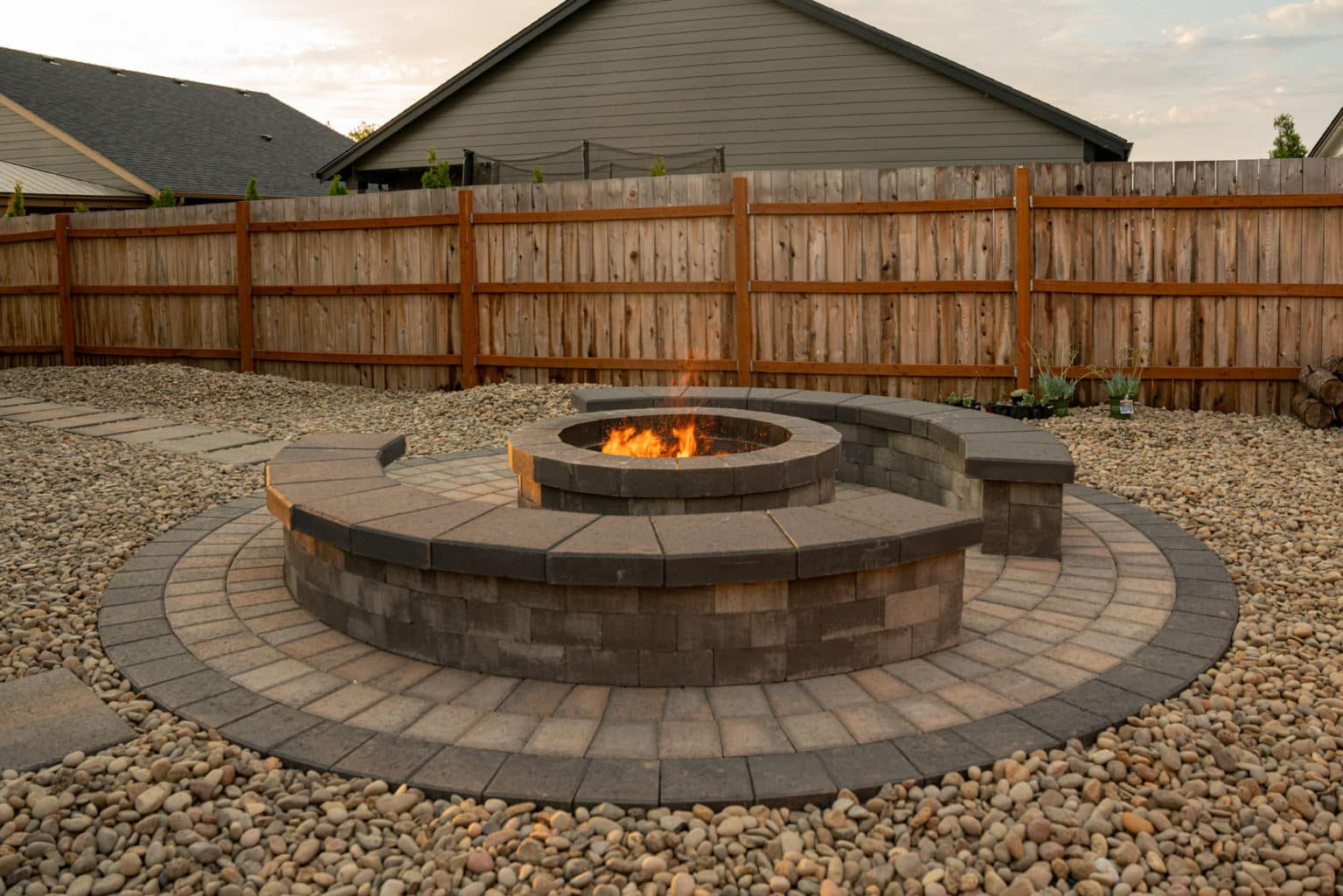
[sps_html tag=”img” src=”https://cdn.northcarolinafinearchitecture.com/2026/05/how-to-build-a-circle-paver-patio-stone-fire-pit-diy-intended-for-outdoor-fire-ring-design.jpg” alt=”How To Build A Circle Paver Patio & Stone Fire Pit | Diy intended for Outdoor Fire Ring Design” style=”width: 100%; height: auto;”]
[sps_html tag=”img” src=”https://cdn.northcarolinafinearchitecture.com/2026/05/build-your-own-diy-smokeless-fire-pit-fixthisbuildthat-for-why-your-backyard-fire-pit-smokes-and-how-proper-ring-placement-fixes-it.jpg” alt=”Build Your Own Diy Smokeless Fire Pit | Fixthisbuildthat for Why your backyard fire pit smokes and how proper ring placement fixes it” style=”width: 100%; height: auto;”]
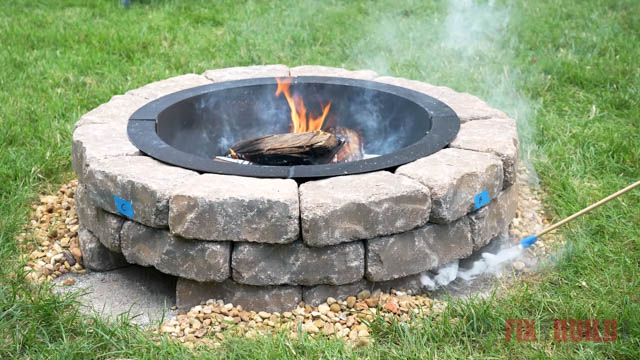
[sps_html tag=”img” src=”https://cdn.northcarolinafinearchitecture.com/2026/05/smoke-inhalation-from-fire-pit-at-scott-steward-blog-for-why-your-backyard-fire-pit-smokes-and-how-proper-ring-placement-fixes-it.jpg” alt=”Smoke Inhalation From Fire Pit At Scott Steward Blog for Why your backyard fire pit smokes and how proper ring placement fixes it” style=”width: 100%; height: auto;”]
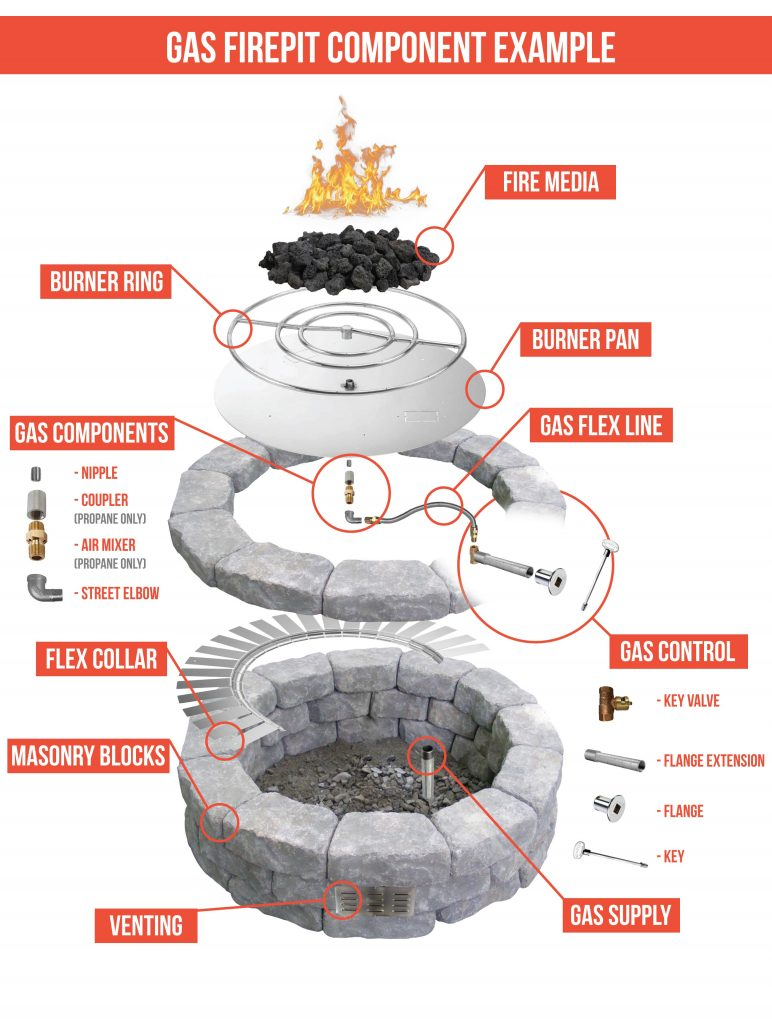
[sps_html tag=”img” src=”https://cdn.northcarolinafinearchitecture.com/2026/05/how-to-choose-the-correct-components-for-your-gas-fire-pit-project-regarding-why-your-backyard-fire-pit-smokes-and-how-proper-ring-placement-fixes-it.png” alt=”How To Choose The Correct Components For Your Gas Fire Pit Project … regarding Why your backyard fire pit smokes and how proper ring placement fixes it” style=”width: 100%; height: auto;”]