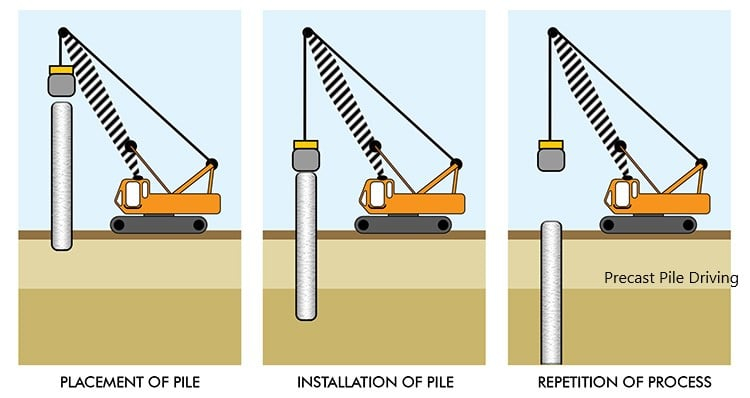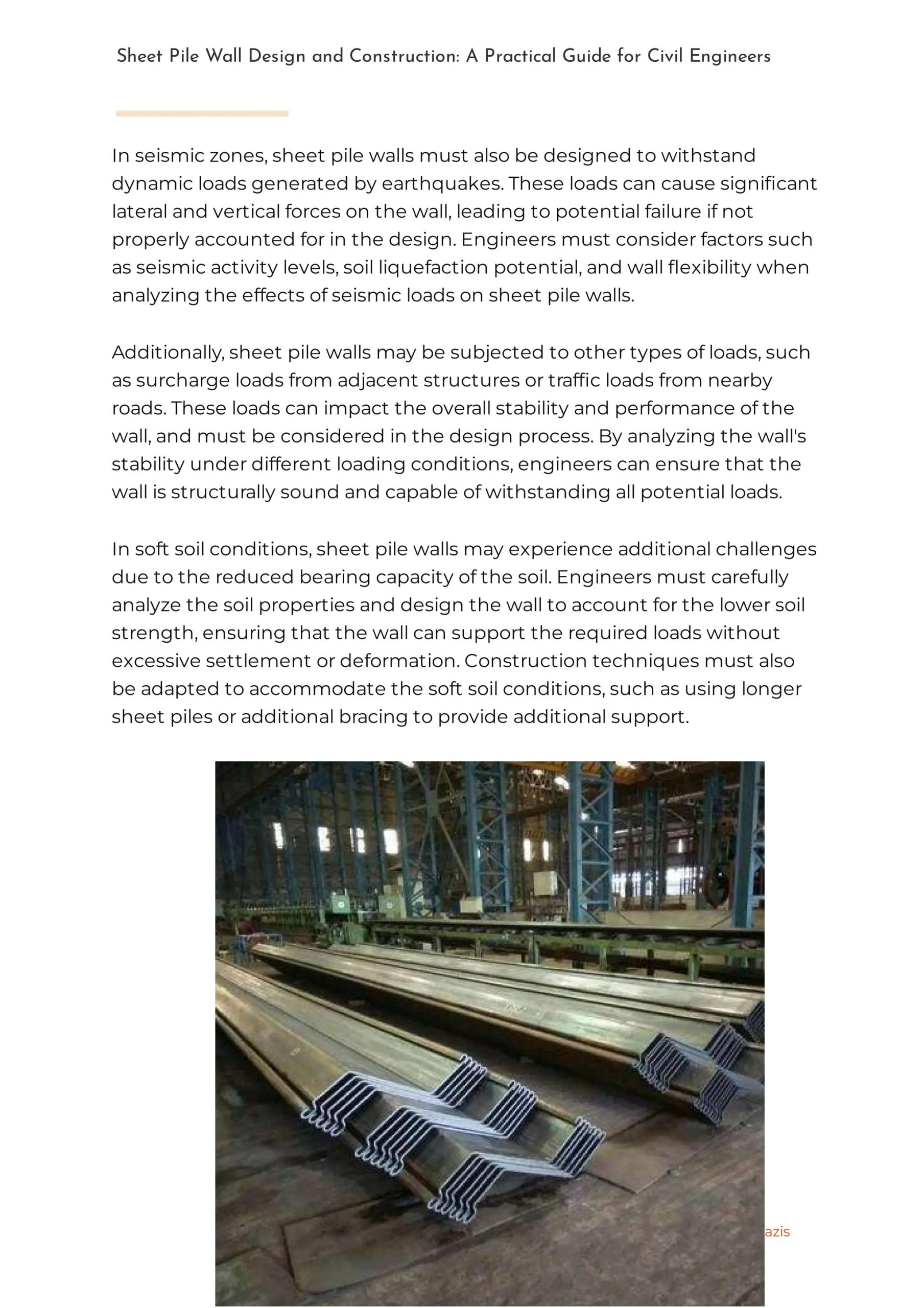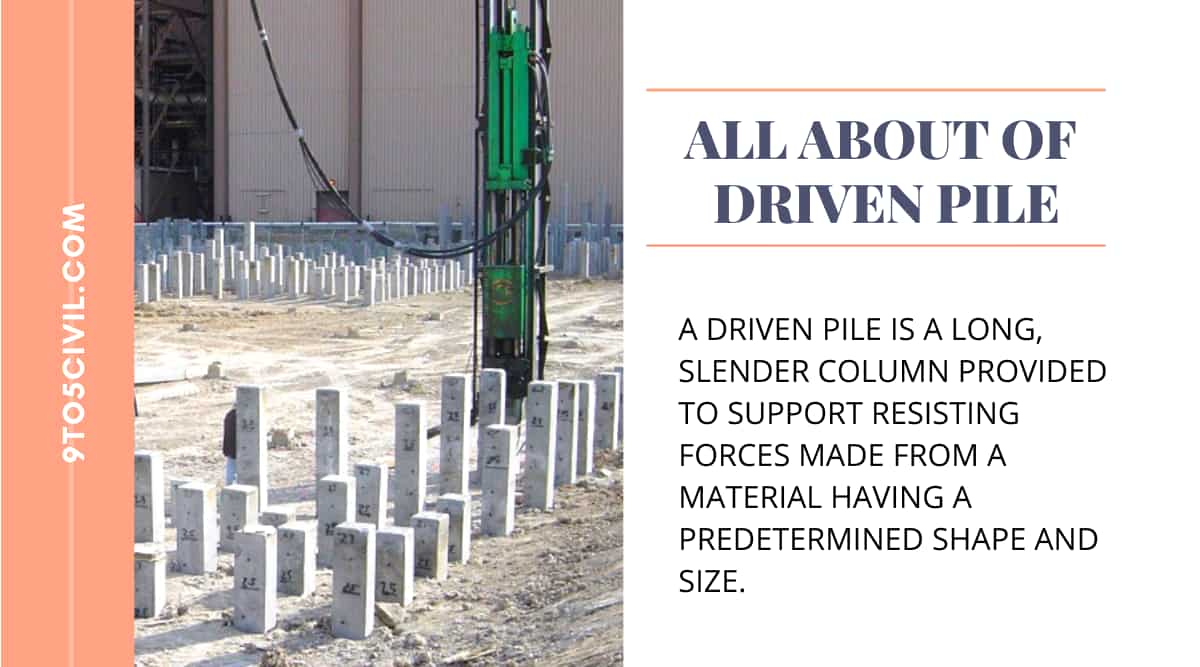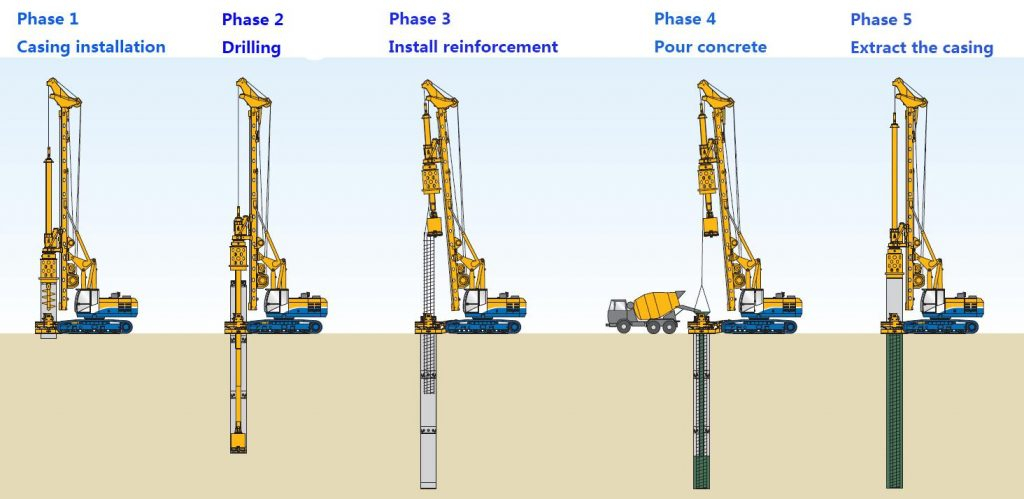
You’ve poured the concrete. You’ve driven the steel. The load tests came back green, and the structural drawings are signed off. It feels like the hard part is over, right? Wrong. Beneath your feet, something subtle and potentially catastrophic might be brewing. It’s not an earthquake. It’s not a sudden sinkhole. It’s the soil itself, slowly but surely, dragging your foundation down into the earth.
We call it negative skin friction (NSF), or more colloquially, "downdrag." And if you’re designing deep foundations in compressible soils without accounting for it, you aren’t just taking a risk. You’re gambling with the structural integrity of the entire project. In 2026, as we push infrastructure into increasingly challenging geologies—from reclaimed land to soft clay deposits—ignoring this force is no longer an option. It’s the invisible anchor that can snap your piles from the inside out.
The Physics of the Drag: When Soil Becomes the Enemy
Let’s strip away the jargon for a second. Normally, when we drive a pile into the ground, we rely on the soil to hold it up. The friction between the pile shaft and the surrounding earth acts like a hand gripping a pole, resisting any downward movement. This is positive skin friction. It’s our friend. It’s what keeps buildings standing.
But negative skin friction flips this script entirely. Imagine the soil around the pile starts to settle or consolidate. Maybe it’s due to a new fill layer placed on top, or maybe the natural weight of the ground is squeezing out water from soft clays. As the soil moves downward, it doesn’t just let the pile sit there. Because the soil is rough and the pile is embedded, the moving soil grabs onto the pile shaft and pulls it down.
This creates a downward drag force. Instead of supporting the pile, the soil is actively adding load to it. Think of it like trying to stand still on a treadmill that’s suddenly speeding up. Your legs (the pile) have to work much harder just to stay in place, and if the treadmill goes fast enough, you’re going to get pulled backward. In engineering terms, this "dragload" adds significant compressive stress to the pile, often exceeding the original design loads. If the pile wasn’t designed to handle this extra weight, it can buckle, crack, or settle excessively. It’s a betrayal by the very medium we trust to support us.
The Usual Suspects: What Triggers the Settlement?
So, why does the soil decide to move? It’s rarely random. There are specific triggers that engineers need to spot during the site investigation phase. The most common culprit is the placement of fill material. Let’s say you’re building a bridge approach embankment. You construct the pile foundations first, driving them deep into stable strata. Then, you dump tons of heavy fill soil around those piles to raise the road level.
That new fill weighs a lot. It compresses the soft, underlying clay layers. As those clays consolidate, they shrink vertically. Since the piles are already in place and likely resting on a harder layer below, they don’t settle as much as the surrounding soil. The result? The consolidating clay slides down along the pile shaft, generating massive negative skin friction. This scenario is classic, yet it catches people off guard every single year.
Another major trigger is groundwater lowering. If you’re dewatering a site for construction nearby, or if regional pumping lowers the water table, the effective stress in the soil increases. This causes the soil skeleton to compress. Again, the soil settles more than the pile, and the drag begins. We’ve also seen issues with organic soils decomposing over time, or even liquefaction events where loose sands settle after shaking. In 2024 and 2025, several case studies highlighted how adjacent construction activities—like tunneling or deep excavations—induced unexpected settlement patterns that triggered NSF in nearby existing foundations. It’s not just about what you do to your own site; it’s about what’s happening next door.
The Neutral Plane: Finding the Balance Point
Here is where the physics gets tricky, and where many junior engineers get lost. The pile isn’t being dragged down along its entire length. Nor is it being supported along its entire length. There’s a specific depth where the movement of the soil matches the movement of the pile. We call this the "neutral plane" or the "point of zero relative displacement."
Above this neutral plane, the soil is settling faster than the pile. This is the zone of negative skin friction. The soil is pulling the pile down. Below this neutral plane, the pile is settling faster than the soil (or the soil is stable). This is the zone of positive skin friction. Here, the soil is pushing up, resisting the load. The neutral plane is the boundary between these two opposing forces.
Identifying the location of this neutral plane is critical for accurate design. If you guess it wrong, your calculations are garbage. If you place it too high, you underestimate the dragload. If you place it too low, you might overdesign the pile, wasting money, or worse, misjudge the settlement. The position of the neutral plane depends on the stiffness of the pile, the compressibility of the soil, and the magnitude of the surcharge load. It’s not a fixed point; it can shift as consolidation progresses over months or even years. Modern numerical modeling tools in 2026 allow us to simulate this time-dependent behavior much better than we could a decade ago, but it still requires careful calibration with site-specific data. You can’t just pick a number out of thin air.
Calculating the Cost: Dragload and Downdrag
When we talk about the risks, we’re really talking about two distinct outcomes: dragload and downdrag. Dragload is the additional axial force induced in the pile by the negative skin friction. It’s an extra load the pile must carry. Downdrag is the additional settlement of the pile caused by this downward pull. Both are dangerous, but in different ways.
Excessive dragload can cause structural failure. If the compressive stress in the pile exceeds the concrete’s crushing strength or the steel’s yield strength, the pile fails. This is particularly risky for end-bearing piles, which are designed to transfer load to a hard layer. The dragload adds to the structural load, potentially pushing the pile past its ultimate capacity. On the other hand, excessive downdrag leads to serviceability issues. Even if the pile doesn’t break, it might settle too much. This causes cracks in the superstructure, misaligned machinery, or uneven floors. For sensitive structures like hospitals or data centers, even a few millimeters of unexpected settlement can be disastrous.
The challenge in calculation is that NSF is not a static value. It develops over time as the soil consolidates. Traditional methods often use simplified alpha-methods or beta-methods to estimate the shear stress along the shaft. But these methods assume uniform conditions, which rarely exist. Recent research emphasizes the importance of considering the group effect. In a pile group, the interior piles might experience less NSF than the edge piles because the soil movement is constrained by the surrounding piles. Ignoring this group interaction can lead to overly conservative designs, but assuming it without proof is risky. It’s a delicate balance between safety and economy.
Mitigation Strategies: Fighting Back Against the Soil
So, how do we stop it? Or at least, how do we manage it? You can’t change the laws of physics, but you can engineer around them. The most effective strategy is often pre-loading. By placing the fill surcharge before installing the piles, you allow the soil to consolidate upfront. Once the settlement has mostly occurred, you drive the piles. Now, when the building load is applied, the soil isn’t moving down relative to the pile. The risk of NSF is largely eliminated. It’s simple, but it requires time. And in construction, time is money.
If pre-loading isn’t feasible, we can modify the pile itself. Coating the pile shaft with a bituminous slip layer or a specialized polymer can significantly reduce the friction between the soil and the pile. Think of it like greasing a pipe. The soil can still settle, but it slides past the pile rather than grabbing it. Studies have shown that proper coating can reduce NSF by 80-90%. However, this technique is sensitive. If the coating is damaged during driving, it’s useless. Quality control during installation is paramount.
Another approach is to use floating piles instead of end-bearing piles in certain contexts, allowing the whole system to settle together, though this shifts the problem to differential settlement management. Or, we can simply overdesign the piles. Make them stronger, thicker, and capable of handling the extra dragload. This is the "brute force" method. It works, but it’s expensive and carbon-intensive. In 2026, with sustainability goals tightening, engineers are leaning more towards smart mitigation like slip layers and pre-consolidation rather than just throwing more concrete at the problem. It’s about working with the soil, not just fighting it.
Real-World Lessons: When Things Go Wrong
Theory is great, but reality is messy. Let’s look at some practical examples. Consider a warehouse built on reclaimed land in Southeast Asia. The engineers drove precast concrete piles into a dense sand layer beneath soft marine clay. They didn’t account for the long-term consolidation of the clay under the warehouse’s floor slab load. Five years later, the floor slabs had settled significantly more than the columns. The resulting differential settlement cracked the walls and jammed the automatic doors. The negative skin friction had pulled the piles down, but not enough to match the slab, creating a nightmare of structural disconnect.
Or take the case of a bridge abutment in Northern Europe. An embankment was built after the piles were installed. The designers estimated the NSF but underestimated the magnitude of the surcharge load from the heavy traffic and dynamic loading. The dragload exceeded the pile’s structural capacity, leading to minor cracking in the pile heads. It wasn’t a collapse, but it required costly retrofitting and monitoring. These aren’t hypothetical scenarios. They happen because engineers treat NSF as a secondary check rather than a primary design driver.
The lesson here is that context matters. A formula from a textbook won’t save you if you don’t understand the specific history of the site. Was there old fill? Is the water table dropping? Are there nearby vibrations? In 2025, a post-mortem on a failed retaining wall project revealed that the team had ignored the potential for NSF from adjacent excavation dewatering. They assumed the piles were isolated. They weren’t. The soil movement transferred directly to the foundation, causing tilting. It’s a reminder that geotechnical engineering is as much about observation and judgment as it is about calculation.
Negative skin friction is one of those topics that separates the experienced engineers from the novices. It’s hidden. It’s time-dependent. And it’s unforgiving. But it’s not unknowable. By understanding the mechanisms—consolidation, relative movement, and the neutral plane—we can predict and mitigate the risks. The key is to respect the soil. It’s not just a passive medium; it’s an active participant in the structural system.
As we move further into 2026, our tools are getting better. Finite element analysis allows us to model complex soil-structure interactions with greater precision. Sensor technology lets us monitor pile loads and settlements in real-time, giving us early warnings if NSF is developing faster than expected. But technology alone isn’t enough. We need a mindset shift. We need to ask the hard questions during the design phase. What happens if the soil settles? How much? How fast? And what will that do to my piles?
Don’t let NSF be the surprise that keeps you up at night. Treat it with the seriousness it deserves. Investigate the site thoroughly. Model the time-dependent behavior. Consider mitigation early in the process. And always, always leave room for the unexpected. Because in geotechnical engineering, the ground always has the final say. If you listen to it, you’ll build safer, smarter, and more resilient structures. If you ignore it, well… you’re just asking for trouble.
[sps_html tag=”img” src=”https://cdn.northcarolinafinearchitecture.com/2026/05/pile-foundations-design-construction-and-testing-guide-structural-pertaining-to-lessons-from-three-decades-of-driven-pile-evolution-for-todays-civil-engineers.jpg” alt=”Pile Foundations - Design, Construction And Testing Guide - Structural … pertaining to Lessons from Three Decades of Driven Pile Evolution for Today’s Civil Engineers” style=”width: 100%; height: auto;”]
[sps_html tag=”img” src=”https://cdn.northcarolinafinearchitecture.com/2026/05/vintage-pile-driver-throughout-pile-foundation-design.jpg” alt=”Vintage Pile Driver throughout Pile Foundation Design” style=”width: 100%; height: auto;”]
[sps_html tag=”img” src=”https://cdn.northcarolinafinearchitecture.com/2026/05/sheet-pile-wall-design-and-construction-a-practical-guide-for-civil-in-lessons-from-three-decades-of-driven-pile-evolution-for-todays-civil-engineers-scaled.jpg” alt=”Sheet Pile Wall Design And Construction: A Practical Guide For Civil … in Lessons from Three Decades of Driven Pile Evolution for Today’s Civil Engineers” style=”width: 100%; height: auto;”]
[sps_html tag=”img” src=”https://cdn.northcarolinafinearchitecture.com/2026/05/type-of-pile-foundation-in-construction-basic-civil-engineering-within-pile-foundation-design.jpg” alt=”Type Of Pile Foundation In Construction - Basic Civil Engineering within Pile Foundation Design” style=”width: 100%; height: auto;”]
[sps_html tag=”img” src=”https://cdn.northcarolinafinearchitecture.com/2026/05/sheet-pile-wall-design-and-construction-a-practical-guide-for-civil-for-lessons-from-three-decades-of-driven-pile-evolution-for-todays-civil-engineers-scaled.jpg” alt=”Sheet Pile Wall Design And Construction: A Practical Guide For Civil … for Lessons from Three Decades of Driven Pile Evolution for Today’s Civil Engineers” style=”width: 100%; height: auto;”]