You know that feeling when you sit in an old chair? Maybe it’s your great-aunt’s rocker or a dining table that’s seen more birthdays than you can count. It doesn’t creak. It doesn’t wobble. It just holds you. There’s a quiet confidence in it. Now compare that to the bookshelf you bought online last year. The one that’s already leaning slightly to the left because someone bumped it while vacuuming. We live in a world where things are made to be replaced. But heirloom pieces? They’re built on a different promise. A promise of permanence.
It’s easy to look at a beautiful antique cabinet and admire the shiny finish or the intricate carving. But the real magic isn’t on the surface. It’s hiding in plain sight. It’s in the joints you can’t see. It’s in the way the wood was chosen not just for how it looks today, but for how it will behave fifty years from now. In 2026, as we face another wave of disposable consumer goods, understanding this hidden strength matters more than ever. It’s not just about nostalgia. It’s about recognizing quality that refuses to quit.
The Invisible Skeleton: Joinery That Binds Generations
The difference between "furniture" and "heirloom" isn’t the brand name. It’s not even the type of wood, though that helps. It’s how the pieces are held together. Think of joinery as the invisible skeleton of every project. It dictates the lifespan of the work. Mass-produced items often rely on staples, cheap screws, or particleboard glued under high pressure. These methods are fast. They are cheap. But they are weak. When the glue dries out or the particleboard swells from humidity, the piece falls apart.
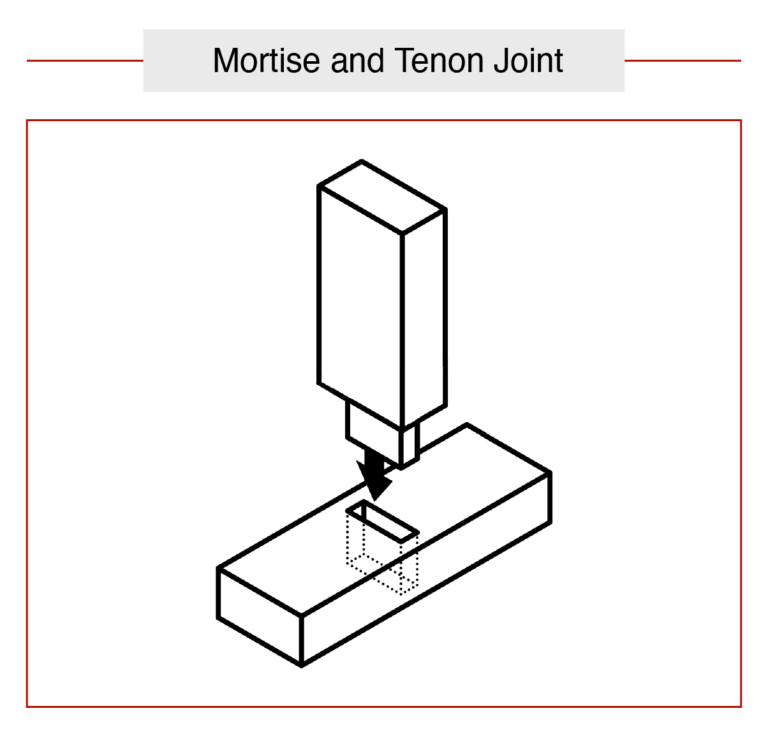
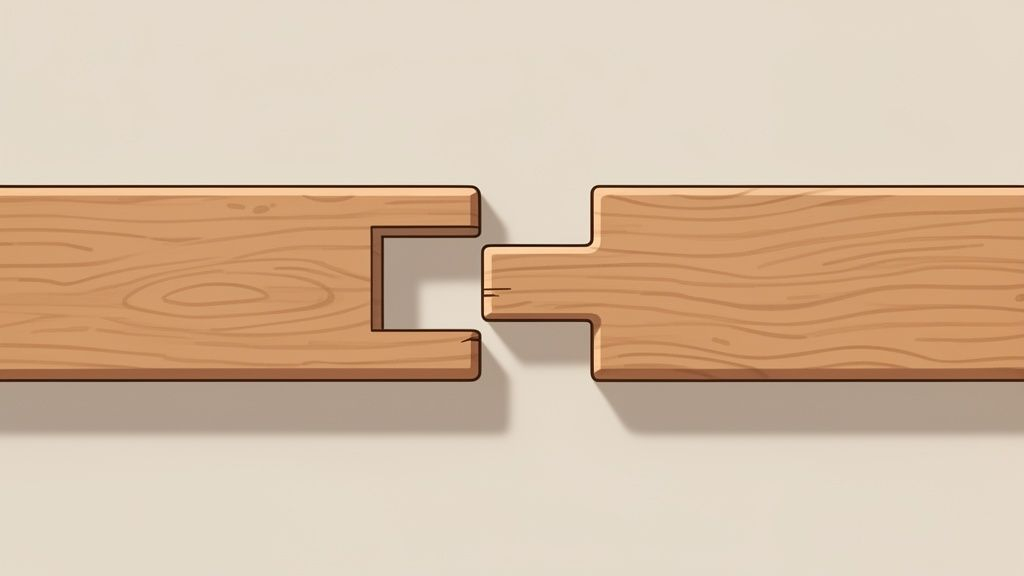
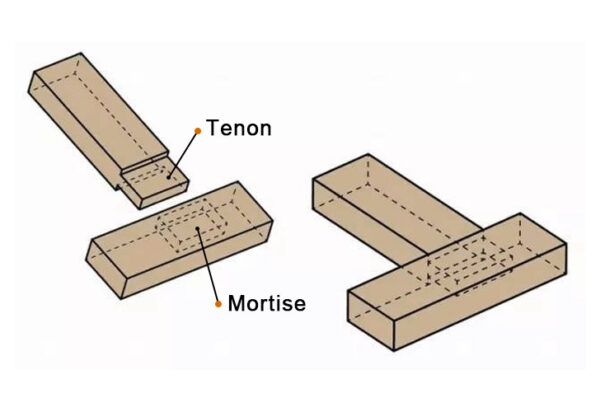
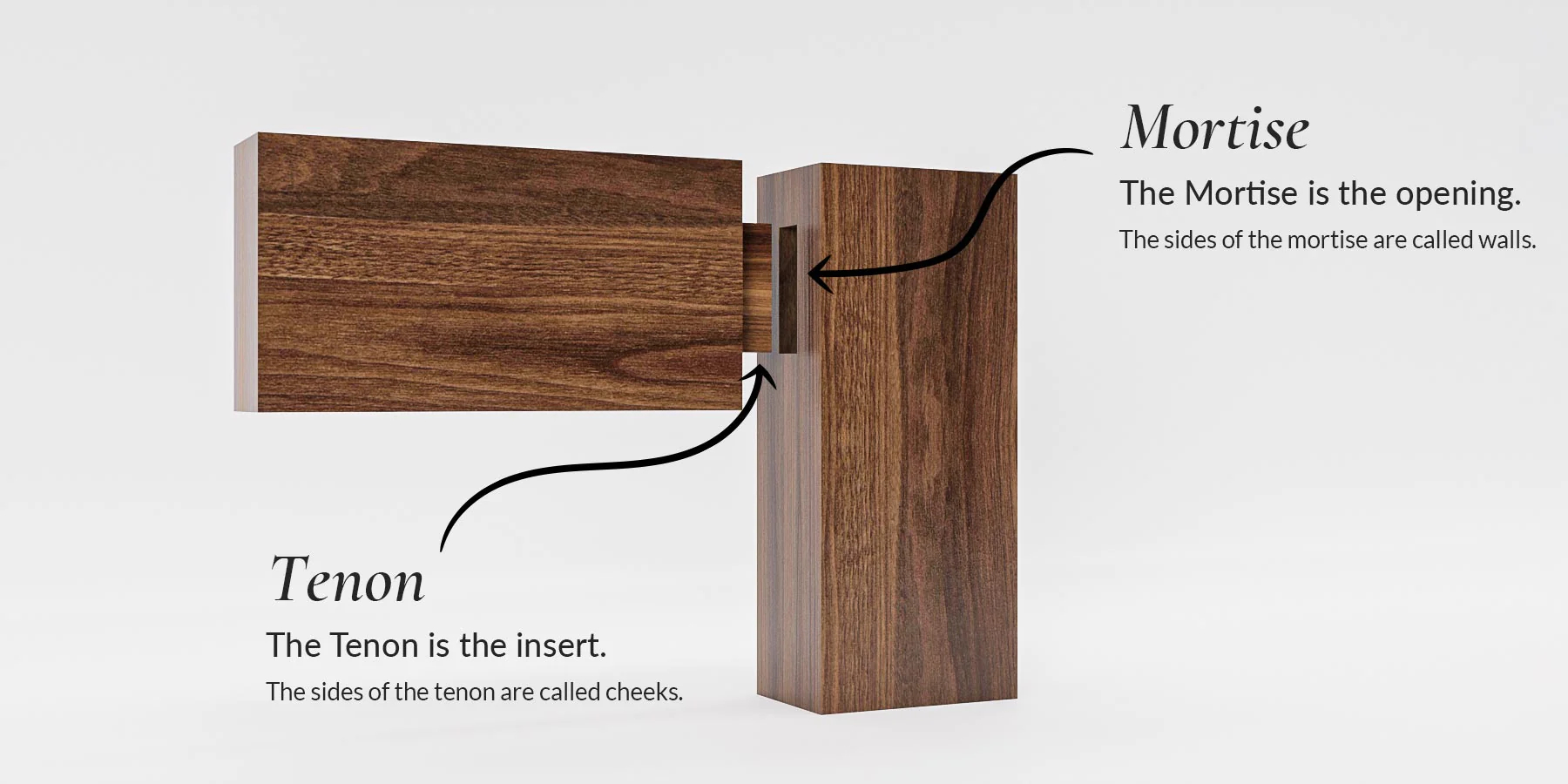
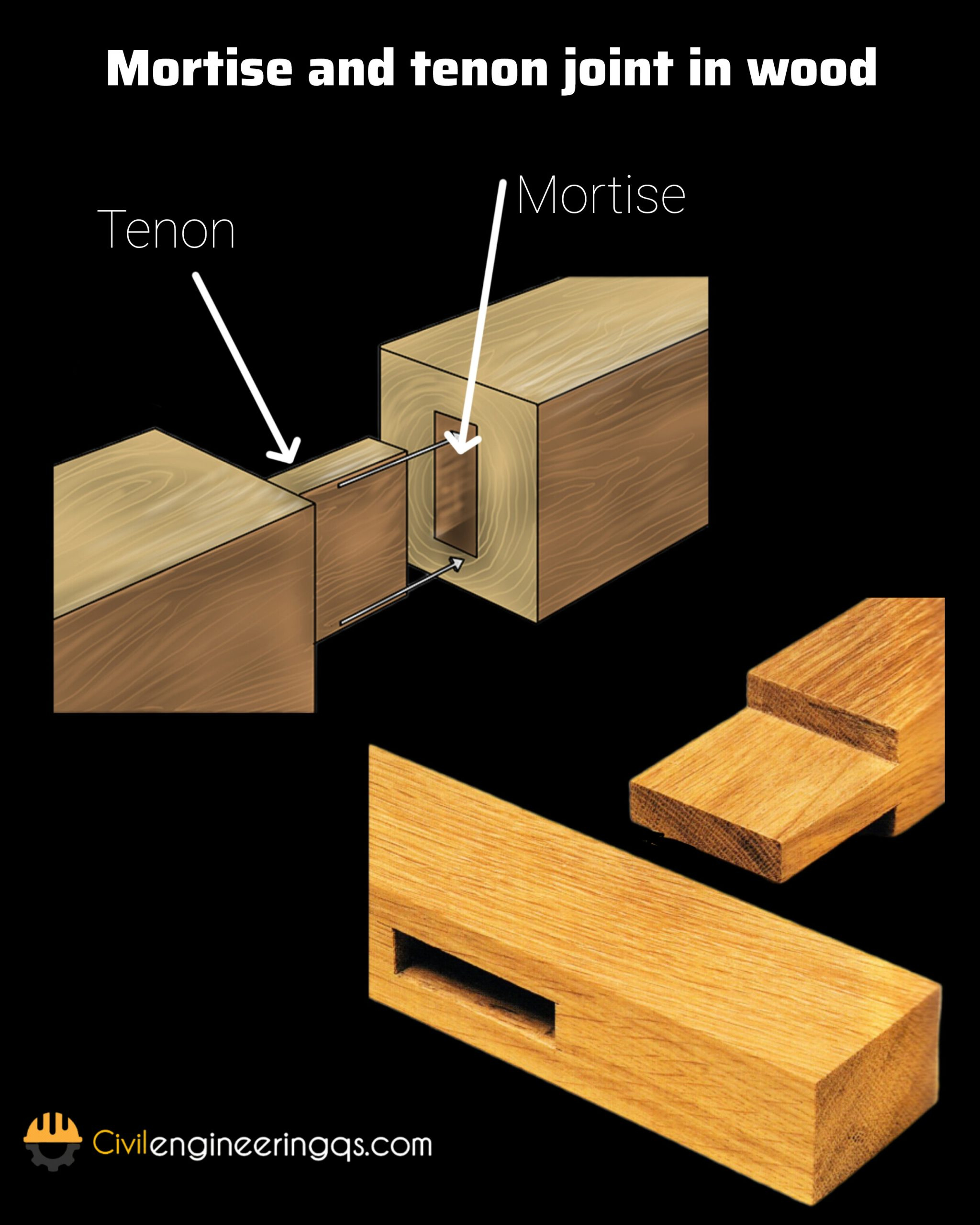
Heirloom furniture uses traditional joinery techniques that have stood the test of time. Take the mortise and tenon joint, for example. It’s a simple concept: a hole (mortise) is cut into one piece of wood, and a projecting tongue (tenon) on another piece fits into it. It’s like a handshake that never lets go. This joint relies on the mechanical interlocking of wood, not just adhesive. Even if the glue fails after a century, the joint still holds. Dovetail joints, often seen in drawers, work similarly. Those interlocking pins and tails resist being pulled apart, which is exactly what happens when you yank a drawer open in a hurry.
This hidden strength is why you’ll find chairs from the 1800s that are still sturdy enough to sit on. The craftsmen didn’t cut corners. They understood that the stress points needed reinforcement that couldn’t be seen. It’s a level of integrity that you literally cannot see until the piece is taken apart. And honestly? Most heirloom pieces are never taken apart because they simply don’t need to be. The structure is balanced. It moves with the wood, not against it.
Wood With a Memory: Choosing Materials for the Long Haul
Not all wood is created equal. In fact, most of the wood used in modern flat-pack furniture isn’t really wood at all—it’s sawdust and glue pressed into sheets. Heirloom pieces start with solid hardwoods. Species like oak, walnut, cherry, and maple are popular for good reason. They are dense. They are durable. But there’s more to it than just hardness. It’s about stability. Good craftsmen choose wood that has been properly dried and seasoned. This process removes moisture slowly, allowing the wood to acclimate.
Why does this matter? Because wood is alive. Well, it was. It breathes. It expands in the summer humidity and contracts in the winter dryness. If you build a table with wet wood or ignore this movement, the table will crack or warp within a few seasons. Heirloom builders respect this nature. They orient the grain in specific directions to counteract warping. They use frame-and-panel construction for large surfaces, like cabinet doors, which allows the center panel to float and move without splitting the frame. It’s engineering that works with nature, not against it.
Consider Koa wood, prized in Hawaiian furniture. It’s valued not just for its shimmering grain but for its strength and repairability. Or American Black Walnut, known for its rich color and workability. These woods age beautifully. They develop a patina—a soft sheen that comes from years of handling and light exposure. This character can’t be faked with a stain. It’s earned. When you choose solid wood, you’re choosing a material that can be sanded down and refinished multiple times over its life. A veneer piece? Once it’s scratched through, it’s done. Solid wood has second, third, and fourth lives built right into its fibers.
The Human Hand: Craftsmanship Over Assembly Lines
There is a distinct difference between something assembled and something crafted. Assembly lines are designed for speed. Every second counts. If a worker takes an extra minute to sand a edge smooth or check the alignment of a leg, the whole line slows down. Profit margins shrink. So, tolerances are loose. Gaps are filled with putty. Surfaces are sprayed with thick lacquer to hide imperfections. It’s efficient. But it’s soulless.
Heirloom furniture is built by artisans who view their work as a legacy. At places like Fox In The Sawdust or small Amish workshops, the focus is on the cut, the joint, and the decision-making process. Each piece is individual. The craftsman reads the wood. They notice a knot here and decide to place it where it won’t weaken the structure. They feel the resistance of the plane and adjust their angle. This attention to detail creates a balance in the frame that machines often miss. It’s not just about aesthetics; it’s about structural harmony.
This human touch also means accountability. When a maker signs their work, either literally with a brand or figuratively with their reputation, they stand behind it. They know that if a joint fails in ten years, it reflects on them. This pride drives a higher standard of care. It’s why you might find hand-chiseled details on the inside of a drawer bottom—places no one will ever see unless they’re looking for quality. It’s a signal. A whisper from the maker to the owner: "I cared about this." That care translates into durability. A piece built with pride is less likely to have hidden flaws that lead to early failure.
Designed to Be Repaired: The Anti-Disposable Mindset
Here’s an uncomfortable truth: the average sofa ends up in a landfill after just 7-10 years. It’s designed to fail. The foam breaks down. The frame cracks. The fabric wears thin. And because it’s constructed with stapled joints and glued composites, it’s nearly impossible to fix. You throw it away. You buy a new one. This cycle is expensive for your wallet and devastating for the planet. Heirloom furniture flips this script entirely. It is designed to be repaired.
Think about a solid wood dining table. If it gets a deep scratch, you can sand it out. If a leg becomes loose, you can inject new glue into the mortise and tenon joint and clamp it tight. If the finish wears off, you can strip it and apply a new coat of oil or wax. The components are accessible. The construction allows for disassembly and reassembly. This repairability is a key feature of heirloom quality. It acknowledges that things get worn. Life happens. Spills occur. Kids jump on beds.
This mindset shifts the value proposition. Yes, an heirloom piece costs more upfront. But over decades, it proves more economical. You aren’t buying a new table every fifteen years. You’re maintaining one table for fifty. The cost per year drops dramatically. Plus, there’s an emotional economy. Restoring a piece connects you to its history. Reupholstering a vintage chair with new fabric gives it a fresh personality while keeping its soul intact. It’s sustainable by design. In 2026, where sustainability is no longer a buzzword but a necessity, this built-in longevity is a radical act.
Spotting the Real Deal: What to Look For Today
So, how do you know if a piece is truly heirloom quality? You have to look past the shine. Start by checking the weight. Solid wood is heavy. If a dresser feels light as a feather, it’s likely particleboard or hollow-core construction. Next, look at the joints. Open a drawer. Do you see dovetails? Are they cut cleanly? Look underneath the table or chair. Are the legs attached with screws going into end-grain (a weak connection) or are they joined with aprons and stretchers using mortise and tenons?
Check the back and the inside. Cheap furniture often leaves the back raw or uses thin, flimsy plywood. Heirloom pieces usually have a finished back, sometimes with a solid wood panel set into a frame. Run your hand along the edges. Are they sharp and plastic-like? Or do they feel smooth and rounded? Hand-sanded edges feel different. Also, look for signs of wood movement. Small gaps in panel doors are actually a good sign—it means the builder allowed room for the wood to breathe. A perfectly tight panel door might crack when the humidity changes.
Don’t ignore the finish either. While a thick polyurethane coat can protect wood, it can also look plasticky. Hand-rubbed oils and waxes penetrate the wood and enhance the grain. They feel warm to the touch. And remember, brands don’t guarantee quality. A famous name can still outsource to factories using poor methods. Look for makers who transparency about their materials and methods. Ask questions. Where did the wood come from? How was it dried? What kind of joinery is used? A true craftsman will love answering these questions. It’s their passion.
Beyond the physics and the chemistry of wood, there’s the human element. Heirloom furniture carries stories. That dent in the armrest? That’s from when your grandfather dropped his pipe. The slight discoloration on the tabletop? That’s where the sun hit it every morning during breakfast for thirty years. These aren’t defects. They’re memories made physical. When you own a piece built to last, you become part of its timeline. You’re not just a consumer; you’re a custodian.
This connection changes how we treat our surroundings. In a world of temporary rentals and quick fixes, having something permanent grounds us. It reminds us of slower times. Of skill. Of patience. It encourages us to slow down and appreciate the craft. When you sit at a table that will outlive you, it puts your own life in perspective. It’s a humble reminder that we are passing through, but the things we make with care can remain. This emotional resonance is why people hold onto these pieces. They aren’t just objects. They’re anchors.
In 2026, as digital lives dominate our attention, physical objects with history offer a tangible link to reality. They demand presence. You notice the grain. You feel the weight. You hear the solid thud of a well-made drawer closing. These sensory experiences ground us. They remind us that quality matters. That effort matters. That some things are worth holding onto. The hidden strength of heirloom furniture isn’t just in the joints. It’s in the continuity it provides. It’s the promise that some things endure.
We often think of strength as something loud. Something obvious. But in furniture, true strength is quiet. It’s the absence of wobble. The lack of creak. The seamless fit of two pieces of wood joined by a skilled hand. It’s the knowledge that when you buy a piece, you’re likely the first of many owners. That’s a powerful thought. It shifts the purchase from a transaction to an investment in the future. So next time you’re looking for a piece, look deeper. Look past the finish. Look for the hidden skeleton. Look for the story waiting to be written. Because the best furniture isn’t just built for today. It’s built for forever.
[sps_html tag=”img” src=”https://cdn.northcarolinafinearchitecture.com/2026/05/14-different-types-of-wood-joints-and-their-uses-civil-engineering-qs-in-mortise-and-tenon.jpg” alt=”14 Different Types Of Wood Joints And Their Uses - Civil Engineering Qs in Mortise And Tenon” style=”width: 100%; height: auto;”]
[sps_html tag=”img” src=”https://cdn.northcarolinafinearchitecture.com/2026/05/woodworking-101-what-is-mortise-and-tenon-joinery-barron-designs-with-regard-to-mortise-and-tenon.jpg” alt=”Woodworking 101: What Is Mortise-And-Tenon Joinery? - Barron Designs with regard to Mortise And Tenon” style=”width: 100%; height: auto;”]
[sps_html tag=”img” src=”https://cdn.northcarolinafinearchitecture.com/2026/05/what-is-mortise-and-tenon-joint-construction-and-why-it-matters-within-why-the-mortise-and-tenon-joint-remains-the-gold-standard-in-2026-woodworking.jpg” alt=”What Is Mortise And Tenon Joint Construction And Why It Matters within Why the Mortise and Tenon Joint Remains the Gold Standard in 2026 Woodworking” style=”width: 100%; height: auto;”]
[sps_html tag=”img” src=”https://cdn.northcarolinafinearchitecture.com/2026/05/18-types-of-woodworking-joints-and-when-to-use-them-american-rotary-in-why-the-mortise-and-tenon-joint-remains-the-gold-standard-in-2026-woodworking.png” alt=”18 Types Of Woodworking Joints And When To Use Them - American Rotary in Why the Mortise and Tenon Joint Remains the Gold Standard in 2026 Woodworking” style=”width: 100%; height: auto;”]
[sps_html tag=”img” src=”https://cdn.northcarolinafinearchitecture.com/2026/05/a-complete-guide-to-making-mortise-and-tenon-joints-within-mortise-and-tenon.jpg” alt=”A Complete Guide To Making Mortise And Tenon Joints within Mortise And Tenon” style=”width: 100%; height: auto;”]