There is a specific kind of silence that falls over a workshop when a hand plane shaves a curl of oak off a rough beam. It’s not just quiet; it’s expectant. In a world that moves at the speed of a notification ping, there is something radically counter-cultural about slowing down enough to fit two pieces of wood together so perfectly that they hold each other up for centuries. No nails. No steel plates hidden behind drywall. Just wood, gravity, and geometry.
We often talk about sustainability in terms of solar panels or electric cars. But have you ever considered the sustainability of a building method that has survived since the Middle Ages? Heavy timber carpentry isn’t just about aesthetics, though the exposed beams certainly look stunning in a modern loft or a rustic cabin. It’s about honesty. The term "unfeigned" means genuine, without disguise. And that is exactly what this craft offers. It doesn’t pretend to be something it’s not. When you walk into a timber-framed home, you see the skeleton of the house. You see the work.
In 2026, as we grapple with the environmental impact of concrete and steel, more people are turning back to the forest. But this isn’t just a nostalgic look backward. It’s a forward-thinking choice. Companies like The Sweetgrass Joinery Co. have shown us that traditional heavy timber carpentry is a living tradition. It adapts. It breathes. It fits into our modern lives while keeping one foot firmly planted in the past. This article explores why this ancient craft is having such a profound moment right now, and why connecting with the material world through wood might be exactly what we need.
The Philosophy of the Unfeigned
What does it mean to be "unfeigned" in construction? In an era of veneers, laminates, and fake stone siding, authenticity is a rare commodity. Unfeigned heavy timber carpentry rejects the idea of hiding the structure. Instead, it celebrates it. The joints are visible. The grain of the wood is left exposed. If there is a knot in the timber, it stays there, telling the story of the tree’s life.
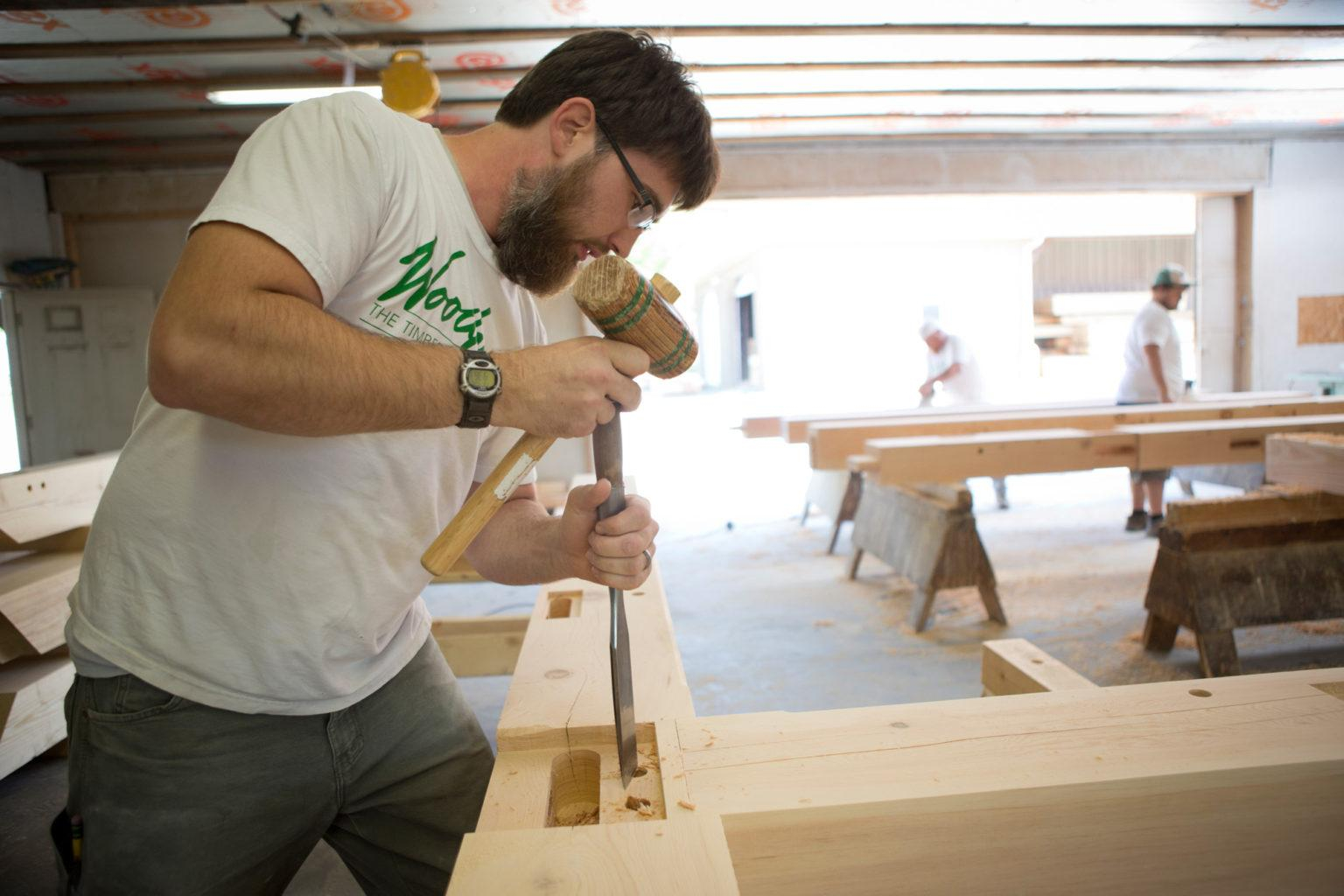
This philosophy goes deeper than just looks. It’s about integrity. When a carpenter cuts a mortise and tenon joint, they are making a promise. That joint must fit tightly. It must bear weight. There is no glue to save a sloppy cut, no screw to force a misalignment. The wood has to cooperate. This requires a level of skill and patience that is almost meditative. Practitioners often describe the process as a conversation with the material. You don’t force the wood; you listen to it.
The Sweetgrass Joinery Co. puts it simply: this craft is rooted deeply in the past, yet it remains uniquely adaptable to modern functionalism. This isn’t museum-piece carpentry. It’s practical. It’s useful. Whether it’s a small garden pavilion or a large community hall, the principle remains the same. The beauty comes from the function. The form follows the physics. And in a world full of disposable goods, there is a deep human desire for things that are built to last. We crave that connection to permanence.
The Anatomy of a Joint
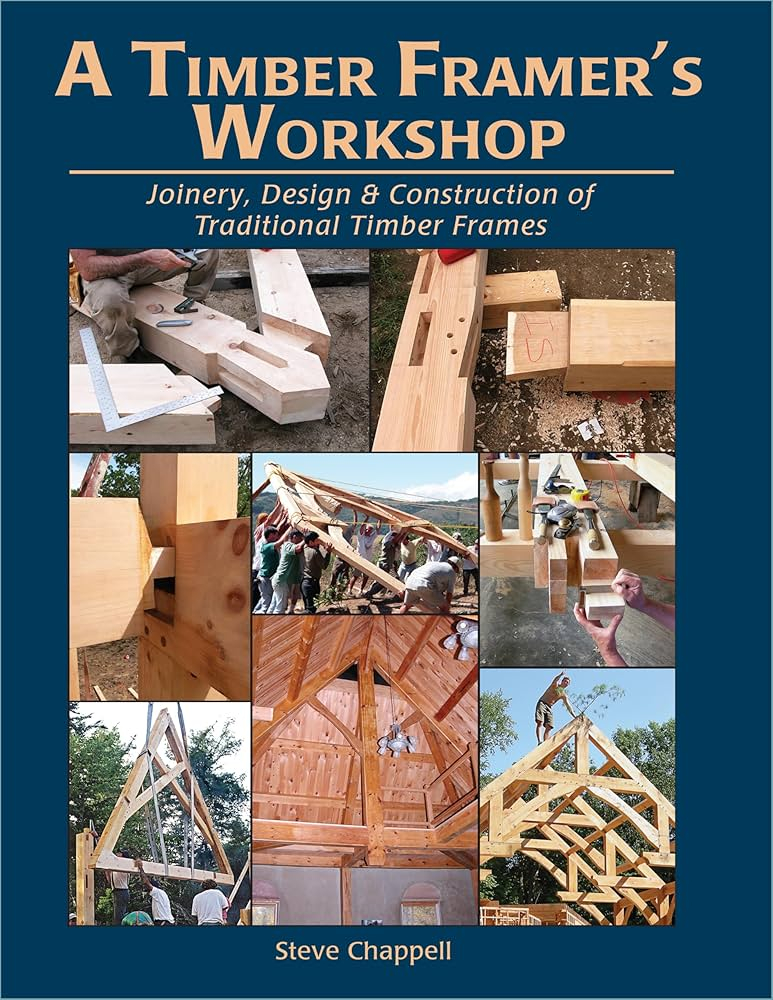
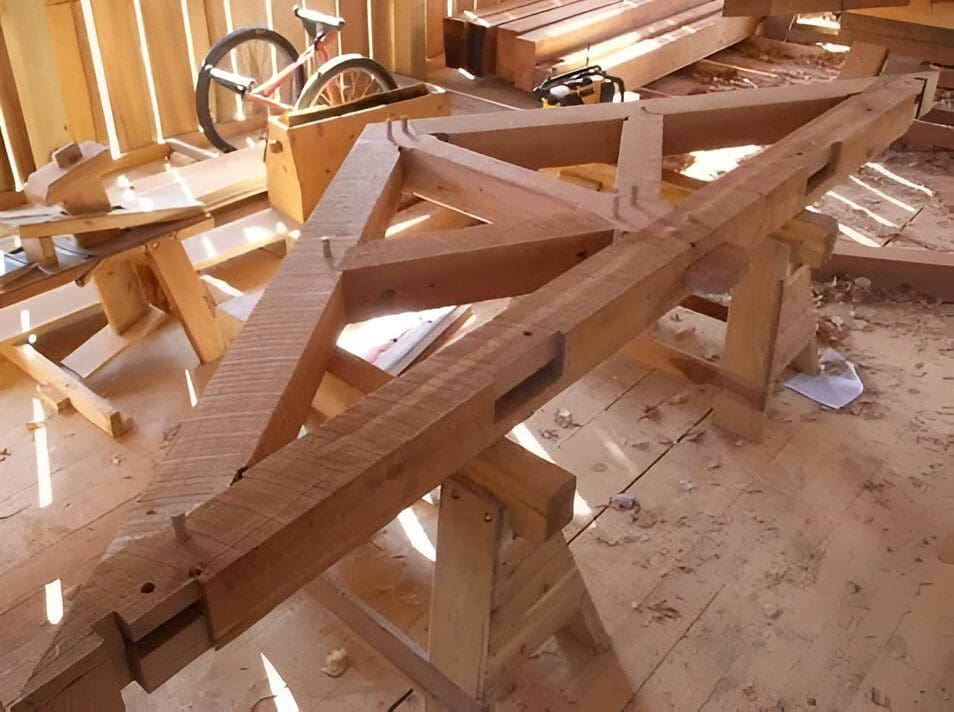
Let’s get technical for a minute, but keep it simple. At the heart of timber framing is the joint. Unlike standard stick framing, which uses lots of small pieces of lumber nailed together, heavy timber framing uses large, squared-off timbers. These are connected using complex joinery, secured by large wooden pegs. Think of it like a giant, three-dimensional puzzle.
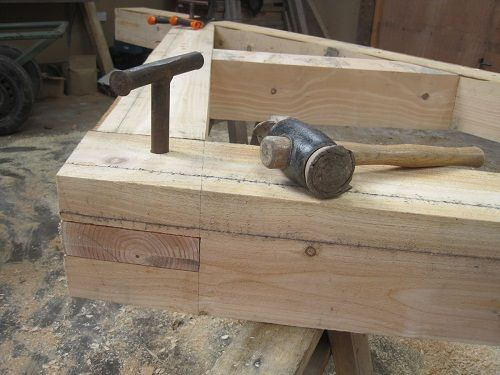
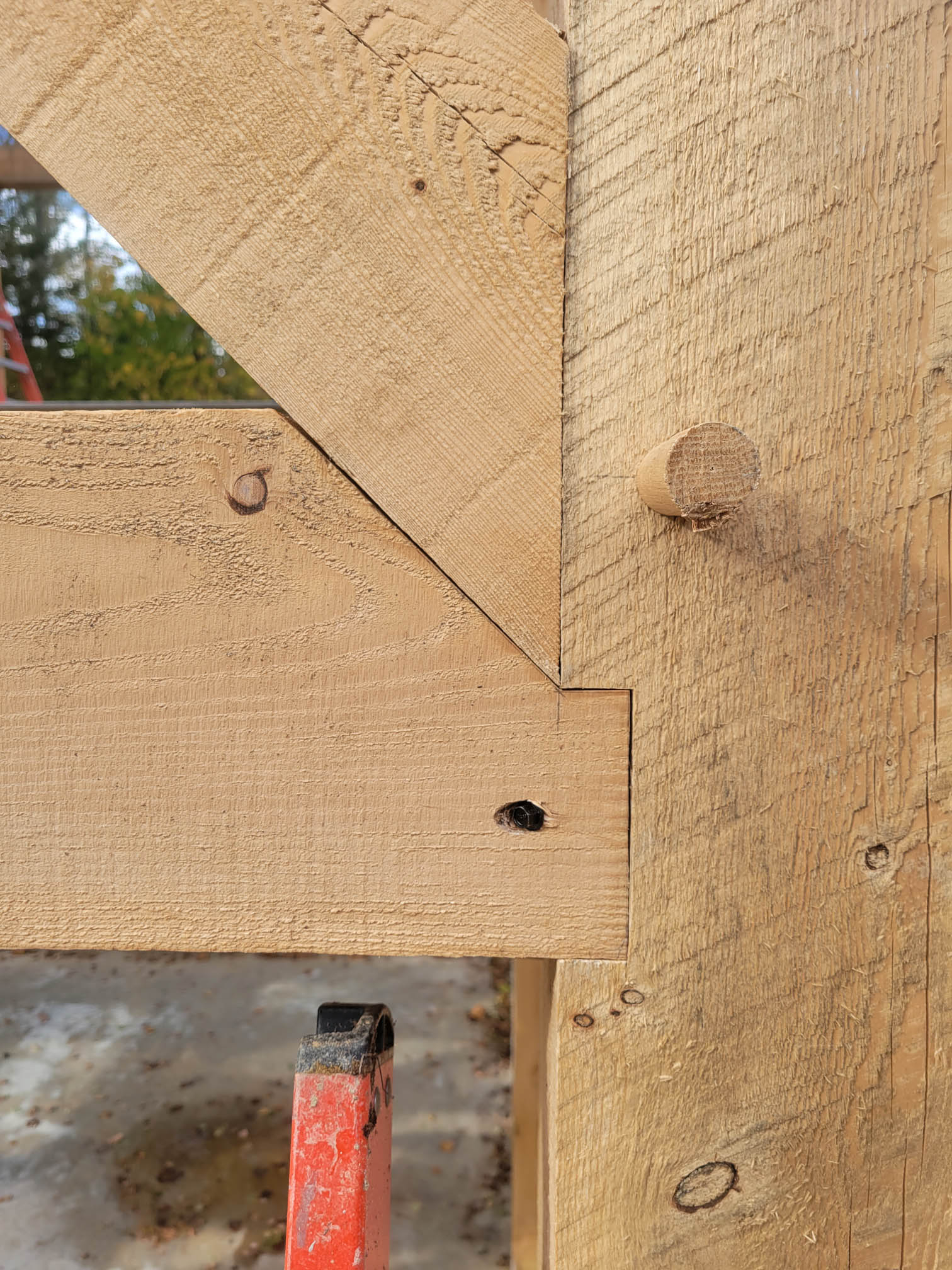
The most common joint is the mortise and tenon. One piece of wood has a hole (the mortise), and the other has a protruding tongue (the tenon). They slide together. Then, a hole is drilled through both, and a wooden peg is hammered in. This peg locks the joint. But here is the clever part: the wood moves. As seasons change, wood expands and contracts. Steel nails rust and loosen. Screws can back out. But wooden pegs move with the timber. The structure tightens over time. It settles into itself.
This method, known in German as Fachwerkbauweise, has been used for centuries across Europe and North America. It allows for open floor plans because the walls don’t need to bear the weight of the roof. The frame does that. This means you can have huge windows, open spaces, and flexible interiors. In 2024 and 2025, we saw a surge in projects using these methods to create magnificent spaces, from spa-like bathrooms with soaking tubs under exposed rafters to expansive great rooms. The structural possibilities are endless because the frame is strong enough to handle almost any design choice.
A Living Tradition in a Digital Age
It might seem contradictory that a craft relying on hand tools and ancient techniques is thriving in the age of AI and robotics. But that’s exactly why it’s popular. We are saturated with digital experiences. Our work is on screens. Our entertainment is streamed. Our connections are virtual. Heavy timber carpentry offers a tangible antidote. It is physical. It is real. You can smell the sawdust. You can feel the weight of the mallet.
Practitioners today aren’t just reenacting history. They are using modern technology to enhance the craft. CNC machines can cut precise joints, saving hours of labor. Computer modeling allows architects to visualize complex frames before a single tree is felled. But the assembly? That’s still done by hand. The raising of the frame—when the community comes together to lift the bents into place—is still a celebratory event. It’s a reminder that building is a communal act.
This blend of old and new makes the tradition "living." It evolves. Designers are experimenting with curved timbers, mixed materials, and unconventional shapes. They are pushing the boundaries of what wood can do. Yet, the core principle remains: respect the material. Use joinery that honors the wood’s natural strength. This adaptability ensures that timber framing doesn’t become a relic. It stays relevant. It solves modern problems, like the need for sustainable, carbon-sequestering building materials, with ancient wisdom.
The Sensory Experience of Wood
Why do we feel better in a room with exposed wood? Science has some answers, but so does intuition. Wood is a hygroscopic material, meaning it absorbs and releases moisture from the air. This helps regulate humidity in a home, creating a healthier indoor environment. But beyond the physics, there is the psychology of biophilia—our innate tendency to seek connections with nature.
Walking into a timber-framed space feels different. The acoustics are warmer. The light plays differently across the textured surfaces. There is a visual rhythm to the posts and beams that calms the eye. It’s organized chaos. Each beam has its own character. Some are straight and true; others twist slightly, showing the growth patterns of the tree. These imperfections are not flaws; they are features. They remind us that this material was once alive.
Consider the projects highlighted in recent years, where premier timber frame companies created spaces designed for relaxation. A bathtub under a vaulted ceiling of cedar. A reading nook framed by white oak. These aren’t just rooms; they are sanctuaries. The wood acts as a buffer against the stress of the outside world. It grounds us. In a high-tech world, the low-tech warmth of wood provides a necessary balance. It’s comforting. It’s familiar. It feels like a hug from the forest.
Sustainability and the Carbon Story
Let’s talk about the elephant in the room: climate change. Concrete and steel are major contributors to global carbon emissions. Producing cement alone accounts for a significant chunk of the world’s CO2 output. Wood, on the other hand, stores carbon. When a tree grows, it pulls carbon from the atmosphere and locks it into its fibers. When that tree becomes a beam in your house, that carbon stays there for the life of the building.
Heavy timber carpentry takes this a step further. Because the structures are so durable, they last for generations. A well-built timber frame can stand for hundreds of years. This longevity is the ultimate form of sustainability. We don’t need to rebuild every thirty years. We don’t generate the waste associated with demolition and reconstruction. The building becomes an heirloom, passed down through families.
Moreover, timber framing often uses local species. This reduces the transportation footprint. It supports local forestry and millwork industries. In 2026, as supply chains remain fragile, the ability to source materials regionally is a huge advantage. Builders are increasingly looking at standing dead timber, salvaged logs, and sustainably managed forests. This approach minimizes waste and maximizes resource efficiency. It’s a holistic view of building that considers the entire lifecycle of the structure, from the seedling to the scaffold.
You don’t have to be a master carpenter to appreciate this craft. In fact, one of the most beautiful aspects of the timber framing community is its accessibility. There are workshops all over the United States and Canada where beginners can learn to cut a simple joint. People come from all walks of life—software engineers, teachers, retirees—to spend a week swinging mallets and chisels.
These experiences are transformative. Participants often report a sense of accomplishment that is hard to find in their daily jobs. There is immediate feedback. If the joint fits, it fits. If it doesn’t, you fix it. It’s honest work. And for many, it sparks a lifelong passion. Some go on to build their own sheds, gazebos, or even homes. Others simply gain a deeper appreciation for the built environment. They start noticing the craftsmanship in older buildings. They understand the effort that goes into creating space.
This democratization of the craft ensures its survival. It’s not gatekept by elites. It’s shared. Online forums, social media groups, and local guilds connect enthusiasts. They share tips, troubleshoot problems, and celebrate successes. This network of knowledge is vital. It keeps the skills alive. It passes them from one generation to the next. And it creates a community of people who value slowness, quality, and authenticity. In a way, every person who learns to cut a mortise and tenon becomes a steward of this tradition.
As we look toward the future of housing and construction, the lessons from heavy timber carpentry are clear. We need buildings that are healthy, durable, and beautiful. We need methods that respect the environment and honor the materials. We need spaces that connect us to our humanity. Unfeigned heavy timber carpentry offers all of this and more. It’s not just a building technique; it’s a way of seeing the world.
So, the next time you see a timber-framed structure, take a moment. Look at the joints. Trace the grain of the wood. Imagine the hands that shaped it. Feel the stability of the frame. It’s a reminder that some things are worth doing slowly. Some things are worth doing right. And some things, like a well-fitted beam, will hold us up long after we’re gone. That’s the enduring appeal. That’s the promise of the wood.
[sps_html tag=”img” src=”https://cdn.northcarolinafinearchitecture.com/2026/05/draw-pegging-5-castle-ring-oak-timber-frame-joinery-timber-frame-for-timber-frame-joinery.jpg” alt=”Draw Pegging 5 Castle Ring Oak | Timber Frame Joinery, Timber Frame … for Timber Frame Joinery” style=”width: 100%; height: auto;”]
[sps_html tag=”img” src=”https://cdn.northcarolinafinearchitecture.com/2026/05/our-timber-frame-cnc-woodhouse-the-timber-frame-company-with-regard-to-timber-frame-joinery.jpg” alt=”Our Timber Frame Cnc - Woodhouse The Timber Frame Company with regard to Timber Frame Joinery” style=”width: 100%; height: auto;”]
[sps_html tag=”img” src=”https://cdn.northcarolinafinearchitecture.com/2026/05/timberjoinerytraditionalrafterpeakridge-timber-frame-joinery-for-from-cnc-precision-to-hand-pegging-the-evolution-of-timber-frame-joinery-today.jpg” alt=”Timberjoinerytraditionalrafterpeakridge Timber Frame Joinery for From CNC Precision to Hand Pegging the Evolution of Timber Frame Joinery Today” style=”width: 100%; height: auto;”]
[sps_html tag=”img” src=”https://cdn.northcarolinafinearchitecture.com/2026/05/timber-framing-joinery-kennebec-timber-framing-intended-for-timber-frame-joinery.jpg” alt=”Timber Framing Joinery - Kennebec Timber Framing intended for Timber Frame Joinery” style=”width: 100%; height: auto;”]
[sps_html tag=”img” src=”https://cdn.northcarolinafinearchitecture.com/2026/05/custom-timber-frame-homes-square-peg-timber-joinery-throughout-timber-frame-joinery.jpeg” alt=”Custom Timber Frame Homes - Square Peg Timber Joinery throughout Timber Frame Joinery” style=”width: 100%; height: auto;”]