You’ve probably walked under one without giving it a second thought. Maybe it was the sweeping white canopy at your local stadium, the shaded walkway at an airport terminal, or that striking, sail-like structure in a city park. It looks effortless. Almost magical. Like someone just threw a bedsheet over a few poles and called it architecture. But here’s the thing: if you actually tried that, the sheet would flap, sag, tear, or collapse in the first strong breeze.
What looks like simplicity is actually a high-wire act of physics, mathematics, and material science. These structures don’t just sit there; they fight back against gravity and wind using tension. Every curve, every seam, and every cable is calculated to keep the fabric taut, stable, and safe. It’s a world where a millimeter of error in the digital model can mean a disaster on the construction site. And as we move further into 2026, these designs are getting bolder, larger, and more complex, pushing the boundaries of what we think a building can be.
The Myth of the "Simple" Sheet
Let’s clear up a common misconception right away. Tensile fabric isn’t just cloth. If you touch a modern architectural membrane, it feels more like a heavy-duty tarp fused with plastic, or perhaps a stiff, rubberized canvas. That’s because it has to be. We aren’t talking about cotton or polyester here. We’re talking about coated fiberglass or PTFE (polytetrafluoroethylene), or maybe PVC-coated polyester. These materials are engineered to withstand decades of UV radiation, rain, snow loads, and wind pressures that would shred a normal tent in minutes.
The choice of membrane is critical. It’s not just about picking a color. As noted by industry experts, the membrane selection drives the entire design process. Why? Because different fabrics stretch differently. Some are stiff and hold their shape well but are hard to fold. Others are flexible and great for temporary setups but might sag over time. In 2026, sustainability is also a huge factor. Designers are looking for materials with lower embodied carbon, knowing that these lightweight structures already save on steel and concrete compared to traditional roofs. But the fabric itself needs to last 25 years or more. That’s a long time to be hanging in the wind, baking in the sun, and freezing in the winter.
And then there’s the weight—or lack thereof. These structures are defined by having a tiny mass relative to the load they carry. This sounds great, right? Less material, less cost. But it also means they are incredibly sensitive. A heavy concrete roof sits on its foundations and stays put through inertia. A tensile structure has no inertia to speak of. It relies entirely on being pulled tight. If the tension drops, the structure fails. It’s a constant state of controlled stress. You can’t just eyeball it. You have to engineer it down to the Newton.
Dancing with Physics: The Art of Form-Finding
Here is where things get really interesting, and frankly, a bit mind-bending. In traditional architecture, you draw a shape, and then you figure out how to build it. You want a flat roof? You put beams under it. You want a dome? You stack bricks. But with tensile fabric, you can’t just draw a shape. Fabric doesn’t have a fixed shape until you pull it. So, how do you know what it will look like before you build it?
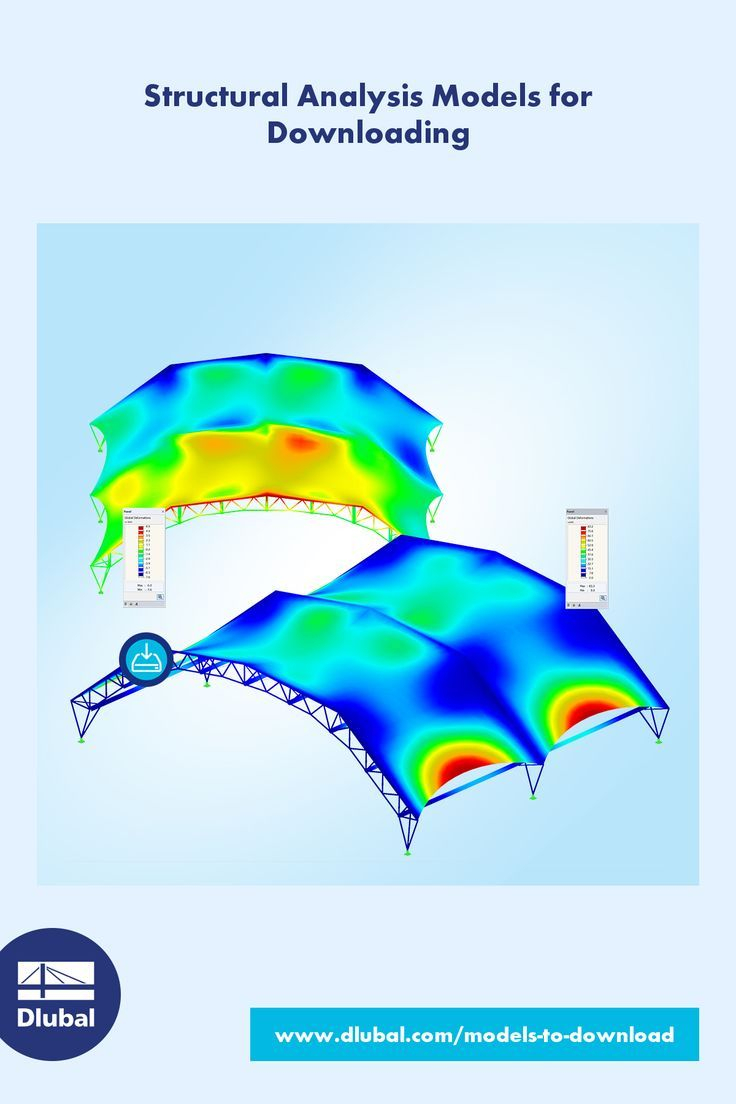
Enter "form-finding." This is the secret sauce of tensile design. It’s a computational process where engineers use specialized software to simulate how the fabric will behave under tension. They input the boundary points (where the cables attach), the amount of pre-stress (how tight it needs to be), and the material properties. The computer then iterates thousands of times, adjusting the geometry until it finds a shape that is in perfect equilibrium. This is called a "minimal surface" or an "anticlastic" shape, where the curves go in opposite directions, like a saddle.
This step is computationally challenging. It’s not just drawing; it’s solving complex differential equations. If the form-finding is off, the fabric won’t tension evenly. You’ll get wrinkles. Wrinkles are bad. They collect water, they flap in the wind, and they look terrible. Worse, they create weak spots where the material can tear. So, architects and engineers spend weeks, sometimes months, tweaking the digital model. They are essentially sculpting with math. It’s a collaboration between the aesthetic vision of the architect and the rigid laws of physics enforced by the engineer. Neither can win without the other.
The Pattern Maker’s Dilemma
Once you have the perfect 3D digital shape, you might think you’re ready to cut the fabric. Not so fast. Here’s the catch: you can’t buy fabric in 3D shapes. It comes in rolls. Flat sheets. So, you have to flatten that complex, curved, double-curved 3D surface into 2D patterns that can be cut from a roll. This process is called "patterning," and it is arguably the most difficult part of the entire workflow.
Imagine trying to peel the skin off an orange and lay it flat on a table without tearing it. You can’t. The orange peel is curved in two directions. To flatten it, you have to cut it into segments. The same goes for tensile structures. The software slices the 3D model into strips or panels. But when you flatten those panels, the geometry distorts. The software has to compensate for this distortion, stretching and shrinking the 2D pattern so that when it’s sewn back together and tensioned, it pops back into the correct 3D shape.
If the patterning is wrong, the seams won’t line up. Or worse, the tension will be uneven across the panels. Some parts might be too loose, others too tight. This requires a deep understanding of how the specific fabric behaves. Does it stretch more in one direction than the other? Most architectural fabrics are anisotropic, meaning their strength and elasticity vary depending on the direction of the weave. Ignoring this leads to disaster. The pattern maker is basically a translator, converting the language of 3D physics into the language of 2D manufacturing. And in 2026, with tools getting more advanced, we’re seeing more complex, organic shapes that push this translation to its absolute limit.
Anchoring the Wind: Connections and Details
You can have the perfect fabric and the perfect shape, but if the connections fail, the whole thing comes down. And I mean literally. Tensile structures are all about transferring huge forces from the flexible membrane into the rigid supports—masts, cables, and foundations. These connection points are the high-stress zones. They are where the magic happens, and also where things usually break if not designed correctly.
Think about a corner of the fabric. All the tension from the surrounding area converges on that one point. It’s like a tug-of-war where everyone is pulling on a single ring. The hardware there—clamps, plates, shackles—needs to be robust. But it also needs to be detailed carefully to avoid damaging the fabric. You can’t just bolt through the membrane; the holes would tear. So, engineers use specialized clamping systems that distribute the load over a wider area. They use edge cables sewn into pockets along the fabric perimeter to spread the tension.
And let’s talk about movement. These structures aren’t static. They breathe. They expand in the heat and contract in the cold. They sway in the wind. The connections need to allow for some of this movement without losing tension or causing fatigue. A rigid connection might snap. A too-loose connection might let the fabric flap itself to death. It’s a balancing act. Recent advancements in stainless steel fittings and corrosion-resistant coatings have helped, but the design of these nodes remains a craft. It’s often where the most experienced engineers focus their attention, knowing that a small detail here can save or sink the project.
Sustainability and the Long Game
Why go through all this trouble? Why not just build a steel roof? Well, aside from the stunning aesthetics, there’s the environmental angle. Tensile structures are inherently sustainable. They use a fraction of the material required for conventional buildings. Less steel, less concrete, less foundation work. This means a much lower carbon footprint during construction. In an era where every ton of CO2 counts, this is a massive advantage.
But sustainability isn’t just about building it; it’s about keeping it running. Modern membranes are designed to last 25 to 30 years. Some PTFE fabrics can last even longer. They are self-cleaning, thanks to their non-stick surfaces. Rain washes away dirt, reducing maintenance costs. And at the end of their life, recycling options are improving. While historically, coated fabrics were hard to recycle, new technologies in 2026 are making it easier to separate the coating from the base fabric, allowing for better material recovery.
Plus, these structures are versatile. They can be demountable and relocatable. Imagine a pavilion used for a World Expo that can be taken down, moved, and reassembled elsewhere. That’s circular economy in action. They provide shade and shelter without the permanent environmental impact of a solid building. For large expansive areas like stadiums or transport hubs, they offer a way to cover huge spans with minimal visual bulk. They let light in, creating bright, airy spaces that feel connected to the outdoors, rather than sealed off in a dark box.
Despite all the computers, algorithms, and high-tech materials, tensile structure design is still deeply human. It requires intuition. An engineer can run the numbers, but an experienced designer knows how the light will hit the curves at sunset. They know how the fabric will sound in the rain (a gentle drumming, if done right, or a terrifying roar if done wrong). They understand the feeling of space that these structures create.
There’s a craftsmanship involved too. The sewing of the panels, the installation of the cables, the tensioning process on site—it’s all skilled labor. Workers on the ground have to tighten the cables in a specific sequence to ensure the fabric tensions evenly. If they rush it, or do it out of order, they can distort the shape permanently. It’s a physical performance that mirrors the digital precision of the design phase.
And let’s not forget the joy these structures bring. They create landmarks. They define public spaces. People gather under them. They provide shelter from the sun and rain, making outdoor spaces usable year-round. There’s a sense of wonder in looking up at a vast, white expanse that seems to float above you, defying gravity. It connects us to the history of tents and shelters, but with a modern, technological twist. It reminds us that engineering can be beautiful, and that beauty can be functional.
So, the next time you walk under one of these soaring fabric roofs, take a second to look up. Notice the curves. Think about the tension holding it all together. Appreciate the invisible dance of forces that keeps it safe and stable. It’s not just a roof. It’s a testament to human ingenuity, a blend of art and science that turns something as simple as fabric into something extraordinary. It’s complex, yes. But it’s also wonderfully, beautifully light.
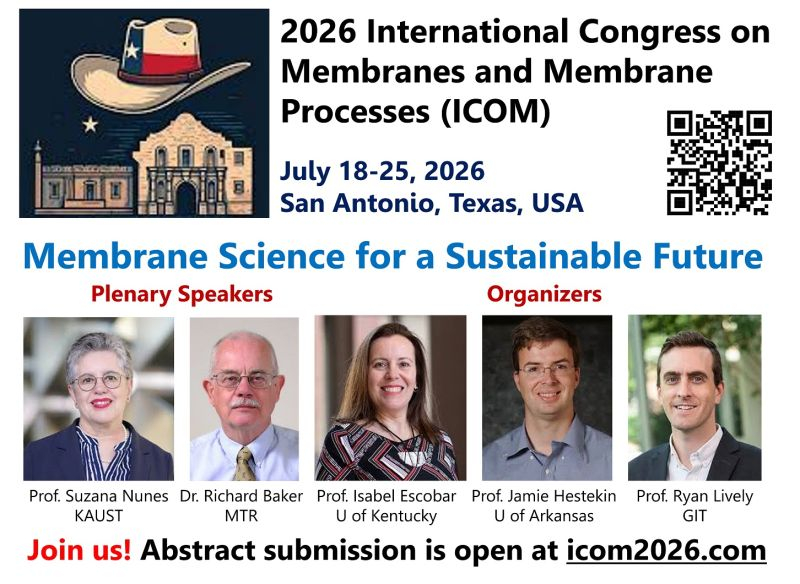
[sps_html tag=”img” src=”https://cdn.northcarolinafinearchitecture.com/2026/06/join-us-for-2026-international-congress-on-membranes-and-membrane-regarding-how-experience-still-drives-membrane-structure-analysis-in-2026.jpg” alt=”Join Us For 2026 International Congress On Membranes And Membrane … regarding How Experience Still Drives Membrane Structure Analysis in 2026″ style=”width: 100%; height: auto;”]
[sps_html tag=”img” src=”https://cdn.northcarolinafinearchitecture.com/2026/06/cesspool-membrane-structures-analysis-2026-and-forecasts-2034-for-how-experience-still-drives-membrane-structure-analysis-in-2026.png” alt=”Cesspool Membrane Structures Analysis 2026 And Forecasts 2034 … for How Experience Still Drives Membrane Structure Analysis in 2026″ style=”width: 100%; height: auto;”]
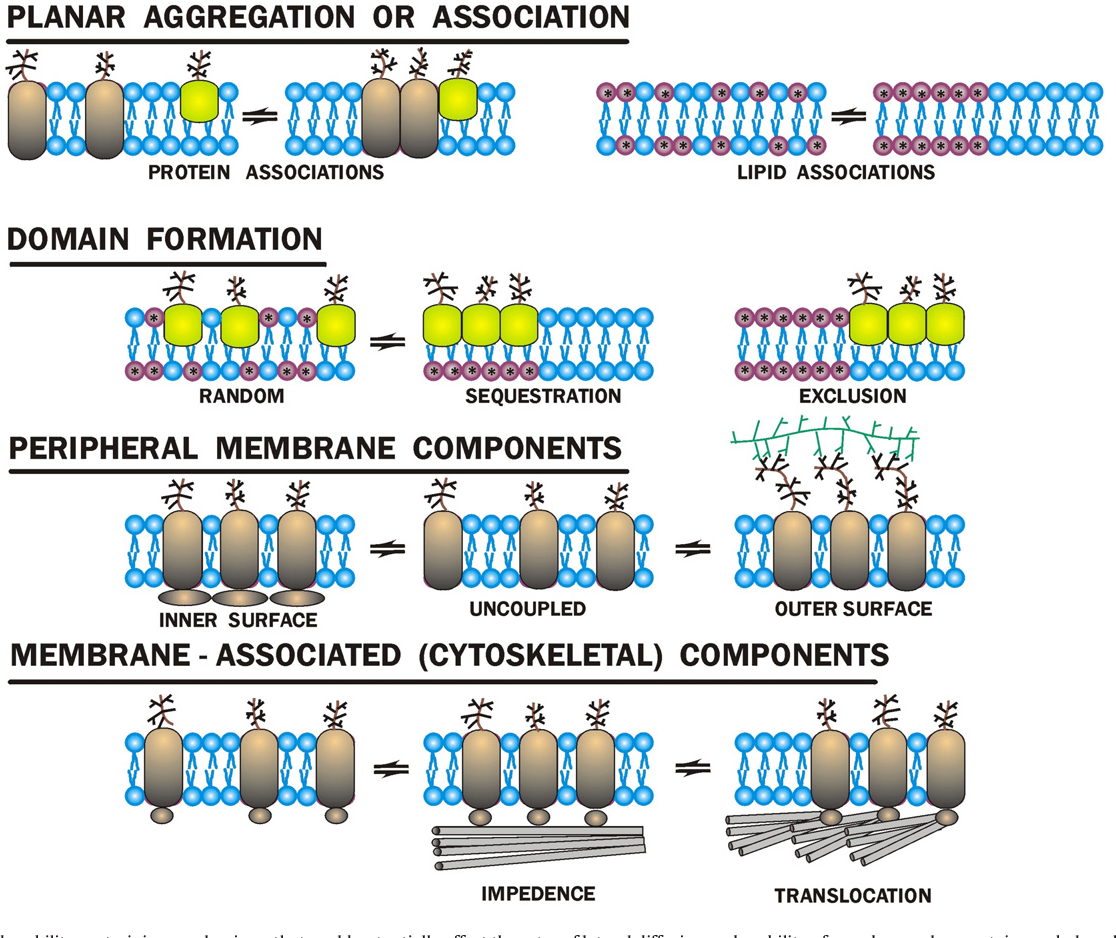
[sps_html tag=”img” src=”https://cdn.northcarolinafinearchitecture.com/2026/06/figure-1-from-the-fluid-mosaic-model-of-membrane-structure-still-for-membrane-structure-design.png” alt=”Figure 1 From The Fluid-Mosaic Model Of Membrane Structure: Still … for Membrane Structure Design” style=”width: 100%; height: auto;”]
[sps_html tag=”img” src=”https://cdn.northcarolinafinearchitecture.com/2026/06/steel-membrane-structure-000032-membrane-structure-structural-in-how-experience-still-drives-membrane-structure-analysis-in-2026.jpg” alt=”Steel Membrane Structure | 000032 | Membrane Structure, Structural … in How Experience Still Drives Membrane Structure Analysis in 2026″ style=”width: 100%; height: auto;”]
[sps_html tag=”img” src=”https://cdn.northcarolinafinearchitecture.com/2026/06/membrane-transport-2023-recent-research-into-ion-channels-within-how-experience-still-drives-membrane-structure-analysis-in-2026.jpg” alt=”Membrane Transport 2023: Recent Research Into Ion Channels … within How Experience Still Drives Membrane Structure Analysis in 2026″ style=”width: 100%; height: auto;”]