The ground feels different these days. Maybe it’s the way the rain hits harder, or how the heat lingers long after sunset. We’re all feeling it. Our homes, those sanctuaries we retreat to at the end of the day, are being tested in ways they weren’t built for. It’s not just about aesthetics anymore. It’s about survival. Comfort. Peace of mind.
In 2026, the conversation around housing has shifted. It’s no longer just about square footage or granite countertops. People are asking tougher questions. Will this roof hold up in a storm? Can I keep the lights on if the grid goes down? Is this space flexible enough for my aging parents, or my growing kids? These aren’t hypotheticals. They’re real concerns for real people. And the good news? You don’t need a fortune to make your home ready for whatever comes next.
The Foundation of Resilience: Site and Structure
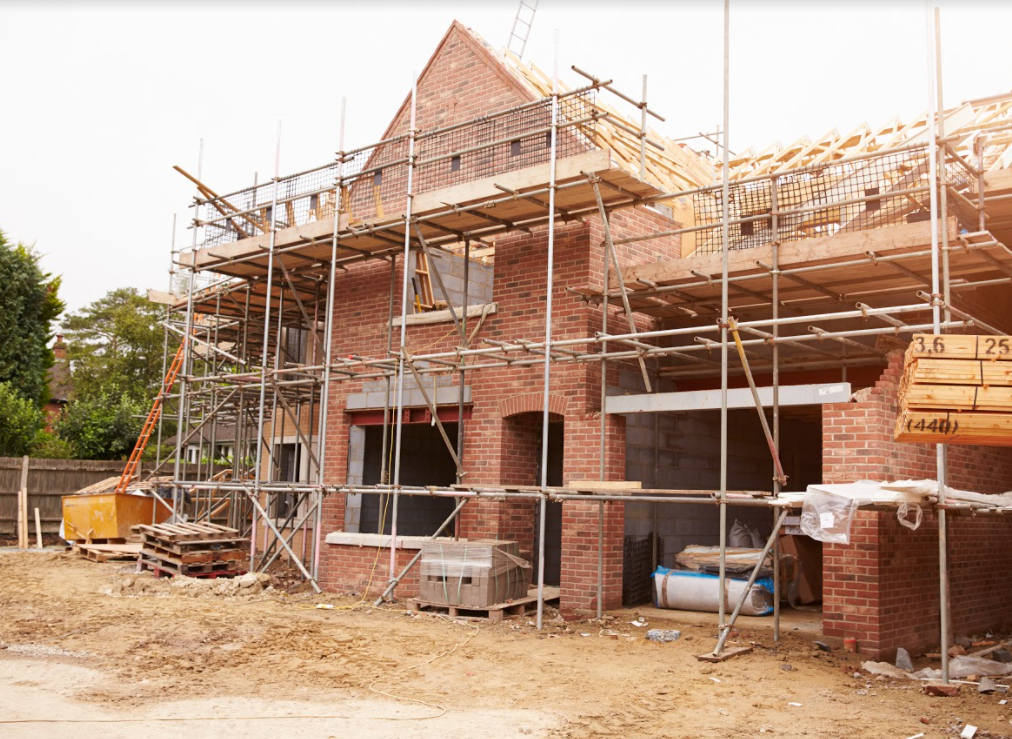
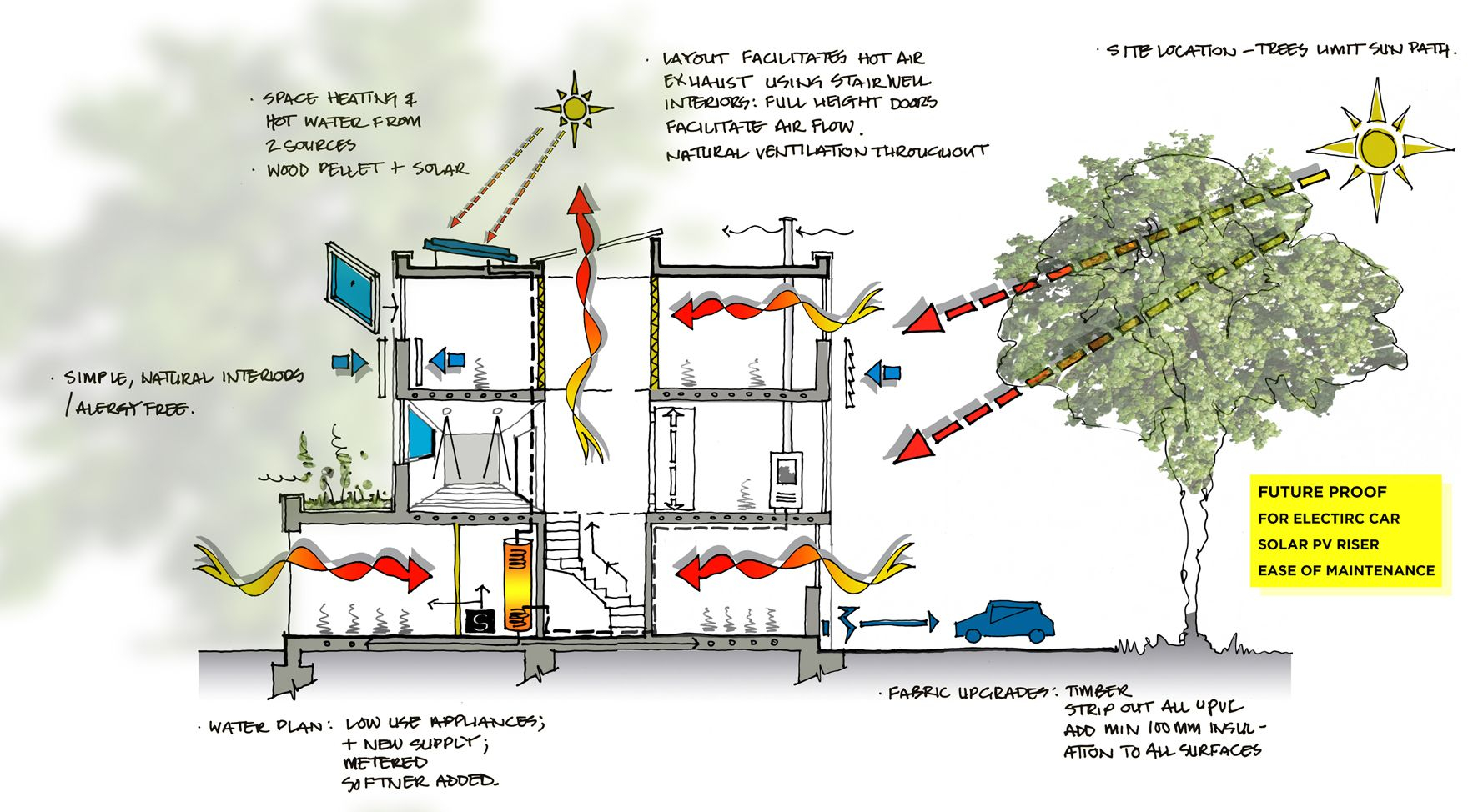
It starts before you even lay a brick. Where you build matters just as much as how you build. In recent years, experts have emphasized site selection as the first line of defense. Avoiding flood plains is obvious, but what about wind patterns? Sun exposure? A well-oriented home can harness natural light and heat, reducing energy needs and increasing comfort. It’s passive resilience. Free energy, basically.
Then there’s the structure itself. Durability isn’t just about using stronger materials; it’s about using the right materials for your specific environment. In coastal areas, that means corrosion-resistant fasteners and elevated foundations. In fire-prone regions, it’s about non-combustible siding and defensible space around the property. These aren’t new ideas, but they’re often overlooked in the rush to finish a project. Taking the time to get this right pays off for decades.
Think of your home’s envelope—the walls, roof, and foundation—as its skin. If it’s compromised, everything inside suffers. High-quality insulation and air sealing do more than just lower bills. They create a buffer against extreme temperatures and moisture intrusion. This is crucial for preventing mold and structural decay, which are silent killers of home longevity. A tight envelope also means your heating and cooling systems don’t have to work as hard, making them last longer too.
Water Management: The Unsung Hero
Water is life, but it’s also one of the biggest threats to a home. Managing it effectively is perhaps the most critical aspect of resilient design. This goes beyond just fixing leaks. It’s about directing water away from your foundation and managing runoff during heavy storms. Simple things like properly sized gutters, downspout extensions, and graded landscaping can prevent massive headaches down the road.
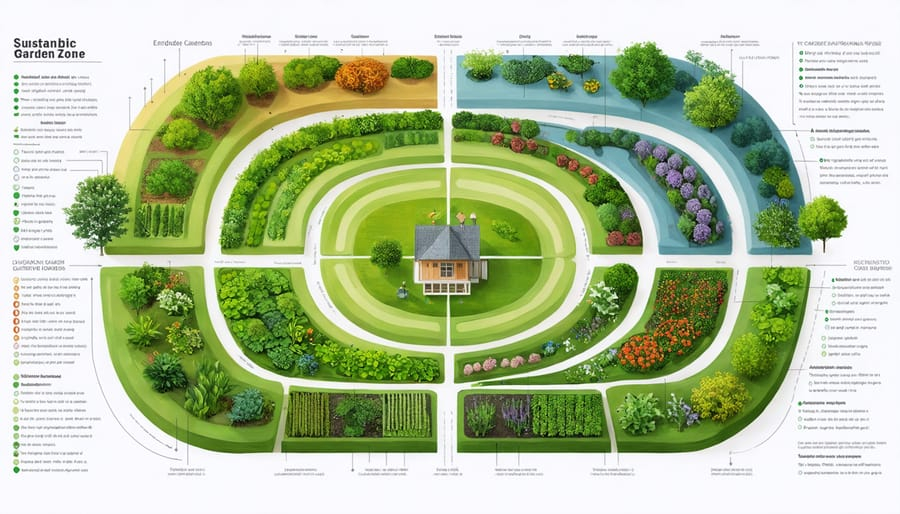
Flooding is becoming more common, even in areas previously considered safe. Retrofitting existing homes with flood vents or raising electrical systems can be a game-changer. For new builds, incorporating permeable paving and rain gardens helps absorb excess water, reducing strain on municipal systems and lowering flood risk on your own property. It’s working with nature, not against it.
Inside the home, choosing water-resistant materials in key areas like bathrooms and kitchens adds another layer of protection. Think tile instead of carpet in basements, or waterproof subflooring. These small choices add up. They mean that if a pipe bursts or a window leaks, the damage is contained and easier to repair. It’s about minimizing vulnerability. Because let’s face it, stuff happens. Being prepared makes the recovery so much less stressful.
Energy Independence and Power Security
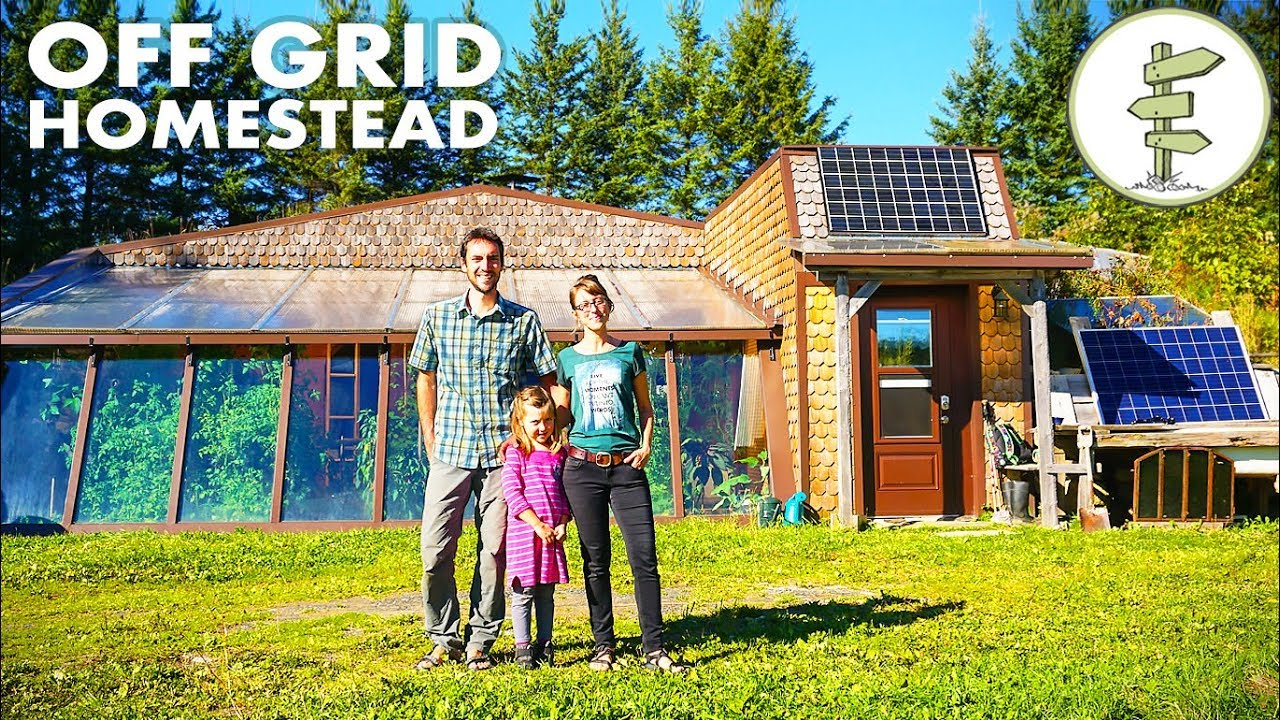
The power grid is fragile. We’ve seen it time and again. Storms knock out lines, heatwaves overload systems, and cyber threats loom large. Relying solely on the grid is a risk many homeowners are no longer willing to take. That’s where energy independence comes in. Solar panels paired with battery storage are becoming more affordable and accessible. They provide backup power during outages and can significantly reduce monthly bills.
But you don’t need a full solar array to start. Even a small standby generator or a portable power station can keep essential appliances running. Refrigerators, medical devices, communication tools—these are lifelines. Designing your home with dedicated circuits for critical loads ensures that when the power goes out, you’re not left in the dark. Literally.
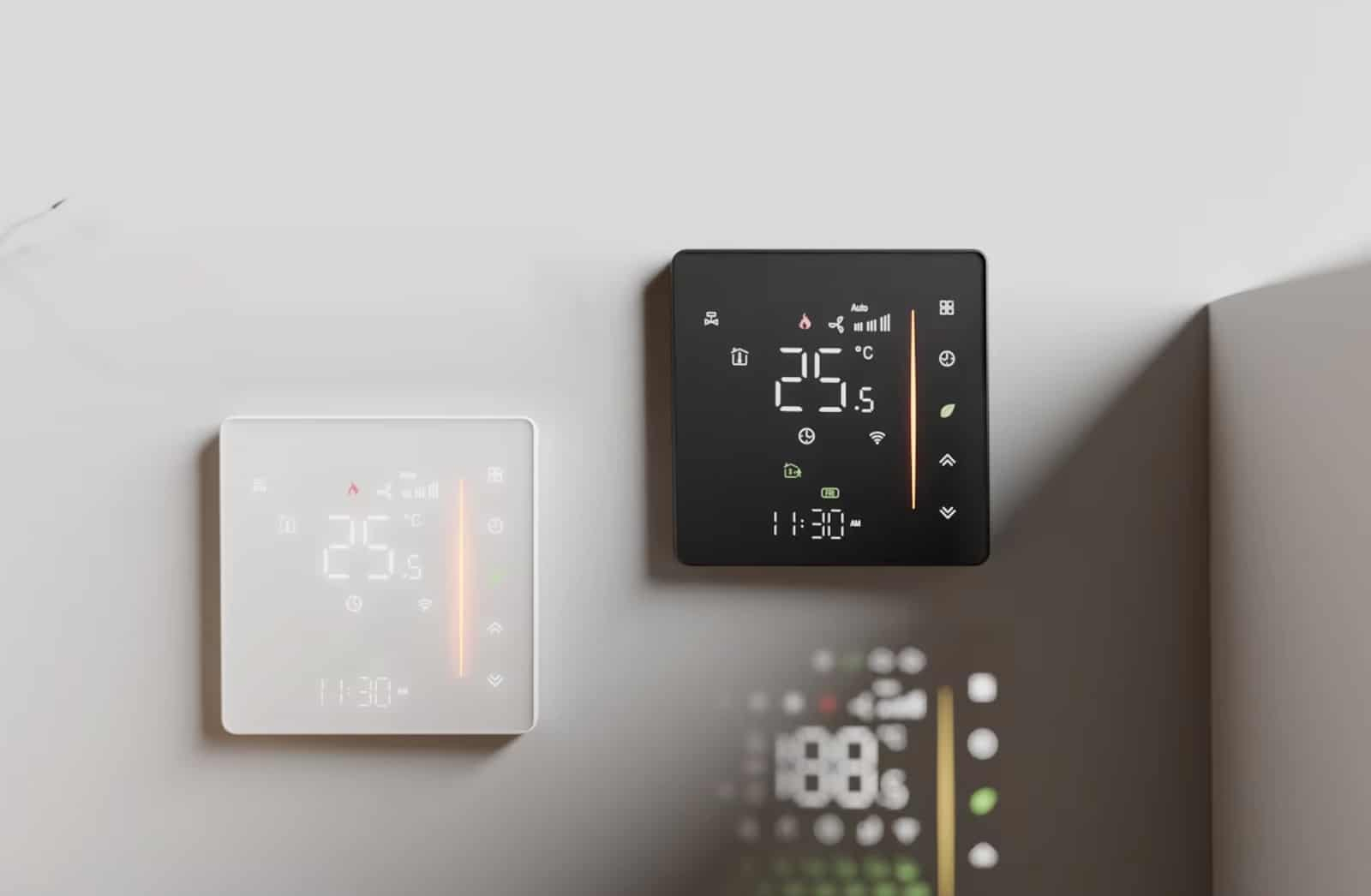
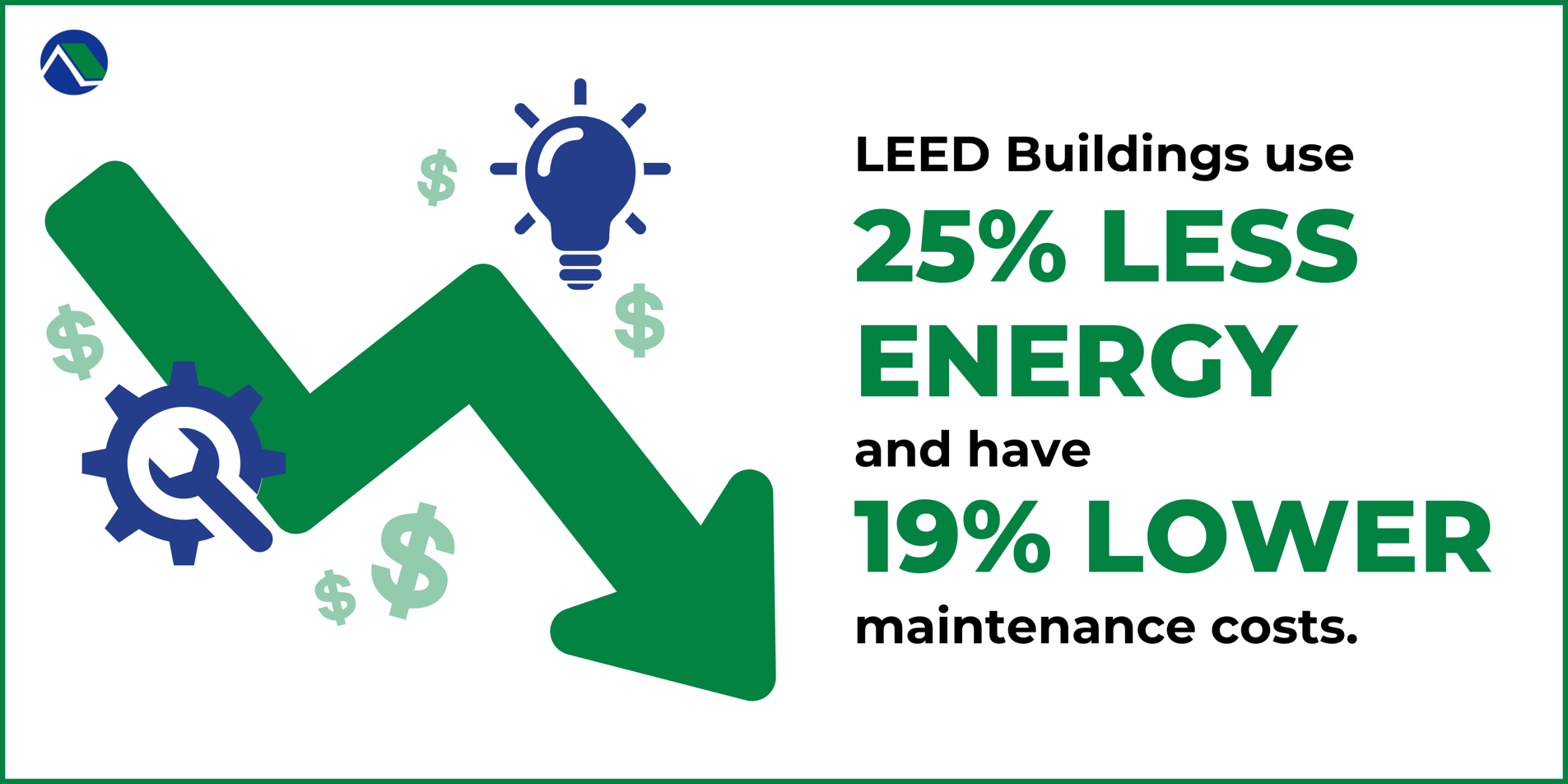
Energy efficiency is the other side of the coin. The less energy you use, the easier it is to power your home with renewable sources. LED lighting, high-efficiency appliances, and smart thermostats all contribute to a lower energy load. It’s a holistic approach. By reducing demand and increasing supply from local sources, you create a home that’s not just sustainable, but truly resilient. It’s about taking control.
Flexible Spaces for Changing Lives
Life changes. Fast. Kids grow up, parents age, work habits shift. A home that’s rigid can become a burden. Future-proofing means designing spaces that can adapt. Open floor plans are popular, but true flexibility is about more than just knocking down walls. It’s about creating rooms that can serve multiple purposes. A guest bedroom that doubles as an office. A playroom that can easily convert into a gym.
Accessibility is a huge part of this. Installing wider doorways and zero-threshold showers might seem unnecessary now, but they make a world of difference later. Single-floor living options, or at least the potential for them, ensure that your home can accommodate mobility challenges without major renovations. It’s about aging in place with dignity and ease.
Modular design elements can also enhance flexibility. Movable partitions, adjustable shelving, and multi-functional furniture allow you to reconfigure spaces as needed. This adaptability saves money in the long run by avoiding costly expansions or remodels. It also reduces waste. Why build a new room when you can repurpose an existing one? It’s smarter. And frankly, it’s more interesting.
Healthy Interiors and Psychological Comfort
A resilient home isn’t just physically strong; it’s mentally soothing. The quality of your indoor environment has a profound impact on your well-being. Natural light is a powerful mood booster. Large windows and skylights can transform a space, making it feel larger and more connected to the outdoors. But it’s important to balance light with heat gain, so proper shading and glazing are key.
Air quality is another critical factor. Good ventilation systems, like HRVs or ERVs, bring in fresh air while filtering out pollutants and allergens. This is especially important in tightly sealed, energy-efficient homes. Choosing low-VOC paints, adhesives, and finishes further reduces indoor pollution. It’s about creating a sanctuary that supports health, not undermines it.
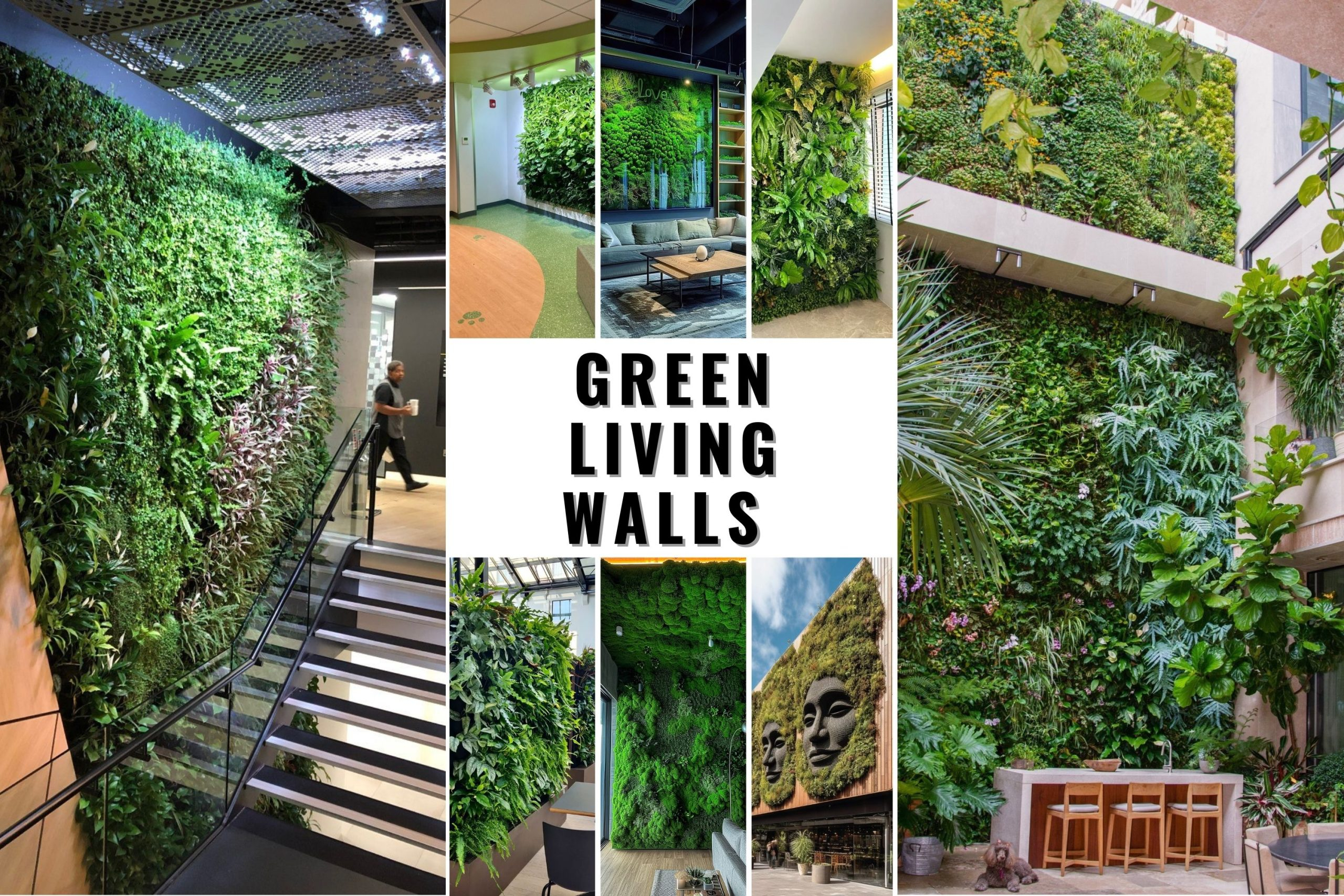
Acoustics matter too. Noise pollution is a growing stressor. Sound-insulating walls, floors, and windows can create a peaceful retreat from the chaos outside. Adding soft furnishings, rugs, and plants can also help absorb sound and improve acoustics. These elements contribute to a sense of calm and security. A home should be a place where you can truly relax. Where you can breathe.
Technology can be a great ally in building a resilient home. Smart sensors can detect leaks, monitor air quality, and alert you to potential issues before they become disasters. Automated systems can optimize energy use, adjusting heating and cooling based on occupancy and weather forecasts. But technology should serve you, not complicate your life. Keep it simple. Reliable.
Regular maintenance is the unsung hero of durability. No matter how well-built a home is, it needs care. Cleaning gutters, inspecting roofs, servicing HVAC systems—these tasks prevent small problems from becoming big ones. Creating a maintenance schedule and sticking to it is one of the best things you can do to protect your investment. It’s proactive, not reactive.
Building a relationship with trusted professionals—contractors, inspectors, architects—is also invaluable. They can provide insights specific to your home and location. Don’t wait for something to break to call them. Regular check-ups can identify vulnerabilities and suggest improvements. It’s a partnership. And in the end, it’s about peace of mind. Knowing your home is cared for. Ready.
So, where does this leave us? Future-proofing your space isn’t about predicting the future. It’s about preparing for uncertainty. It’s about building a home that’s tough enough to withstand storms, flexible enough to adapt to change, and comfortable enough to nurture well-being. It’s a journey, not a destination.
Start small. Pick one area to improve. Maybe it’s sealing those drafty windows. Or installing a rain barrel. Or just decluttering a room to make it more versatile. Every step counts. And remember, resilience isn’t just about the physical structure. It’s about the community around you, the resources you have, and the mindset you bring.
Your home is your haven. Make it strong. Make it smart. Make it yours. Because in a world that’s constantly changing, having a place that feels solid and safe is priceless. It’s worth the effort. And honestly? It feels pretty good too.
[sps_html tag=”img” src=”https://cdn.northcarolinafinearchitecture.com/2026/05/building-a-home-follow-these-tips-before-starting-better-housekeeper-for-how-to-build-a-home-that-ages-gracefully-without-constant-upkeep-in-2026.png” alt=”Building A Home? Follow These Tips Before Starting – Better Housekeeper for How to Build a Home That Ages Gracefully Without Constant Upkeep in 2026″ style=”width: 100%; height: auto;”]
[sps_html tag=”img” src=”https://cdn.northcarolinafinearchitecture.com/2026/05/how-to-build-a-house-in-india-a-step-by-step-guide-youtube-pertaining-to-how-to-build-a-home-that-ages-gracefully-without-constant-upkeep-in-2026.jpg” alt=”How To Build A House In India - A Step By Step Guide - Youtube pertaining to How to Build a Home That Ages Gracefully Without Constant Upkeep in 2026″ style=”width: 100%; height: auto;”]
[sps_html tag=”img” src=”https://cdn.northcarolinafinearchitecture.com/2026/05/steps-for-building-a-house-what-to-expect-during-new-home-intended-for-durable-home-design.jpg” alt=”Steps For Building A House - What To Expect During New Home … intended for Durable Home Design” style=”width: 100%; height: auto;”]
[sps_html tag=”img” src=”https://cdn.northcarolinafinearchitecture.com/2026/05/step-by-step-how-to-build-a-house-youtube-throughout-how-to-build-a-home-that-ages-gracefully-without-constant-upkeep-in-2026.jpg” alt=”Step By Step - How To Build A House - Youtube throughout How to Build a Home That Ages Gracefully Without Constant Upkeep in 2026″ style=”width: 100%; height: auto;”]
[sps_html tag=”img” src=”https://cdn.northcarolinafinearchitecture.com/2026/05/home-builders-building-a-home-that-ages-gracefully-inside-how-to-build-a-home-that-ages-gracefully-without-constant-upkeep-in-2026.jpg” alt=”Home Builders Building A Home That Ages Gracefully inside How to Build a Home That Ages Gracefully Without Constant Upkeep in 2026″ style=”width: 100%; height: auto;”]