We’ve all been there. You’re standing in the kitchen, staring at a refrigerator that hums with the enthusiasm of a dying bee. It’s warm inside. The milk is sweating. And your mind immediately jumps to the worst-case scenario: the cost of a new fridge, the hassle of hauling the old one away, and that nagging guilt about adding another hunk of metal and plastic to a landfill. It feels like a loss. A financial hit. An environmental mistake.
But what if I told you that the way we buy, use, and keep our home appliances is undergoing a quiet revolution? It’s not just about buying the shiniest new gadget with Wi-Fi connectivity. It’s about something deeper. Something more practical. It’s about designing for longevity. It’s about understanding that an efficient appliance isn’t just a machine that uses less electricity; it’s a companion that stays with you longer, works better, and saves you money in ways you might not expect.
In 2026, the conversation has shifted. We aren’t just asking “How much does this cost?” We’re asking “How long will this last?” and “What does it cost to run?” The answers might surprise you. By focusing on efficiency and durability, we can cut down on waste, slash our utility bills, and actually make our homes more comfortable. Let’s dig into how this works, why it matters, and how you can make smarter choices without breaking the bank.
The Hidden Cost of "Cheap" Replacements
When an appliance breaks, our first instinct is often panic. We want it fixed or replaced yesterday. This urgency leads many of us to grab the cheapest option available or the first thing a salesperson recommends. But this knee-jerk reaction ignores a crucial piece of the puzzle: the embodied energy. That’s the energy it took to mine the materials, manufacture the parts, ship the box, and stock the shelf.
Research shows that the trade-off between keeping an old appliance running and buying a new, efficient one is tricky. If your ten-year-old fridge is still working but guzzling power, replacing it with a modern, high-efficiency model makes sense. The energy savings over time will outweigh the manufacturing cost. However, if that old fridge is only five years old and just needs a $50 repair, tossing it out is a massive waste. You’re throwing away all that embedded energy and creating unnecessary trash.
Consider the data. Studies suggest that extending the lifespan of household appliances by just 40-65% through proper care can cut energy waste by nearly 22%. Think about that. You don’t even have to buy a new thing to save energy. You just have to take care of what you already have. Premature replacement isn’t just hard on your wallet; it’s a leak in our collective sustainability efforts. Every time we toss a fixable washer or dryer, we’re doubling down on waste.
Efficiency Isn’t Just About the Electric Bill
Most people think of energy efficiency as a line item on their monthly utility statement. And sure, that’s part of it. The U.S. Department of Energy has proposed new standards for refrigerators and clothes washers that haven’t been updated in over a decade. These changes are expected to save American consumers about $3.5 billion per year on energy and water bills. That’s billions. With a B.
But efficiency goes deeper than just kilowatt-hours. Efficient appliances are often built better. Take ENERGY STAR certified models, for instance. They aren’t just tuned to sip electricity; they use advanced components that improve reliability and longevity. A motor that runs cooler lasts longer. A compressor that cycles efficiently wears out slower. This means fewer repairs. Fewer service calls. Less stress.
There’s also the water angle. Modern efficient washers don’t just use less electricity to heat the water; they use significantly less water overall. In a world where water scarcity is becoming a real issue in many regions, this matters. It’s not just about saving $10 a month on your bill. It’s about reducing the strain on local infrastructure and ensuring that resources are available for everyone. It’s a holistic view of home management that benefits both your pocketbook and the planet.
The Power of Maintenance and Smart Habits
Here’s the secret that appliance manufacturers don’t always shout from the rooftops: you have more control over your appliance’s lifespan than you think. Evidence-based strategies like voltage regulation, usage pattern optimization, and timely maintenance can extend the life of your machines dramatically. It sounds technical, but it’s actually pretty simple.
Let’s talk about your dryer. The lint trap isn’t just a safety feature; it’s an efficiency tool. Cleaning it every single load ensures proper airflow, which means your clothes dry faster and the motor doesn’t work as hard. Over a year, that adds up to significant energy savings and less wear on the belt and drum. Or consider your refrigerator. Keeping the coils clean—yes, those dusty things on the back or bottom—helps it cool more efficiently. A dirty coil makes the compressor run longer and hotter, shortening its life.
Small habits matter too. Running your dishwasher only when it’s full. Using cold water for laundry when possible (modern detergents work great in cold water, by the way). Avoiding overloading the washing machine, which throws off the balance and strains the suspension. These aren’t huge sacrifices. They’re just mindful adjustments. And when you combine them with regular check-ups, you’re not just using the appliance; you’re partnering with it.
Navigating the 2026 Landscape: Standards and Savings
We are living in an exciting time for home appliances. The regulatory landscape is shifting in favor of consumers and the environment. By 2027, the Energy Department aims to roll out updated regulations that will further cut carbon emissions and save Americans billions. This isn’t just bureaucratic red tape; it’s a commitment to making high-quality, efficient appliances the norm, not the exception.
For households, this means the baseline quality of appliances is rising. You don’t have to be an expert to find a good product anymore. The floor is being raised. Future efficiency standards could save the average U.S. household nearly $150 annually on utility bills over the next two decades. For businesses, the savings are even starker, with potential collective savings of $13.8 billion annually. This trickles down to us, too, as commercial buildings become more efficient and operational costs drop.
But here’s the catch: you have to look for the labels. The ENERGY STAR tag is still your best friend. It signifies that the appliance meets strict efficiency guidelines set by the EPA and the DOE. In 2026, these standards are tighter than ever. Buying an ENERGY STAR model vs. a regular one doesn’t just help the environment; it ensures you’re getting a product designed with better materials and smarter engineering. It’s a mark of quality that pays for itself over time.
The Repair vs. Replace Dilemma
So, your blender stops blending. Or your oven won’t heat past 300 degrees. Do you call a repair person or head to the store? This is the million-dollar question. The answer depends on a few factors: the age of the appliance, the cost of the repair, and the efficiency of the current model.
A good rule of thumb is the 50% rule. If the repair costs more than 50% of the price of a new, efficient model, it’s probably time to replace. But if it’s less, and the appliance is relatively young, repair is usually the better choice. Why? Because you’re avoiding the manufacturing waste and the upfront cost of a new unit. Plus, repairing supports local technicians and keeps skills alive in our communities.
However, context is key. If you have a fifteen-year-old refrigerator that uses twice as much electricity as a new model, even a cheap repair might not be worth it. The ongoing energy costs will eat up any savings from the repair. In this case, replacing it with a high-efficiency model is the smart move. It’s about looking at the total cost of ownership, not just the sticker price or the repair bill. It’s a balancing act, but one that gets easier with practice.
Making the Switch: Practical Steps for Homeowners
Ready to make a change? You don’t have to overhaul your entire home overnight. Start small. Look at your biggest energy users first: the refrigerator, the HVAC system, the water heater, and the washer/dryer combo. These are the heavy hitters. If any of these are older than ten years, start researching replacements. Look for models with high efficiency ratings and good reviews for reliability.
When you do buy, think long-term. Don’t just look at the purchase price. Calculate the estimated annual operating cost. Many retailers now display this information prominently. A $100 difference in purchase price might be wiped out in two years by lower energy bills. And remember, efficient appliances often have longer lifespans. You’re investing in peace of mind.
Also, consider the timing. If your current appliance is working fine, don’t rush to replace it just because a newer model exists. Wait until it fails or becomes inefficient. Use the money you save on energy bills to set up a “appliance fund.” That way, when the time comes to replace, you’re ready. And in the meantime, practice those smart habits. Clean the filters. Check the seals. Listen to your machines. They’ll tell you when something’s wrong if you pay attention.
At the end of the day, designing for longevity isn’t just about appliances. It’s about a mindset. It’s about rejecting the idea that things are disposable. It’s about valuing quality over quantity. When we choose efficient, durable appliances, we’re making a statement. We’re saying that we care about our money, our comfort, and our world.
The benefits are clear. Lower bills. Less waste. Fewer headaches. A smaller carbon footprint. It’s a win-win-win situation. And with the new standards coming in 2026 and beyond, it’s getting easier to make the right choice. The technology is there. The savings are real. The only thing missing is our willingness to engage with it.
So next time you’re faced with a broken toaster or a noisy washer, take a breath. Don’t panic. Assess the situation. Consider the repair. Look at the efficiency. Make a choice that aligns with your values and your budget. You might just find that by slowing down and thinking long-term, you speed up your journey toward a more sustainable, affordable, and enjoyable home life. It’s not about perfection. It’s about progress. And every efficient appliance is a step in the right direction.
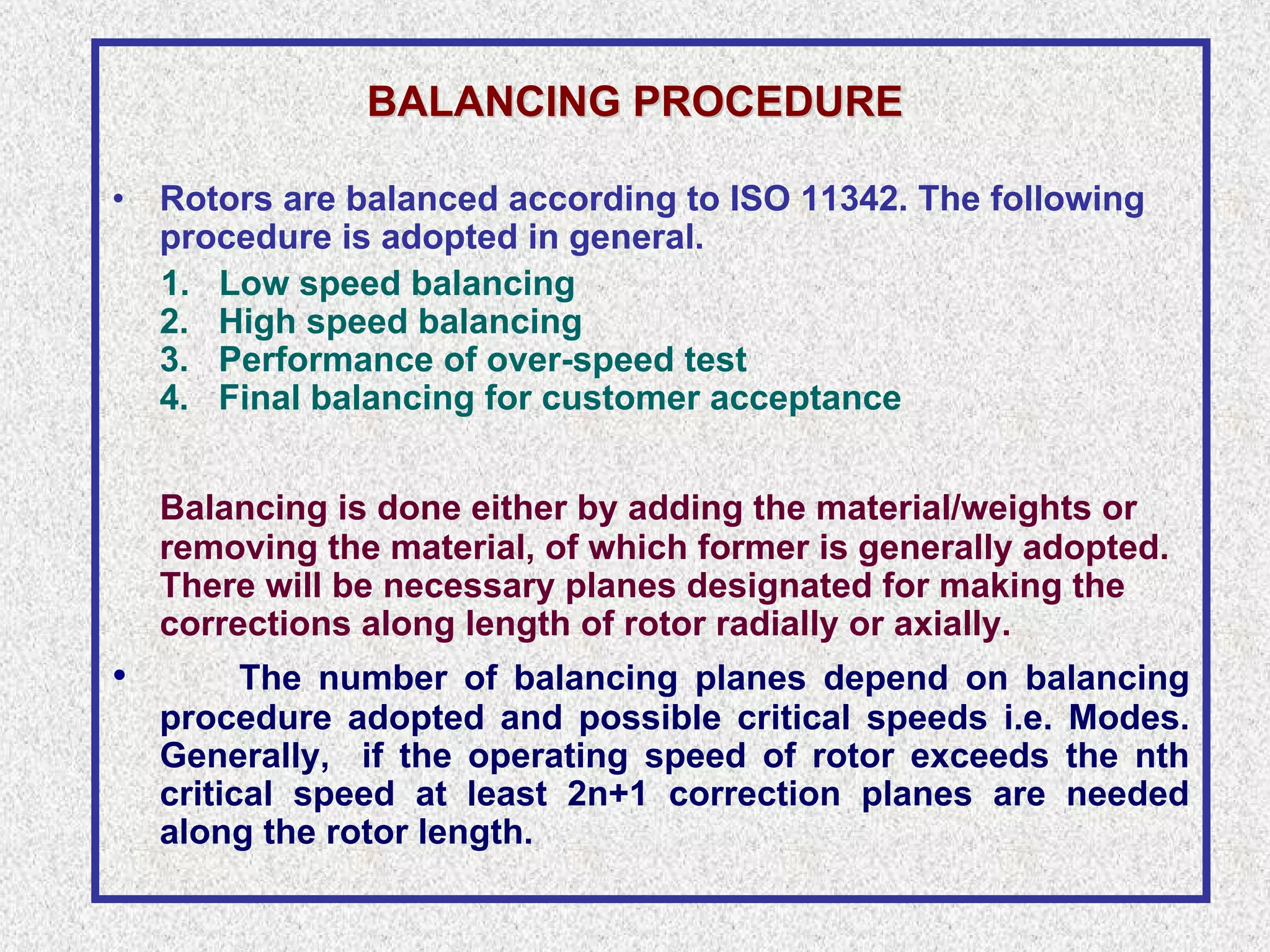
[sps_html tag=”img” src=”https://cdn.northcarolinafinearchitecture.com/2026/05/high-speed-balancing-of-turbine-rotors-pdf-regarding-efficient-appliance-design.jpg” alt=”High Speed Balancing Of Turbine Rotors | Pdf regarding Efficient Appliance Design” style=”width: 100%; height: auto;”]
[sps_html tag=”img” src=”https://cdn.northcarolinafinearchitecture.com/2026/05/a-day-in-the-life-of-a-mechanical-engineer-youssef-aoun-within-efficient-appliance-design.jpg” alt=”A Day In The Life Of A Mechanical Engineer: Youssef Aoun within Efficient Appliance Design” style=”width: 100%; height: auto;”]
[sps_html tag=”img” src=”https://cdn.northcarolinafinearchitecture.com/2026/05/balancing-in-mechanical-engineering-at-lacey-chandler-blog-inside-efficient-appliance-design.jpeg” alt=”Balancing In Mechanical Engineering At Lacey Chandler Blog inside Efficient Appliance Design” style=”width: 100%; height: auto;”]
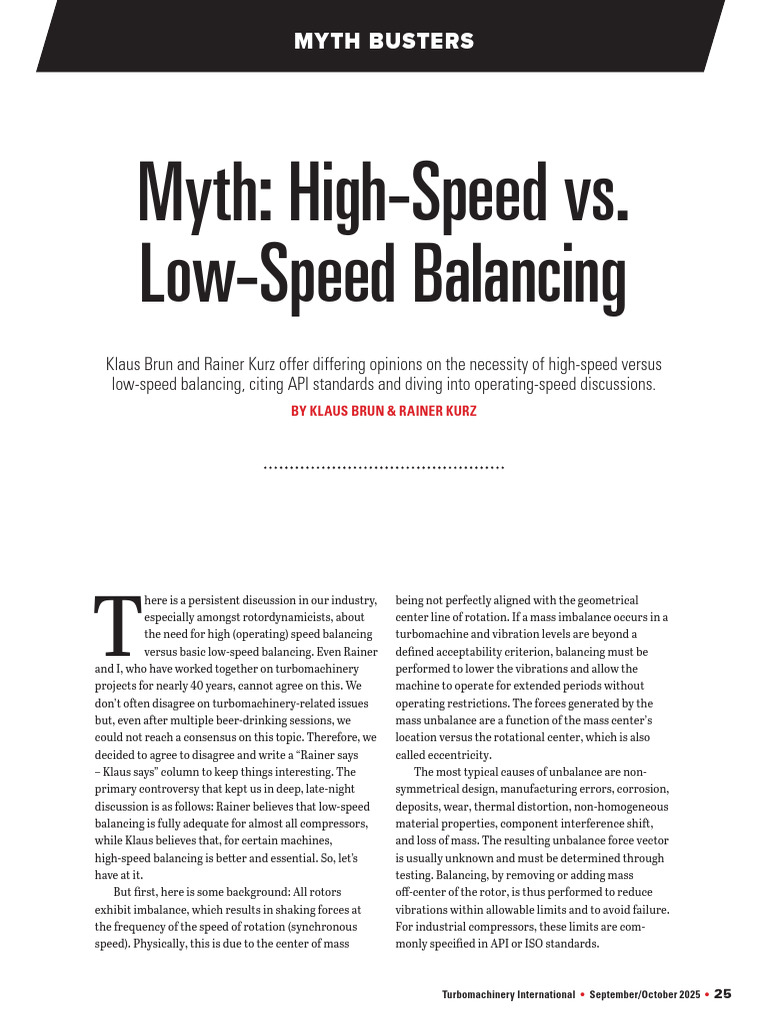
[sps_html tag=”img” src=”https://cdn.northcarolinafinearchitecture.com/2026/05/high-speed-vs-low-speed-balancing-pdf-mechanical-engineering-with-regard-to-efficient-appliance-design.jpg” alt=”High-Speed Vs. Low-Speed Balancing | Pdf | Mechanical Engineering with regard to Efficient Appliance Design” style=”width: 100%; height: auto;”]
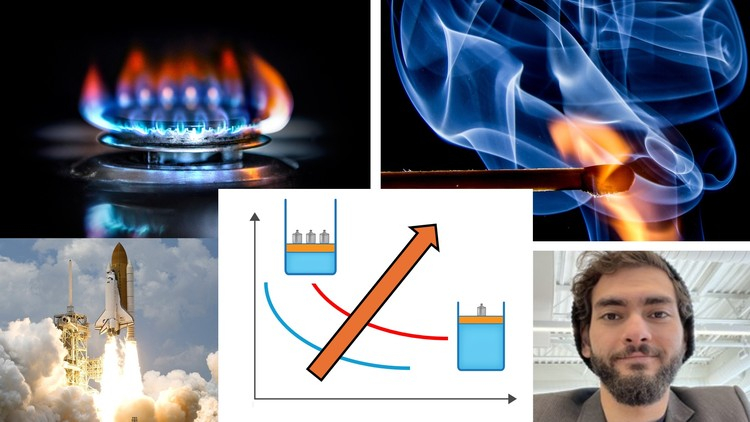
[sps_html tag=”img” src=”https://cdn.northcarolinafinearchitecture.com/2026/05/thermodynamics-and-energy-balance-for-engineers-royalboss-throughout-efficient-appliance-design.jpg” alt=”Thermodynamics And Energy Balance For Engineers | Royalboss throughout Efficient Appliance Design” style=”width: 100%; height: auto;”]