Everyone talks about solar. You see those shiny blue panels on roofs everywhere you look. It’s the poster child for green energy. But there’s a quiet revolution happening right under our feet. Literally. While solar grabs all the headlines, geothermal heat pumps are doing the heavy lifting for homeowners who want real, consistent savings without relying on whether it’s sunny or cloudy outside.
It’s funny how we overlook what’s right beneath us. The earth maintains a steady temperature just a few feet down, no matter if it’s freezing in January or scorching in July. This constant warmth is the secret sauce. Geothermal systems tap into this stability to heat and cool homes with an efficiency that frankly, feels like cheating. If you’re tired of volatile utility bills and want a system that just works, day in and day out, it might be time to look past the roof and into the ground.
The Science Behind the Steady State
So, how does it actually work? It’s simpler than you might think. Imagine your home is a thermos. In the winter, you want to keep the heat in. In the summer, you want to keep the heat out. A geothermal heat pump acts like a reversible refrigerator. Instead of burning fuel to create heat, it simply moves heat from one place to another.
Underground, about ten feet down, the temperature stays around 50 to 60 degrees Fahrenheit (10-15 Celsius) year-round. That’s warmer than the air in winter and cooler than the air in summer. Pipes buried in your yard circulate a fluid that absorbs this ambient heat. The pump then concentrates this low-grade heat and transfers it into your home. In the summer, the process flips. It pulls heat out of your house and dumps it back into the cool earth. It’s elegant. It’s efficient. And it doesn’t depend on the weather forecast.
This is why geothermal heat pumps can achieve efficiencies of 400% or more. For every unit of electricity used to run the pump, you get four units of heating or cooling energy. Compare that to a high-efficiency gas furnace, which tops out at around 98%. The difference is staggering. You aren’t creating energy; you’re just borrowing it from the earth’s massive thermal battery.
Breaking Down the Real Costs and Savings
Let’s address the elephant in the room. The upfront cost. Installing a geothermal system isn’t cheap. In 2026, you’re looking at anywhere from $10,000 to $30,000 depending on the size of your home and the type of loop system needed. That sticker shock stops a lot of people in their tracks. It’s a valid concern. But looking at just the initial price tag misses the bigger picture.
The savings are where the magic happens. Most homeowners see their heating and cooling costs drop by 30% to 70%. That’s not a small tweak; that’s a fundamental change in your monthly budget. If you’re spending $300 a month on HVAC, you could be cutting that down to $100 or less. Over five to ten years, those savings add up to cover the initial investment. After that? It’s pure profit in your pocket.
Plus, there are incentives. Federal tax credits and local rebates have made these systems much more accessible. In many places, you can knock 30% off the total cost through tax credits. When you factor in the longevity of the system—the underground loops can last 50 years or more—it becomes one of the best long-term investments you can make in your property. It’s not just an expense; it’s an asset that pays you back.
Geothermal vs. Solar: Apples and Oranges?
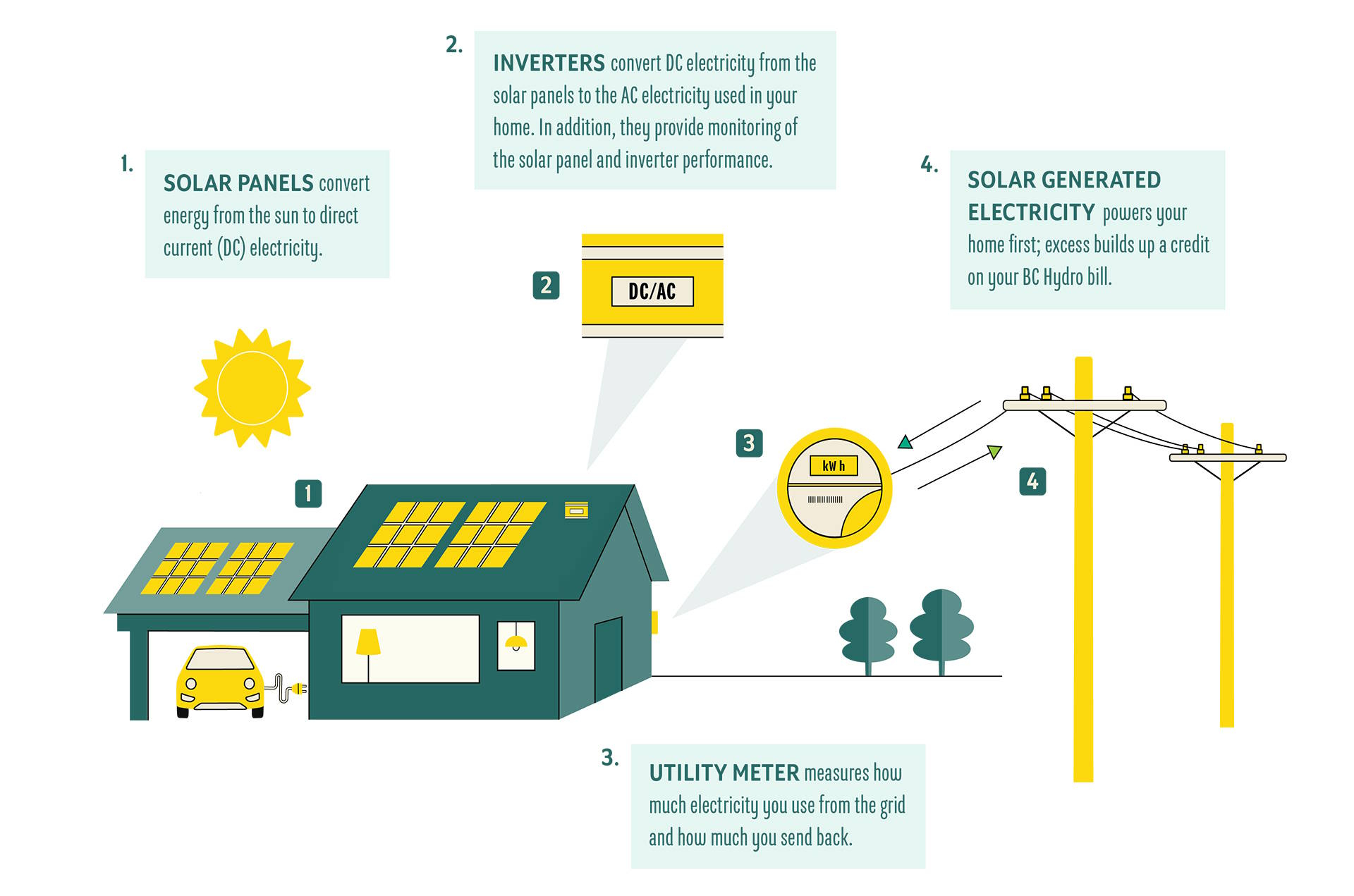
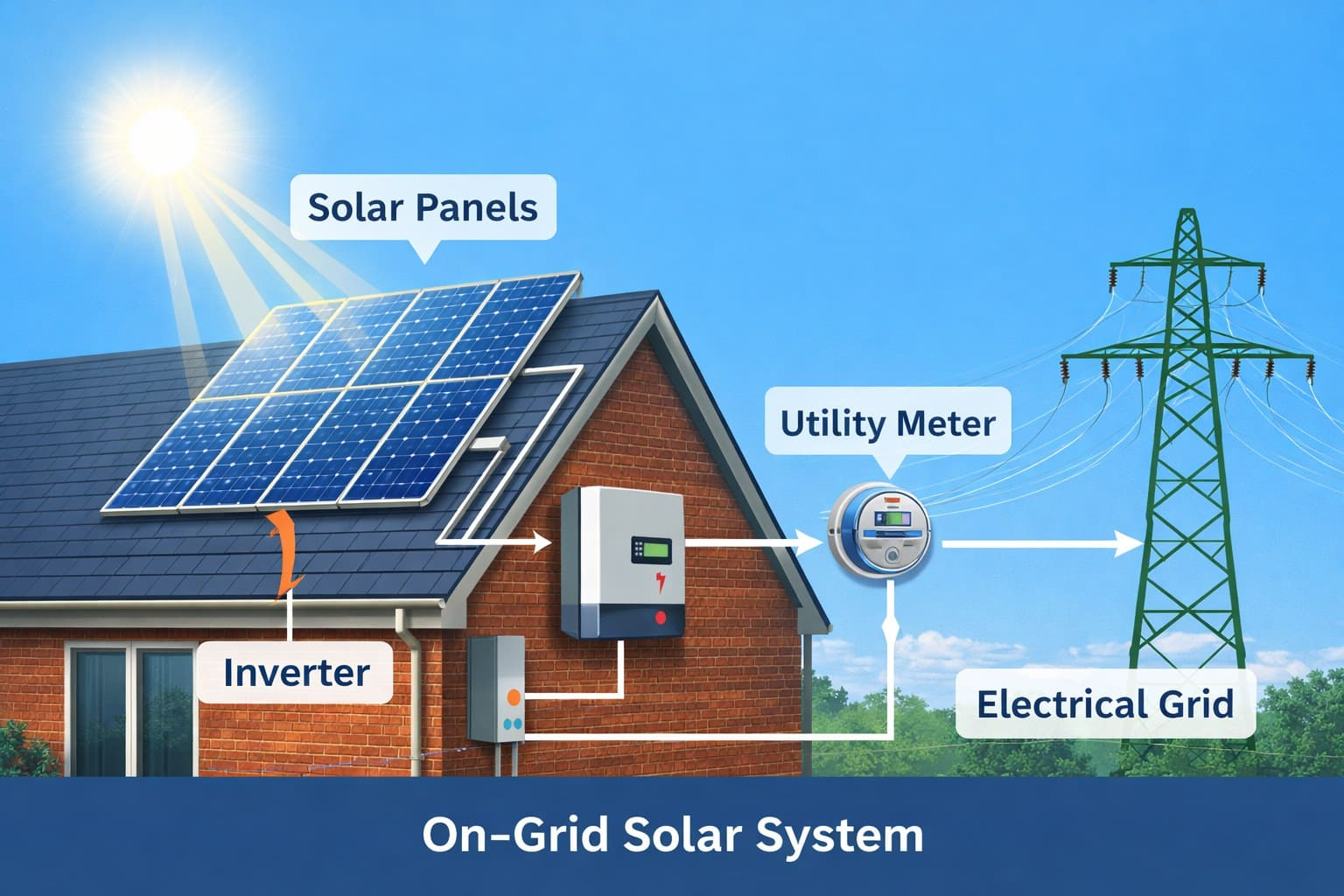
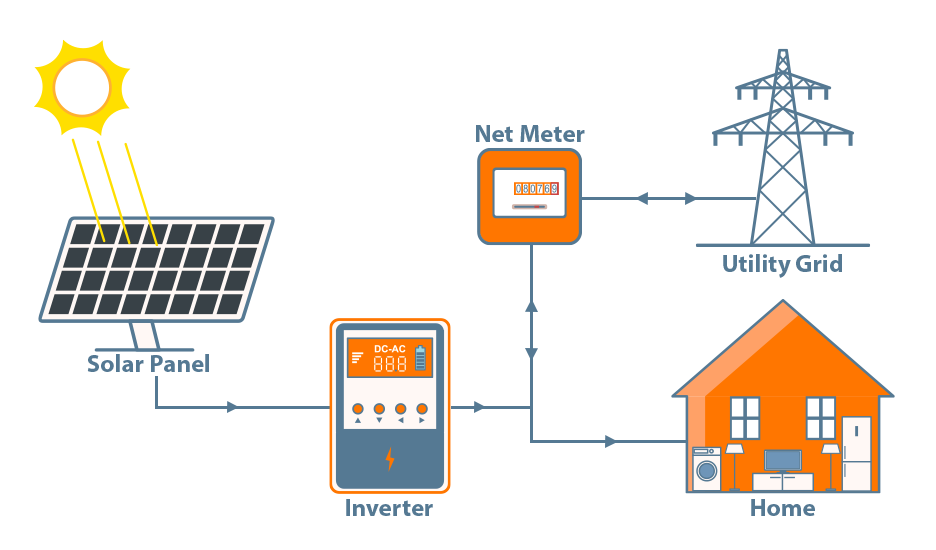
People often ask, "Should I get solar or geothermal?" It’s a bit of a trick question because they solve different problems. Solar panels generate electricity. They don’t heat your home directly unless you use that electricity to run an electric heater or heat pump. Geothermal, on the other hand, is specifically designed for climate control. It handles the biggest energy load in most homes: heating and cooling.
Think of it this way. Solar is great for offsetting your electric bill, but its production fluctuates. Clouds, rain, and night-time mean zero production. Geothermal runs 24/7, regardless of the sky above. It provides baseload comfort. If you have a limited budget, geothermal often offers a faster return on investment for comfort because it directly replaces your most expensive utility costs.
That said, they aren’t mutually exclusive. In fact, they’re best friends. Many homeowners in 2026 are choosing to do both. The solar panels generate the electricity needed to run the geothermal pump, essentially making your heating and cooling free. It’s the ultimate energy stack. But if you have to pick one for immediate impact on your comfort and bill, geothermal usually wins for sheer consistency.
Installation Realities and What to Expect
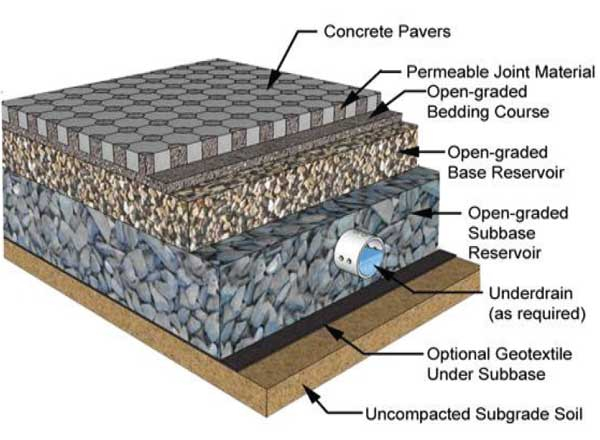
Getting a geothermal system installed is more involved than slapping panels on a roof. It requires digging. There are two main types of loops: horizontal and vertical. Horizontal loops need a decent amount of yard space. Trenches are dug about four to six feet deep, and pipes are laid out in a coil pattern. It’s less expensive but requires land.
If you have a smaller lot, vertical loops are the way to go. Drilling rigs bore holes deep into the ground, sometimes hundreds of feet down. It’s more expensive due to the drilling costs, but it has a much smaller footprint on your yard. Once the loops are in, they’re connected to the heat pump unit inside your home, which looks similar to a standard furnace or air handler.
The installation process can take a few days to a week. It’s messy for a bit. Your yard will look like a construction zone. But once it’s done, the landscape is restored, and you barely notice the system is there. The key is finding a certified installer who knows the local geology. Soil conditions matter. Rocky soil makes drilling harder and pricier. Clay holds heat differently than sand. A good contractor will do a thorough site assessment before giving you a quote.
Environmental Impact and Grid Stability
Beyond your wallet, there’s the planet to consider. Geothermal systems significantly reduce greenhouse gas emissions. By moving heat instead of burning fossil fuels, you’re cutting down on carbon dioxide and other pollutants. In 2026, as the grid becomes cleaner, the environmental benefit grows even more. But even on a coal-heavy grid, geothermal is cleaner than most traditional heating options.
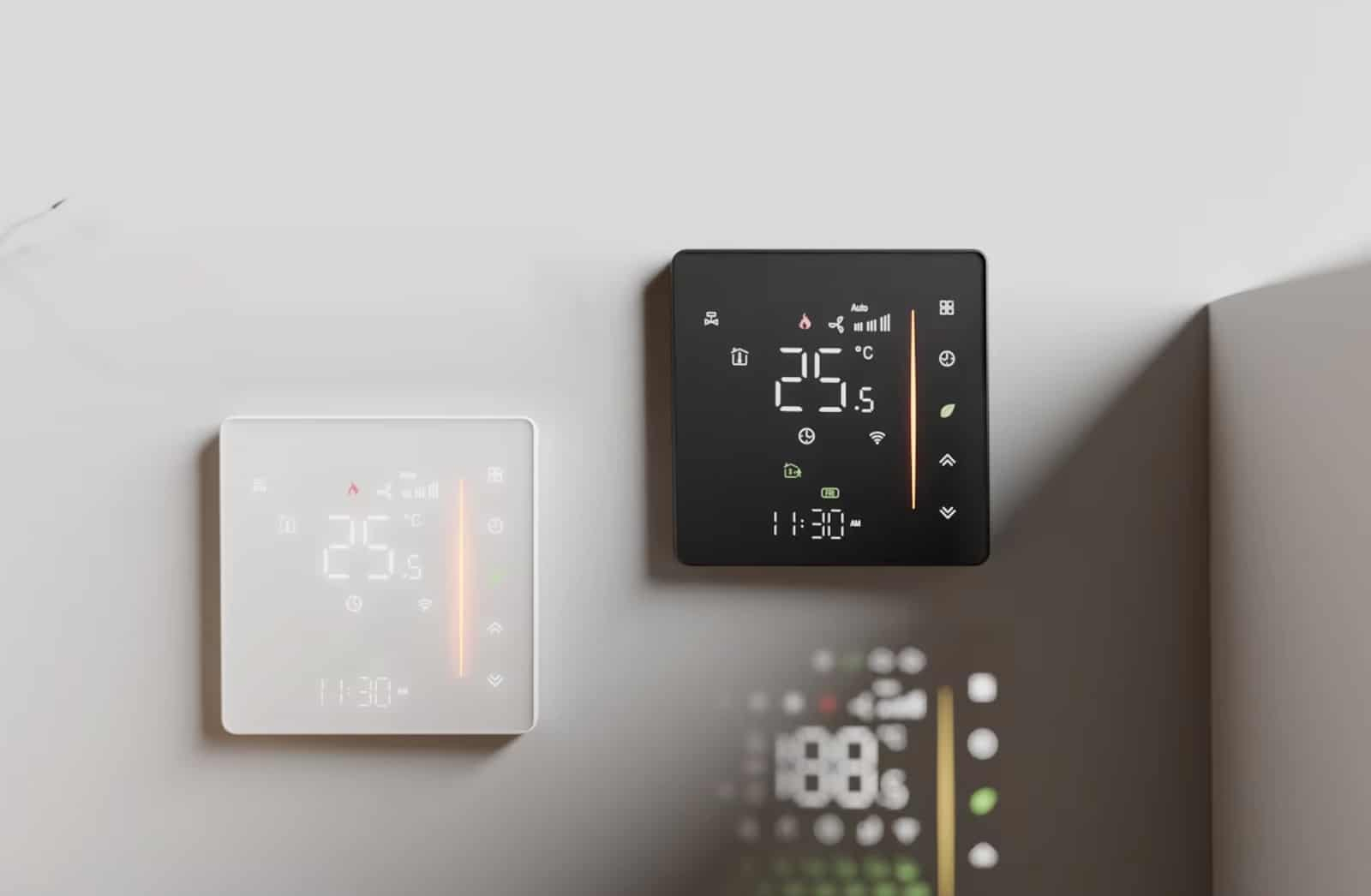
There’s also a broader benefit to the electrical grid. Traditional HVAC systems spike demand during extreme weather. Everyone turns on their AC at 5 PM on a hot July day, straining the grid. Geothermal systems are more efficient and can be paired with smart thermostats to shift loads slightly, helping to stabilize demand. It’s a small piece of the puzzle, but every bit helps as we transition to a more renewable future.
Furthermore, geothermal doesn’t rely on rare earth minerals in the same way batteries or solar panels do. The materials are mostly copper, plastic, and steel. It’s a robust, durable technology with a lower environmental footprint in terms of manufacturing and disposal. It’s a sustainable choice that doesn’t just feel good; it does good.
So, should you make the switch? It depends. If you’re building a new home, it’s a no-brainer. Integrating geothermal during construction is easier and cheaper. If you’re retrofitting an existing home, you need to weigh the costs against how long you plan to stay. If you’re moving in two years, it might not pay off. But if you’re in it for the long haul, absolutely.
Consider your current heating source. If you’re using oil, propane, or electric resistance heat, the savings will be massive. If you already have a high-efficiency natural gas furnace, the savings might be smaller, but you’ll still gain in cooling efficiency and comfort. Geothermal provides incredibly even temperatures. No more cold spots or hot drafts. Just consistent, quiet comfort.
Also, look at your property. Do you have the space for a horizontal loop? Or the budget for vertical drilling? Talk to a few local installers. Get quotes. Ask about the specific incentives in your area for 2026. Every region is different. Some states offer additional rebates that can tip the scales. Don’t just guess; get the data for your specific situation. It’s an investment in your comfort, your wallet, and your future.
In the end, geothermal heat pumps are the unsung heroes of home efficiency. They don’t have the flashy appeal of solar panels, but they deliver where it counts: reliable, affordable, and clean comfort. As energy costs continue to rise and climate concerns grow, looking underground might just be the smartest move you make for your home. It’s time to give geothermal the spotlight it deserves.
[sps_html tag=”img” src=”https://cdn.northcarolinafinearchitecture.com/2026/06/smart-grid-technology-makes-solar-energy-work-smarter-not-harder-with-renewable-energy-home.jpg” alt=”Smart Grid Technology Makes Solar Energy Work Smarter (Not Harder … with Renewable Energy Home” style=”width: 100%; height: auto;”]
[sps_html tag=”img” src=”https://cdn.northcarolinafinearchitecture.com/2026/06/exploring-concentrator-photovoltaics-cpv-solar-panels-network-usa-with-renewable-energy-home.jpg” alt=”Exploring Concentrator Photovoltaics (Cpv) - Solar Panels Network Usa with Renewable Energy Home” style=”width: 100%; height: auto;”]
[sps_html tag=”img” src=”https://cdn.northcarolinafinearchitecture.com/2026/06/moregosolar-residential-solar-system-moregosolar-pertaining-to-how-modern-grid-technology-is-making-residential-solar-more-reliable-than-ever.jpg” alt=”Moregosolar Residential Solar System - Moregosolar pertaining to How Modern Grid Technology Is Making Residential Solar More Reliable Than Ever” style=”width: 100%; height: auto;”]
[sps_html tag=”img” src=”https://cdn.northcarolinafinearchitecture.com/2026/06/on-grid-solar-system-for-homes-save-energy-reduce-bills-regarding-renewable-energy-home.png” alt=”On-Grid Solar System For Homes : Save Energy, Reduce Bills regarding Renewable Energy Home” style=”width: 100%; height: auto;”]
[sps_html tag=”img” src=”https://cdn.northcarolinafinearchitecture.com/2026/06/what-is-grid-forming-battery-solar-link-australia-for-how-modern-grid-technology-is-making-residential-solar-more-reliable-than-ever.jpg” alt=”What Is Grid-Forming Battery? - Solar Link Australia for How Modern Grid Technology Is Making Residential Solar More Reliable Than Ever” style=”width: 100%; height: auto;”]