Ever looked at your tiny balcony or that sad, sun-starved corner of your apartment and thought, "I could never grow anything here"? You’re not alone. For years, city living meant giving up on the dream of homegrown tomatoes or crisp, fresh basil. But something has shifted. Big time.
This year, 2026, isn’t just another year for gardening trends. It’s the year hydroponics stopped being a niche hobby for tech-obsessed engineers and became the go-to solution for everyday urbanites. We’re seeing a massive shift. People are ditching the dirt. And honestly? They’re happier for it. The barriers are gone. The tech is cheaper. And the results are frankly, kind of magical.
The Space Squeeze Is Real (And Hydroponics Solves It)
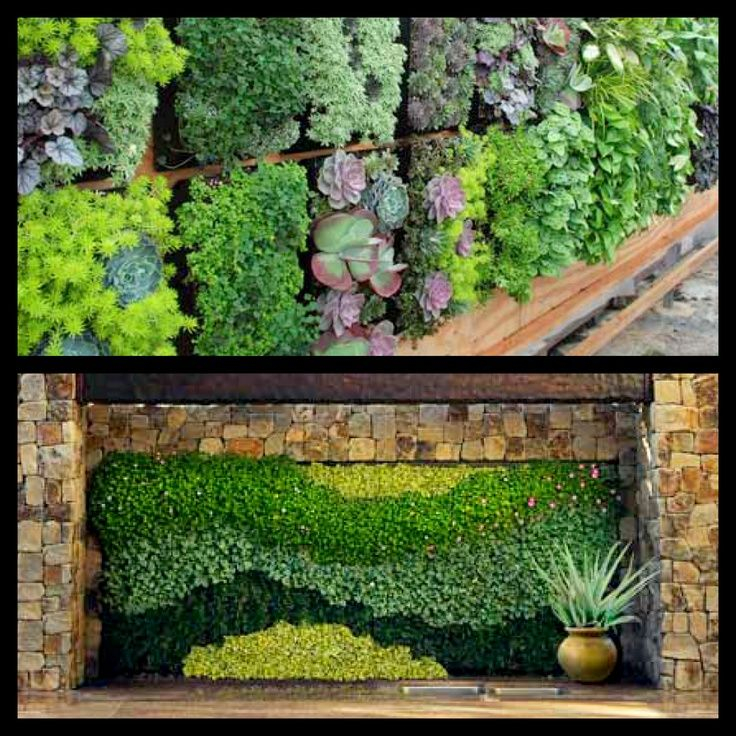
Let’s be real about city living. Space is the ultimate luxury. If you’re lucky, you get a fire escape. If you’re really lucky, maybe a small balcony. Most of us are working with windowsills and countertop corners. Traditional soil gardening demands room—room for pots, room for spillage, room for light exposure that most apartments just don’t have. Hydroponics flips this script entirely. By removing the need for bulky soil beds, these systems allow you to grow vertically.
Think about it. A single square foot of floor space can support a tower that grows twenty heads of lettuce. That’s not exaggeration; that’s just geometry. Vertical hydroponic systems are particularly popular in urban settings right now because they respect the footprint. You can tuck a sleek, narrow unit next to your fridge or hang a modular wall garden in your kitchen. It turns dead space into a productive food source. For high school students studying agriculture or just regular folks wanting salad, this vertical approach highlights the sheer potential of urban agriculture without needing a backyard.
It’s also about density. In 2026, we’re seeing more compact designs than ever before. These aren’t the clunky PVC pipe experiments of the past. They’re designed for aesthetics. They look like furniture. This accessibility is pivotal in democratizing urban farming, allowing more people to grow their own food, even in limited spaces like apartment balconies or small community centers. You don’t need a yard. You just need a wall, a window, and a little bit of curiosity.
Water Wisdom in a Thirsty World
One of the biggest misconceptions about growing plants is that it requires gallons and gallons of water. If you’ve ever tried to keep a potted plant alive in the summer heat, you know the struggle. Soil dries out. Fast. Hydroponic systems, however, are closed loops. This means the water is recirculated. The plants take what they need, and the rest goes back into the reservoir. It’s efficient. Really efficient.
Data from recent studies shows that hydroponic farming uses up to 90% less water than traditional soil-based agriculture. In a world where water conservation is becoming a critical conversation point, this matters. Urban hydroponic farming is transforming city agriculture by offering space-efficient, year-round crop production with minimal water use. For the urban gardener, this means you’re not just growing food; you’re participating in a sustainable cycle. You’re using resources wisely.
Plus, there’s no runoff. With soil gardening, excess water carries fertilizers and pesticides into the ground, potentially contaminating local waterways. Hydroponics keeps everything contained. The nutrients stay in the system, feeding the plants directly. This reduces pesticide reliance significantly, making it perfect for urban settings where sustainability is crucial. You’re creating a cleaner, greener micro-environment right in your living room. It’s a small act, but when multiplied across thousands of city apartments, the impact is huge.
Speed Demons: Faster Growth, Fresher Taste
Here’s the part that usually gets people hooked. Hydroponic plants grow faster. Like, noticeably faster. Because the roots are suspended in nutrient-rich water, they don’t have to work hard to search for food. In soil, a plant’s energy is split between growing leaves and digging roots deep to find nutrients. In hydroponics, the food is delivered right to the doorstep. The result? The plant puts all its energy into growing big, lush leaves and juicy fruits.
You can harvest basil in three weeks instead of six. Lettuce heads mature in half the time. This speed is a game-changer for urban gardeners who want immediate gratification and practical results. It means you can rotate crops quickly. One week it’s arugula, the next it’s spinach. This optimizes crop rotation and ensures a steady supply of fresh produce. In 2026, top hydroponic veggie garden systems are designed to harness this cutting-edge efficiency, pioneering the future of food production in small spaces.
And let’s talk about taste. There’s a distinct difference in flavor. Herbs grown hydroponically tend to be more potent. Tomatoes are sweeter. Why? Because you can control the nutrient mix precisely. You can tweak the levels of nitrogen or potassium to enhance specific flavors. It’s like having a chef’s control over your ingredients before they’re even harvested. For beginners swapping soil for water indoors, this consistent quality is a huge win. No more bitter lettuce or bland cilantro. Just vibrant, flavorful greens every single time.
Tech That Actually Helps (Not Confuses)
A few years ago, setting up a hydroponic system felt like building a rocket. You needed pumps, timers, pH meters, and a degree in engineering. Not anymore. The integration of Internet of Things (IoT) technology has simplified everything. Modern systems are smart. They monitor themselves. Apps on your phone tell you when to add water, when the pH is off, or when your plants are thirsty. It takes the guesswork out.
This tech boom reflects the growing interest in sustainable urban agriculture and technology’s role in boosting productivity and resilience. You don’t need to be a scientist. You just need a smartphone. Sensors track the health of your garden 24/7. If something goes wrong, you get a notification. "Hey, your nutrient levels are low." Simple. Actionable. This ease of use is why we’re seeing a revival of hydroponics in 2025 and 2026. Beginners are flocking to it because the barrier to entry has collapsed.
Moreover, automated lighting systems have become standard. LED grow lights are now energy-efficient and tuned to the specific spectra plants need for photosynthesis. They don’t heat up your apartment, and they don’t spike your electric bill. You can set them on a timer to mimic the sun, ensuring your plants get exactly 12 or 16 hours of light, regardless of the weather outside. This reliability allows for year-round cultivation, breaking the seasonal chains that traditionally limited urban gardeners. It’s gardening on your terms.
Beating the Winter Blues (and Food Deserts)
Winter in the city can feel bleak. The days are short. The produce at the grocery store is often imported, expensive, and lacking in flavor. Hydroponics changes this dynamic. It offers year-round cultivation. While snow piles up outside, your indoor garden is thriving. You’re picking fresh mint for your tea in January. You’re adding homegrown kale to your soups in February. This consistency is powerful. It connects you to the seasons, even when the city feels disconnected from nature.
Beyond personal convenience, this has a broader social impact. Hydroponic urban farming is revolutionizing how we think about food production in our increasingly crowded cities, offering a sustainable solution to urban food deserts. Community centers and schools are adopting these systems to provide fresh, nutritious food to neighborhoods that lack access to quality groceries. Imagine a lush garden flourishing 20 stories above the city streets, where lettuce, tomatoes, and herbs grow in perfect harmony without a speck of soil. It’s not just a hobby; it’s a lifeline.
For individuals, it’s about food security. Knowing exactly where your food comes from is a rare comfort in today’s supply chain-heavy world. You didn’t just buy it; you grew it. You know it’s free from harmful chemicals. You know it’s fresh. This peace of mind is invaluable. As vertical farms and rooftop gardens become more common, they’re reshaping the urban landscape, turning concrete jungles into productive, green ecosystems. It’s a shift from consumers to producers.
If you’re thinking, "This sounds great, but I’m not ready for a high-tech setup," don’t worry. You don’t have to start with a $500 smart garden. Some of the biggest trends in 2026 are actually low-tech. Simple, soil-free systems like Kratky and Wick methods are booming. These are passive systems. No pumps. No electricity. Just jars, net cups, and nutrient solution.
The Kratky method is arguably the easiest way to start. You suspend a plant in a net cup over a reservoir of water. As the plant drinks, the water level drops, creating an air gap that allows the roots to breathe. It’s self-regulating. It’s cheap. And it works incredibly well for leafy greens. The Wick system is similar, using a fabric wick to draw water up to the roots. These methods are perfect for beginners because they remove the fear of mechanical failure. There’s nothing to break.
This simplicity is key to the current boom. It lowers the risk. You can try it on your kitchen counter with items you already have. Mason jars. Old containers. It’s experimental and fun. Once you see those first roots appear, white and healthy, you’re hooked. From there, you can scale up. Maybe you move to a small active system with a pump. Maybe you build a vertical tower. But starting simple builds confidence. It proves that you can do this. It demystifies the process and makes urban farming accessible to everyone, regardless of budget or technical skill.
So, where does this leave us? Hydroponics isn’t just a trend. It’s a necessary evolution for urban living. It addresses space, water, speed, and sustainability all at once. It’s changing the game because it makes gardening possible for people who thought it was impossible. Whether you’re using a high-tech IoT tower or a simple mason jar, you’re part of a larger movement. A movement towards self-sufficiency. Towards greener cities. Towards better food.
The tools are here. The knowledge is available. And the time is now. You don’t need a farm. You don’t need a yard. You just need to start. Pick a spot. Pick a plant. And watch it grow. It might just change how you see your city, and your place in it.
[sps_html tag=”img” src=”https://cdn.northcarolinafinearchitecture.com/2026/05/living-wall-specifications-at-lachlan-ord-blog-within-the-real-cost-of-installing-a-living-wall-in-your-backyard-this-year.png” alt=”Living Wall Specifications At Lachlan Ord Blog within The Real Cost of Installing a Living Wall in Your Backyard This Year” style=”width: 100%; height: auto;”]
[sps_html tag=”img” src=”https://cdn.northcarolinafinearchitecture.com/2026/05/outdoor-living-wall-detail-lifelike-artificial-green-walls-for-any-throughout-the-real-cost-of-installing-a-living-wall-in-your-backyard-this-year.jpg” alt=”Outdoor Living Wall Detail Lifelike Artificial Green Walls For Any throughout The Real Cost of Installing a Living Wall in Your Backyard This Year” style=”width: 100%; height: auto;”]
[sps_html tag=”img” src=”https://cdn.northcarolinafinearchitecture.com/2026/05/30-small-backyard-ideas-for-a-charming-outdoor-escape-with-outdoor-flower-wall-design.jpg” alt=”30 Small Backyard Ideas For A Charming Outdoor Escape with Outdoor Flower Wall Design” style=”width: 100%; height: auto;”]
[sps_html tag=”img” src=”https://cdn.northcarolinafinearchitecture.com/2026/05/cost-to-build-a-retaining-wall-in-2025-backyard-retaining-walls-with-the-real-cost-of-installing-a-living-wall-in-your-backyard-this-year.jpg” alt=”Cost To Build A Retaining Wall In 2025 | Backyard Retaining Walls … with The Real Cost of Installing a Living Wall in Your Backyard This Year” style=”width: 100%; height: auto;”]
[sps_html tag=”img” src=”https://cdn.northcarolinafinearchitecture.com/2026/05/how-to-build-an-outdoor-living-wall-at-amy-beasley-blog-for-outdoor-flower-wall-design.jpg” alt=”How To Build An Outdoor Living Wall At Amy Beasley Blog for Outdoor Flower Wall Design” style=”width: 100%; height: auto;”]