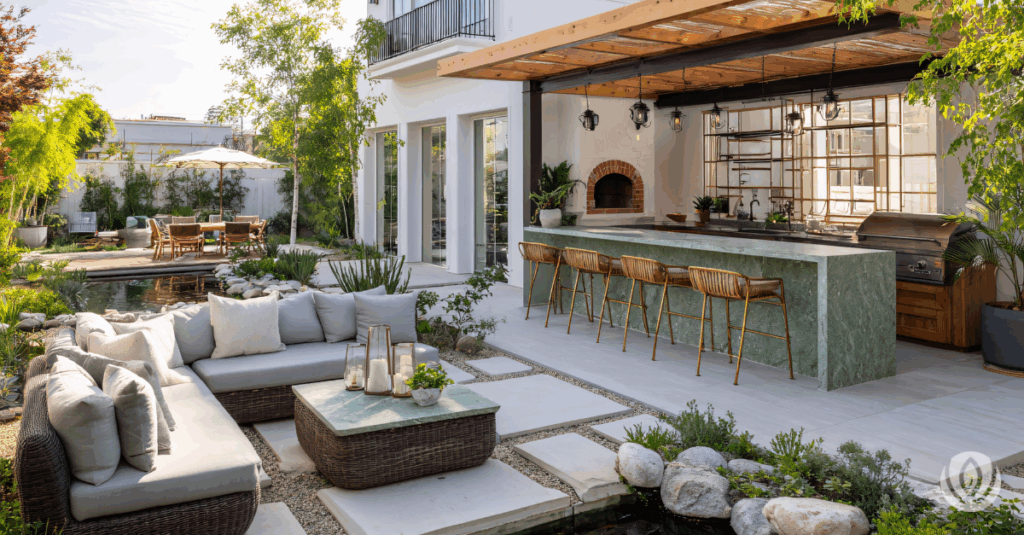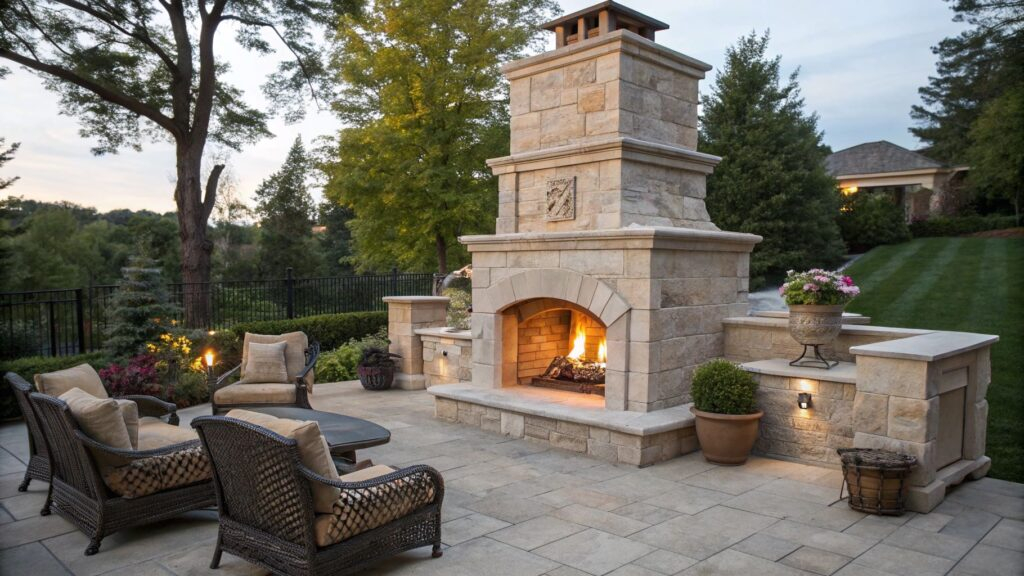
We’ve all been there. You look at your front yard, maybe a side garden, and you see the potential. It’s lush. It’s inviting. Then, reality hits. Someone you love needs help getting in and out of the house. Suddenly, that vision of a pristine lawn gets complicated by the need for a ramp. For years, the default solution was ugly. Bright aluminum tubes that screamed "medical equipment" rather than "welcome home." It felt like a compromise. You had to choose between safety and style. Between independence and curb appeal.
But here’s the good news. In 2026, that choice is obsolete. We don’t have to settle for eyesores anymore. The way we think about mobility has shifted. It’s no longer just about function; it’s about dignity. It’s about making sure that the path to your front door feels like part of the journey, not an obstacle course. When done right, a ramp isn’t just a structure. It’s a bridge. Literally and figuratively. It connects people to their homes, to their gardens, and to their communities. And the best part? It can look so natural that guests might not even realize it’s there until they need it.
Think about it. Why should accessibility feel clinical? Why can’t the route to your entrance be as beautiful as the entrance itself? This guide is here to show you that blending a ramp into your landscape isn’t just possible—it’s actually an opportunity to upgrade your entire outdoor space. We’re talking about materials that age gracefully, plants that soften hard lines, and designs that respect the terrain instead of fighting it. Let’s dive into how you can create a space that works for everyone, without sacrificing the soul of your home.
Rethinking the Ramp as a Landscape Feature
The first step in designing a seamless ramp is changing how you see it. Stop thinking of it as an add-on. Start thinking of it as a pathway. A really gentle, wide, accessible pathway. When you shift that mindset, the design possibilities open up. In recent years, designers have moved away from the straight-shot, industrial look. Instead, they’re looking at the land itself. What does the ground want to do? If you have a sloping yard, a winding ramp can follow the natural contour, making it feel like it grew out of the earth.
This approach does more than just look nice. It simplifies gardening and improves visibility, as noted by experts at National Ramp. By integrating the structure with the surrounding greenery, you polish the overall look of the outdoor space. Imagine a ramp that curves around a mature oak tree, using the tree’s roots as a natural border. Or a switchback design that creates little planting pockets along the turns. These aren’t just tricks to hide the ramp; they’re ways to make the journey up to your door more interesting. It becomes a scenic route, not just a commute.
For many individuals with mobility challenges, this shift is profound. As Home Mobility Pros points out, a wheelchair ramp is a symbol of improved independence. But when that symbol clashes with the beauty of a home, it can feel isolating. Integrating it seamlessly removes that visual stigma. It says, "You belong here," without shouting it. It normalizes accessibility. When a ramp looks like a deliberate part of the garden design, it invites everyone to use the main entrance. No more back-door entries. No more feeling like an afterthought. It’s about creating a unified experience where function and beauty hold hands.
Choosing Materials That Age With Grace
Let’s talk about what your ramp is made of. This is where most people go wrong. They pick the cheapest, fastest option, which is usually bare aluminum or untreated pressure-treated wood. Sure, it works. But it doesn’t blend. Aluminum reflects light in a harsh, artificial way. Cheap wood turns gray and splinters within a season. In 2026, the trend is toward materials that mimic nature or complement the existing hardscape of your home.
Consider composite decking. It’s come a long way. Modern composites offer rich, earthy tones that look like real wood but resist rot and fading. You can choose colors that match your existing deck or porch, creating a visual flow. Stone is another incredible option. Natural stone pavers or stamped concrete can be textured to provide grip while looking like an extension of your patio. Light and Layer highlights the power of nature-inspired aspects, suggesting the use of stones and organic textures to harmonize with the garden. When the material of the ramp matches the material of your walkway, the eye travels smoothly from one to the other. There’s no jarring break in the pattern.
Don’t forget about railings. They don’t have to be cold metal bars. Glass panels are popular now because they’re invisible from a distance, allowing the view of your garden to remain unobstructed. Wood cap rails on top of metal posts can warm up the look. Or, if you’re going for a rustic vibe, use reclaimed timber for the handrails. The key is continuity. If your house has brick accents, maybe incorporate brick pillars into the ramp structure. If you have a modern minimalist home, sleek black steel might be the perfect fit. The goal is to make the ramp feel like it was planned at the same time as the house, not tacked on twenty years later.
Softening Edges With Strategic Planting
Plants are the ultimate camouflage. They’re soft, they’re alive, and they change with the seasons. Using vegetation to blend a ramp into the landscape is one of the most effective techniques available. But you can’t just throw some seeds at it and hope for the best. You need strategy. The goal is to soften the hard lines of the structure without blocking the path or creating maintenance nightmares.
Start with the base. Skirt the bottom of the ramp with low-growing, dense shrubs. Boxwoods, dwarf ferns, or ornamental grasses work well. They hide the structural supports and the gap between the ramp and the ground. This technique, often discussed in landscaping guides like those from Forever Yard, helps personalize the space. It makes the ramp feel anchored. Along the sides, consider taller plants that draw the eye upward and away from the structure itself. Hydrangeas, azaleas, or even small ornamental trees can create a living wall that frames the path.
However, safety is paramount. You must keep the walking surface clear. Overhanging branches can be hazardous, especially for someone in a wheelchair or using a walker. Stick to plants that grow upright rather than spreading out horizontally over the path. Also, think about maintenance. As Caps Remodeling suggests, regular upkeep is essential. Choose plants that don’t drop excessive leaves or berries onto the ramp, which could create slippery conditions. Evergreens are great for year-round coverage without the mess of autumn leaf drop. And don’t forget scent. Lavender or jasmine planted near the handrail can make the ascent a sensory delight, adding a layer of joy to the functional act of moving through space.
Navigating Uneven Terrain With Custom Designs
Not every yard is flat. In fact, most aren’t. Dealing with uneven terrain is where custom design really shines. Off-the-shelf kits rarely fit well on slopes that aren’t perfectly uniform. This is where working with a designer who understands both engineering and aesthetics pays off. Onward Living HQ highlights several custom installations that solve accessibility issues on difficult terrain while enhancing curb appeal. The trick is to work with the slope, not against it.
If you have a steep grade, a straight ramp might be too long and intrusive. A switchback design—where the ramp turns back on itself—can break up the length and create landing areas. These landings are perfect spots for feature plants or even a small bench for resting. They also provide a chance to change the direction of the view, offering new perspectives of the garden as you ascend. Another option is a curved ramp. Curves feel more natural to the human eye. They mimic the way paths wind through forests. A gentle arc can make a long ramp feel shorter and less imposing.
For really tricky spots, consider terracing. Instead of one long continuous slope, break the elevation change into smaller steps connected by short ramp sections. This integrates the ramp into a tiered garden design. Each level can have its own planting scheme, creating a layered look that adds depth to the yard. This approach also helps with drainage, preventing water from rushing down the entire length of the ramp during heavy rains. By treating the ramp as a series of connected garden rooms, you transform a logistical challenge into a design feature. It becomes a journey through the landscape, with each turn revealing something new.
Lighting and Details That Enhance Safety and Style
As the sun goes down, your ramp needs to remain safe and inviting. Lighting is crucial, but it’s also a powerful design tool. Poor lighting can make a ramp feel dangerous and unwelcoming. Good lighting makes it feel like a guided path. In 2026, LED technology allows for subtle, energy-efficient solutions that don’t glare. Avoid floodlights that blast the area with harsh white light. Instead, opt for warm-toned lights that mimic the glow of sunset.
Recessed step lights are a game-changer. Installed into the side of the ramp or under the handrail, they illuminate the path without shining directly into users’ eyes. This provides clear visibility of the edges and any changes in elevation. Solar-powered markers along the border of the ramp can also define the path softly. Cairo Contracting notes that blending aluminum ramps into yard styles often involves these subtle touches. The light should guide, not dazzle. Think of it as creating a runway for arrival, ensuring that everyone feels secure stepping onto the property at night.
Details matter too. Consider the hardware. Are the screws visible? Can they be color-matched to the decking? What about the transition points where the ramp meets the porch or the ground? These joints should be smooth and flush to prevent tripping hazards. Adding a non-slip texture is vital, but it doesn’t have to look like sandpaper. Many modern materials have built-in traction patterns that are effective yet aesthetically pleasing. Even the color of the fasteners can make a difference. Taking the time to refine these small elements shows care and attention. It signals that this space was designed with love, not just code compliance. It’s the difference between a structure that tolerates you and one that welcomes you.
A beautiful ramp is only beautiful if it’s well-kept. Neglect turns even the best-designed structures into eyesores. Regular maintenance is essential to ensure safety and preserve the aesthetic integration you’ve worked hard to achieve. This doesn’t mean spending every weekend scrubbing. It means establishing a simple routine that keeps things running smoothly. Foreveryard.com emphasizes that ongoing care is key to keeping accessibility and aesthetics in balance.
Start with cleaning. Dirt, moss, and algae can build up, especially in shaded areas. This isn’t just ugly; it’s slippery. A simple wash with a mild detergent and a soft brush once or twice a year can prevent buildup. Check the drainage around the base of the ramp. Ensure that water flows away from the structure to prevent erosion or wood rot. If you have wooden elements, inspect them annually for signs of wear or damage. Re-seal or stain as needed to protect against the elements. For composite or metal ramps, check for loose fasteners or connections. Tighten them up before they become problems.
Plant maintenance is equally important. Trim back any foliage that starts to encroach on the path. Keep the sightlines clear. Replace any plants that die or struggle to thrive. A dead bush next to a ramp looks neglected. A thriving one looks intentional. Also, consider the seasonal changes. In winter, ensure that snow and ice removal plans are in place. Avoid using harsh salts that can corrode metal or damage wood. Use sand or pet-safe ice melts instead. By treating the ramp as a living part of your garden ecosystem, you ensure it remains a source of pride and utility for years to come. It’s an investment in your home’s future, and like any investment, it requires a little attention to yield returns.
So, where does this leave us? We’ve moved past the era where accessibility meant sacrificing beauty. In 2026, we know better. We know that a ramp can be a stunning element of landscape design. It can curve with the land, blend with the stones, and bloom with the flowers. It can be lit warmly and maintained with care. It can be a symbol of inclusion that enhances the value and charm of your home.
The key is intention. Don’t just install a ramp. Design a path. Think about the materials, the plants, the light, and the flow. Talk to designers who understand this holistic approach. Look at examples that inspire you. Remember that this structure is for people. It’s for your grandmother, your child, your friend, or yourself. It deserves to be treated with the same respect and creativity as any other part of your home.
When you get it right, the result is magical. The ramp disappears into the landscape, leaving only the feeling of ease and welcome. It becomes invisible not because it’s hidden, but because it fits so perfectly. It belongs. And in a world that often feels fragmented, creating spaces that connect us seamlessly is perhaps the most beautiful thing we can do. So go ahead. Plant those shrubs. Choose that warm wood. Light the way. Your home—and everyone who enters it—will thank you.
[sps_html tag=”img” src=”https://cdn.northcarolinafinearchitecture.com/2026/05/curb-ramp-2025-ada-compliance-safety-with-the-essential-guide-to-calculating-slope-for-safe-outdoor-ramps.jpg” alt=”Curb Ramp: 2025 Ada Compliance & Safety with The Essential Guide to Calculating Slope for Safe Outdoor Ramps” style=”width: 100%; height: auto;”]
[sps_html tag=”img” src=”https://cdn.northcarolinafinearchitecture.com/2026/05/essential-guide-to-wheelchair-ramp-angles-gilani-mobility-in-the-essential-guide-to-calculating-slope-for-safe-outdoor-ramps.jpeg” alt=”Essential Guide To Wheelchair Ramp Angles - Gilani Mobility in The Essential Guide to Calculating Slope for Safe Outdoor Ramps” style=”width: 100%; height: auto;”]
[sps_html tag=”img” src=”https://cdn.northcarolinafinearchitecture.com/2026/05/wheelchair-ramp-slope-chart-percent-of-grade-formula-throughout-outdoor-ramp-design.gif” alt=”Wheelchair Ramp Slope Chart & Percent Of Grade Formula throughout Outdoor Ramp Design” style=”width: 100%; height: auto;”]
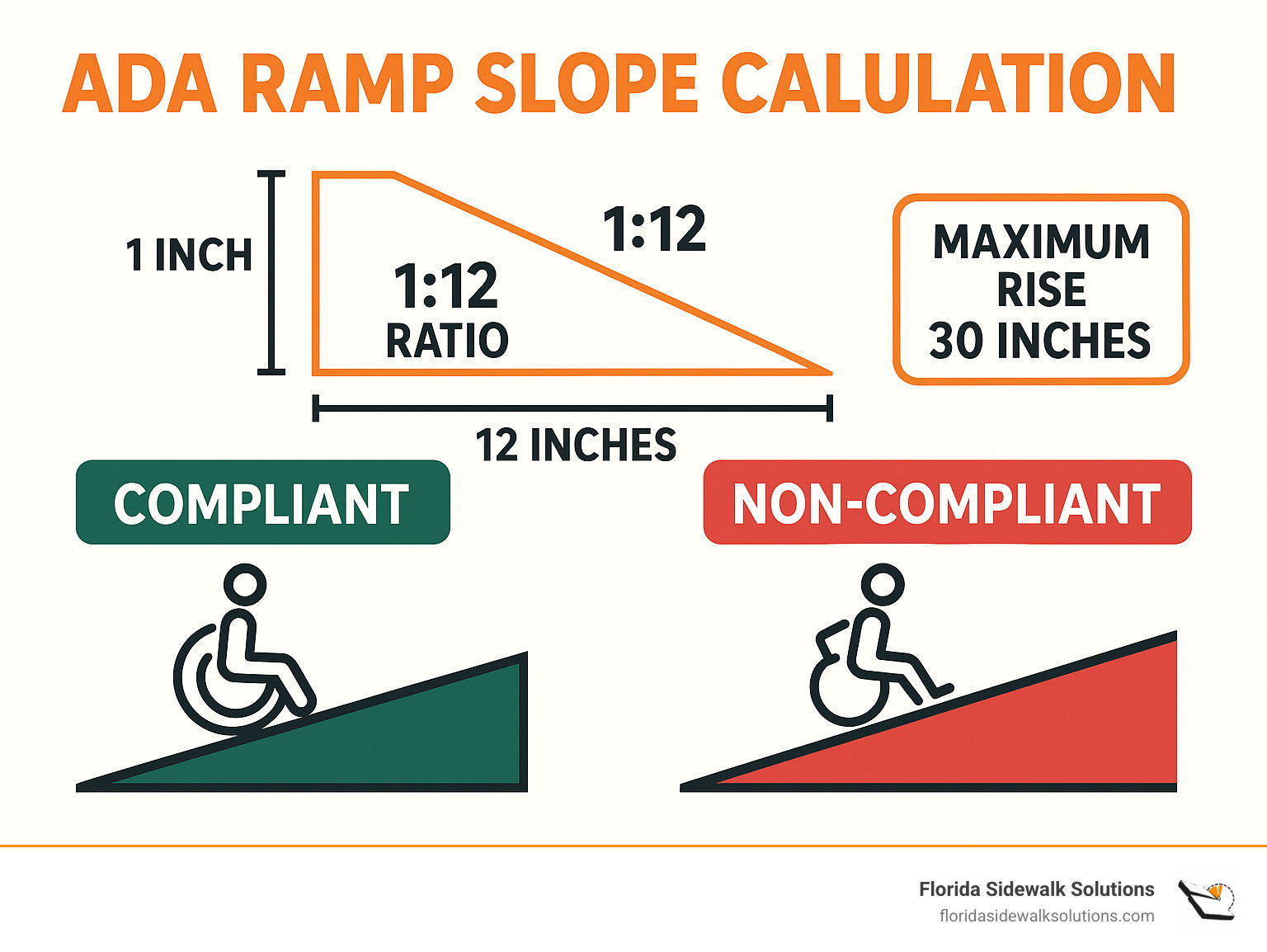
[sps_html tag=”img” src=”https://cdn.northcarolinafinearchitecture.com/2026/05/ada-ramp-slope-crucial-112-safety-guide-throughout-outdoor-ramp-design.jpg” alt=”Ada Ramp Slope: Crucial 1:12 Safety Guide throughout Outdoor Ramp Design” style=”width: 100%; height: auto;”]
[sps_html tag=”img” src=”https://cdn.northcarolinafinearchitecture.com/2026/05/how-to-calculate-the-slope-on-a-ramp-hunker-ramps-architecture-for-outdoor-ramp-design.jpg” alt=”How To Calculate The Slope On A Ramp | Hunker | Ramps Architecture … for Outdoor Ramp Design” style=”width: 100%; height: auto;”]