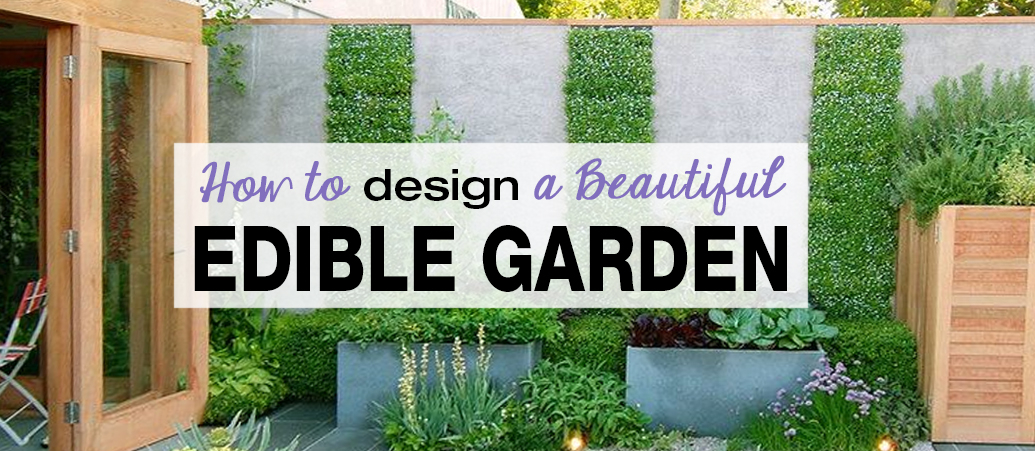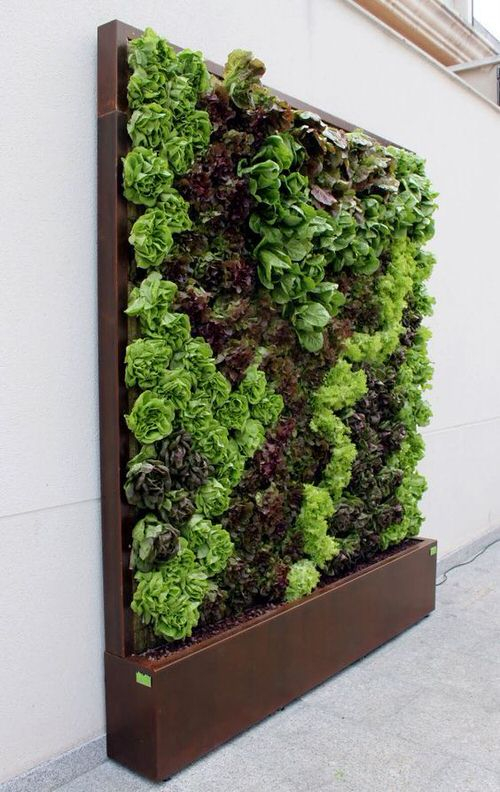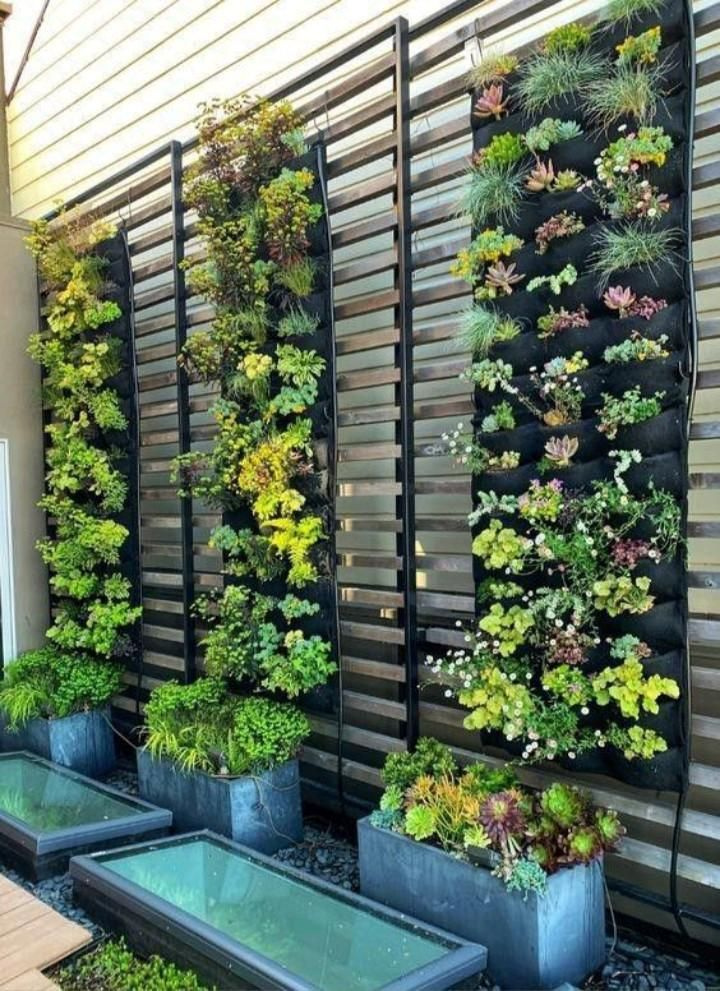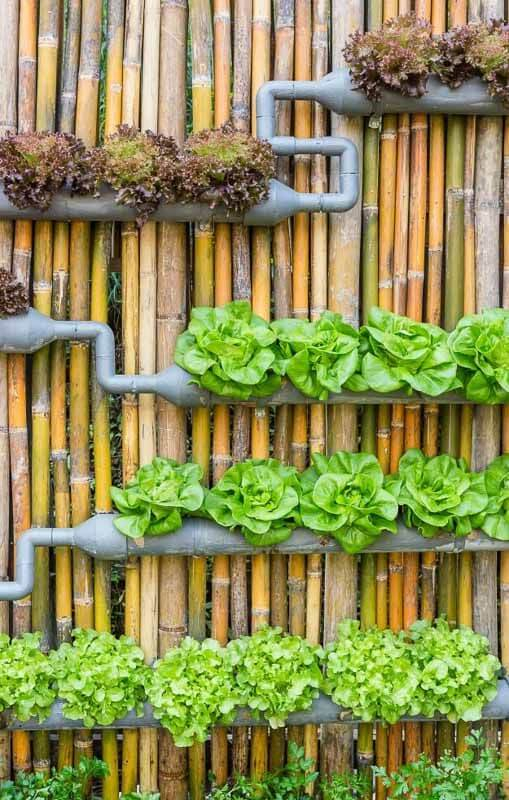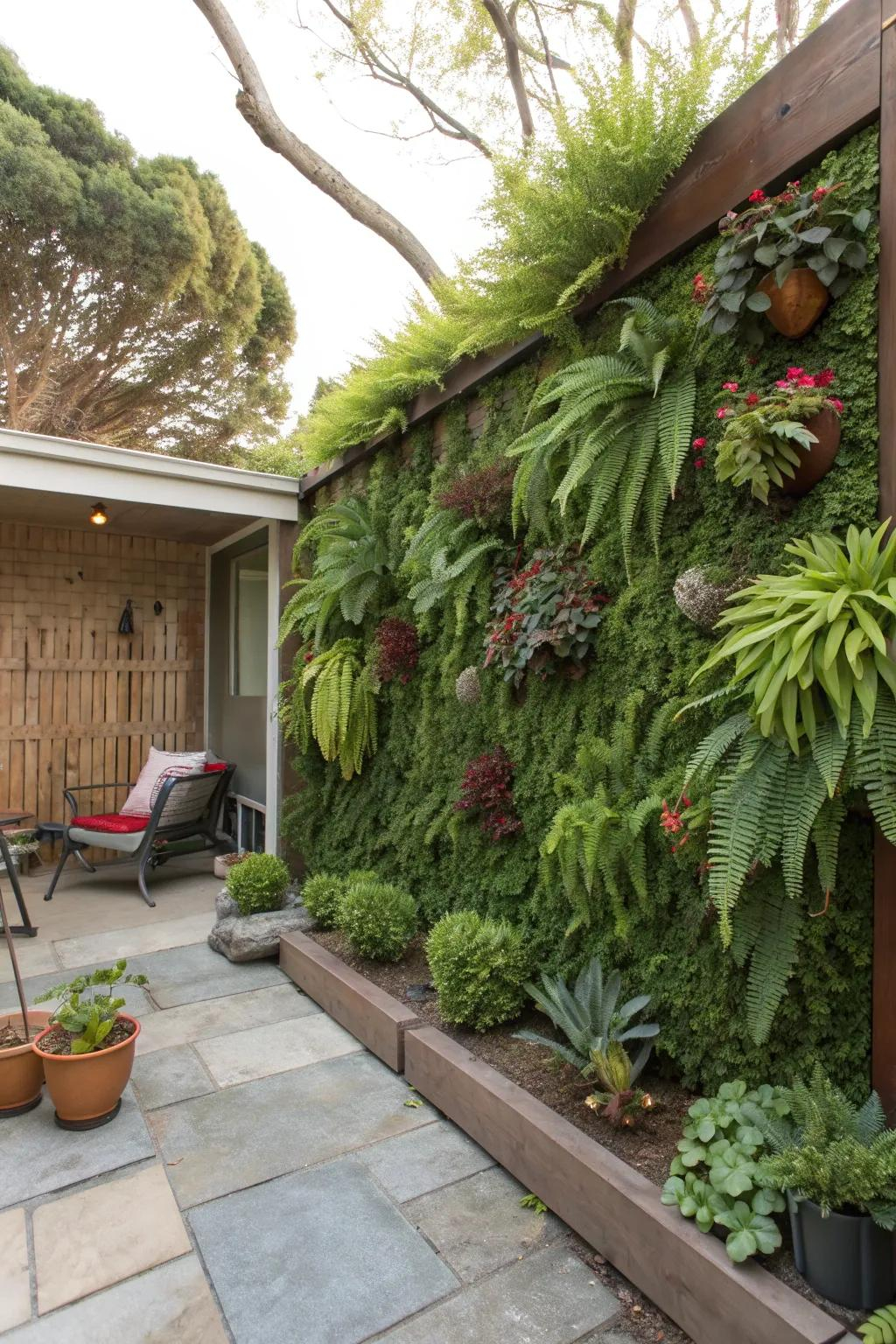
Ever looked at that bare, boring wall in your apartment or tiny backyard and thought, "What a waste"? You’re not alone. In 2026, more people than ever are turning those vertical eyesores into vibrant, edible ecosystems. It’s not just about saving space; it’s about reclaiming a bit of nature in our concrete jungles. Imagine stepping out onto your balcony, snipping a few leaves of crisp lettuce, and tossing them into a bowl for dinner. No grocery store run, no plastic packaging, just fresh food.
It sounds almost too good to be true, right? But vertical gardening has moved way past the experimental phase. It’s mainstream now. Whether you’re renting a studio in the city or have a small patio that gets overlooked, growing up is the smartest move you can make. This guide isn’t just theory; it’s a deep dive into how you can actually pull this off without spending a fortune or needing a degree in horticulture. Let’s dig in.
Why Go Vertical? The Logic Behind the Lift
Let’s be honest, most of us don’t have acres of land. In fact, many of us are lucky to have a windowsill. Traditional gardening demands horizontal space, which is exactly what we lack. By shifting your perspective—literally—you unlock a whole new dimension for growing. A single square foot of floor space can become ten square feet of growing area if you utilize the wall above it. That’s a game changer.
But it’s not just about quantity. Vertical gardens often suffer from fewer pests because they’re elevated off the ground. Slugs and snails, the bane of every gardener’s existence, struggle to climb smooth vertical surfaces. Plus, air circulation is usually better up high, which means less fungus and mildew on your delicate greens. It’s a healthier environment for your plants, which translates to healthier food for you.
There’s also the mental health aspect. Studies continue to show that interacting with greenery reduces stress. When you live in a small box, having a living wall gives you a focal point of calm. It’s therapeutic to water them, check for new growth, and harvest your own lunch. It connects you to the seasons, even if you’re surrounded by steel and glass.
Choosing the Right Structure for Your Space
Not all walls are created equal, and neither are all vertical garden systems. Before you buy anything, look at your space. Do you have a solid brick wall, a wooden fence, or just a railing? For renters, non-permanent solutions are key. Hanging pocket planters made from felt or fabric are fantastic because they’re lightweight and won’t damage paint. You can hang them with command hooks or over a balcony rail.
If you own your place or have permission to drill, mounted planter boxes offer more stability. Wooden crates stacked in a staggered pattern create a rustic look and provide deep soil pockets for root vegetables like radishes. Another popular option in 2026 is the modular panel system. These are plastic or metal grids that clip together, allowing you to expand your garden as your confidence grows. They’re sleek, modern, and often come with built-in irrigation channels.
Don’t forget about repurposing items. Old shoe organizers, gutters, and even pallets can be transformed into incredible growing spaces. A clean, food-safe pallet lined with landscape fabric makes a sturdy frame for herbs. Just ensure whatever material you choose can handle the weight of wet soil. Water is heavy, and a structure that looks fine when dry might sag or break when saturated. Always test your setup with water before planting.
Best Plants for Your Vertical Salad Bar
Not every plant loves living on a wall. You need varieties that have shallow root systems and don’t get too top-heavy. Leafy greens are the stars here. Lettuce, especially loose-leaf varieties like arugula, spinach, and kale, thrive in vertical setups. They grow fast, so you can practice "cut-and-come-again" harvesting. Snip the outer leaves, and the center keeps producing. It’s like having an endless salad machine.
Herbs are another no-brainer. Basil, cilantro, parsley, and chives do wonderfully in pockets. They don’t need much depth, and having them arm’s reach away makes cooking so much more enjoyable. Imagine reaching out and grabbing fresh basil for your pasta sauce instead of letting the dried stuff sit in your cupboard. Strawberries are also a surprise hit. Trailing varieties spill over the edges of pockets, creating a beautiful cascade of green and red.
Avoid large fruiting plants like tomatoes or peppers unless you have a very robust, deep-container system. They get heavy and require significant support. Stick to the quick growers. Microgreens are also an excellent addition for the shadiest spots. They grow in just a week or two and pack a nutritional punch. Mix different textures and colors—purple kale next to bright green lettuce—to make your wall visually striking as well as delicious.
Soil, Water, and Light: The Tricky Trio
Here’s where most beginners stumble. Vertical gardens dry out faster than ground beds because they’re exposed to wind and sun on all sides. Regular potting soil is often too dense and can compact, suffocating roots. Instead, use a high-quality potting mix amended with perlite or vermiculite for drainage. Some gardeners add coconut coir to help retain moisture without making the soil soggy. It’s a balancing act.
Watering is critical. In the heat of summer, you might need to water twice a day. Drip irrigation systems are worth the investment. You can set up a simple timer-connected hose that drips water directly into each pocket. If that’s too tech-heavy for you, consider self-watering planters. They have a reservoir at the bottom that wicks water up to the roots, reducing the frequency of watering. Just keep an eye on them; neglect is the fastest way to kill a vertical garden.
Light is the third piece of the puzzle. Most salad greens need at least 4-6 hours of direct sunlight. Observe your wall throughout the day. Does it get morning sun? Afternoon shade? If your wall is shady, stick to spinach and mint, which tolerate lower light. If it’s a scorching south-facing wall, you’ll need heat-tolerant varieties like Swiss chard. Don’t fight your environment; work with it. If natural light is scarce, LED grow lights designed for indoor walls can supplement, but they add to the energy bill.
DIY Projects You Can Build This Weekend
You don’t need to hire a contractor to start. One of the easiest projects is the gutter garden. Buy vinyl rain gutters from a hardware store, cap the ends, and mount them horizontally on your wall using brackets. Drill small drainage holes in the bottom. Fill them with soil and plant lettuce or strawberries. It’s cheap, effective, and looks industrial-chic. You can stack three or four gutters vertically to maximize space.
Another fun project is the hanging bottle garden. Clean out large plastic soda bottles, cut a hole in the side, and fill them with soil. Hang them upside down or sideways using wire or rope. This is great for herbs like thyme or oregano. It’s also a fantastic way to recycle plastic. Just make sure the bottles are secure; wind can knock them around. Add some color by painting the outside of the bottles before planting.
For a more rustic vibe, try a ladder planter. Lean an old wooden ladder against your wall and place potted plants on each rung. You can secure the pots with zip ties so they don’t slide off. This allows you to move plants around easily if one isn’t thriving. It’s flexible and requires zero construction skills. The key is to start small. Build one section, see how it works, and then expand. Don’t overwhelm yourself with a massive project on day one.
A vertical garden isn’t a "set it and forget it" deal. It requires regular attention. Check for pests weekly. Aphids love tender new growth on vertical plants. A strong spray of water or a bit of neem oil usually keeps them at bay. Because your plants are close together, diseases can spread quickly, so remove any yellowing or diseased leaves immediately. Hygiene is key in tight spaces.
Feeding is also important. Since you’re washing nutrients out with frequent watering, you need to replenish them. Use a liquid organic fertilizer every two weeks. Seaweed extract is a gentle option that provides trace minerals. Avoid heavy chemical fertilizers that can burn roots in confined spaces. Compost tea is another great homemade option if you have access to compost. It adds beneficial microbes to the soil, boosting plant health.
Pruning keeps your wall looking tidy and productive. Don’t let plants get leggy. Pinch back herbs to encourage bushier growth. Harvest regularly; the more you pick, the more they produce. If a plant dies, replace it quickly to avoid gaps in your living wall. Rotate crops if possible. If you’ve grown lettuce in a pocket for months, switch to herbs for a season to prevent soil depletion. Treat your wall like a dynamic, changing canvas rather than a static decoration.
Growing your own salad on a wall is one of the most rewarding things you can do in a small space. It turns a blank surface into a source of food, beauty, and peace. You don’t need a green thumb to start; you just need curiosity and a willingness to learn. Start with a few pockets of lettuce, see how they do, and go from there.
The barrier to entry has never been lower. With affordable materials and plenty of online communities sharing tips, you’re never alone in the process. In 2026, sustainability isn’t just a buzzword; it’s a lifestyle. And nothing tastes quite as sweet as a salad you grew yourself, suspended in the air, defying the limits of your floor plan. So, grab a trowel, find that empty wall, and start growing. Your future self will thank you for the fresh greens and the quiet moments spent caring for them.
[sps_html tag=”img” src=”https://cdn.northcarolinafinearchitecture.com/2026/06/edible-living-wall-ideas-at-andy-marjorie-blog-pertaining-to-outdoor-edible-wall-design.jpg” alt=”Edible Living Wall Ideas At Andy Marjorie Blog pertaining to Outdoor Edible Wall Design” style=”width: 100%; height: auto;”]
[sps_html tag=”img” src=”https://cdn.northcarolinafinearchitecture.com/2026/06/how-to-design-a-beautiful-edible-garden-lori-dennis-in-outdoor-edible-wall-design.jpg” alt=”How To Design A Beautiful Edible Garden – Lori Dennis in Outdoor Edible Wall Design” style=”width: 100%; height: auto;”]
[sps_html tag=”img” src=”https://cdn.northcarolinafinearchitecture.com/2026/06/15-edible-living-wall-ideas-for-small-spaces-balcony-garden-web-inside-designing-an-edible-wall-that-looks-stunning-and-tastes-even-better.jpg” alt=”15 Edible Living Wall Ideas For Small Spaces | Balcony Garden Web inside Designing an Edible Wall That Looks Stunning and Tastes Even Better” style=”width: 100%; height: auto;”]
[sps_html tag=”img” src=”https://cdn.northcarolinafinearchitecture.com/2026/06/edible-walls-gallery-artofit-with-regard-to-outdoor-edible-wall-design.jpg” alt=”Edible Walls Gallery – Artofit with regard to Outdoor Edible Wall Design” style=”width: 100%; height: auto;”]
[sps_html tag=”img” src=”https://cdn.northcarolinafinearchitecture.com/2026/06/17-brilliant-edible-living-wall-ideas-to-grow-more-in-less-space-pertaining-to-designing-an-edible-wall-that-looks-stunning-and-tastes-even-better.jpg” alt=”17 Brilliant Edible Living Wall Ideas To Grow More In Less Space pertaining to Designing an Edible Wall That Looks Stunning and Tastes Even Better” style=”width: 100%; height: auto;”]