You hear the wind howling outside. It’s a sound that triggers something primal in all of us. Maybe you’re sitting in your living room, watching the trees bend, wondering if your roof will hold. Most people look at the big sheets of metal on top and think, "That looks solid." And sure, the panels are tough. But the real battle? It’s happening at the edges. It’s happening in the corners. It’s happening where the roof meets the wall. That’s where the flashing lives. And that’s exactly where the physics gets weird, wild, and often destructive.
We’ve spent decades treating flashing like an afterthought. A trim piece. A cosmetic finish. But in 2026, we know better. The data doesn’t lie. When a hurricane or a severe thunderstorm tears a roof apart, it rarely starts in the middle of the field. It starts at the perimeter. It starts with a tiny lift at the eave. A flutter at the gable. Once that first piece of metal gives way, the rest is just dominoes falling. Understanding why this happens isn’t just for engineers in lab coats. It’s for anyone who wants their home to stay dry when the sky turns gray.
Let’s talk about what’s actually going on up there. Because it’s not just "wind pushing down." It’s suction. It’s turbulence. It’s pressure differentials that can rip steel off a building like paper. If you’ve ever wondered why your neighbor’s roof stayed put while yours took a hit, the answer probably lies in those few inches of metal bending around the edge. Let’s dive into the hidden physics that governs these critical components.
The Suction Effect: Why Wind Pulls Instead of Pushes
Most folks imagine wind as a force that pushes against things. Like leaning into a gale. But on a roof, especially near the edges, wind acts more like a vacuum cleaner. This is called negative pressure, or suction. When high-speed wind hits the leading edge of a roof—say, the eave—it separates from the surface. It creates a vortex. A swirling pocket of low pressure that literally tries to suck the roofing materials upward.
Think about it like this. Have you ever held your hand out of a car window? If you tilt it just right, it gets pulled up or down. That’s lift. Roofs experience the same thing. The faster the wind moves over the edge, the lower the pressure becomes above the flashing. Meanwhile, the air inside your attic or under the roof deck is still at normal atmospheric pressure. That difference? That’s the enemy. It creates an upward force that can be thousands of pounds per square foot in extreme events.
This is why standard testing often fails to predict real-world performance. Old methods assumed uniform pressure. But we now know, thanks to full-scale experiments at places like the Wall of Wind in Florida, that the peak suctions happen in specific spots. Corners. Edges. Ridges. These are the "high-velocity zones." If your flashing isn’t designed to resist that specific upward pull, it doesn’t matter how thick the metal is. It’s going to peel back. And once it peels, the wind gets underneath. Game over.
The Corner Vortex: Where Turbulence Goes to Party
If the eave is bad, the corner is worse. Aerodynamically speaking, roof corners are chaos. When wind hits a building, it doesn’t just flow smoothly around the box. It separates. It creates what engineers call "conical vortices." These are twisting columns of air that spiral down from the roof edge toward the center. They’re intense. They’re localized. And they generate some of the highest suction pressures found anywhere on a structure.
Imagine a tornado, but tiny. Just a few feet wide. That’s what’s happening at your roof’s hip or gable end. These vortices move around, too. They’re not static. They dance across the surface, creating fluctuating loads. One second, the pressure is high. The next, it’s incredibly low. This cycling fatigues the metal. It loosens fasteners. It weakens the sealant. Over time, even a moderate storm can cause damage because the material has been worked to death by these invisible twisters.
Research from Texas Tech and other institutes has shown that pressure coefficients at corners can be two or three times higher than in the center of the roof. Yet, how often do we see extra reinforcement there? Rarely. We tend to use the same flashing profile all the way around. It’s a mismatch of engineering and reality. The physics demands more strength at the corners, but our installation practices often treat them the same as the straight runs. That’s a gap we need to close. Especially as climate patterns shift and storms get more volatile in 2026.
The Lever Arm: Geometry’s Role in Failure
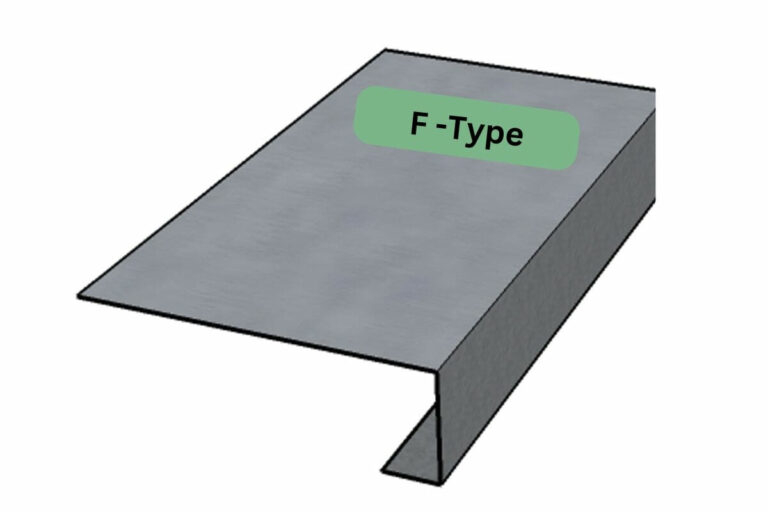
Here’s a simple physics concept that causes massive headaches: the lever arm. Flashing isn’t just a flat sheet. It bends. It has legs. It has faces. When wind lifts the outer edge of a flashing piece, that edge acts as a lever. The further out the face extends, the more torque it applies to the fastener holding it down. It’s basic mechanics. Force times distance equals torque.
Let’s say you have a drip edge that sticks out four inches. The wind sucks up on that tip. The fastener is maybe one inch back from the edge. That creates a significant prying action. The metal wants to rotate. The fastener wants to pull out. Or the metal itself might tear around the hole. Now, compare that to a flashing with a two-inch face. The lever is shorter. The torque is lower. The system is stronger. It’s not just about using thicker gauge metal. It’s about geometry.
This is why the ANSI/MCA FTS-1-2019 standard was such a big deal. It brought attention to how we test these shapes. It recognized that direct-fastened faces less than four inches behave differently than larger ones. The mode of failure changes. For smaller faces, the metal might yield. For larger ones, the fastener might fail. Understanding this helps designers choose the right profile. You can’t just pick a pretty shape. You have to pick a shape that minimizes the lever arm effect. Otherwise, you’re fighting physics with brute force, and physics usually wins.
Fastener Fatigue: The Hidden Weak Link
We love to talk about metal thickness. 24 gauge. 22 gauge. But the metal isn’t usually the problem. The problem is what holds the metal down. Screws. Clips. Nails. These are small, vulnerable points in a large system. When wind loads fluctuate—remember those dancing vortices?—they create cyclic stress on these fasteners. Back and forth. Up and down. Over thousands of cycles, this leads to fatigue.
Think about bending a paperclip. You don’t break it in one go. You bend it back and forth. Eventually, it snaps. That’s what happens to roof attachments. The wind doesn’t just pull once. It pulses. Each pulse adds micro-damage to the connection. In 2026, we’re seeing more emphasis on dynamic testing because static tests don’t capture this fatigue. A flashing might hold 100 pounds of steady pressure, but fail under 50 pounds of pulsing pressure.
And let’s not forget installation error. A screw driven too tight strips the hole. Too loose, it wobbles. Off-angle, it reduces pull-out resistance. Human error compounds the physics problem. Even the best-designed flashing can fail if the fasteners aren’t placed correctly. Spacing matters. Edge distance matters. The type of substrate matters. It’s a chain, and the fastener is often the weakest link. We need to stop treating them like generic hardware and start treating them like critical structural components. Because that’s what they are.
The Sealant Myth: Why Glue Isn’t Enough
There’s a common belief that if you caulk it, it’s waterproof and windproof. Sealant is great for keeping water out. It’s terrible for holding metal down against wind uplift. Sealants are viscoelastic. They stretch. They creep. Under constant wind load, they deform. They lose their grip. Relying on adhesive alone for wind resistance is a recipe for disaster.
Mechanical attachment is key. The metal needs to be physically locked down. Screws, clips, cleats. These provide the structural resistance. Sealant should only be a secondary barrier. A backup. But too often, we see installers using beads of caulk as the primary method of securing flashings. It looks neat. It looks clean. But when the wind hits 80 mph, that bead of silicone is doing nothing. The metal lifts, the seal breaks, and water pours in.
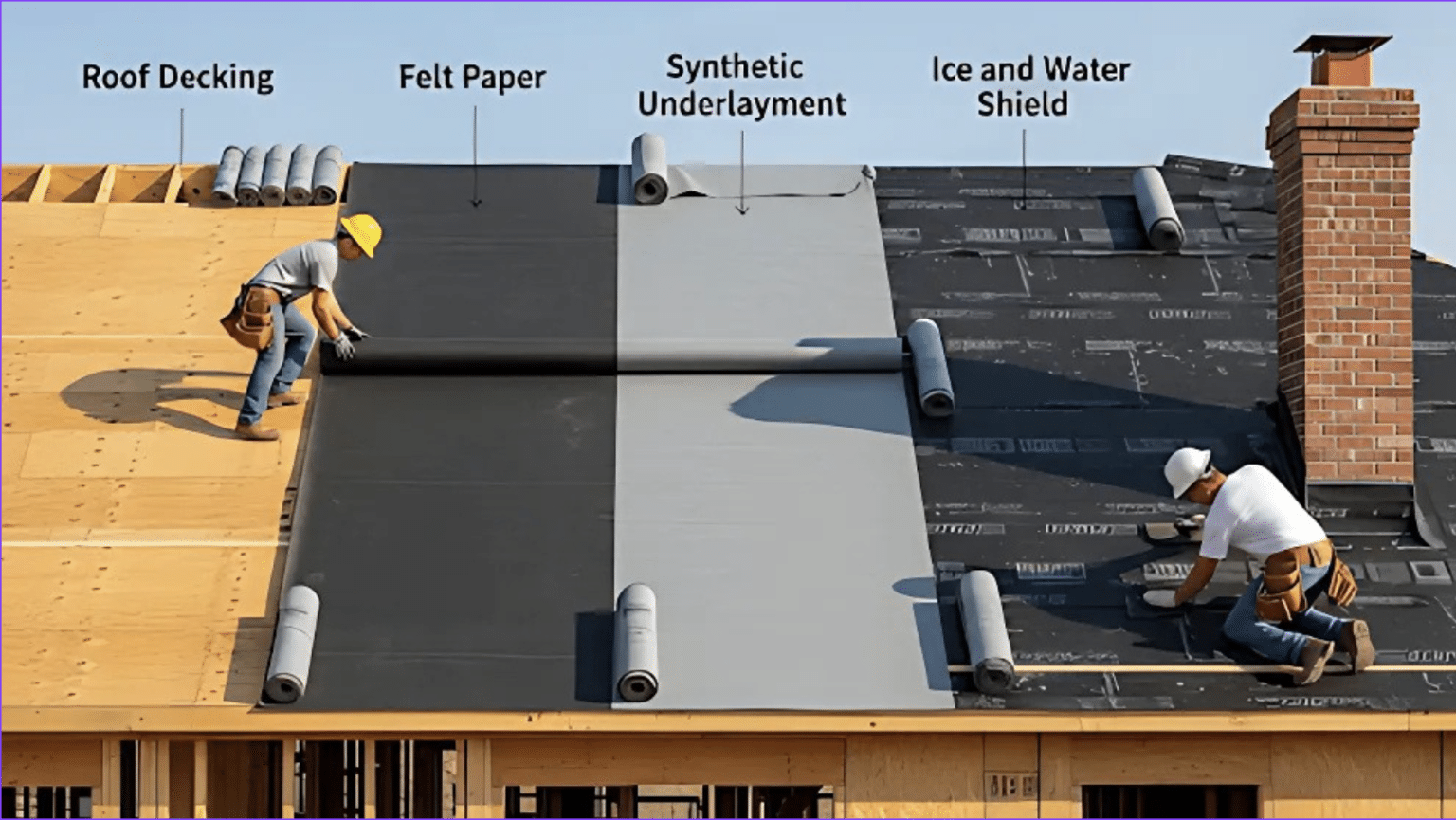
Recent studies on standing seam systems highlight this. The best performing roofs use concealed clips that allow for thermal expansion but lock the panel down mechanically. The flashing should follow the same principle. Integrated cleats. Hemmed edges. Mechanical interlocks. These features transfer the wind load into the structure, not into the glue. If you’re designing or inspecting a roof in 2026, look for the mechanical connections. Ignore the caulk. It’s there for rain, not for wind. Don’t let aesthetics fool you into compromising safety.
We’ve learned a lot from past failures. Hurricanes Andrew, Katrina, Michael. Each one taught us something new about how roofs fail. The industry has responded. The ANSI/MCA FTS-1-2019 standard is a major step forward. It provides a consistent way to test flashing assemblies. It simulates real-world conditions better than old methods. It helps manufacturers prove their products work. And it gives architects and builders data they can trust.
But standards are only as good as their adoption. Are builders following them? Are inspectors checking for compliance? In many areas, yes. But in others, old habits persist. Code minimums are often outdated. They lag behind the science. That’s why education is crucial. Homeowners need to ask questions. Contractors need to stay updated. Engineers need to specify details clearly. It’s a collective effort.
Looking ahead, we’re seeing innovations in materials too. Higher strength alloys. Better coatings. Smart sensors that monitor roof health in real-time. Imagine knowing your flashing is under stress before it fails. That’s not sci-fi. It’s coming. But for now, the basics still apply. Respect the physics. Understand the suction. Reinforce the corners. Trust mechanics over glue. If we do that, our roofs will stand strong. No matter what the weather throws at them.
So, next time you look up at your roof, don’t just see the metal. See the forces at play. See the invisible war between wind and structure. And appreciate the humble flashing. It’s small. It’s quiet. But it’s holding the line. Make sure it’s ready for the fight. Because when the storm comes, it won’t care about your aesthetic choices. It only cares about physics. And now, so should you.
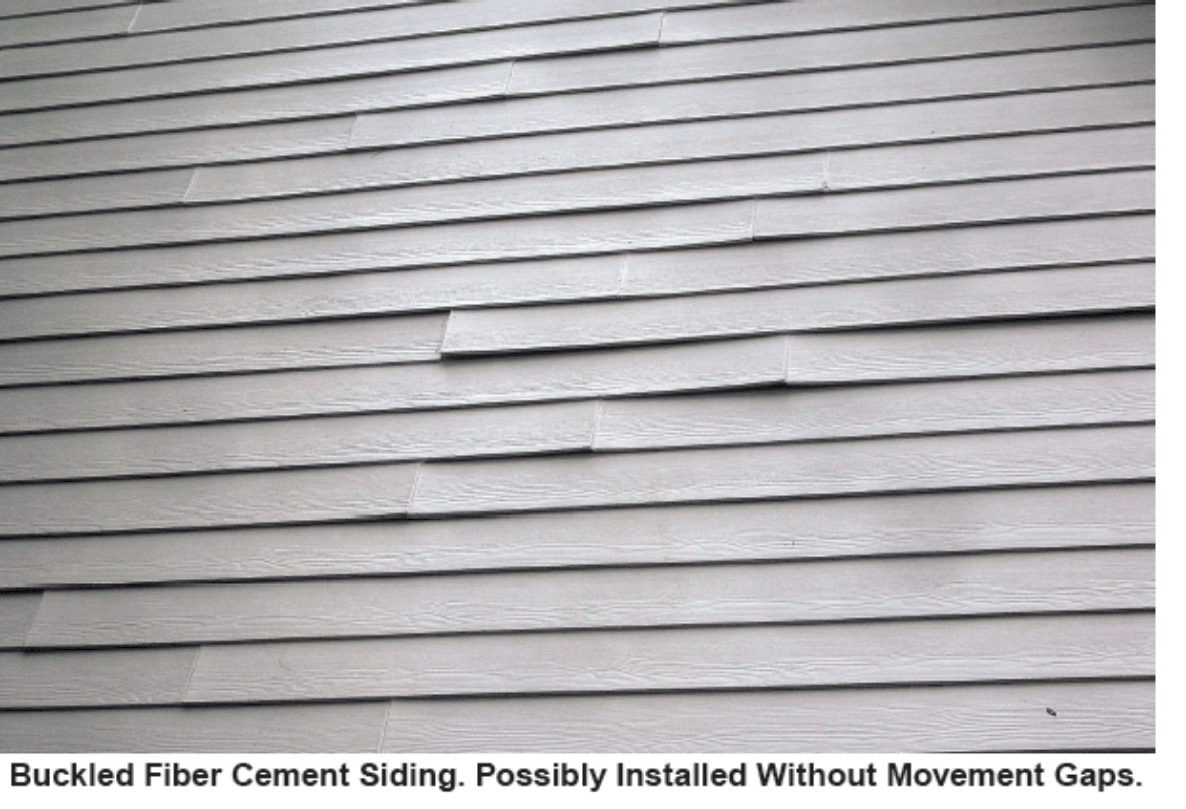
[sps_html tag=”img” src=”https://cdn.northcarolinafinearchitecture.com/2026/05/fiber-cement-siding-in-stittsville-durable-beautiful-exterior-solutions-pertaining-to-flashing-design.png” alt=”Fiber Cement Siding In Stittsville | Durable & Beautiful Exterior Solutions pertaining to Flashing Design” style=”width: 100%; height: auto;”]
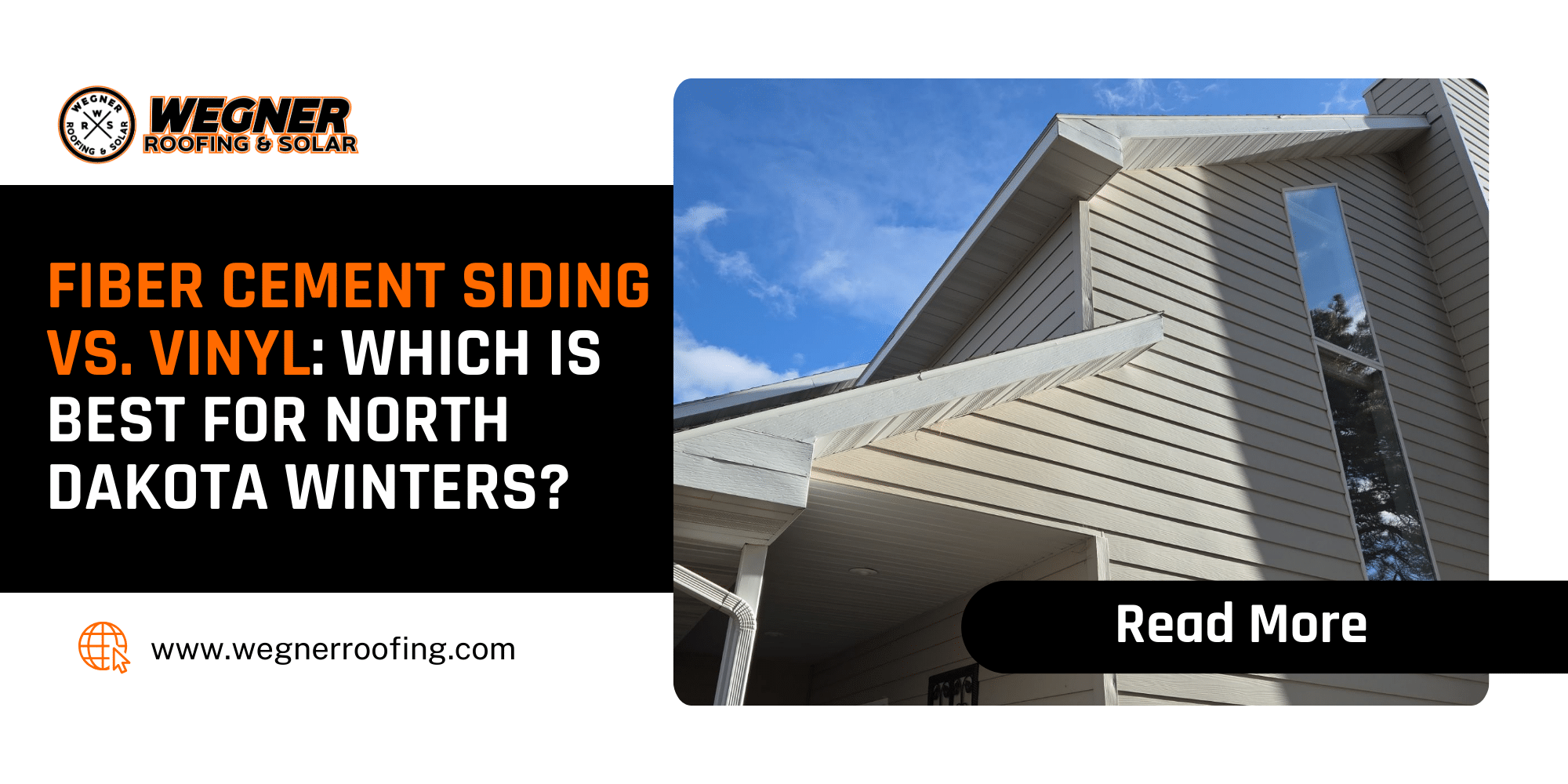
[sps_html tag=”img” src=”https://cdn.northcarolinafinearchitecture.com/2026/05/fiber-cement-siding-vs-vinyl-for-north-dakota-winters-inside-mastering-the-art-of-fiber-cement-siding-protection-in-2026.png” alt=”Fiber Cement Siding Vs. Vinyl For North Dakota Winters inside Mastering the Art of Fiber Cement Siding Protection in 2026″ style=”width: 100%; height: auto;”]
[sps_html tag=”img” src=”https://cdn.northcarolinafinearchitecture.com/2026/05/mastering-the-art-of-nailing-into-fiber-cement-siding-tips-and-tricks-within-flashing-design.webp” alt=”Mastering The Art Of Nailing Into Fiber Cement Siding: Tips And Tricks … within Flashing Design” style=”width: 100%; height: auto;”]
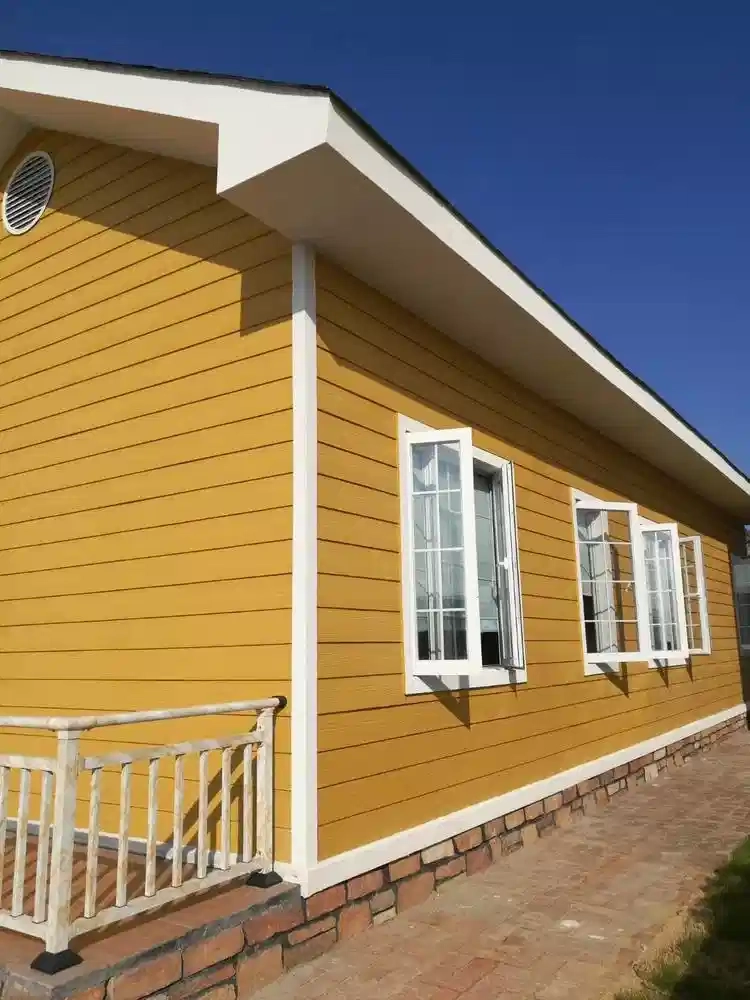
[sps_html tag=”img” src=”https://cdn.northcarolinafinearchitecture.com/2026/05/fiber-cement-siding-home-genius-exteriors-in-mastering-the-art-of-fiber-cement-siding-protection-in-2026.jpg” alt=”Fiber Cement Siding - Home Genius Exteriors in Mastering the Art of Fiber Cement Siding Protection in 2026″ style=”width: 100%; height: auto;”]
[sps_html tag=”img” src=”https://cdn.northcarolinafinearchitecture.com/2026/05/fiber-cement-lap-siding-the-ultimate-choice-for-durable-and-elegant-throughout-flashing-design.webp” alt=”Fiber Cement Lap Siding: The Ultimate Choice For Durable And Elegant … throughout Flashing Design” style=”width: 100%; height: auto;”]