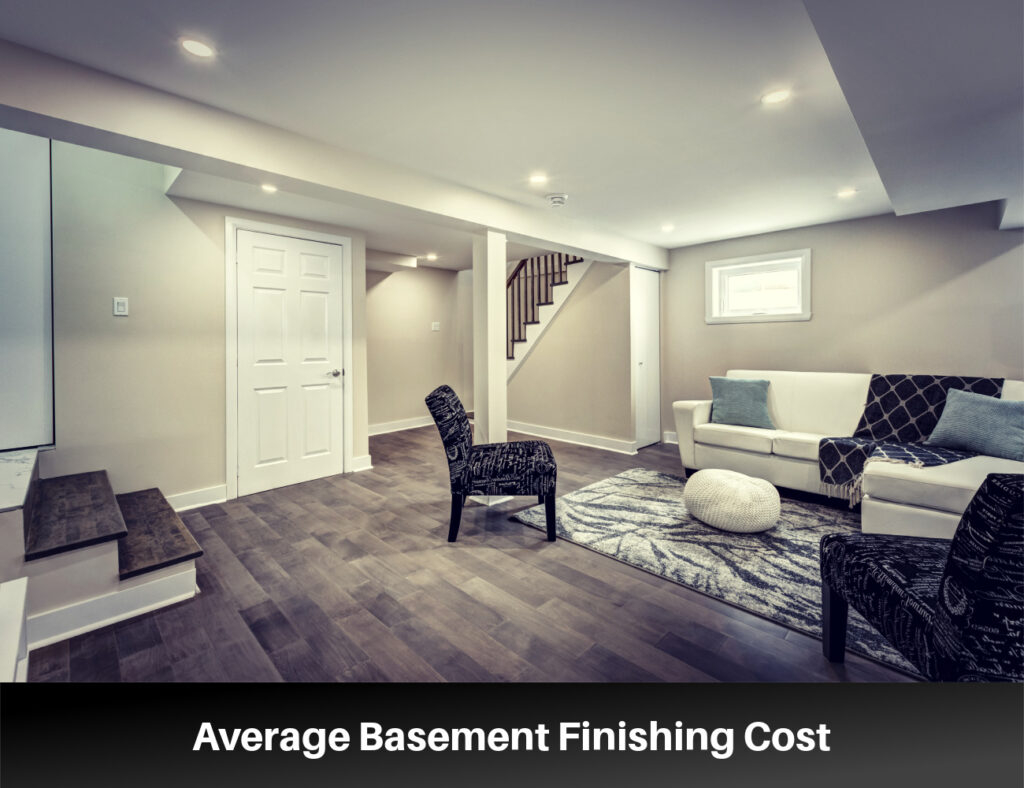
You know that feeling when you walk into your basement? Maybe it’s a bit damp. Maybe it smells like old carpet or just… earth. For decades, we’ve treated basements as afterthoughts. Storage bins. Laundry rooms. Places we go to grab a tool and leave. But things are changing. Fast. In 2026, homeowners are finally waking up to the potential of that square footage beneath their feet. They want gyms. Home theaters. Guest suites. Cozy nooks for reading.
But there’s a catch. Basements are tricky. They’re cold. They’re wet. And traditional building materials? They hate water. Drywall turns to mush. Wood rots. Paint peels. It’s a never-ending battle against humidity and hydrostatic pressure. So, what’s the solution? Enter PVC panels. You might have seen them in commercial spaces or maybe even in your grandma’s bathroom back in the day. But don’t let the old-school vibe fool you. Today’s PVC wall cladding is sleek, modern, and arguably the smartest move you can make for a below-grade renovation.
It’s not just about looks, though they do look great. It’s about peace of mind. Imagine finishing your basement knowing that if a pipe bursts or the sump pump fails, your walls won’t need to be torn out and replaced. That’s the promise of polyvinyl chloride. And this year, more than ever, people are listening. Over 62% of renovation projects recently specified synthetic wall solutions, with PVC leading the charge. Why? Because we’re tired of fixing things that break. We want stuff that lasts. Let’s dig into why this plastic powerhouse is taking over.
The Moisture Problem Is Real (And PVC Has the Answer)
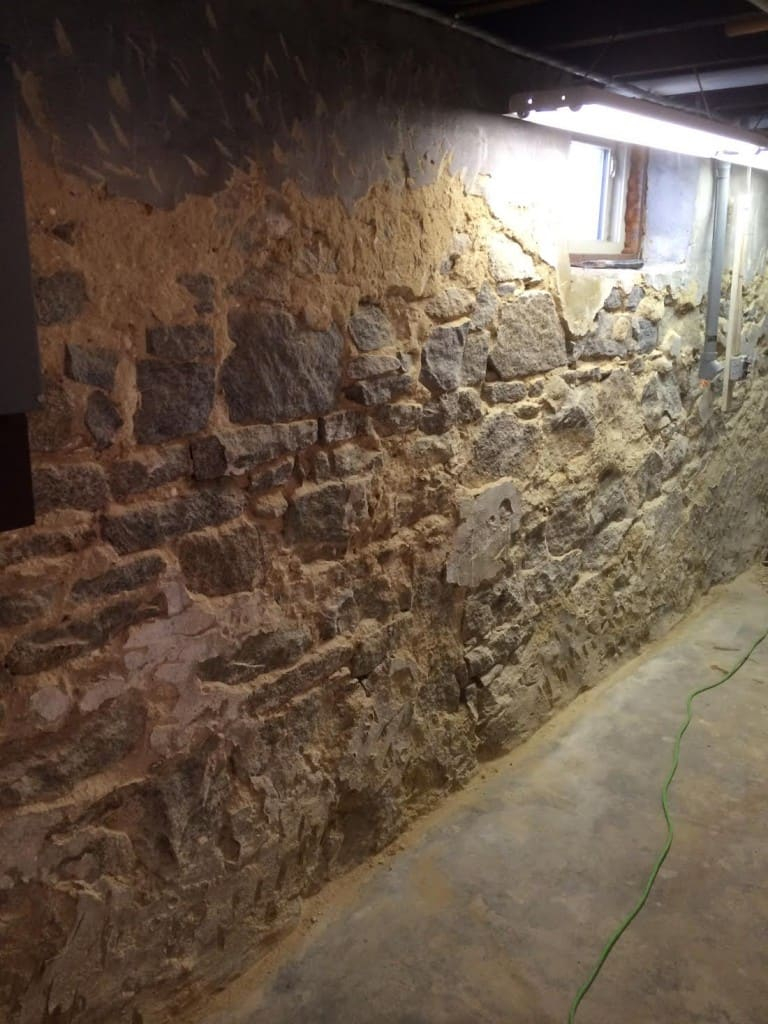
Let’s be honest. Water is the enemy of any basement project. It doesn’t matter how nice your furniture is or how perfect your lighting scheme looks. If your walls are growing mold, you’ve lost. Traditional drywall is basically a sponge. It absorbs moisture from the air and from the concrete behind it. Once it gets wet, it stays wet. And where there’s wet drywall, there’s mold. It’s a health hazard and a financial nightmare.
PVC panels are different. They are inherently waterproof. Not water-resistant. Waterproof. There’s a big difference. Because PVC is a synthetic material, it doesn’t have pores. Water can’t get in. It beads up and rolls off. This means that even in the dampest environments—like a basement with a history of minor seepage—PVC panels will not rot, warp, or harbor mold spores. This is a game-changer. You aren’t just covering up a problem; you’re installing a barrier that actively ignores the problem.
Think about the long-term implications. With drywall, you’re constantly monitoring for soft spots. You’re running dehumidifiers 24/7. You’re praying the weather stays dry. With PVC, you can relax. Sure, you should still manage your home’s drainage and humidity, but your walls aren’t going to betray you. They are durable and long-lasting, designed specifically to withstand the unique challenges of wet environments. This alone changes the way basement walls perform over time, shifting the focus from damage control to actual living.
Installation: A Weekend Project Instead of a Month-Long Ordeal
If you’ve ever tried to hang drywall, you know the drill. It’s heavy. It’s awkward. You need at least two people, preferably three. Then you have to tape, mud, sand, prime, and paint. The dust gets everywhere. It settles in your lungs, your furniture, your coffee mug. It takes days, sometimes weeks, to get a smooth finish. And if you mess up the taping? Start over. It’s exhausting.
PVC panels flip the script. Most modern systems use a tongue-and-groove design or interlocking edges. They click together. Many can be installed directly over existing walls or on simple furring strips. No mudding. No sanding. No painting. You measure, you cut (usually with a simple utility knife or fine-tooth saw), and you snap them into place. What used to be a month-long ordeal can often be completed in a single weekend.
This ease of installation isn’t just about convenience; it’s about cost. Labor is expensive. By reducing the time it takes to install the walls, you save a significant amount of money. Even if the material cost of PVC is slightly higher than drywall upfront, the reduction in labor expenses often makes it cheaper overall. Plus, you don’t need to hire a pro. Many homeowners find these projects totally manageable as DIY tasks. It’s empowering. You get to see real progress, quickly.
Style That Doesn’t Sacrifice Substance
There was a time when "plastic" meant "cheap." Think of those shiny, white panels in old institutional bathrooms. They looked sterile. Cold. Uninviting. But the industry has evolved. Massiveley. Today’s PVC panels come in a staggering array of finishes. You can get wood grains that look so real you’ll want to touch them. Stone textures. Matte finishes. High-gloss modern looks. You name it, it probably exists.
This variety allows you to match any design aesthetic. Want a rustic farmhouse vibe? Choose a reclaimed wood-look panel. Going for industrial chic? Try a concrete-textured finish. Prefer something clean and minimalist? Solid white or light gray panels work beautifully. The key is that you get the look of high-end materials without the maintenance headaches. Wood needs sealing. Stone needs grout cleaning. PVC just needs a wipe down.
And let’s talk about consistency. With natural materials, you get variations. Knots in wood. Color shifts in stone. Sometimes that’s desirable. Sometimes it’s a pain. With PVC, you get uniformity. Every panel looks exactly like the next. This makes planning easier and the final result cleaner. It’s predictable. In a renovation, predictability is a gift. You know exactly what you’re getting, and it looks professional. No patchy paint jobs. No uneven texture. Just smooth, consistent walls that elevate the entire space.
Durability That Stands Up to Life
Basements aren’t just showrooms. They’re living spaces. Kids play down there. Dogs run around. You might set up a home gym with heavy weights. You might host movie nights with popcorn and soda. Life happens. And life is hard on walls. Drywall dents easily. A stray basketball can put a hole in it. A chair back can scuff it. Repairing drywall is possible, but it’s rarely invisible. You always see the patch.
PVC panels are tough. They resist impact better than you’d think. Sure, a sledgehammer will break them, but everyday bumps and bruises? They bounce right off. They don’t dent. They don’t scratch easily. If something does happen, replacing a single panel is straightforward. You just unclip the damaged one and snap in a new one. No spackling. No repainting the whole wall. It’s modular repair.
This durability extends to chemical resistance too. Spilled wine? Marker on the wall? Grease from a home workshop? Most stains wipe off with a mild detergent and a cloth. You don’t need harsh chemicals or special cleaners. This low-maintenance aspect is huge for busy families. You spend less time cleaning and more time using the space. It’s a practical benefit that pays dividends every single week. The walls stay looking new, year after year.
The Financial Picture: Upfront Cost vs. Long-Term Value
Let’s talk money. It’s the elephant in the room. PVC panels often cost more per square foot than basic drywall. If you’re strictly looking at material receipts at the hardware store, drywall wins. But that’s a short-sighted view. Renovation isn’t just about buying stuff; it’s about value over time. When you factor in labor, maintenance, and longevity, the equation changes.
First, consider the labor savings we mentioned. Faster installation means fewer hours paid to contractors. Or, if you’re DIYing, it means less of your valuable weekend time spent sweating over joint compound. Second, think about maintenance. Drywall might need repainting every few years. It might need repairs from moisture damage. PVC needs nothing. Zero. Nada. Over ten or twenty years, those savings add up.
Then there’s the insurance angle. Some insurers are starting to look favorably on moisture-resistant materials in basements. While it’s not a universal rule yet, using materials that mitigate risk can sometimes help with premiums or claims. If a leak occurs, the damage is limited to the water itself, not the structural integrity of your walls. You dry it out, wipe it down, and you’re done. With drywall, you’re cutting out sections, dealing with mold remediation, and rebuilding. That’s thousands of dollars. PVC protects your investment.
We’re all more aware of indoor air quality now. Especially after the last few years. We spend so much time inside. Basements, being below grade, can trap pollutants. Mold spores are a major concern. They trigger allergies, asthma, and other respiratory issues. By eliminating the possibility of mold growth on your walls, PVC panels contribute to a healthier home environment. It’s a subtle but important benefit.
What about the environmental impact of plastic? It’s a valid question. PVC is a synthetic material, and production has an footprint. However, its longevity is a form of sustainability. Because it lasts so long and doesn’t need replacing, it reduces waste over time. You aren’t throwing away sheets of moldy drywall every decade. Many manufacturers are also improving their processes, using recycled content and creating more eco-friendly formulations.
Furthermore, some PVC panels are recyclable at the end of their very long life. It’s not perfect, but it’s better than the cycle of install-damage-replace-dispose that characterizes many traditional building materials. When you choose PVC, you’re choosing a product that stays in place. It doesn’t off-gas harmful VOCs like some paints or adhesives do, especially once installed. It’s stable. It’s safe. And for a space where your kids might be playing on the floor, that stability matters.
So, where does this leave us? The trend isn’t a fluke. It’s a response to real problems. Homeowners are demanding materials that work as hard as they do. They want beauty, yes, but they also want resilience. They want simplicity. PVC panels deliver on all those fronts. They turn the basement from a liability into an asset. From a damp storage cave into a vibrant part of the home.
As we move further into 2026, expect to see even more innovation in this space. Thinner profiles. More realistic textures. Better insulation properties. The technology is maturing. The stigma is fading. What’s left is a practical, stylish, and smart choice for anyone looking to renovate. Whether you’re a seasoned DIYer or a homeowner hiring a pro, PVC deserves a spot on your shortlist.
Don’t let the past define your future basement. Embrace the change. Look at the data. Talk to the builders. See the results. Your basement has potential. It’s waiting for you to unlock it. And maybe, just maybe, the key is a simple, durable, beautiful panel of PVC. It’s time to stop fighting the moisture and start enjoying the space.
[sps_html tag=”img” src=”https://cdn.northcarolinafinearchitecture.com/2026/05/how-should-i-finish-an-existing-basement-wall-jlc-online-basement-within-the-real-cost-of-ignoring-humidity-when-choosing-your-basement-wall-finish.jpg” alt=”How Should I Finish An Existing Basement Wall? | Jlc Online | Basement … within The Real Cost of Ignoring Humidity When Choosing Your Basement Wall Finish” style=”width: 100%; height: auto;”]
[sps_html tag=”img” src=”https://cdn.northcarolinafinearchitecture.com/2026/05/finishing-your-basement-things-to-consider-aprilaire-blog-for-the-real-cost-of-ignoring-humidity-when-choosing-your-basement-wall-finish.png” alt=”Finishing Your Basement - Things To Consider - Aprilaire - Blog for The Real Cost of Ignoring Humidity When Choosing Your Basement Wall Finish” style=”width: 100%; height: auto;”]
[sps_html tag=”img” src=”https://cdn.northcarolinafinearchitecture.com/2026/05/the-real-cost-of-finishing-your-basement-regarding-basement-wall-design.jpg” alt=”The Real Cost Of Finishing Your Basement regarding Basement Wall Design” style=”width: 100%; height: auto;”]
[sps_html tag=”img” src=”https://cdn.northcarolinafinearchitecture.com/2026/05/what-humidity-level-is-best-for-indoor-plants-at-joseph-florence-blog-regarding-the-real-cost-of-ignoring-humidity-when-choosing-your-basement-wall-finish.jpg” alt=”What Humidity Level Is Best For Indoor Plants At Joseph Florence Blog regarding The Real Cost of Ignoring Humidity When Choosing Your Basement Wall Finish” style=”width: 100%; height: auto;”]
[sps_html tag=”img” src=”https://cdn.northcarolinafinearchitecture.com/2026/05/how-a-minor-basement-leak-can-cost-you-big-in-the-long-run-affordable-with-the-real-cost-of-ignoring-humidity-when-choosing-your-basement-wall-finish.jpg” alt=”How A Minor Basement Leak Can Cost You Big In The Long Run | Affordable … with The Real Cost of Ignoring Humidity When Choosing Your Basement Wall Finish” style=”width: 100%; height: auto;”]