Ever bought a plant because it looked gorgeous in the nursery, only to watch it turn into a sad, brown stick a month later? Yeah, we’ve all been there. It’s frustrating. You water it, you talk to it, you maybe even sing to it (no judgment here), but it just doesn’t want to live. Here’s the hard truth: it’s probably not you. It’s the location.
Gardening isn’t just about having a green thumb; it’s about being a detective. You have to understand the scene of the crime—your yard—before you can pick the right residents. In 2026, with weather patterns shifting and water becoming more precious in many areas, guessing is no longer a viable strategy. We need to be smarter. We need to work with nature, not against it. This guide is here to help you stop guessing and start growing. Let’s dive into how you can match plants to your specific slice of earth.
Decoding the Hardiness Zone Map
First things first. You need to know your zone. The USDA Plant Hardiness Zone map is the bible for gardeners, and it got a significant update recently to reflect our changing climate. It’s not just about how cold it gets in winter; it’s about the average annual extreme minimum temperature. If you’re in Zone 7, don’t try to grow a plant that’s only hardy to Zone 9. It’s like trying to wear shorts in a blizzard. It just won’t work.
But here’s where people get tripped up. The zone map is a starting point, not the whole story. Just because a plant is "hardy" in your zone doesn’t mean it will love your specific summer heat. Some plants can survive the winter cold but melt away in July humidity. That’s why you also need to look at heat zones. The American Horticultural Society has a heat zone map that tracks how many days a year the temperature exceeds 86°F. If you live in a place with long, hot summers, ignore this at your peril.
So, how do you use this info? Simple. When you’re shopping or browsing online, check the tag. It’ll usually say something like "Zones 5-8." If you’re in Zone 6, you’re good. If you’re on the edge, say Zone 5, you might need to give that plant some extra protection in winter, like mulch or a burlap wrap. Don’t fight the zone. Embrace it. There are thousands of plants that thrive in your specific range. Find them, and you’ll save yourself a heap of heartache.
Reading the Light in Your Yard
Light is food for plants. Period. But "sun" and "shade" aren’t simple on/off switches. They’re a spectrum. And your yard likely has microclimates that change throughout the day. A spot might be blazing hot at noon but completely shaded by your neighbor’s oak tree by 4 PM. You need to observe. Really observe. Spend a Saturday watching your garden. Note where the shadows fall in the morning, midday, and evening.
Full sun means at least six hours of direct, unfiltered sunlight. This is usually the south or west-facing side of your house in the Northern Hemisphere. Plants like lavender, roses, and most veggies crave this. If you put a shade-lover here, it’ll scorch. It’ll look like it’s been burned. On the flip side, full shade doesn’t mean pitch black. It means less than three hours of direct sun, or dappled light all day. Think ferns, hostas, and impatiens. They’ll rot if you put them in full sun.
Then there’s partial shade or part sun. This is the tricky middle ground. It usually means 3-6 hours of sun, preferably in the cooler morning hours. Afternoon sun is intense and hot; morning sun is gentle. If a plant says "part shade," it’s often telling you it wants a break from the harsh afternoon rays. Don’t assume a shady corner is safe for everything. Some "shade" plants still need bright, indirect light to bloom. If your shade is deep and dark, under a dense canopy, your options are limited. Stick to the tough guys like coral bells or certain grasses.
The Secret Life of Soil
You can have the perfect light and the right zone, but if your soil is terrible, your plants will struggle. Soil is the foundation. Literally. Most people skip the soil test, and that’s a huge mistake. You don’t need a lab coat to figure this out, though sending a sample to your local extension office is cheap and super informative. At the very least, do the squeeze test. Grab a handful of damp soil and squeeze it.
If it forms a tight ball that stays together, you’ve got clay. Clay holds water and nutrients well, but it drains poorly. Roots can drown in clay. If it falls apart immediately and feels gritty, you’ve got sand. Sand drains fast, which is great for avoiding root rot, but it washes away nutrients before plants can eat them. Loam is the goldilocks zone—it holds moisture but drains well. It’s crumbly and dark. Most plants love loam.
Here’s the good news: you can fix almost any soil. For clay, add organic matter like compost or aged manure. This breaks up the heavy particles and lets air and water move through. For sand, you also add organic matter, but it helps hold the water and nutrients in place. Don’t bother with those bagged "topsoils" from the big box store unless you’re filling a hole. Focus on building life in your soil. Earthworms, fungi, bacteria—they’re your underground workforce. Feed them with compost, and they’ll feed your plants. It’s a partnership.
Water Wisdom and Drought Tolerance
Water is becoming a bigger issue every year. In 2026, many regions are facing stricter watering restrictions or simply higher costs. This makes choosing drought-tolerant plants not just eco-friendly, but wallet-friendly. But "drought tolerant" is a vague term. It usually means a plant can survive once it’s established. Key word: established. Every new plant needs regular water for its first season or two while its roots grow deep.
Look for plants with silver or gray leaves, like lamb’s ear or Russian sage. That fuzzy or waxy coating helps them reflect sunlight and hold onto moisture. Succulents and cacti are obvious choices for dry spots, but don’t forget native grasses. They have deep root systems that access water far below the surface. Once they’re settled, they rarely need supplemental watering.
Group your plants by their water needs. This is called hydrozoning. Put your thirsty plants (like hydrangeas or ferns) near the hose or in naturally wetter spots. Put your drought-lovers on the slopes or in the baking sun. This way, you’re not overwatering the tough guys to keep the divas happy. It’s inefficient and can actually kill the drought-tolerant plants by causing root rot. Be honest about how much time you want to spend with a hose. If you hate watering, lean heavily into natives and xeriscaping principles. Your future self will thank you.
Native vs. Non-Native: Making the Choice
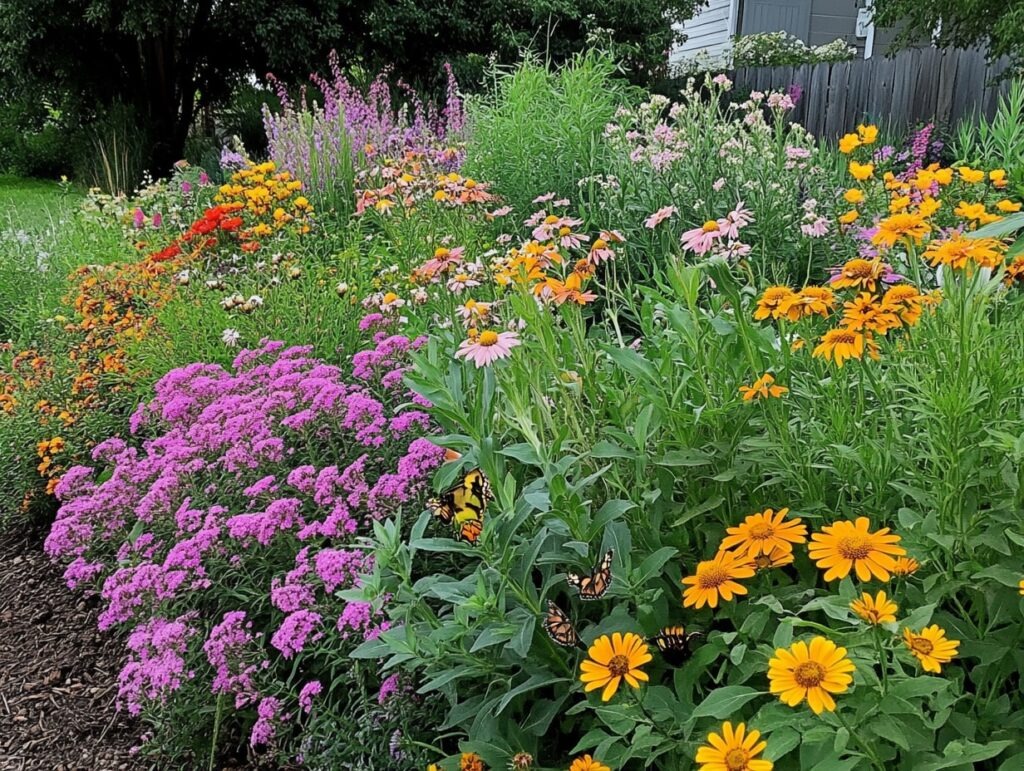
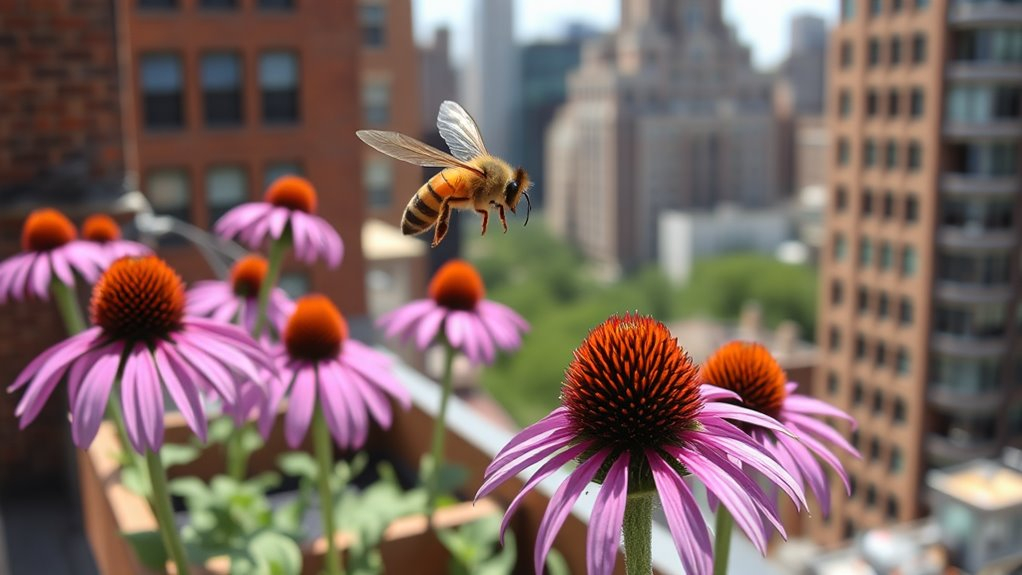
There’s a lot of buzz around native plants, and for good reason. Natives have evolved in your area for thousands of years. They know your climate, your soil, and your pests. They’re generally lower maintenance and support local wildlife, like bees, butterflies, and birds. In 2026, biodiversity is a hot topic, and gardens are seen as crucial habitats. Planting natives is a small act with a big impact.
But does this mean you can’t grow non-natives? Absolutely not. Many non-natives are perfectly well-behaved and beautiful. The key is to avoid invasives. These are non-natives that spread aggressively and choke out other plants. Check your local invasive species list before buying. If a plant is labeled "invasive" in your state, skip it. No matter how pretty it is.
Think of it as a mix. Use natives as the backbone of your garden. They provide structure and reliability. Then, sprinkle in non-natives for color or variety that natives might not offer. Maybe you love peonies, which aren’t native to many parts of the US, but they’re not invasive and they’re stunning. That’s fine. The goal isn’t purity; it’s balance. A diverse garden is a healthy garden. Just be intentional. Know what you’re planting and why. Ask yourself: does this plant belong here? Will it help or hurt the local ecosystem?
Timing and Seasonal Awareness
Finally, timing is everything. You can’t plant a tender annual in March if you’re in a cold climate. You’ll lose it to a frost. Understand your last frost date in spring and your first frost date in fall. These dates dictate your planting window. Most nurseries stock plants based on these general timelines, but they don’t always account for weird weather swings. Keep an eye on the forecast.
Spring is the classic planting time, but fall is actually better for many perennials, trees, and shrubs. Why? The soil is still warm, which encourages root growth, but the air is cool, which reduces stress on the leaves. The plant can settle in without having to deal with summer heat. Plus, fall rains often take over the watering duty. If you miss spring, don’t despair. Fall is a secret weapon for smart gardeners.
Also, think about year-round interest. Don’t just pick plants that bloom in May. What does your garden look like in August? In December? Include evergreens for winter structure. Add plants with interesting bark or berries. Choose late-blooming flowers for autumn color. A garden should be a source of joy in every season, not just spring. Plan for the lulls. That’s when you’ll appreciate the subtle beauty of grasses swaying in the wind or the red twigs of a dogwood against the snow.
Choosing the right plants isn’t a one-time task. It’s an ongoing conversation with your land. You’ll make mistakes. I still do. Sometimes a plant dies, and you don’t know why. That’s okay. It’s data. Learn from it. Move on. Gardening is humble like that. It teaches patience and observation.
Start small. Don’t try to redo your whole yard in one weekend. Pick one bed. One corner. Get to know it. Test the soil. Watch the light. Pick a few plants that fit those conditions. See how they do. Expand from there. Success breeds confidence. And remember, there’s no such thing as a perfect garden. There’s only a living, breathing, changing space that reflects your care and attention.
So, go out there. Look at your yard with fresh eyes. See the sun, the shade, the soil. Then pick plants that want to be there. Not the ones you wish would grow, but the ones that will. You’ll spend less time fighting and more time enjoying. And isn’t that what gardening is really about? Getting your hands dirty and feeling connected to the earth. Happy planting.
[sps_html tag=”img” src=”https://cdn.northcarolinafinearchitecture.com/2026/05/vertical-garden-on-a-budget-diy-vertical-garden-ideas-for-more-with-the-hidden-costs-of-vertical-gardens-and-how-to-budget-for-them-in-2026.jpg” alt=”Vertical Garden On A Budget Diy Vertical Garden Ideas (For More with The hidden costs of vertical gardens and how to budget for them in 2026″ style=”width: 100%; height: auto;”]
[sps_html tag=”img” src=”https://cdn.northcarolinafinearchitecture.com/2026/05/cost-analysis-building-a-vertical-garden-intended-for-outdoor-living-wall-design.jpg” alt=”Cost Analysis: Building A Vertical Garden intended for Outdoor Living Wall Design” style=”width: 100%; height: auto;”]
[sps_html tag=”img” src=”https://cdn.northcarolinafinearchitecture.com/2026/05/vertical-gardens-biotecture-for-the-hidden-costs-of-vertical-gardens-and-how-to-budget-for-them-in-2026.jpg” alt=”Vertical Gardens Biotecture for The hidden costs of vertical gardens and how to budget for them in 2026″ style=”width: 100%; height: auto;”]
[sps_html tag=”img” src=”https://cdn.northcarolinafinearchitecture.com/2026/05/diy-vertical-garden-ideas-create-stunning-wall-gardens-on-a-budget-inside-the-hidden-costs-of-vertical-gardens-and-how-to-budget-for-them-in-2026.jpg” alt=”Diy Vertical Garden Ideas Create Stunning Wall Gardens On A Budget … inside The hidden costs of vertical gardens and how to budget for them in 2026″ style=”width: 100%; height: auto;”]
[sps_html tag=”img” src=”https://cdn.northcarolinafinearchitecture.com/2026/05/budget-vegetable-garden-at-luke-earsman-blog-with-the-hidden-costs-of-vertical-gardens-and-how-to-budget-for-them-in-2026.jpg” alt=”Budget Vegetable Garden At Luke Earsman Blog with The hidden costs of vertical gardens and how to budget for them in 2026″ style=”width: 100%; height: auto;”]