Look out any major city window right now, and you’ll likely see it. That shift. It’s subtle at first, then undeniable. The sharp, cold edges of the glass-and-steel giants are softening. They’re being replaced by something warmer. Something that breathes. We aren’t just talking about beach towns anymore. This aesthetic has migrated inland, climbing up the sides of skyscrapers in Chicago, Miami, and even London. It’s 2026, and the coast has come to the city.
Why now? Well, maybe it’s because we’re all a little tired of the concrete jungle feeling so… jungly. Or maybe it’s because the line between where we live and how we survive is blurring. Climate change isn’t a distant threat; it’s here. And architects are finally listening. They aren’t just building for looks. They’re building for life. For real, messy, beautiful life by the water. Even if that water is a river or a man-made lake in the middle of downtown.
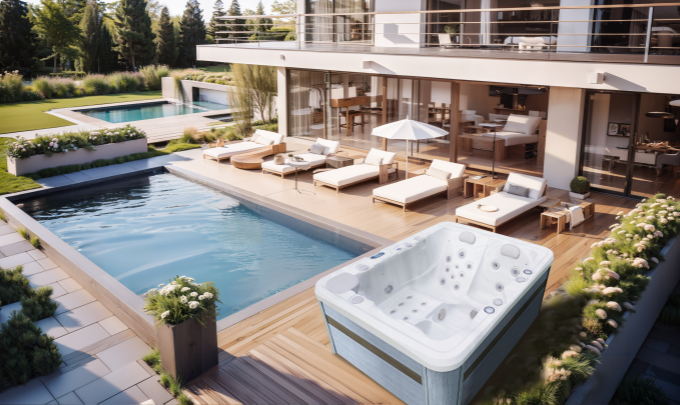
The trend isn’t just about slapping some blue paint on a balcony. It’s deeper than that. It’s about "Soft Coastal Minimalism." You’ve probably heard the term tossed around on social media or in design magazines lately. But what does it actually mean for the skyline? It means clean lines that don’t feel sterile. It means using wood, stone, and sand-colored textures that remind us of the earth. It’s livable luxury. And honestly? It’s exactly what we needed.
The Rise of Soft Coastal Minimalism
Remember when "coastal" meant nautical flags, rope details, and lots of bright white wicker? Yeah, me too. It was charming, sure, but it felt like a theme park. Not a home. The 2025 and 2026 shift has been drastic. We’ve moved away from the busy, over-decorated look. The new wave is quiet. It’s understated. Think of it as the architectural equivalent of a deep breath.
Builders like Bill Clark Homes have been pushing this narrative hard, noting that the focus is now on organic materials and clean lines. It’s not about pretending you’re on a vacation every day. It’s about bringing that sense of calm into your everyday routine. In high-rises, this translates to facades that use warm, sandy tones instead of reflective silver glass. Balconies are deeper, designed for actual living, not just storage for AC units.
This style works because it’s flexible. It doesn’t scream "beach house." It whispers "sanctuary." And in a noisy, fast-paced city, who doesn’t want a sanctuary? The data backs this up too. Sales of homes with these design elements have spiked. People are willing to pay more for spaces that feel grounded. It’s a reaction to the digital overload we all face. We want textures we can touch. Materials that age gracefully. Wood that grays naturally. Stone that feels cool underfoot.
Climate Resilience Meets Aesthetic Beauty
Let’s get real for a second. Rising sea levels are scary. We can’t ignore them. But here’s the thing: the solutions don’t have to be ugly. In fact, some of the most beautiful buildings going up this year are there specifically because of climate threats. Architects are looking at cities like Rotterdam and Venice, where water management is part of daily life. They’re taking those lessons and applying them to new developments everywhere.
Take the concept of "amphibious architecture." It sounds sci-fi, but it’s happening. Buildings designed to float or adapt to changing water levels. Projects highlighted by organizations like Bowseat show us that resilience can be stunning. Imagine a waterfront complex that doesn’t fight the tide but moves with it. These structures often feature elevated bases, permeable surfaces, and green roofs that absorb rainwater. They’re functional art.
This isn’t just for seaside metros either. Cities facing increased flooding from heavy rains are adopting these coastal-inspired techniques. The aesthetic follows the function. Because these buildings need to handle moisture and wind, they use durable, natural materials that look great while doing heavy lifting. The result? A skyline that looks softer, more organic, and strangely more secure. It’s comfort you can trust.
The Digital Influence and Virtual Urbanism
Here’s a weird twist. Video games are influencing real-world architecture. Seriously. Games like Cities: Skylines II have millions of players designing their dream cities. The recent "Beach Properties" asset pack, released to huge fanfare, let users create detailed, realistic coastal towns. Players aren’t just plopping down generic blocks; they’re curating vibes. They’re prioritizing walkability, green spaces, and water access.
Developers are watching. They see what resonates with people in these virtual spaces. When millions of users choose open, airy layouts with direct water views in a game, it signals a desire in the real world. It’s a feedback loop. The game offers an idealized version of coastal living—clean, accessible, beautiful. Real estate developers then try to replicate that feeling in physical projects. It’s no accident that new condos look like they could be screenshots from a high-end simulation game.
This digital connection also helps people visualize these changes. For years, "coastal design" in a city context was hard to picture. Now, thanks to mods and user-generated content, we have a shared visual language. We know what works. We know what looks good. And we’re demanding it. The boundary between the virtual ideal and the physical reality is thinner than ever. We’re building the worlds we play in.
Organic Materials and the Texture of Calm
If you run your hand along the wall of a typical office building, it’s usually smooth, cold glass or metal. Now, touch the facade of one of these new coastal-inspired towers. You might feel rough-hewn stone. Warm timber. Textured concrete that mimics sandstone. This tactile shift is huge. It’s about reconnecting with nature in a place that’s historically been all about dominating it.
The use of organic materials isn’t just a vibe choice; it’s a psychological one. Studies have shown that exposure to natural textures reduces stress. In a high-density urban environment, every bit of calm counts. By incorporating wood slats, bamboo accents, and stone cladding, architects are breaking up the monotony of the cityscape. These materials age differently too. They develop patinas. They tell a story of time passing. Glass just gets dirty.
Sustainability plays a big role here as well. Many of these organic materials are locally sourced or recycled. Using reclaimed wood or local stone reduces the carbon footprint of construction. It ties the building to its specific location. A tower in Seattle might use different wood than one in Miami, but both honor the local landscape. It’s a move away from the "anywhere" architecture of the early 2000s. These buildings belong somewhere.
Livable Luxury and the Human Scale
"Livable luxury" is a buzzword, but it matters. It means spaces that are high-end but not intimidating. In the past, luxury often meant exclusivity. Gates. Guards. Distance. The new coastal trend flips that. It’s about accessibility. Large communal terraces. Shared gardens. Spaces where neighbors might actually meet. It’s luxury defined by quality of life, not just square footage.
This approach changes the skyline by making it more human-scaled. Even in tall buildings, the design breaks up the mass. Terraces step back. Greenery spills over edges. The building doesn’t loom; it invites. This is crucial for mental health in dense cities. We need to feel connected to our surroundings, not crushed by them. The coastal aesthetic, with its emphasis on light and air, helps achieve this.
Consider the layout of these new developments. They prioritize views, yes, but also airflow. Natural ventilation is key. Windows open. Spaces flow into each other. It’s less about compartmentalized rooms and more about continuous living areas. This openness mirrors the horizon line of the coast. It creates a sense of freedom, even when you’re thirty stories up. It’s a clever trick, and it works beautifully.
So, is this just a fad? Will we look back in ten years and cringe at all the beige wood slats? Probably not. This shift feels foundational. It’s a response to multiple crises: climate, mental health, and social isolation. It addresses all three. As long as those issues exist, the demand for this type of design will remain. It’s becoming the new standard, not just a niche preference.
We’re seeing this in zoning laws too. Cities are updating codes to require more green space, better flood management, and sustainable materials. The coastal design ethos fits perfectly into these new regulations. It’s compliant by nature. This makes it easier for developers to adopt. It’s not just a choice; it’s becoming the smartest business decision. And when money aligns with ethics and aesthetics, things move fast.
The skyline of 2026 is a testament to this change. It’s softer. Greener. More resilient. It reflects a society that’s waking up to its environment. We’re not just building up anymore; we’re building out, in harmony with the elements. Whether you’re near an ocean or a lake, the influence is there. It’s in the materials, the shapes, and the intent. The coast has arrived, and it’s here to stay.
In the end, it’s about how we want to live. Do we want to hide from the world behind sealed glass? Or do we want to engage with it, gently and respectfully? The answer seems clear. The modern coastal design movement isn’t just changing how our cities look. It’s changing how they feel. And honestly? It feels like home.
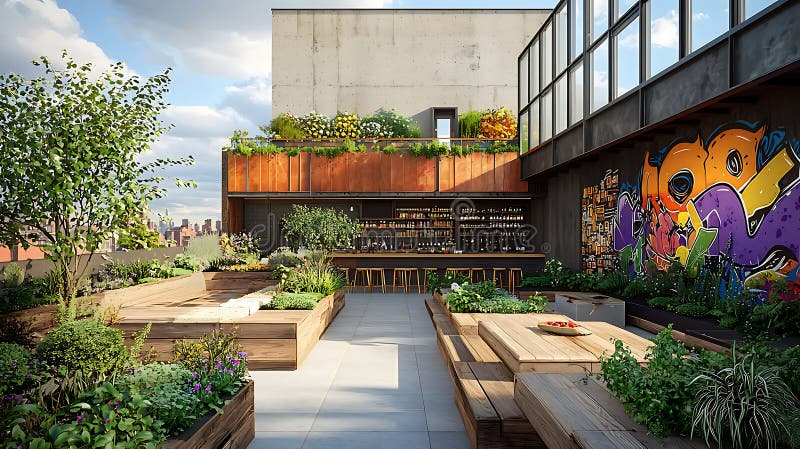
[sps_html tag=”img” src=”https://cdn.northcarolinafinearchitecture.com/2026/05/a-vibrant-urban-rooftop-garden-with-colorful-flowers-cozy-seating-and-with-regard-to-outdoor-flower-roof-design.jpg” alt=”A Vibrant Urban Rooftop Garden With Colorful Flowers, Cozy Seating, And … with regard to Outdoor Flower Roof Design” style=”width: 100%; height: auto;”]
[sps_html tag=”img” src=”https://cdn.northcarolinafinearchitecture.com/2026/05/artistic-rooftop-space-with-edible-plants-vibrant-decor-and-seating-pertaining-to-outdoor-flower-roof-design.jpg” alt=”Artistic Rooftop Space With Edible Plants, Vibrant Decor, And Seating … pertaining to Outdoor Flower Roof Design” style=”width: 100%; height: auto;”]
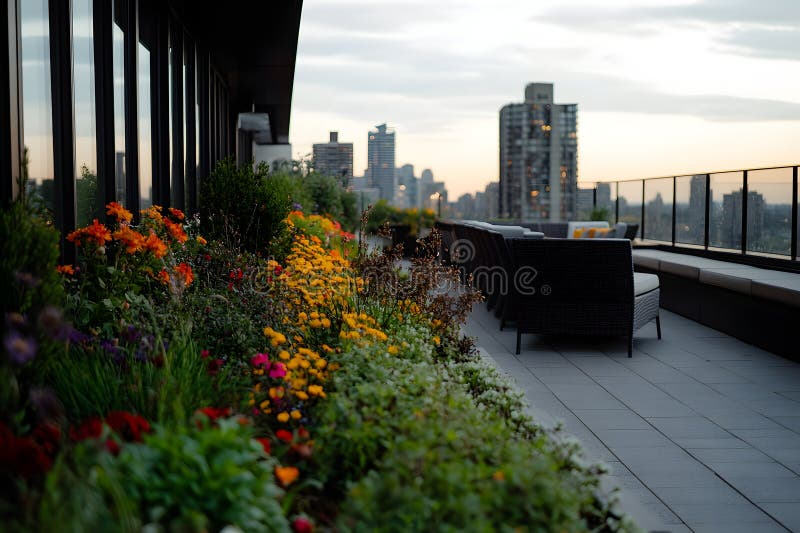
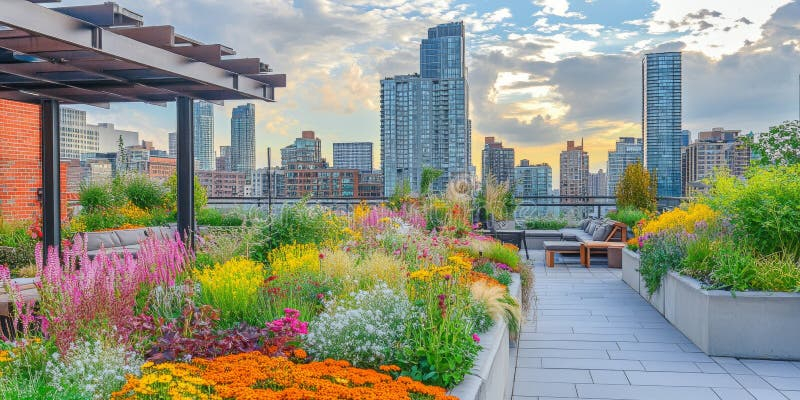
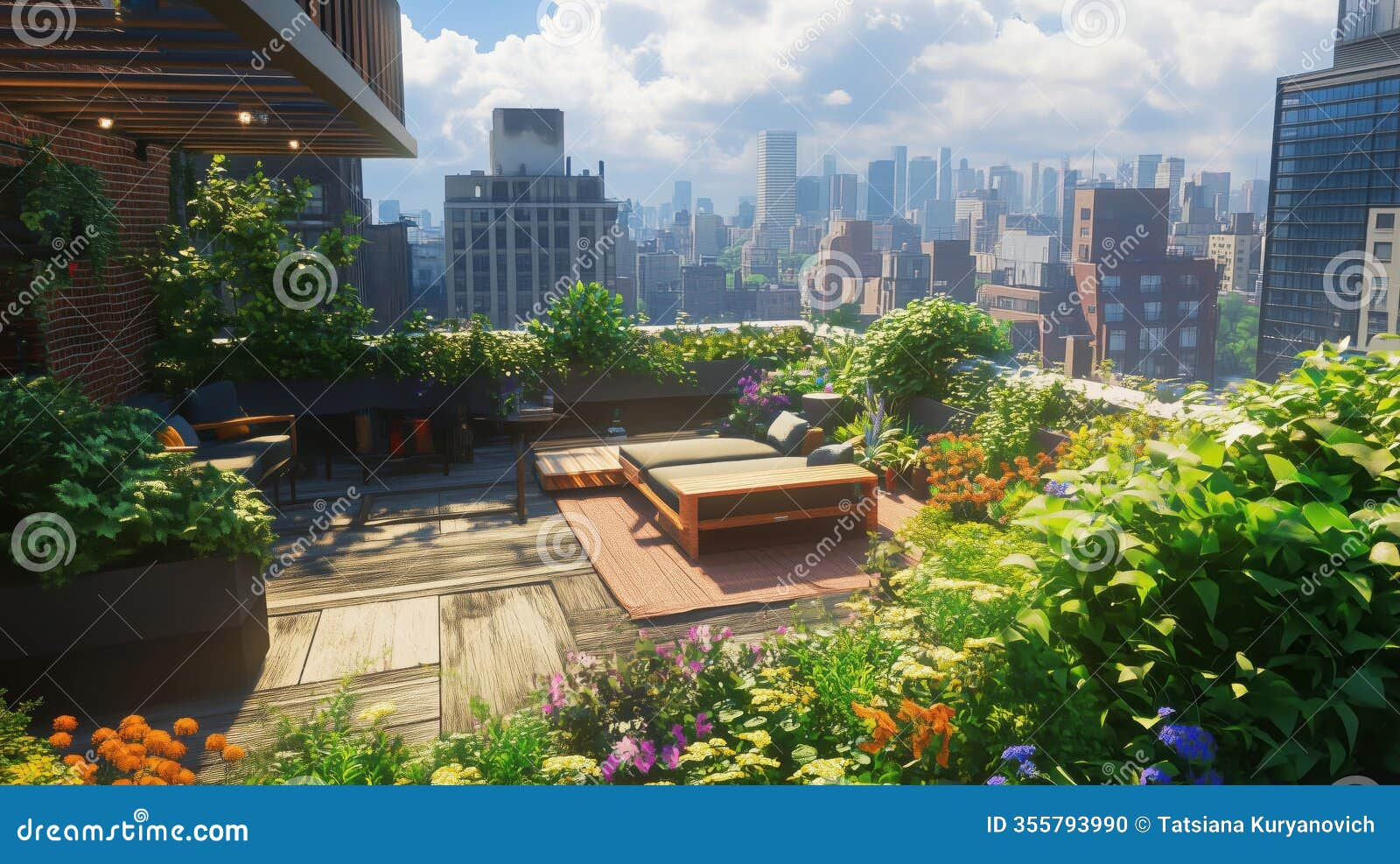
[sps_html tag=”img” src=”https://cdn.northcarolinafinearchitecture.com/2026/05/rooftop-garden-with-city-skyline-view-lush-greenery-vibrant-flowers-with-regard-to-designing-cozy-seating-areas-amidst-vibrant-rooftop-flower-displays.jpg” alt=”Rooftop Garden With City Skyline View, Lush Greenery, Vibrant Flowers … with regard to Designing Cozy Seating Areas Amidst Vibrant Rooftop Flower Displays” style=”width: 100%; height: auto;”]
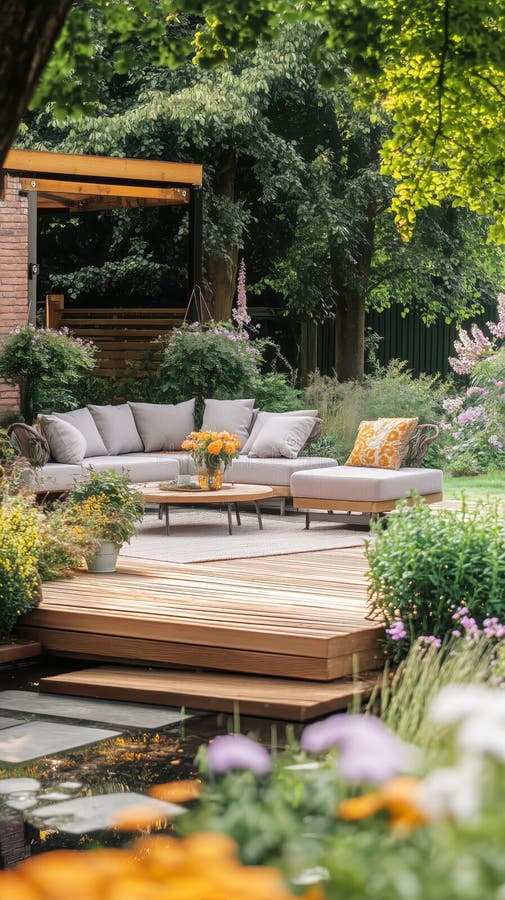
[sps_html tag=”img” src=”https://cdn.northcarolinafinearchitecture.com/2026/05/beautiful-garden-comfortable-seating-colorful-flowers-sunny-afternoon-with-outdoor-flower-roof-design.jpg” alt=”Beautiful Garden Comfortable Seating Colorful Flowers Sunny Afternoon … with Outdoor Flower Roof Design” style=”width: 100%; height: auto;”]
[sps_html tag=”img” src=”https://cdn.northcarolinafinearchitecture.com/2026/05/vibrant-rooftop-garden-in-a-bustling-city-at-sunset-featuring-colorful-for-designing-cozy-seating-areas-amidst-vibrant-rooftop-flower-displays.jpg” alt=”Vibrant Rooftop Garden In A Bustling City At Sunset Featuring Colorful … for Designing Cozy Seating Areas Amidst Vibrant Rooftop Flower Displays” style=”width: 100%; height: auto;”]