You know that feeling when you pull up to your house after a long day? The driveway is there, the door is there, but something feels… flat. It’s just concrete and wood. But imagine if that same spot greeted you with a burst of purple petunias spilling out of an old galvanized bucket, or a tall, architectural snake plant standing guard in a woven basket. That shift in energy isn’t magic, though it feels like it. It’s just plants. And not just any plants, but the right ones in the right pots.
In 2026, the trend isn’t about perfection. It’s about personality. We’ve moved past the era of cookie-cutter terracotta pots lined up like soldiers. Now, it’s about mixing textures, playing with height, and letting your porch tell a story before you even unlock the front door. Whether you have a sprawling veranda or a tiny stoop that barely fits two feet, there’s a way to make it sing. You don’t need a green thumb the size of a shovel. You just need a little curiosity and a willingness to get your hands dirty.
The Psychology of a Welcoming Entry
Why do we care so much about what our porch looks like? It’s more than just curb appeal for the neighbors, although let’s be honest, that’s a nice bonus. Your front porch is the handshake of your home. It sets the tone. A barren porch says "keep moving," while a lush, colorful one says "come on in, stay a while." Studies in environmental psychology have long suggested that exposure to nature, even in small doses like potted plants, lowers stress and boosts mood. When you walk past those blooms every morning, you’re starting your day with a micro-dose of calm.
Think about the last time you visited a friend whose porch was overflowing with greenery. Didn’t you feel instantly more relaxed? That’s the power of biophilic design—our innate connection to nature. By adding colorful blooms, you aren’t just decorating; you’re creating a sanctuary. In 2026, with life moving at breakneck speed, these small pockets of peace are essential. They act as a buffer between the chaotic street and your private haven. It’s a simple change, but the emotional payoff is huge. You’re not just planting flowers; you’re planting joy.
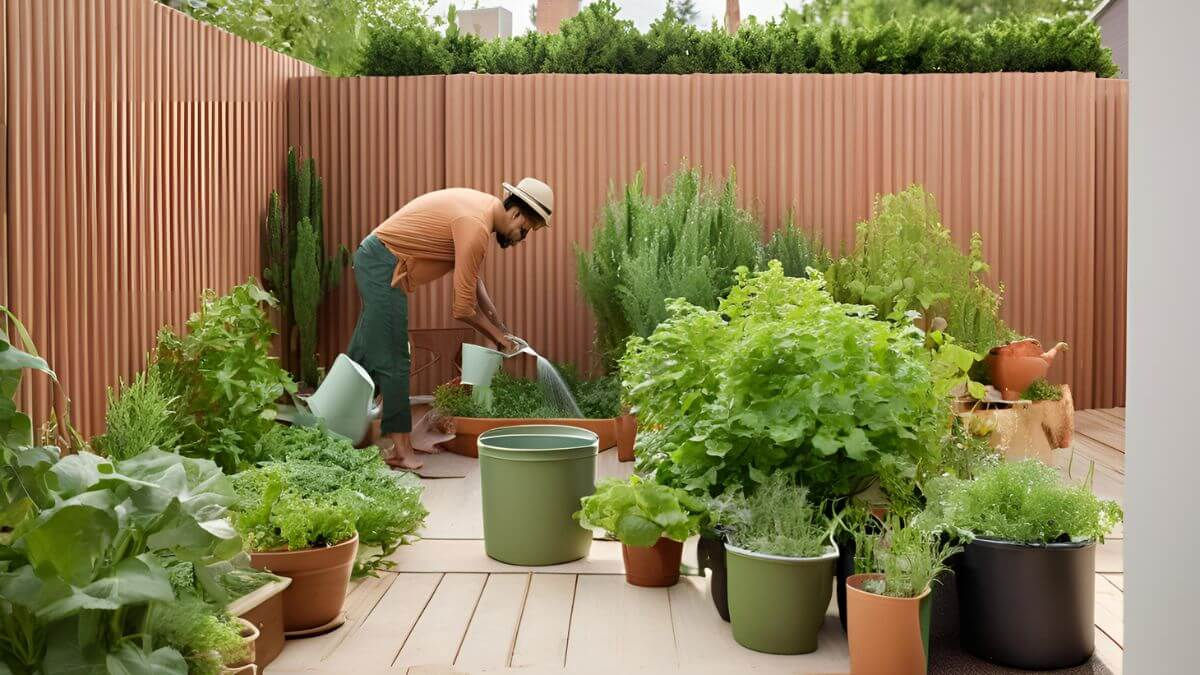
And it doesn’t have to be expensive. You don’t need to hire a landscaper. The beauty of container gardening is its accessibility. You can start with one pot. Just one. See how it makes you feel. Then maybe add another. It’s a low-stakes experiment with high rewards. Plus, containers allow you to control the soil and water conditions perfectly, which is a game-changer if you’re dealing with poor ground soil or tricky shade patterns. You’re the boss of this little ecosystem.
Choosing Containers with Character
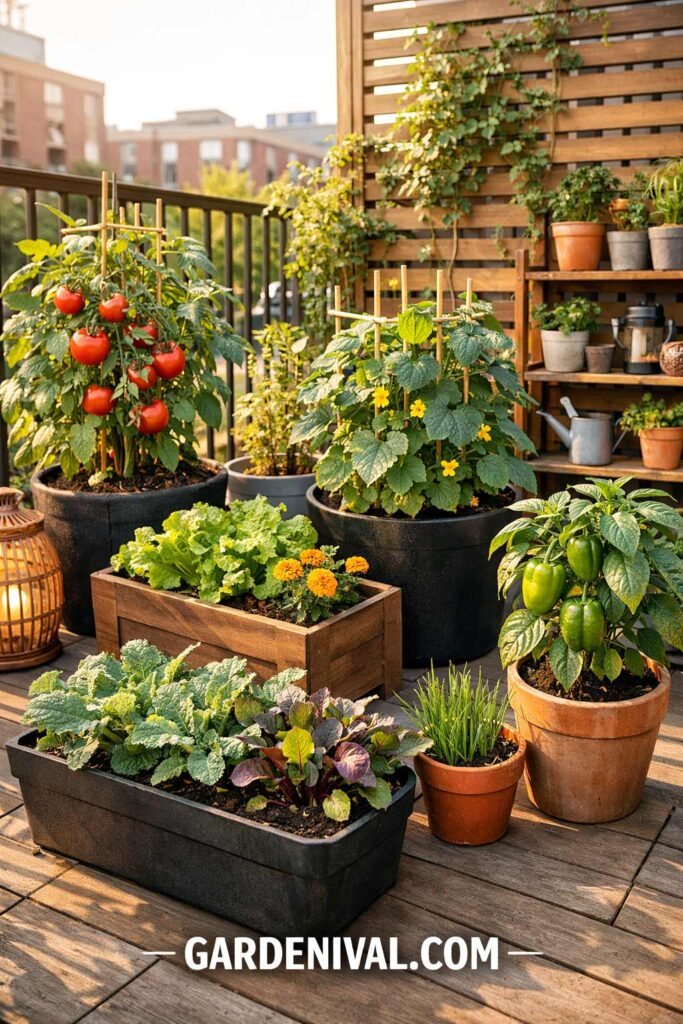
Let’s talk pots. Or rather, let’s talk about not just using standard pots. The container is half the show. In 2026, the most striking porches are the ones where the vessel is as interesting as the plant inside. Think beyond the garden center aisle. Have an old wooden crate lying around? Sand it down, line it with landscape fabric, and boom—you’ve got a rustic herb garden. Found a vintage metal watering can at a flea market? Poke some drainage holes in the bottom, and it’s suddenly a charming home for trailing ivy.
The key is variety in texture and material. Mix smooth ceramic with rough-hewn wood. Pair shiny metal with matte concrete. This contrast creates visual interest that keeps the eye moving. For example, a sleek, modern gray concrete planter looks stunning next to a weathered wicker basket. It’s unexpected, and that’s what makes it memorable. Don’t be afraid to paint old tin cans in bright, cheerful colors if you’re going for a playful vibe. Or leave them raw for an industrial look. The choice is yours, and there are no wrong answers here.
Size matters too. Don’t underestimate the impact of scale. A single, oversized statement planter can anchor a large porch, making it feel grounded and intentional. On the flip side, a cluster of small, mismatched pots can create a whimsical, cottage-core feel on a smaller space. Just remember the golden rule: drainage. Whatever you choose, make sure water can escape. Soggy roots are the quickest way to kill the vibe and the plant. If your unique find doesn’t have holes, drill them. It’s a small step that saves a lot of heartache later.
The Thriller, Filler, Spiller Formula
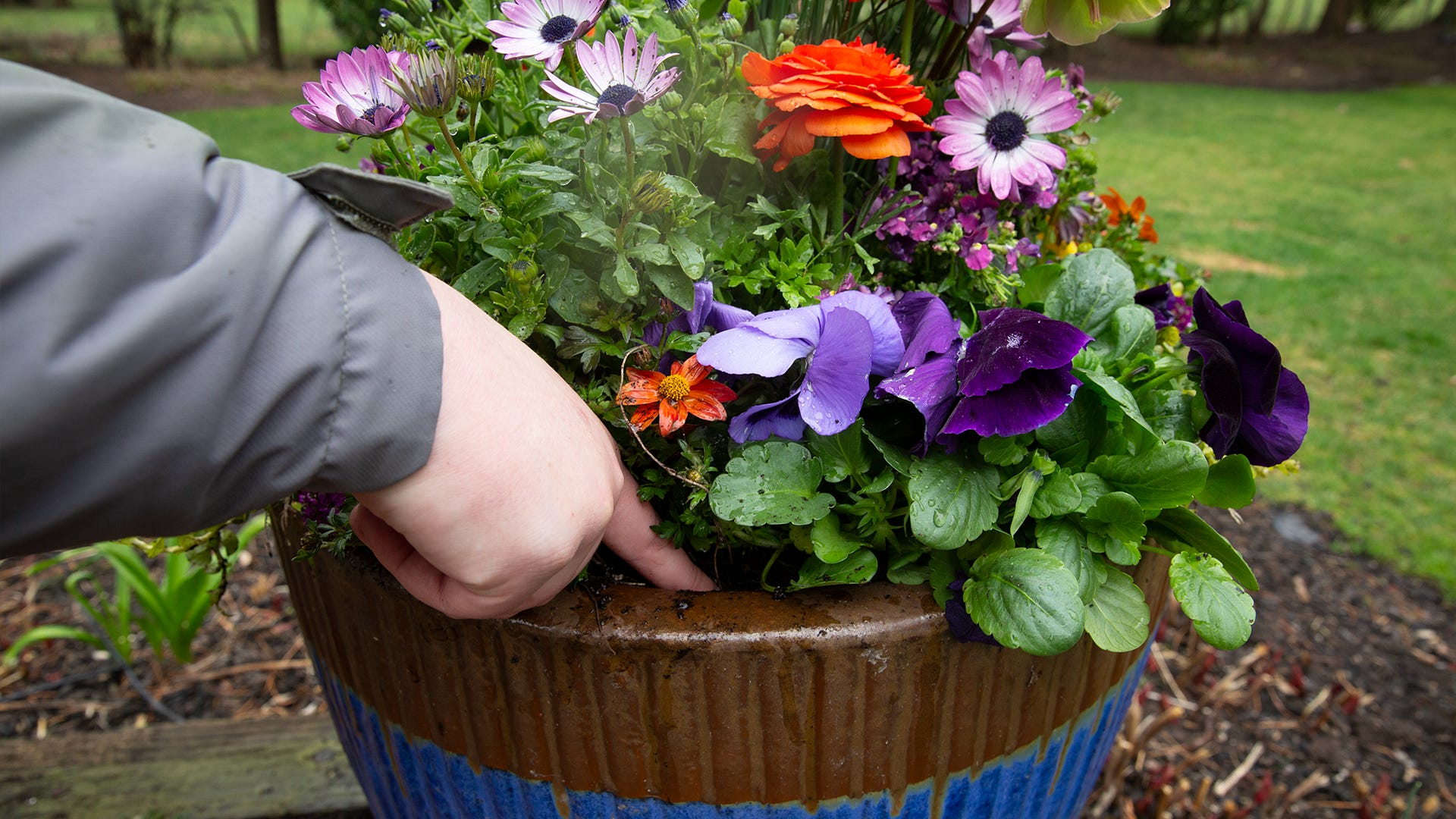
Now that you’ve got your vessels, what goes in them? If you’re staring at a blank pot feeling overwhelmed, use the classic "Thriller, Filler, Spiller" method. It’s a foolproof formula that professional designers use, and it works every time. First, pick your Thriller. This is the star of the show—the tall, dramatic plant that draws the eye upward. Think ornamental grasses, cannas, or a bold dracaena. It provides height and structure.
Next, add your Filler. These are the mounding plants that fill in the space around the thriller, adding bulk and color. Petunias, coleus, and geraniums are great choices here. They’re the bodyguards of the arrangement, making sure there are no awkward gaps. Finally, the Spiller. These are the trailing plants that cascade over the edge of the pot, softening the hard lines and connecting the container to the porch floor. Ivy, sweet potato vine, and creeping jenny are perfect spillers. They add movement and a sense of abundance.
This layering technique creates a full, lush look that appears effortless but is actually quite strategic. It ensures your container looks good from all angles, not just the front. And because you’re mixing different types of plants, you get varied textures and bloom times. In 2026, gardeners are leaning into this mix-and-match approach, combining foliage plants with flowering ones for a look that lasts longer than just a few weeks of blooms. It’s about sustained beauty, not just a fleeting moment of color.
Seasonal Swaps for Year-Round Appeal
One of the best things about container gardening is its flexibility. Unlike in-ground plants, you can change your porch’s look with the seasons. In spring, think bulbs like tulips and daffodils paired with cool-weather annuals like pansies. As summer hits, swap them out for heat-lovers like zinnias, marigolds, and tropical foliage. Come fall, mums and ornamental kale take center stage, offering rich, earthy tones. And in winter? Evergreens, berries, and decorative branches keep the structure alive when everything else is dormant.
This rotation keeps your porch feeling fresh and relevant. It’s like changing your wardrobe, but for your house. You don’t have to do a complete overhaul every three months. Sometimes, just adding a few seasonal accents is enough. Tuck some pumpkin gourds among your fall mums. Hang a wreath of dried eucalyptus in winter. These small touches signal the changing of the seasons and connect your home to the natural rhythm of the year. It’s a subtle way to stay engaged with the world outside your door.
Plus, it gives you an excuse to experiment. Didn’t like those orange lilies? No problem. Next season, try purple ones. Failed with the ferns? Switch to succulents. There’s no permanent commitment. This freedom encourages creativity and reduces the pressure to get it "right" the first time. In 2026, sustainability is also a big focus, so consider composting your spent annuals and reusing your soil mixes. It’s a cycle of renewal that feels good for the planet and your soul.
Lighting and Accessories: The Finishing Touches
Plants are the stars, but lighting is the spotlight. Without proper illumination, your beautiful creations disappear when the sun goes down. String lights are a classic choice for a reason—they’re warm, inviting, and easy to install. Drape them along the railing or weave them through taller plants for a magical glow. Solar-powered stake lights are another great option, especially for lining the steps or highlighting specific pots. They charge during the day and automatically turn on at dusk, requiring zero effort from you.
Don’t forget about other accessories. A small bench or a pair of chairs invites you to sit and enjoy your handiwork. Add outdoor rugs to define the space and add comfort underfoot. Wind chimes can add an auditory layer to the experience, creating a soothing soundtrack for your evenings. These elements work together to transform your porch from a passageway into a destination. It’s about creating an atmosphere, not just a display.
In 2026, smart home tech has even made its way to the porch. Imagine lights that change color based on the time of day or music players hidden in planters. While not necessary, these gadgets can add a fun, modern twist if that’s your style. But remember, simplicity often wins. A single well-placed lantern can be more effective than a dozen flashy gadgets. Let your personal taste guide you. If you love minimalism, keep it clean. If you love maximalism, go wild. The goal is authenticity.
You don’t need a hefty budget to make an impact. Some of the best porch transformations come from scavenging and upcycling. Check out local thrift stores, garage sales, or even your own attic for potential planters. An old boot, a teapot, or a wooden ladder can become unique garden features with a little creativity. Paint is your best friend here. A coat of fresh paint can unify mismatched pots or give new life to old furniture.
Another hack is to propagate plants from friends or neighbors. Many common porch plants like pothos, spider plants, and succulents are easy to divide or cut. It’s free, it’s sustainable, and it adds a personal connection to your garden. You’re literally growing a piece of someone else’s home in your own. Community seed swaps are also gaining popularity in 2026, offering a great way to try new varieties without spending a dime. It’s a social activity that builds community while beautifying your space.
Finally, start small. You don’t need to fill every corner at once. Begin with one focal point. Master it. Then expand. This gradual approach prevents burnout and allows you to learn what works best for your specific light and weather conditions. It’s a journey, not a race. And honestly, the imperfections are part of the charm. A slightly crooked pot or a leaf with a bug bite tells a story of real life. Embrace it. Your porch should feel lived-in and loved, not like a showroom floor.
So, where do you start? Look at your porch today. Really look at it. What’s missing? Is it color? Height? Warmth? Pick one thing to change this weekend. Buy a bag of soil. Find a weird container. Plant something that makes you smile. Watch how that small act ripples out, changing not just your entryway, but your whole perspective on coming home. It’s amazing what a little dirt and a lot of heart can do.
[sps_html tag=”img” src=”https://cdn.northcarolinafinearchitecture.com/2026/06/why-your-container-garden-keeps-failing-7-fixes-you-need-right-now-in-why-your-container-garden-keeps-failing-and-simple-fixes-that-work-in-2026.jpg” alt=”“Why Your Container Garden Keeps Failing — 7 Fixes You Need Right Now … in Why Your Container Garden Keeps Failing and Simple Fixes That Work in 2026″ style=”width: 100%; height: auto;”]
[sps_html tag=”img” src=”https://cdn.northcarolinafinearchitecture.com/2026/06/the-beginners-guide-to-watering-your-container-garden-for-outdoor-planter-design.png” alt=”The Beginner's Guide To Watering Your Container Garden for Outdoor Planter Design” style=”width: 100%; height: auto;”]
[sps_html tag=”img” src=”https://cdn.northcarolinafinearchitecture.com/2026/06/start-your-container-garden-a-complete-guide-for-beginners-for-why-your-container-garden-keeps-failing-and-simple-fixes-that-work-in-2026.jpg” alt=”Start Your Container Garden: A Complete Guide For Beginners for Why Your Container Garden Keeps Failing and Simple Fixes That Work in 2026″ style=”width: 100%; height: auto;”]
[sps_html tag=”img” src=”https://cdn.northcarolinafinearchitecture.com/2026/06/why-your-vegetable-garden-is-failing-and-how-to-fix-it-fast-gardenival-with-regard-to-outdoor-planter-design.jpg” alt=”Why Your Vegetable Garden Is Failing And How To Fix It Fast – Gardenival with regard to Outdoor Planter Design” style=”width: 100%; height: auto;”]
[sps_html tag=”img” src=”https://cdn.northcarolinafinearchitecture.com/2026/06/how-to-start-a-container-garden-6-easy-steps-for-small-space-success-regarding-why-your-container-garden-keeps-failing-and-simple-fixes-that-work-in-2026.jpg” alt=”How To Start A Container Garden: 6 Easy Steps For Small-Space Success … regarding Why Your Container Garden Keeps Failing and Simple Fixes That Work in 2026″ style=”width: 100%; height: auto;”]