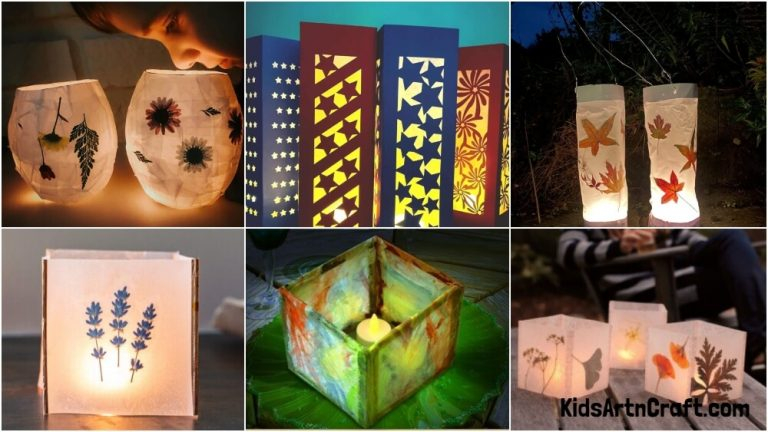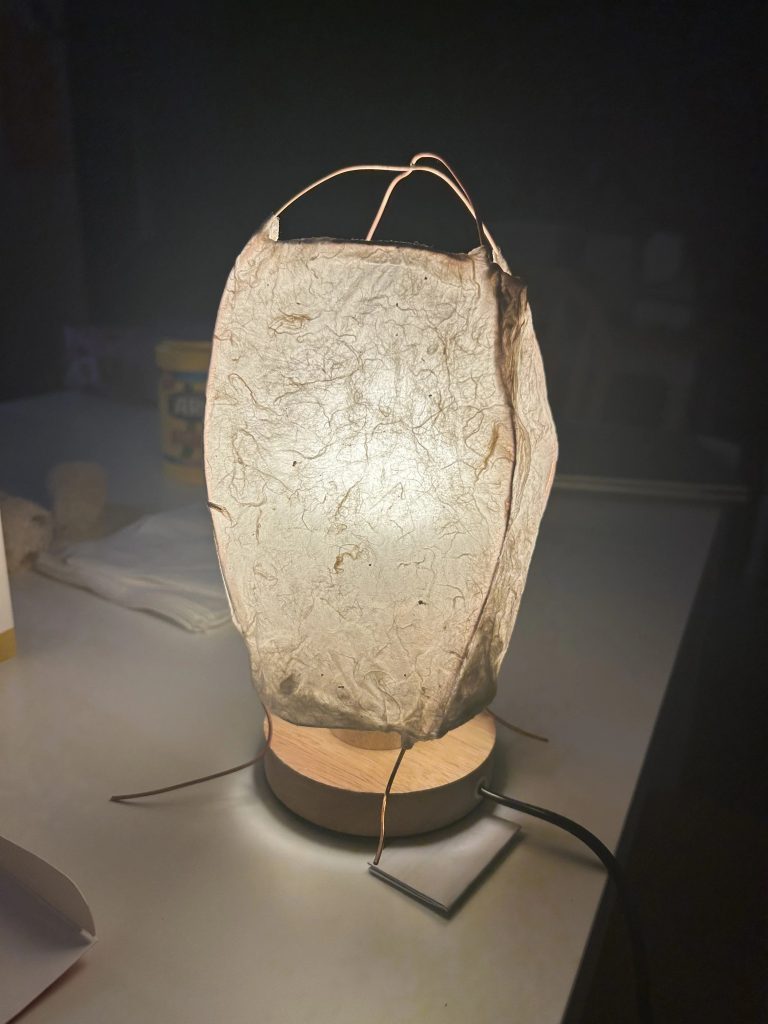
The room hums with a quiet that feels almost heavy, save for the low, amber glow bleeding from a wrinkled paper lantern suspended in the corner. Outside the window, urban traffic pulses in a sterile rhythm of blue-white LED headlights and relentless commercial signage. Inside, however, time seems to stretch. The light hitting the rough plaster walls is not clinical or aggressive; it is soft, diffuse, and forgiving, wrapping the living space in a gentle haze that smooths away the sharp edges of the day.
For decades, domestic interior design chased an impossible standard of perfection. We plastered our ceilings with recessed downlights, polished our chrome fixtures until they mirrored every imperfection, and chased a blinding clarity that left zero room for shadow. Yet, the human eye and nervous system are not built for perpetual high noon. Modern interior architects and mindful homeowners are increasingly rebelling against this flat, cold aesthetic. They are trading hyper-polished glass and rigid steel for materials that breathe, age, and bear the unmistakable marks of human hands.
At the center of this sensory counter-revolution sits an ancient Japanese art form: wabi-sabi. When translated into the physical vocabulary of a living space, wabi-sabi teaches us to find profound beauty in things that are imperfect, impermanent, and incomplete. And nowhere is this philosophy more tangibly expressed than in the subtle alchemy of delicate paper lighting. By filtering raw electricity through organic plant fibers, paper lights transform harsh lumens into a living, shifting atmosphere that honors the quiet passage of time.
The Philosophy of Living Light and the Rejection of Clinical Brightness
Traditional Western lighting design often treats illumination as a purely functional utility. The primary goal has historically been to eradicate darkness, ensure maximum visibility, and cast an even, uniform layer of light across every square foot of a room. Wabi-sabi flips this premise entirely upside down. In a wabi-sabi interior, the goal is never mere visibility; the true objective is atmosphere. Light is treated not as a tool to expose a room, but as a living element that collaborates with shadows, textures, and architectural flaws.
Standard modern fixtures—featuring exposed clinical bulbs, clear glass shades, and rigid metal arms—cast harsh, geometric cones of light that highlight dust, emphasize flaws in drywall, and create visual fatigue. Conversely, delicate paper lighting acts as an atmospheric diffuser. The handmade paper, whether traditional Japanese washi crafted from mulberry (kozo), gampi, or mitsumata fibers, scatters light particles in every possible direction. This creates a gentle gradient of illumination that fades naturally into the corners of the room rather than stopping abruptly at a hard border.
This interplay between light and shadow is deeply rooted in Japanese aesthetics, famously articulated by novelist Jun’ichirō Tanizaki in his essay In Praise of Shadows. Tanizaki argued that beauty resides not in things themselves, but in the patterns of shadows that things create. Paper lighting honors this ancient insight. When a delicate washi pendant or floor lamp is illuminated, the internal bamboo ribbing or wire armature casts subtle, skeletal shadows through the translucent skin of the paper. These organic irregularities remind us that nature is never uniform, and true beauty thrives in asymmetry and gentle decay.
Anatomy of a Washi Chandelier and the Artistry of Imperfect Materials
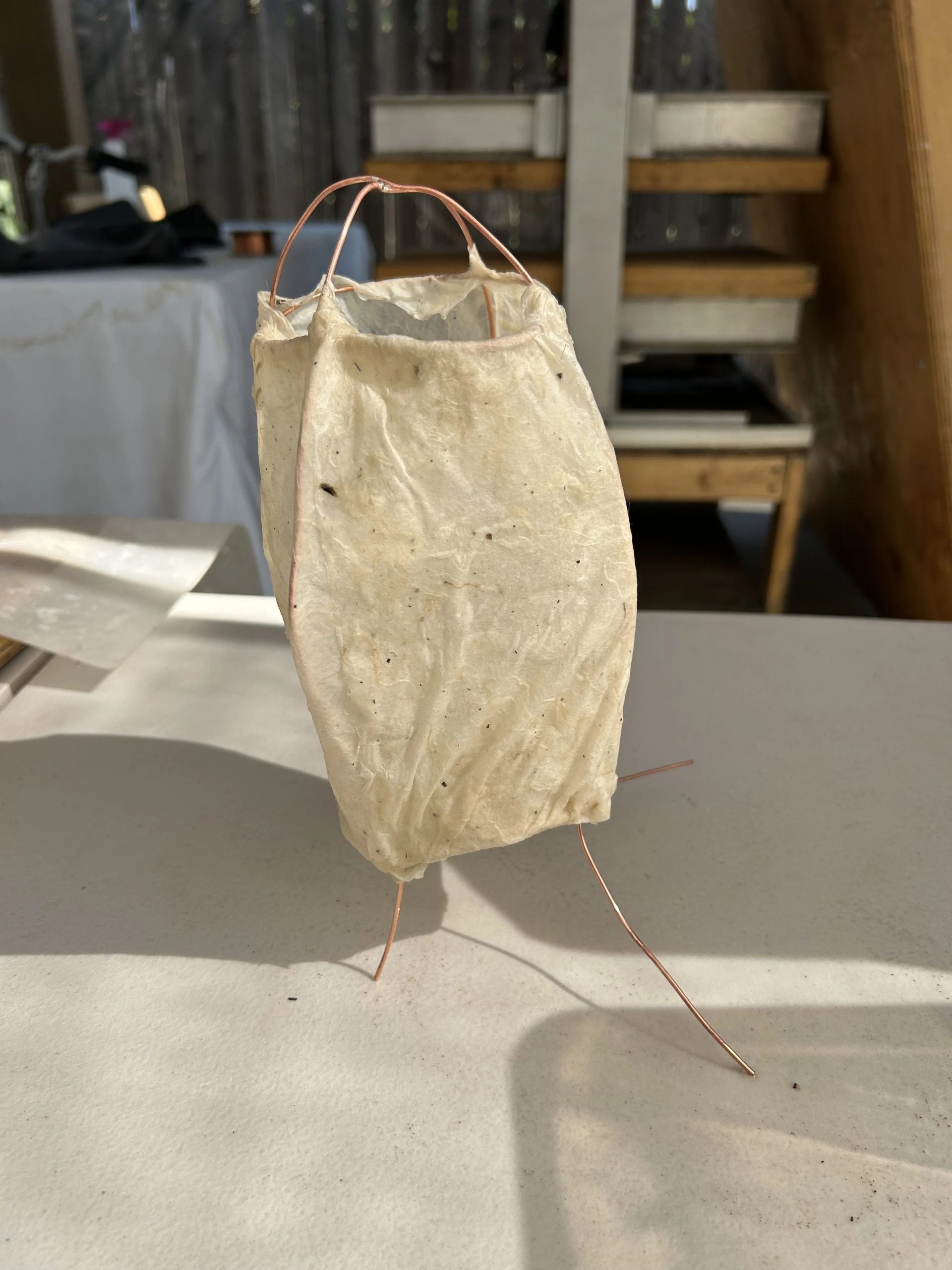
To understand why a paper light fixture feels so radically different from a mass-produced acrylic or glass pendant, you must examine the raw material itself. Authentic washi paper is not pressed by industrial rollers at high speeds; it is pulled by hand from vats of water mixed with plant bast fibers and mucilage. Artisans swirl the slurry across bamboo screens, capturing natural variations in thickness, microscopic air bubbles, and stray botanical fragments within the drying sheet. These "imperfections" are precisely what give the paper its soul.
When this handmade parchment is stretched over a frame—often constructed from bent bamboo, blackened iron, or unfinished cedar—it forms a kinetic sculpture. As atmospheric humidity shifts throughout the seasons, the paper subtly expands and contracts, whispering under slight drafts of air. This impermanence directly embodies the core tenets of wabi-sabi. Unlike a pristine glass globe that remains static and immutable for decades, a paper shade changes. It accumulates a patina, catches stray dust motes, and occasionally bears the faint crease of a handled moment.
Selecting the right paper lighting requires shifting your purchasing criteria away from factory-line uniformity. Look for fixtures where the seams are visible, where the glue shows a human touch, and where the paper possesses a tactile, fibrous grain rather than a smooth, plasticized sheen. When unlit, these pieces function as sculptural art objects rooted in earth tones, raw wood, and muted off-whites, creams, and stone grays. When lit, they bloom from within, casting an organic warmth that makes raw stone walls look richer and natural wood grain look deeper.
Step-by-Step Implementation Guide for Layered Paper Illumination
Integrating delicate paper lighting into your living space is not simply a matter of swapping out a lightbulb; it requires orchestrating a quiet conversation between shadow and luminescence. Follow this methodical framework to curate an authentic wabi-sabi lighting scheme in your home:
- Step 1 (Audit Your Ambient Lumens): Walk through your living space during the evening and identify every source of harsh, overhead, or direct glare. Permanently switch off clinical downlights and assess where you actually require pools of atmospheric warmth rather than blazing visibility.
- Step 2 (Select Your Color Temperature): Discard any cool-white or daylight bulbs immediately. Install warm-spectrum LED or incandescent-emulating bulbs strictly in the 2700K to 3000K range. This lower Kelvin rating delivers the amber, candlelight quality essential for an authentic wabi-sabi atmosphere.
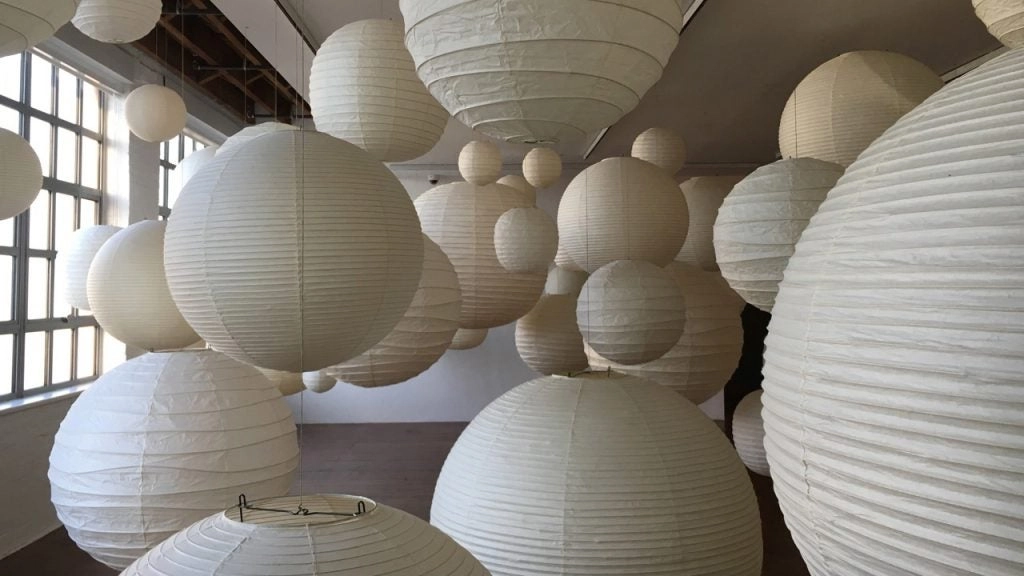
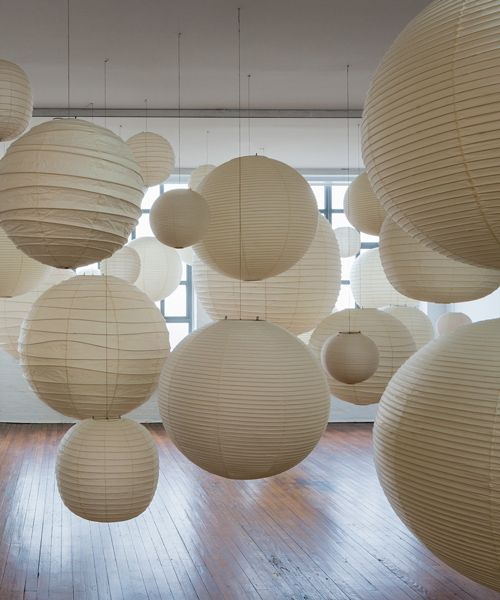
- Step 3 (Anchor the Room with a Central Washi Pendant): Hang a large, organically shaped washi paper suspension lamp or chandelier as the primary focal point. Position it slightly lower than standard architectural heights—perhaps hovering comfortably over a low coffee table or dining arrangement—to draw the energy of the room downward.
- Step 4 (Introduce Secondary Floor and Table Lanterns): Layer your lighting by placing cylindrical or spherical paper floor lamps in neglected corners where shadows typically pool. Use low-slung paper table lamps on sideboards or bookshelves to bounce soft light upward against textured walls.
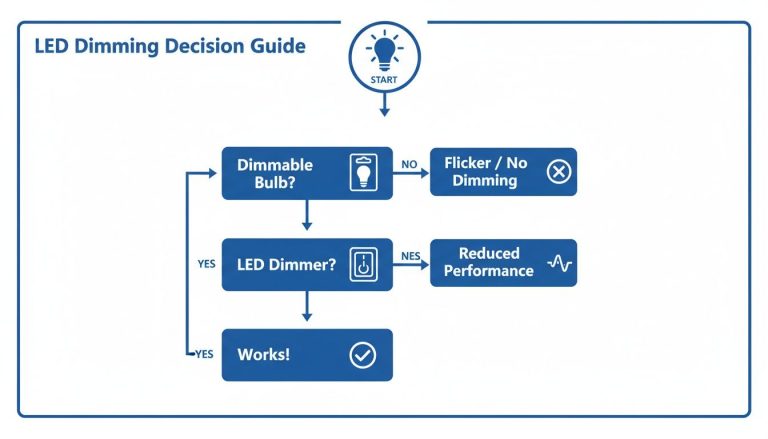
- Step 5 (Embrace Dimmers and Variable Control): Equip every paper lighting circuit with a smooth, flicker-free dimmer switch. The ability to dial down the wattage as evening deepens allows your space to transition naturally from functional twilight into deep, meditative rest.
Common Pitfalls and Field-Tested Workarounds in Paper Lighting Design
Working with delicate organic materials like paper requires a delicate touch and a clear understanding of practical limitations. Many homeowners rush into paper lighting without considering safety, maintenance, or spatial scale, leading to frustration. Avoid these common missteps with expert-backed solutions:
- Pitfall 1 (Bulb Overheating and Fire Hazards): Using high-wattage traditional incandescent bulbs inside an enclosed paper lantern can cause scorching or present a genuine fire hazard. Workaround: Strictly utilize modern, cool-running LED bulbs that emit high lumens while drawing minimal wattage and generating virtually zero heat.
- Pitfall 2 (Over-Illuminating the Space): Attempting to light an entire room with a single, ultra-bright paper fixture defeats the purpose of shadow play and causes glare against the translucent shade. Workaround: Embrace a decentralized lighting philosophy by using multiple lower-lumen paper sources distributed across different heights rather than one blinding centerpiece.
- Pitfall 3 (Ignoring Spatial Scale): Hanging a tiny, delicate paper pendant in the center of an expansive, high-ceilinged living room makes the fixture look lost and insignificant. Workaround: Match the physical presence of the paper shade to the room’s volume; choose oversized, sculptural Noguchi-style floor lanterns or wide drum pendants to anchor large spatial footprints.
- Pitfall 4 (Neglecting Dust and Maintenance): Paper shades accumulate airborne dust over time, and aggressive cleaning with wet cloths will instantly ruin handmade fibers. Workaround: Gently dust your paper fixtures monthly using a dry, ultra-soft feather duster or a can of compressed air held at a safe distance.
- Pitfall 5 (Placing Fixtures in High-Moisture or High-Traffic Zones): Hanging fragile washi paper directly over a kitchen sink or in a damp bathroom exposes the delicate fibers to steam, grease, and accidental tearing. Workaround: Reserve delicate paper lighting for low-traffic sanctuaries such as living rooms, reading corners, and bedrooms where the material can age safely in peace.
The Broader Ecological and Psychological Impact of Living with Paper Light
Opting for handmade paper lighting shifts more than just your home’s aesthetic; it redefines your relationship with the objects you choose to live alongside. In an era dominated by disposable, petroleum-derived home decor shipped in plastic clamshells, investing in a handcrafted paper lantern or floor lamp represents a quiet vote for sustainable craftsmanship. Most authentic washi and organic paper shades rely on rapidly renewable plant fibers harvested without clear-cutting old-growth forests, paired with biodegradable glues and natural wooden frames.
From a psychological standpoint, the quality of light in our living spaces directly regulates our circadian rhythms and baseline stress levels. Clinical research consistently shows that exposure to harsh, high-intensity artificial light late into the evening suppresses melatonin production and keeps the nervous system trapped in a state of hyper-arousal. By contrast, the amber-filtered, diffused glow of a paper lamp mimics the warm color spectrum of dusk and firelight. It signals to the brain that the active workday has ended, encouraging deep psychological decompression.
This sensory shift fosters a deeper sense of mindfulness within the home. When you switch on a wabi-sabi light fixture, the room transforms into a sanctuary of stillness. The imperfections in the paper, the gentle sway of the shade, and the soft gradients of shadow remind us to let go of the relentless pursuit of domestic perfection. Instead of apologizing for a frayed rug, an unpainted corner, or a chipped ceramic mug, you learn to see the quiet dignity in your home’s natural state of evolution.
Strategic Frameworks for Harmonizing Paper Lighting with Existing Interiors
Integrating delicate paper lighting into your living space does not require you to gut your existing furniture or completely redecorate your home from scratch. Wabi-sabi is remarkably accommodating because it values authenticity and personal history over rigid stylistic adherence. To weave paper lighting seamlessly into your current environment, rely on these practical design frameworks:
- Contrast Textures Intentionally: Pair delicate, smooth paper shades against rough, heavy architectural elements such as exposed brick, lime-washed plaster, raw concrete, or reclaimed timber beams. The visual tension between fragile paper and rugged stone heightens the impact of both materials.
- Maintain a Grounded Color Palette: Let your paper light fixtures serve as luminous anchors within a muted, earthy color scheme. Complement the warm glow with tones drawn directly from the natural world: charcoal, warm taupe, olive, sand, and unbleached linen.
- Cluster for Sculptural Depth: If a single paper lantern feels too minimal for a vast corner, cluster multiple paper pendants of varying heights and diameters together in a loose organic grouping. This creates a floating cloud-like installation that commands attention without feeling heavy or imposing.
- Honor Negative Space: Resist the urge to clutter the surrounding area with too many decorative accessories. Allow the pool of light cast by your paper fixture to illuminate empty floor space or a single, carefully chosen object—such as a weathered ceramic vase or a quiet stack of books.
Creating a sanctuary within your living space is ultimately an exercise in subtraction. We spend so much of our lives accumulating things, polishing surfaces, and trying to engineer an environment that resists the inevitable wear and tear of existence. Yet true peace is rarely found in sterile perfection. It lives in the quiet spaces between the furniture, in the gentle drift of evening shadows, and in the warm, forgiving glow of light filtered through honest materials.
By bringing delicate paper lighting into your home, you invite the timeless philosophy of wabi-sabi into your daily rhythms. You learn to appreciate the beauty of things that are fragile, temporary, and unpretentious. The soft hum of an amber bulb behind a screen of handmade washi paper does more than just illuminate a room—it quiets the mind, softens the edges of daily stress, and reminds us that there is profound grace in our own beautifully imperfect lives. Take a moment this evening to turn off the overhead glare, strike a match or flip a dimmer switch, and let the quiet art of living light transform your space.