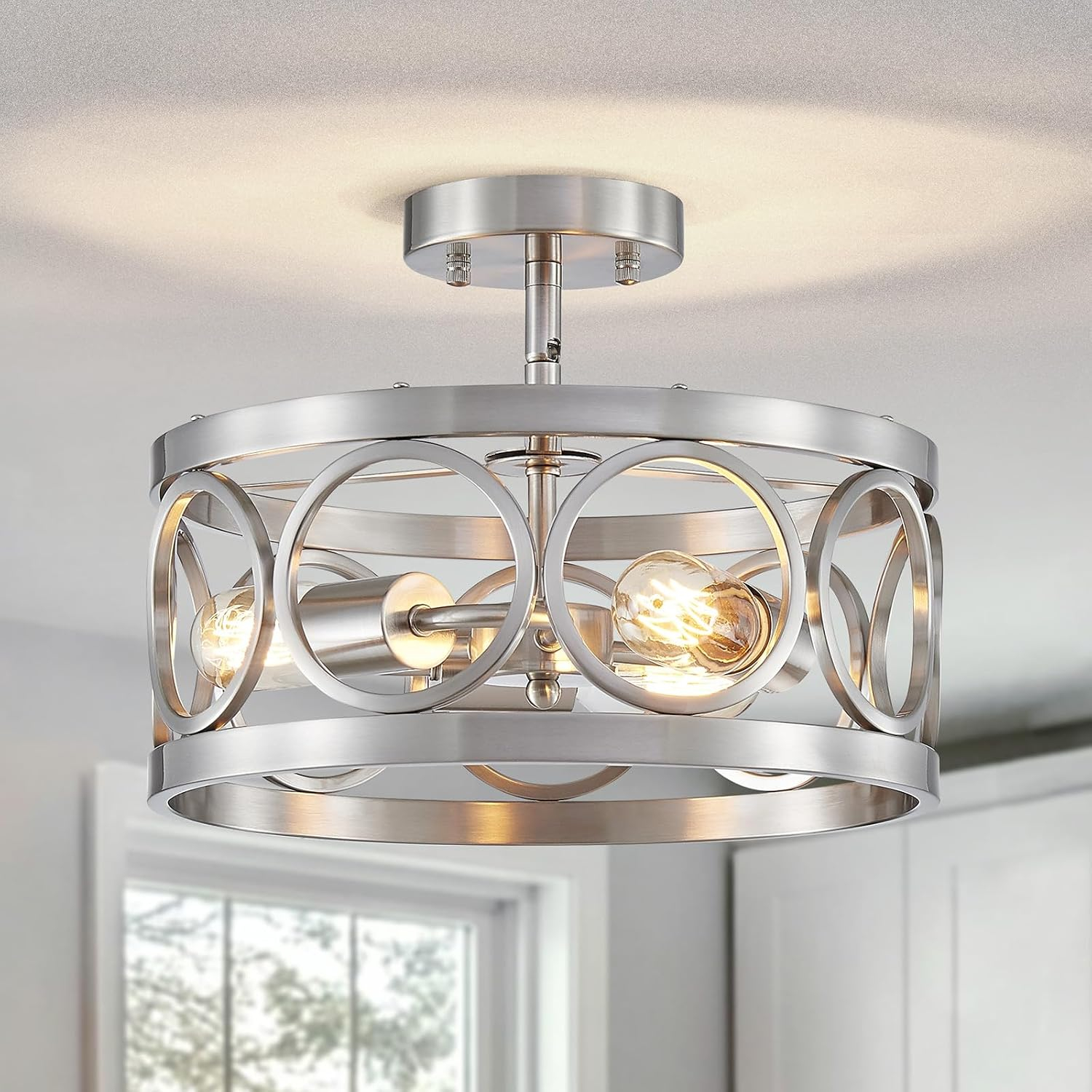
It is 7:00 PM on a Tuesday in a 450-square-foot studio. The overhead flush-mount dome light casts a flat, merciless glare down onto the sofa, pressing the popcorn ceiling downward and turning the off-white walls into a sterile cage. Every corner harbors a dark, brooding shadow that cuts the room off right where the drywall meets the floor. You feel small. You feel boxed in. The rent is exorbitant, yet the physical volume of the room feels like it shrinks another five percent with every passing month. This is the spatial crisis of modern urban living—not just a lack of square footage, but an oppressive assault of bad illumination.
For decades, domestic lighting design relied on the central point source: a single bulb hanging from the ceiling center or a torchiere lamp blasting lumens straight up into the ceiling tiles. While cheap to install, this strategy treats a room like a utility closet. It creates high-contrast hot spots, deep corner shadows, and visually collapses the perimeter of small spaces. When the edges of a room vanish into darkness, the human eye perceives those boundaries as physical constraints. Your brain reads those dark corners as hard walls closing in.
Enter the physics of indirect light and the architectural concept of perimeter washing. By moving light sources away from the center of the room and concealing them along the baseboards, crown moldings, and the backs of furniture, interior designers are fundamentally rewriting how small footprints are experienced. This technique does not magically add square feet to your lease, but it performs a psychological sleight of hand. It dissolves boundaries, smooths out the harsh geometry of narrow boxes, and converts an anxious urban box into a breathing, restorative sanctuary.
The Optical Illusion of Infinity: How Perimeter Illumination Resets Spatial Perception
The human visual cortex relies heavily on luminance gradients to map the physical dimensions of an interior. In a naturally lit environment, sunlight bounces off walls, diffusing evenly and creating a soft gradient that tells the brain where surfaces begin and end. Traditional overhead lighting completely destroys this natural gradient. It over-illuminates the middle of the floor while leaving the vertical perimeters in relative gloom, tricking the amygdala into registering a closed-in, defensive posture.
Soft perimeter glow reverses this dynamic by turning the boundaries of the room into the light sources themselves. When linear LED strips are tucked behind floating credenzas, run along toe-kicks, or concealed inside shadow-gap ceiling details, the walls appear to detach from the floor and ceiling. This phenomenon is known in architectural lighting circles as wall-washing or wall-grazing. Instead of light bouncing inward from a central point, light radiates outward from the edges, illuminating the vertical planes and pushing the perceived boundaries outward.
This perceptual shift is deeply rooted in evolutionary biology. For early humans, deep shadows and dark perimeters signaled hidden threats, triggering a low-grade, persistent alertness. By eliminating harsh corner shadows with an ambient 2700K to 3000K perimeter wash, the nervous system interprets the space as safe, open, and secure. The apartment stops feeling like a temporary holding cell and transforms into a true sanctuary. The edges fade away, giving the illusion that the room extends far beyond its actual drywall parameters.
The technical execution of this illusion requires moving away from raw brightness and focusing entirely on diffusion and color rendering. High-output, naked LED ribbons will merely create hot spots and pinpoint glare against glossy paint, which ruins the effect. True perimeter glow demands indirect paths. The light must strike a matte surface first, scattering micro-photons evenly across the paint texture. This indirect bounce softens the photons, erasing the harsh contrasts that define small, cramped spaces and replacing them with an atmospheric, floating halo.
Navigating Color Temperatures, CRI, and the Biology of Domestic Calm
Choosing the wrong light bulb color can instantly sabotage the sanctuary effect, turning a cozy lounge into a sterile corporate lobby or a dingy cave. When designing a soft perimeter glow system, two metrics dictate success: Correlated Color Temperature (CCT) measured in Kelvin (K), and the Color Rendering Index (CRI). Getting these numbers wrong means your apartment will either induce sleepiness or cause subtle headaches.
For a true sanctuary atmosphere, your baseline perimeter glow should sit strictly between 2400K and 2700K. This warm spectrum mimics the low, golden light of late afternoon or a glowing hearth, signaling the pineal gland to reduce cortisol production and begin releasing melatonin. However, beware of going too low into amber territory unless you want your apartment to feel perpetually dim and muddy. The sweet spot for general perimeter washing is a clean, warm 2700K that preserves wood tones and skin textures without looking yellow.
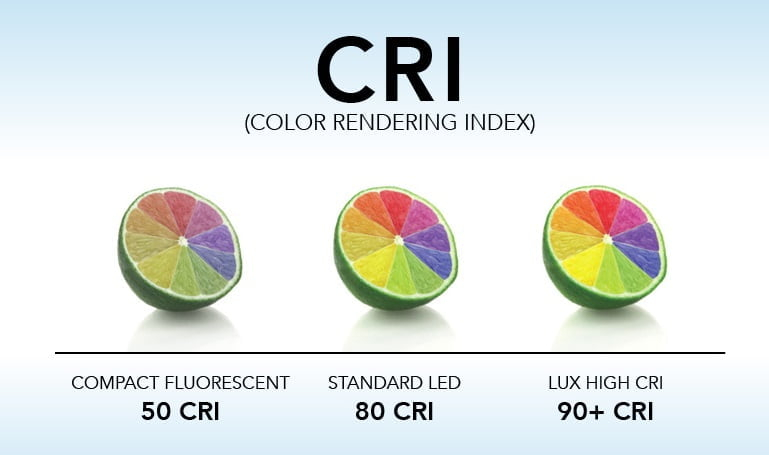
CRI is equally critical. Cheap LED strips often feature a CRI of 80 or lower, which flattens colors and makes organic materials like oak flooring, linen curtains, and leather armchairs look lifeless and gray. To make a small space feel rich and expansive, invest in LED tape lights with a CRI of 90+, and ideally an R9 value (which measures the rendering of deep reds) above 50. High CRI ensures that the textures of your walls and furnishings pop with tactile clarity, making the space feel curated, expensive, and deeply comforting rather than cheap and hastily assembled.
Another vital consideration is dimming capability, specifically dim-to-warm technology. As natural daylight fades through your apartment windows, your perimeter lighting should gracefully track that descent. Static 100-percent brightness at 11:00 PM feels jarring and artificial. Implementing a flicker-free, smooth PWM (Pulse Width Modulation) or TRIAC dimming driver allows your soft perimeter glow to drop down to a whisper-quiet 5 percent intensity, maintaining the room’s expansive perimeter illusion without assaulting tired eyes.
The Anatomy of Installation: A Blueprint for Retrofitting Small Spaces
Achieving a professional-grade perimeter glow in a rental or owned apartment does not require tearing down drywall or hiring an expensive master electrician. With modern low-voltage LED architecture, adhesive-backed tape lights, and clever furniture placement, you can execute a seamless lighting overhaul over a single weekend. The secret lies in hiding the hardware completely so that only the pure, soft diffusion of light is visible.
- Step 1 (Surface Audit and Layout Mapping): Walk through your apartment at night and identify the natural perimeter lines where light can be concealed. Prime candidates include the underside of floating media consoles, behind bed headboards, along the top of kitchen upper cabinets, and beneath baseboard channels. Measure these runs meticulously, accounting for power supply locations and discreet wire routing paths.
- Step 2 (Choosing the Right Hardware): Avoid cheap, all-in-one kits from big-box stores that lack density. Look for COB (Chip-on-Board) LED strips rather than traditional SMD strips. COB strips feature hundreds of microscopic diodes packed tightly under a continuous silicone phosphor gel, completely eliminating the dreaded dotted-line reflection on glossy floors or baseboards. Ensure your power supplies (drivers) are rated for continuous load and match your voltage (typically 24V for longer runs without voltage drop).
- Step 3 (Thermal Management and Extrusion Channels): Never stick LED strips directly onto raw drywall or wood paneling if you can avoid it. Buy aluminum LED channels equipped with milky-white frosted diffusers. These channels act as heat sinks, doubling or tripling the lifespan of your diodes, while the frosted polycarbonate cover breaks up the raw light into a velvety, uniform ribbon of illumination.
- Step 4 (Strategic Placement and Wiring): Mount your aluminum channels facing upward or outward depending on the desired bounce. If running light behind a sofa or credezas, face the strip toward the wall at a 45-degree angle to maximize the wall-washing effect. Use low-profile flat wire and paintable cord covers to bridge any gaps between furniture pieces and wall outlets, keeping every cable completely out of sight.
- Step 5 (Smart Integration and Automation): Connect your perimeter lighting drivers to smart plugs or Zigbee/Matter-compatible dimming controllers. Program automation routines that tie your perimeter glow to local sunset times, or link them to a bedside wireless puck so you can transition from task lighting to deep sanctuary glow without getting out from under the covers.
Common Installation Pitfalls and How Professional Designers Sidestep Them
Even with the best intentions, DIY lighting projects frequently run into technical hurdles that destroy the illusion of effortless luxury. Recognizing these pitfalls before you peel off your first adhesive backing will save you hours of frustration and prevent wasted materials.
- Pitfall 1 (Visible Diode Dots and Specular Glare): Using low-density LED strips without diffuser channels results in harsh pinpricks of light reflecting off hardwood floors or television screens. Practitioner Workaround: Always use COB linear strips paired with deep aluminum extrusion channels and heavy frosted diffusers to guarantee a seamless, neon-like beam.
- Pitfall 2 (Voltage Drop and Uneven Brightness): Running a single 10-meter LED strip from one power source causes the diodes at the far end to look noticeably dimmer and shift color temperature. Practitioner Workaround: For runs longer than 5 meters, inject power from both ends or use a 24V system with thicker gauge wire to ensure uniform voltage delivery across the entire circuit.
- Pitfall 3 (Ignoring Color Temperature Mixing): Mixing a 3000K kitchen under-cabinet light with a 5000K daylight bulb in a nearby floor lamp creates an jarring, institutional color clash. Practitioner Workaround: Standardize your entire apartment on a single color temperature—ideally 2700K for living spaces and bedrooms—to maintain a cohesive, harmonious visual envelope.
- Pitfall 4 (Exposed Wiring and Cluttered Outlets): Messy black power cords snaking across white baseboards instantly ruin the minimalist sanctuary aesthetic. Practitioner Workaround: Route wires behind heavy furniture, run them inside racquisitions painted to match your exact wall color, or utilize battery-rechargeable magnetic lighting units for isolated architectural features.
- Pitfall 5 (Over-Illuminating the Space): Turning your perimeter glow up to maximum output defeats its purpose as a relaxing sanctuary light, turning the apartment into a glaring stage set. Practitioner Workaround: Cap your maximum lighting automation scenes at 60 to 70 percent capacity, treating the perimeter glow purely as ambient atmosphere rather than task lighting.
The Broader Impact: Mental Health, Circadian Alignment, and Economic Efficiency
Lighting is rarely viewed as a wellness tool, yet it exerts profound biological control over human psychology, particularly for urban dwellers who spend up to 90 percent of their time indoors. When your apartment features only harsh, overhead lighting, your circadian rhythm takes a beating. Exposure to high-intensity blue-spectrum light late into the evening suppresses melatonin production, leading to fragmented sleep, chronic fatigue, and elevated baseline anxiety.
Soft perimeter glow acts as a natural circadian anchor. By dropping the color temperature down to warm amber tones and lowering the physical source of the light below eye level, you signal to your brain that the workday is over. This physiological cueing helps reset sleep architecture, making it easier to wind down in a compact urban apartment where the bedroom often doubles as a home office. The sanctuary becomes a literal biological refuge from the hyper-stimulated outside world.
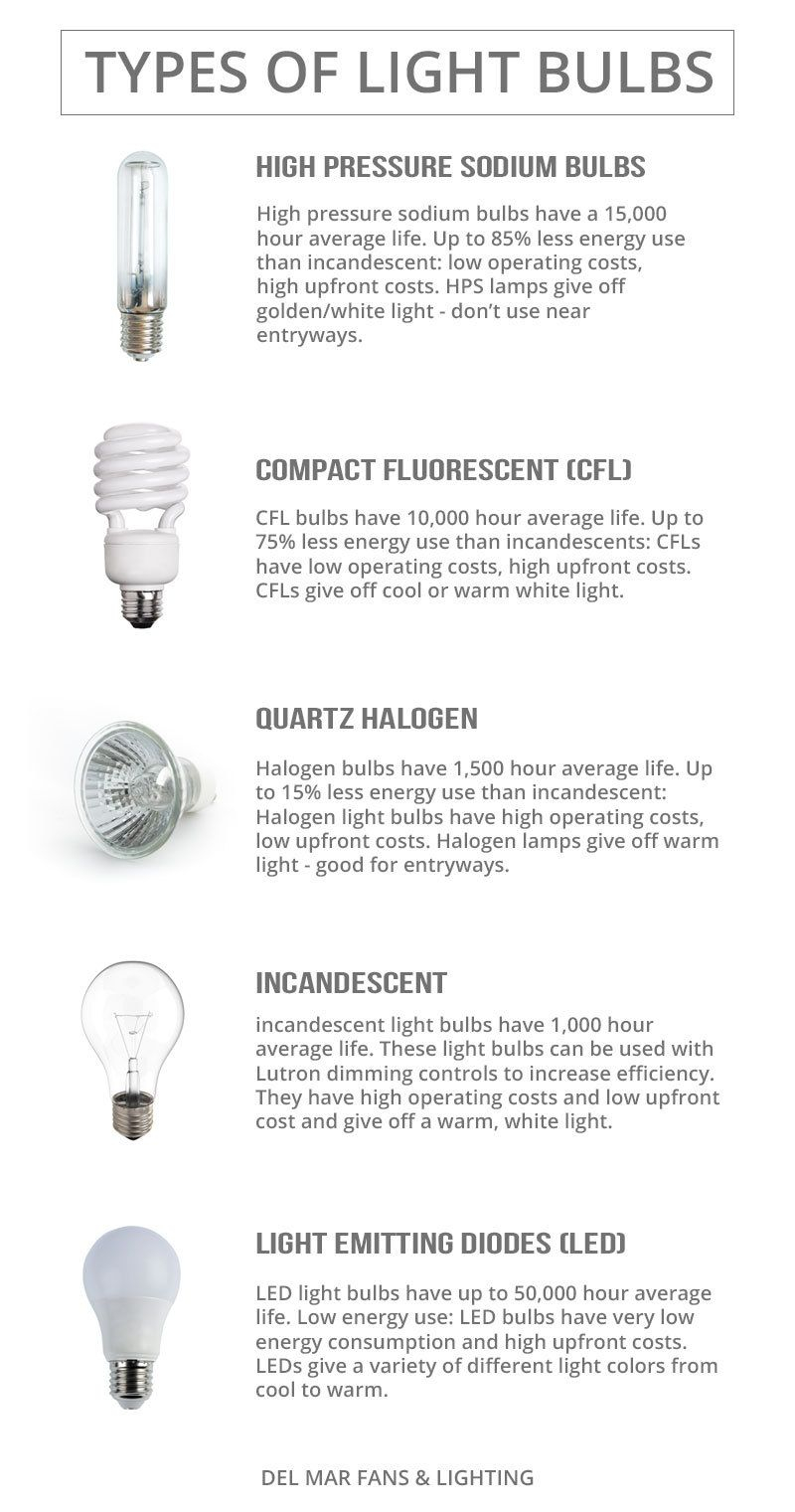
From an economic perspective, retrofitting a small apartment with high-efficiency LED perimeter lighting yields an incredible return on investment. Because linear LEDs consume a fraction of the electricity required by traditional incandescent or halogen bulbs (often running at just 8 to 12 watts per meter), you can illuminate an entire perimeter for pennies a day. Furthermore, transforming the emotional resonance of a cramped, depressing rental apartment can dramatically improve your quality of life without the crushing financial burden of upgrading to a larger square footage in an expensive real estate market.
Consider also the psychological uplift of spatial ownership. When you customize the lighting contours of your home, you take active control of your environment. You stop resenting the awkward angles, the low ceilings, and the missing windows of your compact dwelling. Instead, you weaponize light to reshape the physical reality of the room, turning architectural constraints into design features that feel intentional, modern, and deeply personal.
Strategic Framework for Crafting Your Apartment Sanctuary
To translate these concepts into an actionable game plan, approach your apartment lighting transformation through a structured, room-by-room hierarchy. Do not try to light everything at once; focus your energy where you spend the most time recovering from the demands of daily life.
- The Living Room Horizon: Focus your primary perimeter glow behind the main seating area and media console. By washing the wall behind your television and sofa, you eliminate eye strain during evening viewing sessions while visually expanding the main gathering zone.
- The Bedroom Halo: Install warm 2400K-2700K linear lighting behind your headboard and underneath the bed frame. This creates a floating bed effect while keeping all direct light out of your eyes when lying down, establishing a distraction-free sleep sanctuary.
- The Kitchen Perimeter: Add warm toe-kick lighting beneath lower kitchen cabinets. In galley kitchens common in small apartments, floor-level perimeter lighting guides your path at night without requiring you to flip on glaring overhead spotlights that wake up neighbors or housemates.
- The Transitional Threshold: Use soft vertical strip lighting along narrow hallway baseboards or behind entryway mirrors. This softens the transition zones of your apartment, making narrow corridors feel wide, welcoming, and open rather than tight and claustrophobic.
By treating light as a physical building material rather than a mere utility, you completely bypass the traditional limitations of square footage. You build an environment where the boundaries dissolve, the shadows recede, and the apartment finally feels like a place to exhale.
The cramped apartment is a defining reality of modern urban life, but the psychological claustrophobia that accompanies it is entirely optional. We have spent generations trapped in the tyranny of the central ceiling fixture, accepting harsh shadows and closed-in walls as the price of admission for city living. As the tools for accessible, high-CRI linear LED lighting continue to evolve, we now possess the power to radically redraw the boundaries of our living spaces with nothing more than photons and physics.
Transforming your home with soft perimeter glow is ultimately an act of reclamation. It is about taking a cookie-cutter rental unit or a modest starter apartment and imbuing it with warmth, depth, and human scale. When you switch on that hidden ribbon of warm light at the end of a long day, you are not just illuminating a room—you are dissolving its walls, quieting your nervous system, and carving out an authentic sanctuary in the middle of a noisy world.
Take a close look at your own living space tonight. Notice where the shadows pool, where the corners pinch, and where the harsh glare cuts your evening short. You don’t need more space, a bigger budget, or a moving truck. You just need to change where the light comes from, and watch your world open up.