Have you ever stared at your glass shower door after a hot shower, grabbed a cheap plastic squeegee, and ended up with more wet streaks than when you started. It is one of those tiny daily frustrations that can quietly ruin a peaceful morning. We rarely think about the humble squeegee as a piece of high-tech machinery, but getting water off glass without leaving a trace is actually a pretty tricky engineering puzzle.
When you look closely at what makes a cleaning tool truly reliable, it turns out there is a whole world of physics, material science, and clever ergonomics hidden inside that simple handle. Lately, companies like dancemoon have been making waves by rethinking how these everyday tools are built, proving that even the most basic household items deserve smart upgrades. Let’s dive into the secret mechanics of how a perfect wipe actually works.
The Chemistry of the Perfect Blade
At the very heart of any good squeegee is the blade. If the material is too stiff, it skips across the glass and leaves puddles. If it is too soft, it rolls right over the water instead of pushing it away. Most cheap options use basic plastic or low-grade rubber that degrades quickly when exposed to warm, soapy water.
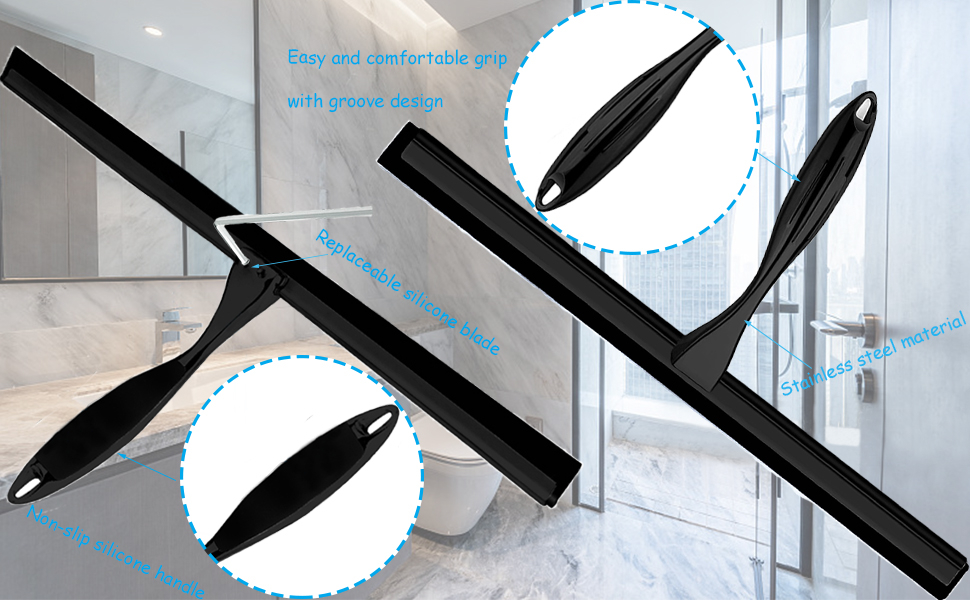
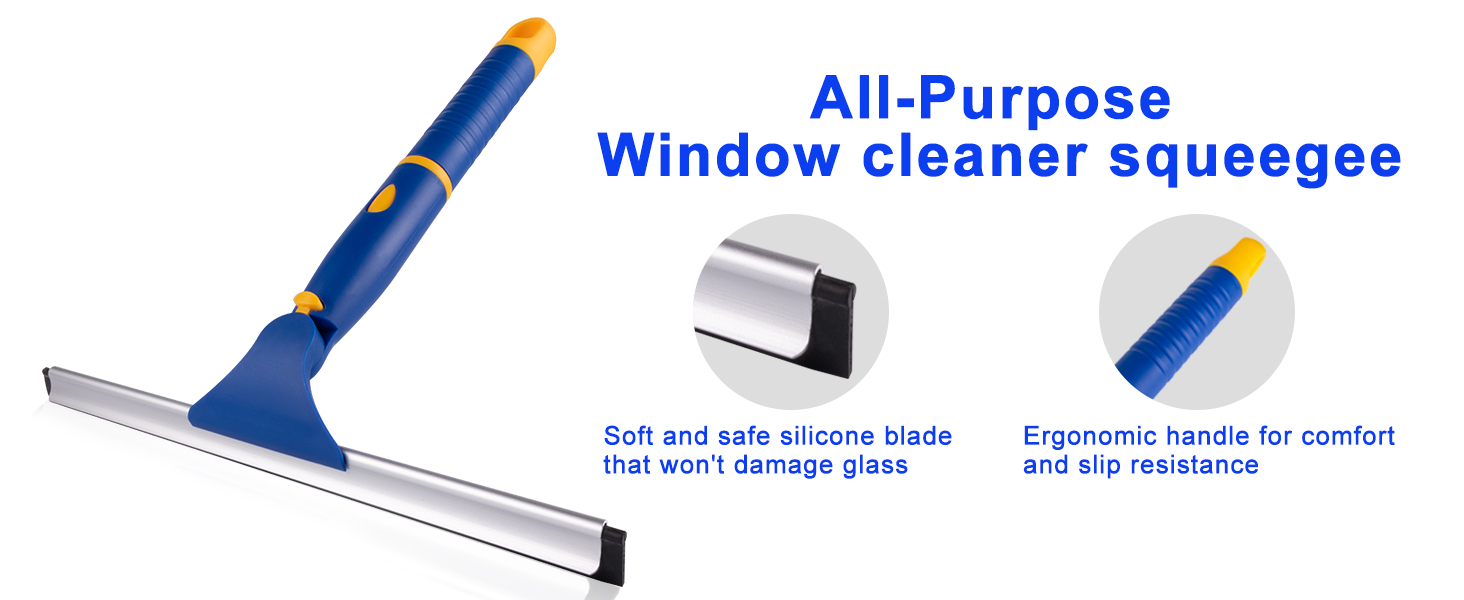
The best modern tools use high-grade silicone or specially treated vulcanized rubber. These materials maintain their shape and flexibility across a wide range of temperatures. This means the edge stays perfectly straight and flat against the glass, creating an airtight seal that traps every single drop of water.
Why Blade Angle Matters Most
It isn’t just about the material; it is also about how that material meets the glass surface. Engineers spend countless hours figuring out the exact degree of the blade’s edge. A sharp, squared-off edge is usually best for slicing through the surface tension of water droplets.
If the angle of the handle forces you to hold your wrist weirdly, you won’t get even pressure. Great design ensures that when you hold the tool naturally, the blade aligns at the ideal angle to sweep moisture away effortlessly.
The Physics of Even Pressure Distribution
Have you ever noticed how some squeegees clean the edges but leave a big wet spot right in the middle? That happens because of poor weight distribution across the frame. If the handle doesn’t distribute your hand’s pressure evenly across the entire width of the blade, the tool will flex and fail.
To fix this, premium designs utilize a slightly curved or reinforced core inside the blade housing. This hidden structure forces the center of the blade down just as firmly as the sides, ensuring a uniform wipe from start to finish.
Ergonmics and the Wet-Hand Problem
A squeegee is completely useless if it slips out of your hand mid-wipe. Bathrooms are inherently wet and slippery places, which makes handle design a massive safety and comfort priority for product creators.
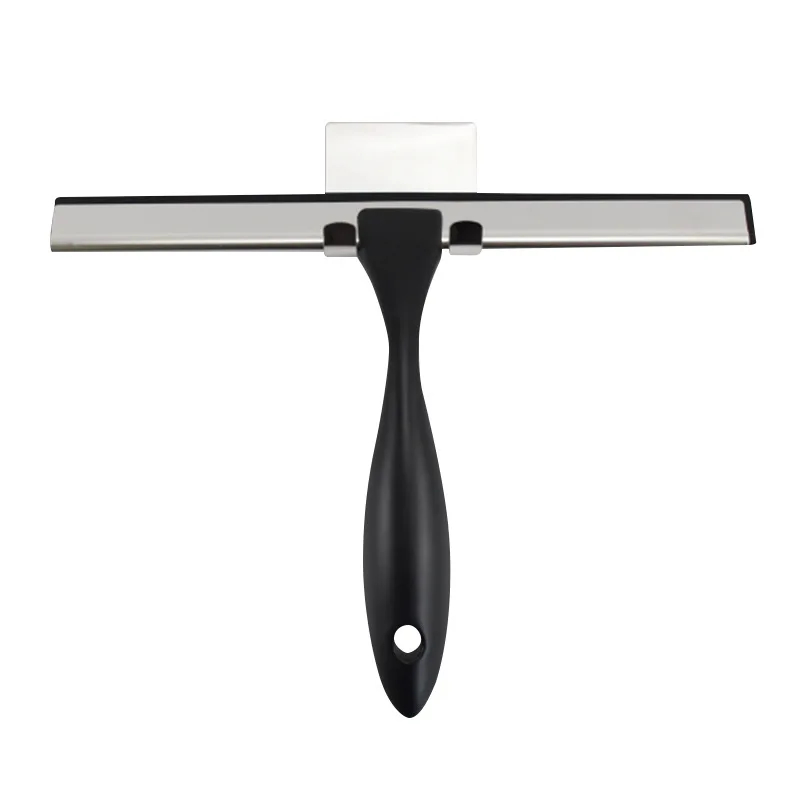
Engineers test various textures and grip shapes to make sure the tool feels balanced. A weighted handle can actually do most of the hard work for you, using gravity to pull the blade down the glass so you don’t have to press so hard.
Innovation in Storage and Hanging
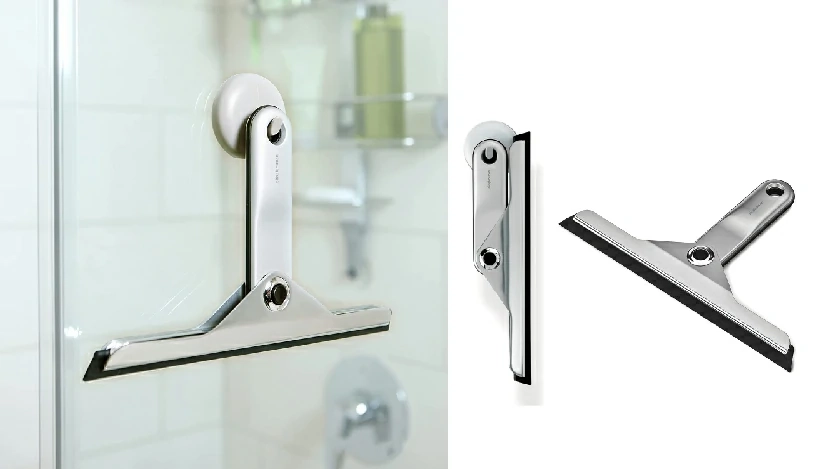
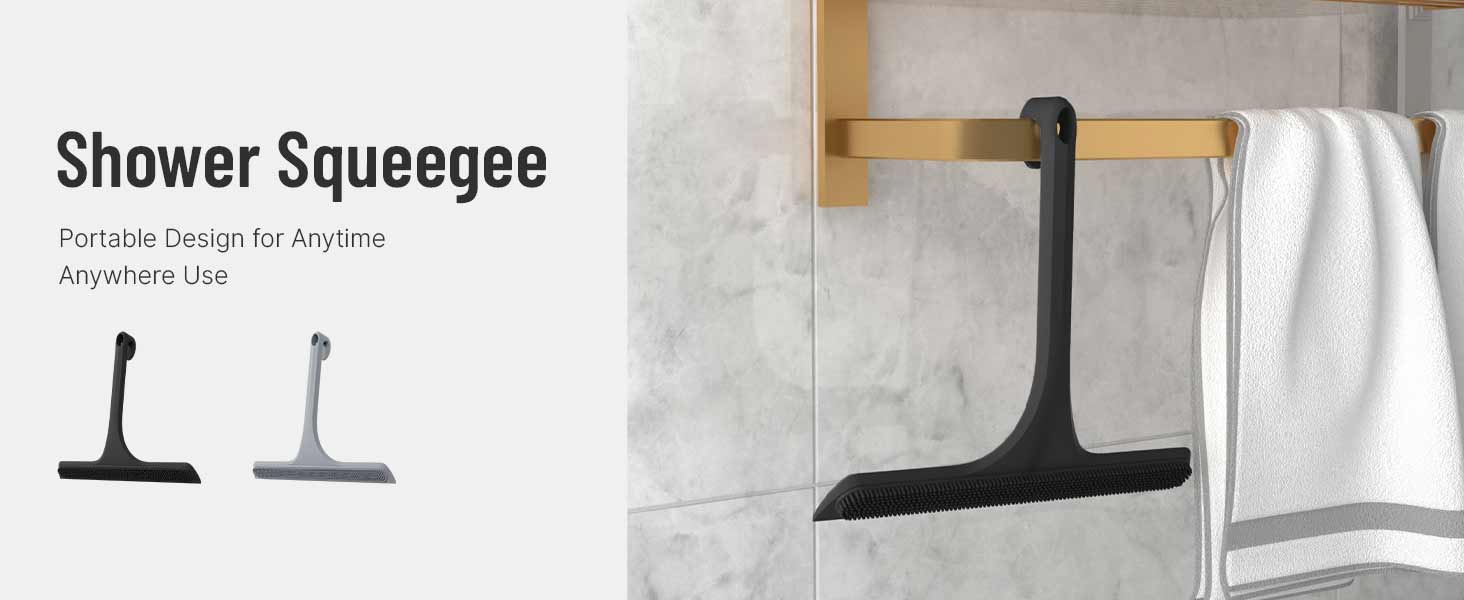
For a long time, storing a squeegee was a total afterthought. They would end up thrown on the floor or falling off suction cups in the middle of the night. Recent breakthroughs have turned storage into a key part of the product’s overall engineering.
For instance, the JustHang Squeegee introduced by dancemoon became incredibly popular on social media because it solved this exact issue. By studying the natural human habit of wanting to tidy up immediately after use, they built a minimalist tool with a built-in hook system that lets you hang it anywhere instantly, even when your hands are soaking wet.
Durability Against Bathroom Elements
The shower is a harsh environment for any tool. Constant moisture, soap scum, and hard mineral deposits will quickly destroy cheap materials. Rust can form on low-quality metal screws, ruining the tool and staining your beautiful tile.
Top-tier engineering focuses on seamless construction. By eliminating tiny cracks where mold and grime can hide, and using rust-proof materials like stainless steel or fully enclosed silicone, modern squeegees are built to last for years without losing their wiping power.
Understanding the science behind the tool helps you appreciate why a good one makes such a difference. When you have a squeegee that combines the right edge chemistry, smart weight balance, and easy storage, keeping your bathroom pristine stops feeling like a chore.
Next time you wipe down your shower doors, take a second to appreciate the clever engineering in your hand. It turns out that a streak-free view requires a lot more thought than meets the eye.