After a hard rain, you may find water in the lower track of a window designed to drain to the outdoors. Look where that water stays and where it goes next. Water caught in the track has a different path from water that reaches the interior stool, drywall, or floor. If your window has weep holes, begin by identifying the factory openings and looking for debris you can safely reach. That gives you a starting point for deciding whether you have a simple cleaning job or a leak that needs further diagnosis.
Find the drainage openings on your window model
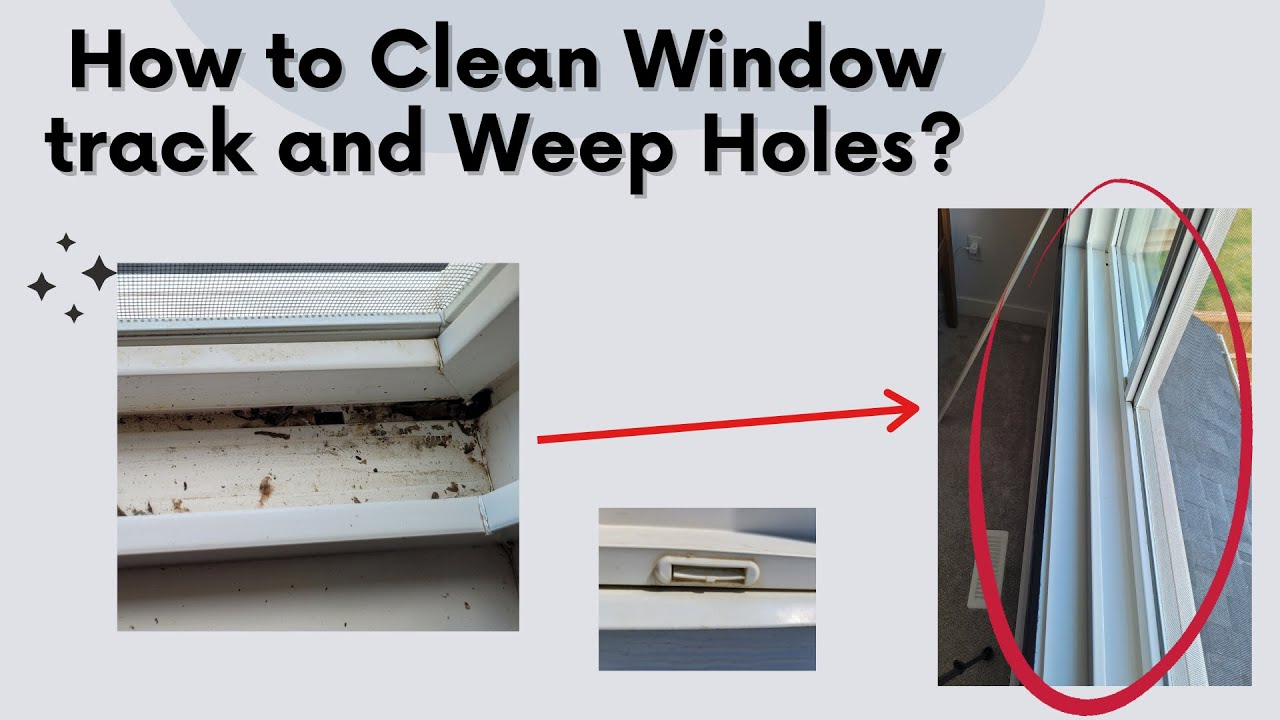
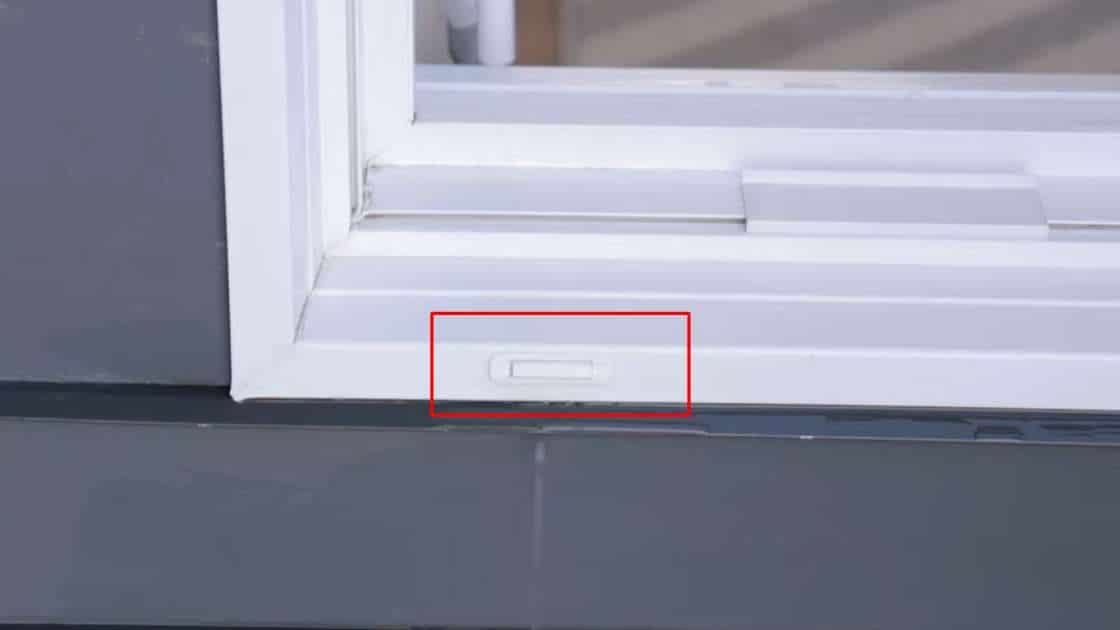
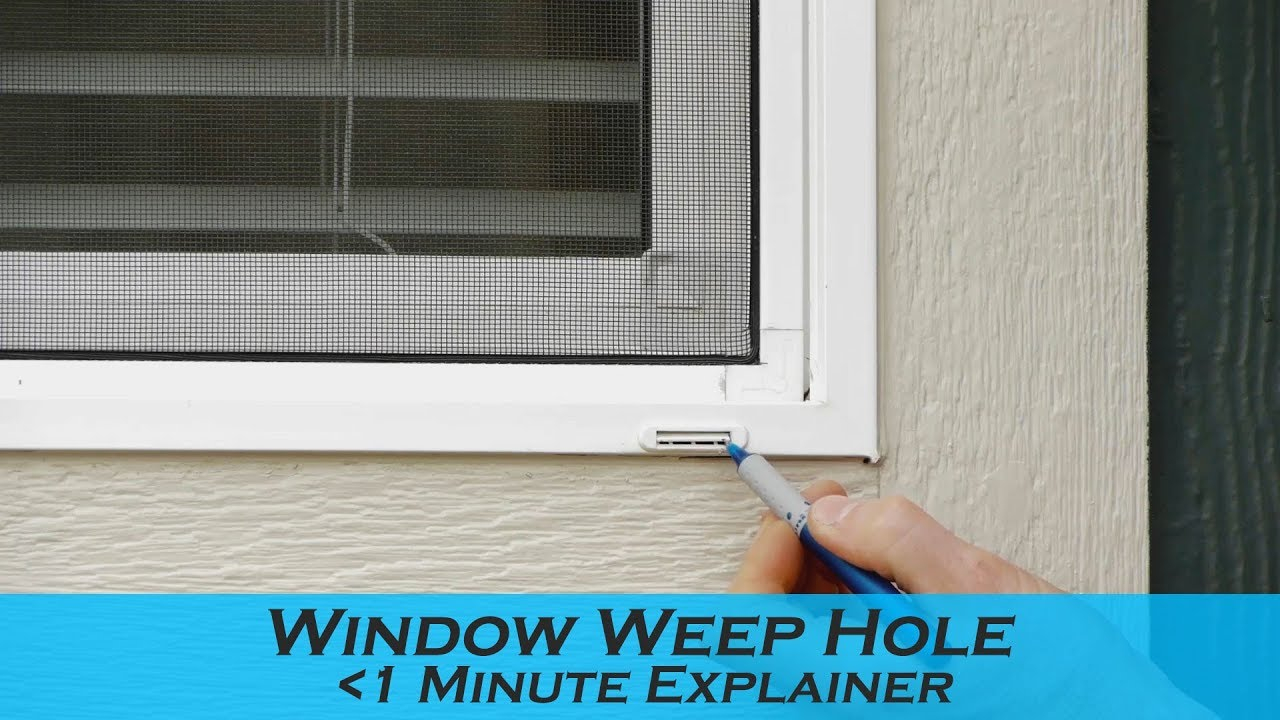
Open the window normally and look at the bottom of the frame where the moving sash sits. Check the corners of the track and the face of the rail just above it. From a safe ground-level position outdoors, look along the bottom face of the window frame. On some vinyl windows the outlets are round or rectangular, and small covers may hide them from view. The interior and exterior openings can be offset. Take a photo from each side to compare with the diagram in your model’s care instructions.
Start with your product label or an order record if the frame style is unclear. The manufacturer’s diagram helps distinguish an intentional opening from a failed caulk joint around the window or a hole belonging to the screen. For help locating the label, see the site’s guide to finding your window product ID. JELD-WEN illustrates the track and exterior openings and explains that a cover or insert can conceal the drainage path on some units. [4] JELD-WEN vinyl window care guide, Weep System section.
Clear the visible debris from the track and outlets
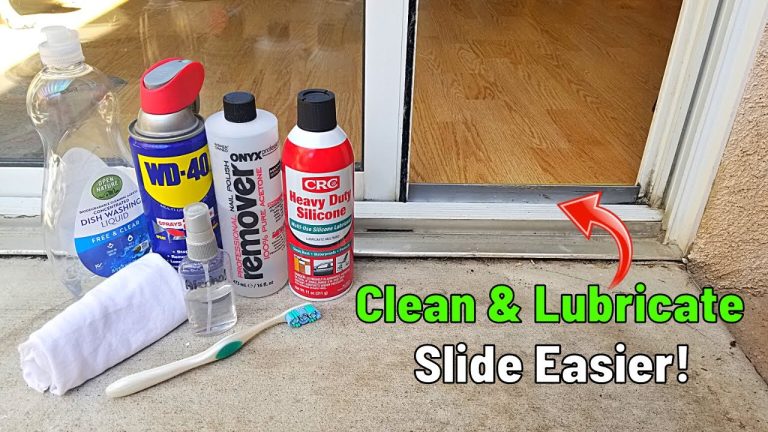
When the frame is accessible, use a vacuum with a small attachment or wipe the sill track with a damp cloth, as your care instructions allow. Start at the corners and lift debris out of the track so it does not collect at the openings. A flashlight helps reveal whether the obstruction is a pile of loose dirt or a strip of hardened material. Check the identified exterior outlets for leaves or grit you can lift away without disturbing the frame. Set the job aside if the only way to reach an outlet is to lean out of the window.
Leave a factory cap or baffle in place unless the manual for your model shows how to take it off and put it back. A flap may be part of the drainage assembly. If you see sealant, stucco, or trim covering a confirmed factory outlet and clearing it would mean cutting finished material, photograph the obstruction and ask your installer or the manufacturer for the right procedure. Keep confirmed drainage openings clear when touching up caulk elsewhere. For the vinyl units in its guide, JELD-WEN recommends cleaning the sill track and checking the exterior openings for obstructions. The guide also cautions against using a garden hose or power washer to clean the window. [4] JELD-WEN cleaning and drainage instructions.
Check how water exits using the maker’s procedure
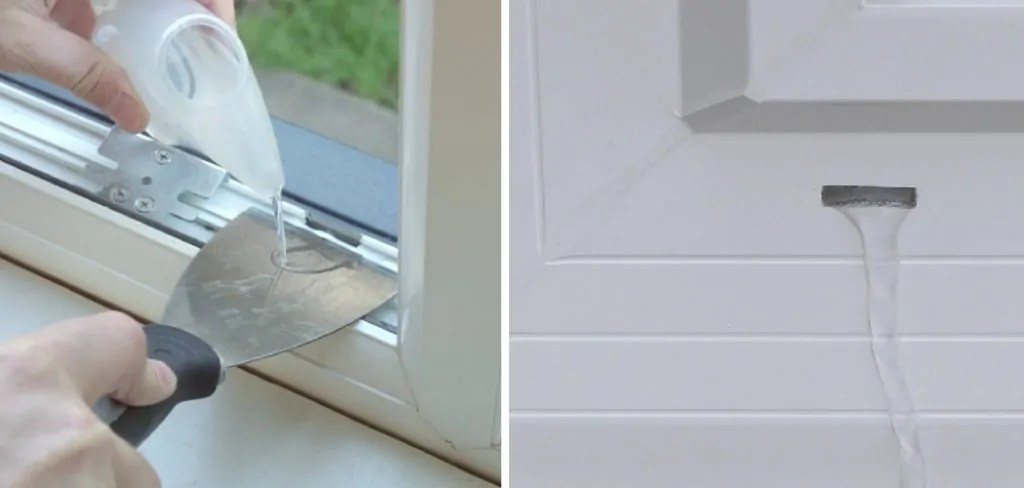
If your model’s manual specifies a water check, follow that procedure and put water only in the channel it identifies. For example, the JELD-WEN guide specifies a small amount, one cup, in the interior sill track of the units covered by that guide. Look for water leaving through the exterior outlet. Have a second person watch from ground level if you cannot observe the inlet and outlet at the same time. Stop if water approaches the room-side edge of the track or appears on the interior finish. Dry the affected area and record where it got wet. [4] JELD-WEN Weep System water check.
If you cannot identify the model or find its test instructions, check during or after a natural rain from a safe position and document what happens. A home observation has limits. Water leaving the outlet confirms a path was open at the time you checked it. A passing check still leaves open the possibility of a separate leak that occurs when wind drives rain against one side of the house.
Use the symptom to decide when to stop cleaning
If you removed loose debris and the track drains to the outside, note what you cleared and recheck after the next rain. If the track still holds water after routine cleaning and the manufacturer-directed check, arrange service instead of drilling an opening or pushing tools blindly into the frame. An obstruction may sit behind an insert, and reaching it can require model-specific disassembly. The JELD-WEN guide warns that inserting a tool too far can damage the insulated glass and recommends a service technician if clearing the drain does not work. [4] JELD-WEN guidance on persistent blockages.
Check the surrounding finishes too. If water first appears at the upper trim, beneath the interior sill, or on the wall while the track is dry, note that location when you contact the installer. For a useful service record, take a photo of the whole window, a close-up of the outlet, and a picture of the first wet spot. Include the model, the side of the house, whether the sash was closed, and when the water appeared. Those details tell the next person where to look and keep a recurring leak from being mistaken for dirt in the track.