Have you ever looked at a modern hot tub or air bath and wondered why it still uses the same noisy, energy-guzzling technology from decades ago? For a long time, the home spa industry relied on heavy plastic shells, massive pumps, and an incredible amount of electricity just to blow bubbles through water. But things are shifting quickly this year.
We are living in 2026, and the way we design wellness spaces at home is getting a massive upgrade. It is no longer just about pushing warm air through tiny holes; it is about creating systems that adapt to your body, save energy, and practically clean themselves. Let’s dive into how smart materials and green engineering are completely reshaping the way these air tubs work.
What Exactly is a Next-Gen Air Tub?
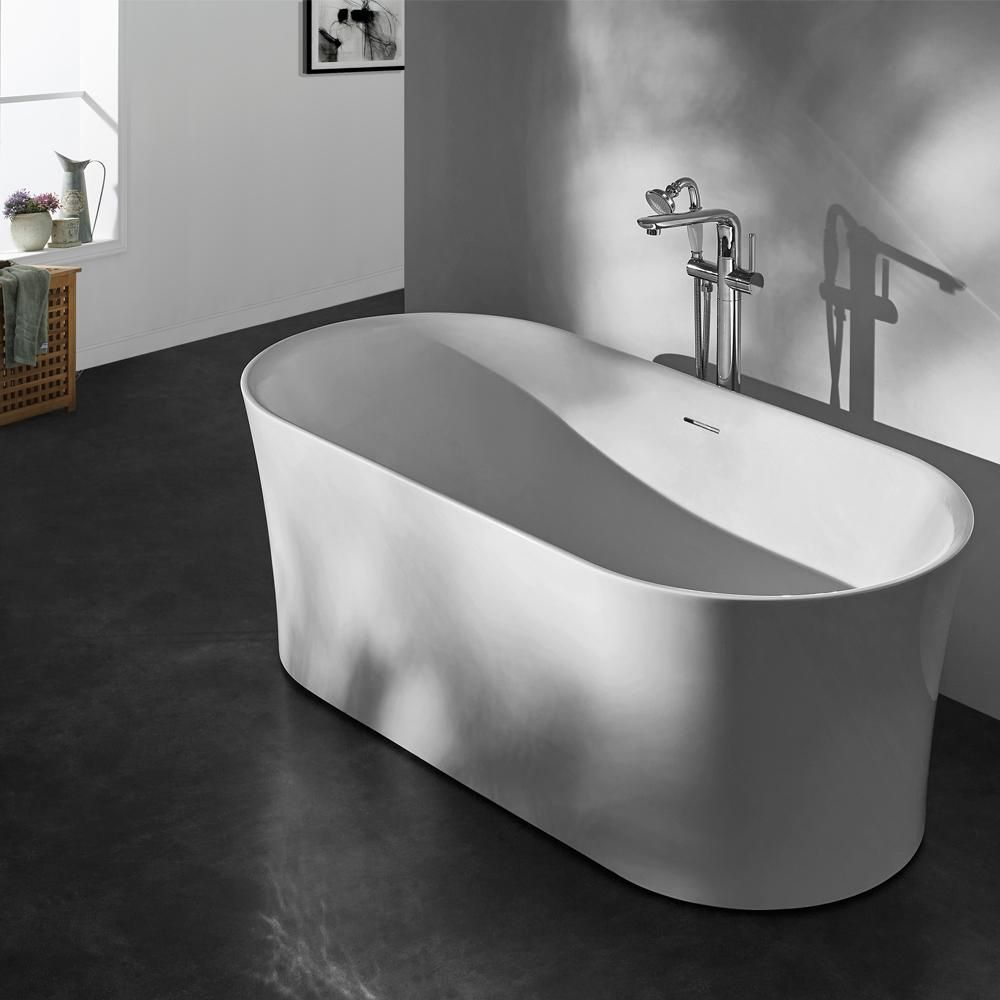
To understand where we are going, we have to look at what is changing under the surface. Traditional jetted tubs recirculate water through internal pipes, which can easily trap grime. Air tubs, on the other hand, push millions of tiny bubbles through dedicated channels, offering a softer massage and a more hygienic experience.
Now, next-generation layouts take this concept a step further by redesigning the entire internal plumbing and structure. Instead of rigid PVC pipes that take up tons of space, modern setups use flexible, acoustically dampened channels. This reduces noise significantly, so you actually hear the soothing sound of water rather than a loud motorized hum.
Shape-Shifting Comfort: The Role of Smart Materials
One of the coolest breakthroughs in 2026 is the integration of shape-memory polymers and alloys into the shell of the tub itself. Imagine a bath that subtely adjusts its contours to support your lower back or neck based on your weight and posture. This isn’t science fiction anymore.
These smart materials react to the warmth of the water, softening in specific zones to distribute pressure evenly. By embedding these responsive elements into the air tub layout, designers can create a highly personalized ergonomic experience without needing complex mechanical parts that break down over time.
The Green Revolution Under the Hood
Sustainable engineering is the backbone of these new layouts. Historically, keeping a large tub of water hot required a ridiculous amount of power. Today, manufacturers are using recycled composite materials and bio-based resins to build the outer structures, which offer incredible natural insulation.
Furthermore, engineers are now designing closed-loop thermal recovery systems. These systems capture the ambient heat generated by the air pump motor and redirect it right back into the air stream. Instead of wasting that energy, the tub reuses it to keep your bubbles warm, cutting electricity consumption by nearly a third.
Thermal Efficiency and Energy Saving Tips
If you are looking to optimize your own setup, the layout of your air lines matters immensely. Shorter, more direct air pathways mean the air loses less heat on its journey to the water. When shopping or planning a bathroom remodel, always look for layouts that centralize the blower component close to the main manifold.
Here are a few quick, practical tips to keep your setup eco-friendly:
- Choose a model with a variable-speed blower so you only use the power you actually need.
- Ensure the structural cavity is insulated with soy-based expanding foam.
- Run the automatic purge cycle immediately after draining to keep the lines dry and efficient.
Self-Cleaning Surfaces: Goodbye Scrubbing
Let’s face it, nobody enjoys cleaning a bathtub. That is why the latest air tub layouts incorporate hydrophobic and antimicrobial smart coatings directly into the air jets and shell. These coatings use microscopic structures to repel water droplets, preventing soap scum and mineral deposits from sticking.
Some high-end designs even feature titanium dioxide elements that activate under integrated UV lights. When the tub is empty, the system runs a brief dry-cycle where the light interacts with the coating to safely destroy bacteria at a molecular level. It is completely hands-off and uses zero harsh chemicals.
As we move further into 2026, the focus is expanding toward total home integration. Next-gen air tubs are beginning to sync with smart home ecosystems to optimize water use based on local utility rates. They can pre-heat using solar energy stored during the day, making your evening soak incredibly guilt-free.
The fusion of smart materials and clever engineering proves that luxury and sustainability don’t have to contradict each other. By rethinking how air moves, how heat is retained, and how surfaces interact with water, engineers have turned the humble bath into a peak example of modern green technology.
Ultimately, the transformation of air tub layouts shows how much progress we are making in everyday home engineering. We are moving away from brute-force machinery and embracing intelligent, elegant materials that do the heavy lifting for us.
Whether you are planning a future renovation or just love keeping up with modern design, it is clear that the future of relaxation is quieter, cleaner, and much friendlier to our planet. Relaxing at home doesn’t have to come with an environmental cost anymore, and that is a change everyone can get behind.