Let’s be honest. When you hear the word "outhouse," what comes to mind? Probably not luxury. Maybe not even comfort. For most of us, it conjures up images of splintered wood, questionable smells, and that iconic crescent moon cutout that’s seen better days. It’s the structure we tolerate, not the one we admire. But what if I told you that this tiny, often-overlooked building could actually become a highlight of your property? Not just a necessary evil, but a charming little nook that adds character and even a touch of whimsy to your outdoor space.
In 2026, the trend toward sustainable, off-grid living isn’t slowing down. More people are looking at their backyards not just as places to mow the lawn, but as extensions of their homes. And that includes every single structure on the land. You don’t need a massive renovation budget to make this happen. In fact, some of the most striking designs come from the simplest tweaks. It’s about seeing potential where others see neglect. It’s about taking something basic and giving it a soul.
So, why settle for drab when you can have fab? Whether you’re dealing with an existing relic that needs some love or planning a new build from scratch, the possibilities are surprisingly vast. We’re talking about turning a utilitarian box into a rustic cottage vibe, a modern minimalist pod, or even a hidden garden secret. And the best part? You can do it without emptying your savings account. Let’s dive into how you can transform this humble structure into a stylish retreat that you’ll actually enjoy visiting.
Rethinking the Structure: From Eyesore to Asset
The first step in any transformation is changing how you look at the object itself. An outhouse doesn’t have to be a dark, cramped box tucked away behind the shed. In recent years, designers and DIY enthusiasts have started treating these structures as architectural opportunities. Think about it: it’s a small canvas. A blank slate. And because it’s small, mistakes are less costly, and experiments are easier to manage.
Start by assessing the current state of your outhouse. Is the structure sound? If the bones are good, you’re halfway there. If not, consider a simple rebuild using free or low-cost plans available online. Sites like HowToSpecialist and MyOutdoorPlans offer step-by-step guides for builds that use minimal materials but maximize style. A modern lean-to design, for instance, uses clean lines and a sturdy frame to create a look that feels intentional rather than improvised. It’s not about building a palace; it’s about building with purpose.
Even if you’re keeping the existing structure, small structural changes can make a huge difference. Adding a window—yes, a real window with glass—can flood the space with natural light and make it feel less like a closet and more like a room. Ventilation is key, not just for comfort but for longevity. A simple solar-powered vent fan can work wonders for air circulation, keeping things fresh and dry. These aren’t expensive upgrades, but they shift the perception of the space from "primitive" to "practical and pleasant."
The Power of Paint and Exterior Cladding
If structure is the skeleton, then exterior finish is the skin. And nothing changes the look of a building faster than a fresh coat of paint or new siding. This is where you can really let your personality shine. Gone are the days when outhouses had to be unpainted weathered gray or faded brown. In 2026, we’re seeing a surge in bold colors and textured finishes that turn these little buildings into focal points.
Consider a rustic wood aesthetic. Using reclaimed wood or distressed finishes can give your outhouse that timeless countryside cottage feel. It blends seamlessly into natural surroundings and adds warmth. But if you’re leaning more modern, try vertical siding painted in a sleek charcoal or deep navy. The vertical lines draw the eye upward, making the small structure feel taller and more elegant. Add some black metal hardware for contrast, and suddenly you’ve got a chic, contemporary look that rivals any high-end garden shed.
Don’t forget the roof. It’s a large surface area that’s often ignored. A metal roof can add an industrial edge, while cedar shingles bring organic texture. If you’re on a tight budget, even cleaning and sealing the existing roof can make it look cared-for and intentional. The goal is cohesion. You want the outhouse to feel like it belongs in your landscape, not like it was dropped there by accident. A little thought goes a long way in creating that sense of harmony.
Interior Comforts: Small Space, Big Impact
Step inside. What do you see? If it’s bare plywood and darkness, it’s time for an intervention. The interior of your outhouse should be clean, bright, and inviting. This doesn’t mean you need to install marble countertops. Far from it. It means thinking about the basics: light, cleanliness, and a touch of hospitality.
Lighting is crucial. A simple battery-operated LED lantern or a small solar-powered light fixture can transform the ambiance. Hang it centrally, or place it near the mirror if you have one. Natural light is even better, which brings us back to the importance of that window we mentioned earlier. If privacy is a concern, use frosted glass or a simple curtain made from a repurposed linen sheet. It softens the light and adds a layer of coziness.
Then there’s the matter of decor. Keep it minimal but meaningful. A small shelf with a potted succulent or a jar of wildflowers can bring life into the space. Hang a piece of art—maybe a vintage print or a handmade sketch. It sounds silly, but these small touches signal that this space is cared for. It tells your guests, "I thought about your experience here." And that matters. Add a hook for coats or bags, and maybe a small basket for essentials. Functionality meets style in the smallest of packages.
Eco-Friendly Upgrades That Save Money
One of the biggest misconceptions about outhouses is that they’re inherently dirty or unsustainable. Actually, when done right, they can be incredibly eco-friendly. In fact, many modern designs incorporate composting systems that turn waste into usable soil, closing the loop in a beautiful way. This isn’t just good for the planet; it’s good for your wallet too, since you’re reducing water usage and sewage costs.
Composting toilets have come a long way. You don’t need a high-tech, expensive unit. Simple DIY composting setups using sawdust, peat moss, or coconut coir can be highly effective and odor-free when managed properly. The key is carbon-to-nitrogen balance and regular maintenance. There are plenty of resources online, including guides from survival and off-grid communities, that walk you through setting up a system that works for your climate and usage levels.
Beyond the toilet itself, think about other green touches. Use recycled materials for your build. Salvaged doors, windows, and lumber not only save money but add unique character. Install a rain barrel nearby to collect water for handwashing (if you have a sink) or for watering the plants around the outhouse. These small steps reduce your environmental footprint and reinforce the idea that this structure is part of a thoughtful, sustainable lifestyle.
Landscaping and Integration with Nature
An outhouse doesn’t exist in a vacuum. It sits in your yard, surrounded by plants, trees, and sky. How it interacts with that environment is just as important as its internal design. In 2026, the trend is toward seamless integration. You want the structure to feel like it grew out of the landscape, not like it was plopped down on top of it.
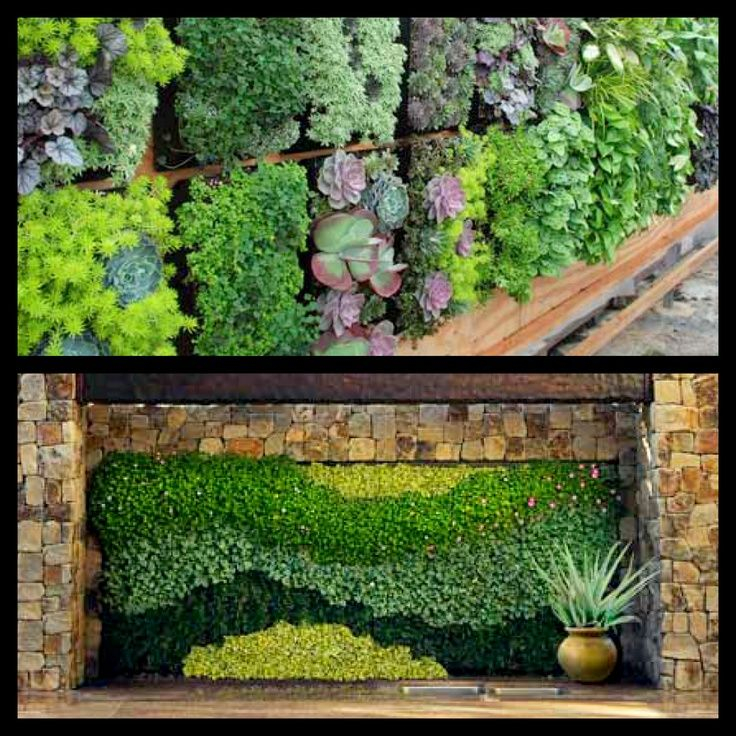
One clever trick is vertical gardening. As noted in recent design features, climbing vines like clematis, jasmine, or even edible beans can soften the hard lines of the building and help it blend into the greenery. Plant shrubs or tall grasses around the base to obscure the foundation and create a sense of privacy. This not only looks beautiful but also helps with insulation and wind protection.
Think about the path leading to the outhouse too. A gravel path lined with solar lights creates a welcoming journey. Stone steps or wooden planks can add texture and guide the eye. The approach should feel intentional, like a mini-trail to a secret garden spot. When the journey is pleasant, the destination feels more special. It’s about creating an experience, not just providing a facility.
Finally, it’s the little details that turn a project into a home. This is where you get to have fun. Maybe it’s a whimsical sign on the door. Maybe it’s a collection of sea shells on the windowsill. Maybe it’s a specific color scheme that matches your main house. These personal touches make the space yours. They tell a story.
Consider the door hardware. Swapping out a rusty latch for a vintage brass handle or a modern black lever can elevate the look instantly. Add a small welcome mat outside. It’s a tiny gesture, but it sets a tone of hospitality. Inside, keep a supply of nice hand soap and a clean towel if you have a washing station. These amenities show respect for your guests and yourself.
And don’t underestimate the power of scent. A small sachet of dried lavender or a citrus peel in a corner can keep the air smelling fresh and inviting. Avoid heavy perfumes or chemicals; let natural scents do the work. The goal is to create a space that feels clean, calm, and considered. When every detail is thoughtfully chosen, the whole becomes greater than the sum of its parts.
Transforming a basic outhouse into a stylish retreat isn’t about spending a fortune. It’s about seeing potential, using resources wisely, and adding touches of care and creativity. Whether you go rustic, modern, or somewhere in between, the result is a space that reflects your values and enhances your outdoor living. So take a look at that little building in your backyard. What could it become? With a bit of imagination and elbow grease, it might just become your favorite spot on the property.
[sps_html tag=”img” src=”https://cdn.northcarolinafinearchitecture.com/2026/06/sustainable-waste-management-for-outdoor-toilet-design.jpg” alt=”Sustainable Waste Management for Outdoor Toilet Design” style=”width: 100%; height: auto;”]
[sps_html tag=”img” src=”https://cdn.northcarolinafinearchitecture.com/2026/06/eco-friendly-home-waste-management-solutions-pertaining-to-what-homeowners-are-learning-about-sustainable-waste-management-in-their-backyards.jpg” alt=”Eco-Friendly Home Waste Management Solutions pertaining to What homeowners are learning about sustainable waste management in their backyards” style=”width: 100%; height: auto;”]
[sps_html tag=”img” src=”https://cdn.northcarolinafinearchitecture.com/2026/06/recycling-for-sustainable-waste-management-pertaining-to-what-homeowners-are-learning-about-sustainable-waste-management-in-their-backyards.jpg” alt=”Recycling For Sustainable Waste Management pertaining to What homeowners are learning about sustainable waste management in their backyards” style=”width: 100%; height: auto;”]
[sps_html tag=”img” src=”https://cdn.northcarolinafinearchitecture.com/2026/06/understanding-sustainable-waste-management-practices-zero-waste-solutions-throughout-what-homeowners-are-learning-about-sustainable-waste-management-in-their-backyards.jpg” alt=”Understanding Sustainable Waste Management Practices - Zero Waste Solutions throughout What homeowners are learning about sustainable waste management in their backyards” style=”width: 100%; height: auto;”]
[sps_html tag=”img” src=”https://cdn.northcarolinafinearchitecture.com/2026/06/yard-waste-disposal-options-for-homeowners-associations-columbia-regarding-what-homeowners-are-learning-about-sustainable-waste-management-in-their-backyards.jpeg” alt=”Yard Waste Disposal Options For Homeowners Associations Columbia … regarding What homeowners are learning about sustainable waste management in their backyards” style=”width: 100%; height: auto;”]