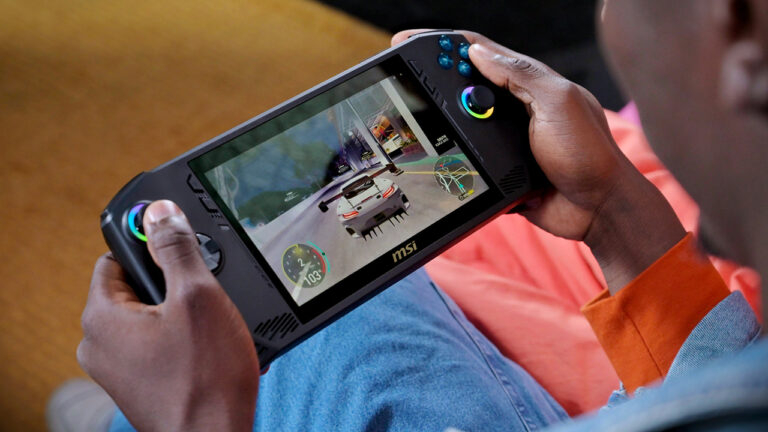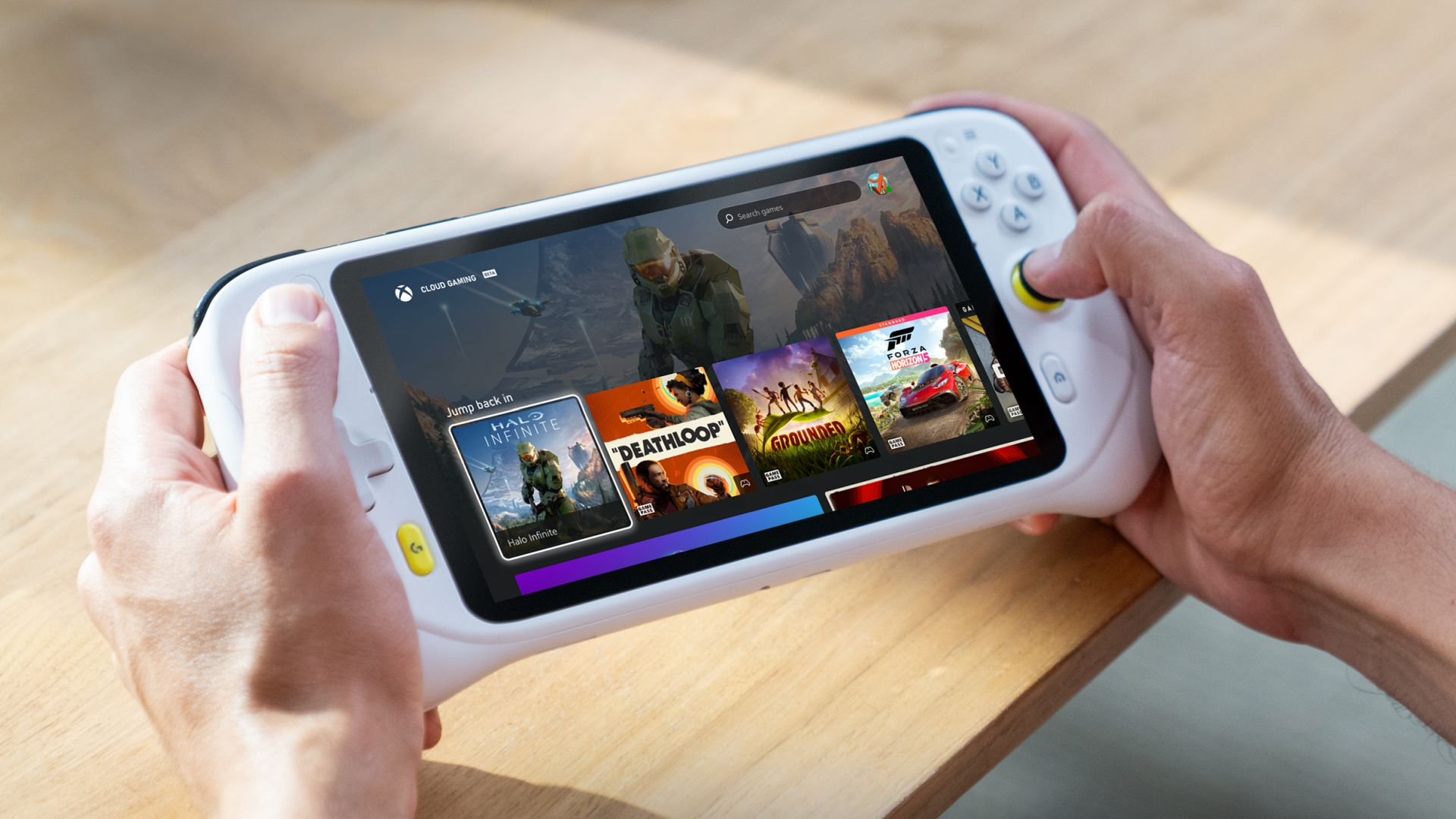
You pick it up. It’s light, sure, but there’s a weight to it that feels deliberate. Not heavy like a brick, but substantial. Like it knows its job. The edges are smooth, almost warm to the touch, not cold like aluminum or sharp like cheap polycarbonate. You press a button. It clicks with a satisfying thud, not a hollow snap. Have you ever stopped to wonder why? I mean, really wonder? We spend hundreds of hours holding these things, sliding them into docks, tossing them into bags. Yet, most of us never think about what they’re actually made of. We just play.
But here’s the thing: the material is the message. Or at least, it’s a huge part of it. Nintendo has always been a bit of an oddball in the tech world. While Sony and Microsoft chase raw power with sleek, often glossy black monoliths, Nintendo plays a different game. They play with texture. With color. With how a device sits in your hands after three hours of Zelda. In 2026, as we look at their latest hardware iterations—the refined Switch successors and the new handheld hybrids—the choices they’ve made aren’t just about cost-cutting. They’re about psychology. They’re about engineering a feeling. And honestly? It’s kind of brilliant.
Let’s peel back the casing. Literally. What’s going on under the hood isn’t just silicon and solder; it’s a carefully curated mix of polymers, coatings, and recycled compounds that define the entire user experience. This isn’t just plastic. It’s engineered plastic. And the difference is everything.
The Tactile Truth: Why "Feel" Matters More Than Specs
When you hold a controller, your brain is making thousands of micro-judgments per second. Is it slippery? Is it sticky? Does it feel cheap? These aren’t conscious thoughts, but they shape your enjoyment. Nintendo knows this. They’ve spent decades refining what engineers call "haptic aesthetics." It’s not just about vibration motors; it’s about the surface friction. The latest hardware uses a specialized ABS (Acrylonitrile Butadiene Styrene) blend that’s been tweaked for higher matte finish retention.
Why does this matter? Because glossy plastic shows fingerprints. It gets slick when your hands sweat during a intense boss fight. It looks worn out after six months. The matte finish on the new Joy-Con successors and the main console body resists this. It’s got a slight tooth to it. A grip. You don’t have to squeeze harder to keep it from sliding. This reduces hand fatigue. It’s a small thing, but over a hundred-hour RPG, it’s the difference between comfort and cramping.
And let’s talk about the buttons. Remember the mushy buttons of early handhelds? Nintendo fixed that years ago, but they’ve gone further now. The conductive rubber domes underneath the face buttons are tuned for a specific actuation force. Not too stiff, not too soft. Just right. They’ve also moved away from simple plastic-on-plastic contact for the D-pads, introducing a low-friction polymer coating that prevents that annoying "sticky" feeling you get when dust mixes with old grease. It’s subtle. You might not notice it until you try an older controller. Then you realize: oh, this is smooth.
Sustainability Without Sacrifice: The Recycled Revolution
Here’s a tricky bit. Everyone wants eco-friendly products. But recycled plastic? It’s notoriously inconsistent. One batch might be brittle; another might discolor. For a company that sells millions of units, consistency is king. So how did Nintendo pull it off in 2026? They didn’t just throw shredded bottles into the mold. They developed a proprietary blending process.
The outer shells of the latest models contain a significant percentage of post-consumer recycled polycarbonate. But here’s the kicker: they layer it. The structural core might use virgin material for strength, while the visible outer layers use the recycled blend, treated with stabilizers to prevent yellowing or degradation. This means you get the environmental benefit without the risk of your console snapping in half if you drop it. It’s a balancing act. And they’ve managed to keep the color vibrancy high, which is usually the first thing to suffer with recycled materials.
This shift isn’t just marketing fluff. By 2026, regulatory pressures in Europe and Asia have forced hardware makers to reduce virgin plastic use. Nintendo got ahead of this. They started experimenting with bio-based plastics for non-structural parts, like the kickstand or internal brackets. These materials break down more easily in industrial composting facilities, though let’s be real—you shouldn’t be composting your Switch. But it shows a mindset shift. They’re thinking about the end of life, not just the unboxing.
Durability by Design: Engineering for the Drop Test
Let’s be honest. Kids drop things. Adults drop things too. I’ve dropped my phone, my keys, and yes, my handheld console. Nintendo designs for this. They know their audience includes eight-year-olds who treat electronics with the grace of a bull in a china shop. So, the material choices reflect a need for impact resistance.
The key here is flexibility versus rigidity. Too rigid, and the plastic cracks on impact. Too flexible, and the internal components shift, breaking solder joints. The latest chassis uses a hybrid approach. The main body is rigid enough to protect the screen and motherboard, but the corners and edges have a slightly softer, more impact-absorbent polymer blend. It’s like having a built-in bumper case, but it’s part of the actual shell. You don’t need to buy extra protection (though you probably will anyway).
They’ve also reinforced the stress points. The areas where the Joy-Cons slide in and out? Those rails take a beating. Thousands of insertions and removals. Nintendo switched to a glass-filled nylon composite for these rails in the latest revision. Nylon is tough. Adding glass fibers makes it even tougher and more resistant to wear. It doesn’t deform over time. That loose, wobbly feeling you might have experienced with older models? It’s largely gone. The connection stays tight, ensuring the data pins maintain contact. It’s a boring detail, but it saves your hardware from premature death.
Thermal Management: Plastic That Breathes
Electronics get hot. Powerful chips packed into small spaces generate heat. If that heat doesn’t escape, the system throttles. Performance drops. Fans spin up like jet engines. Nintendo’s latest hardware pushes more power than before, so thermal management is critical. But how do you cool a device wrapped in plastic, which is naturally an insulator?
The answer lies in the internal architecture and material conductivity. While the outer shell is standard plastic, the internal shielding and heat spreaders use thin sheets of aluminum and graphite composites. These materials pull heat away from the processor and distribute it across a larger surface area inside the case. Then, the plastic shell itself is designed with microscopic ventilation channels that aren’t immediately obvious. They’re hidden in the seams, the back vents, even around the buttons.
This allows air to flow efficiently without compromising the device’s water-resistance or dust-proofing ratings. The plastic formulation also includes additives that improve heat dissipation slightly, preventing hot spots on the exterior. You won’t burn your hands holding it, even after a long session of Mario Kart. It stays warm, not hot. That’s a deliberate engineering choice. It’s about maintaining performance without sacrificing comfort. And let’s face it, nobody likes a burning lap.
The Aesthetic of Nostalgia: Color and Texture Psychology
Nintendo doesn’t just make gray boxes. They make toys. High-tech, sophisticated toys, but toys nonetheless. Color matters. The plastic they use accepts dye differently than standard industrial grades. They can achieve deeper, more saturated colors that don’t fade quickly under UV light. Think about the vibrant reds and blues of the classic controllers. Those colors are iconic. They trigger nostalgia.
In 2026, they’ve expanded this palette. The new hardware features pastel tones and translucent elements that harken back to the Game Boy Color era, but with a modern, matte finish. This isn’t accidental. It’s a bridge between generations. Parents see the colors they loved as kids; kids see something fresh and fun. The material choice enables this. Standard glossy plastic would look cheap in these colors. The matte, textured finish gives it a premium, tactile quality. It feels special.
They also play with contrast. Mixing matte bodies with glossy accents, or soft-touch grips with hard plastic buttons. This visual and tactile variety keeps the device interesting. It breaks up the monotony. It invites you to touch it, to explore it. It’s a subtle form of engagement that starts before you even turn the screen on. The hardware itself is a piece of the game’s world. It sets the stage.
Here’s a trend that’s gaining steam: repairability. For years, consoles were sealed shut. Glued together. If something broke, you bought a new one. Not anymore. Consumers demand longevity. Nintendo has responded by designing the latest hardware with modular materials. The screws are standard, not proprietary. The battery is accessible with common tools. The screen assembly can be replaced without melting the entire casing.
This requires specific material choices. The adhesives used are strong enough to hold the device together during normal use but can be softened with heat for repair. The plastic clips are designed to flex without breaking during disassembly. It’s a delicate balance. Too fragile, and the device falls apart in your bag. Too strong, and it’s impossible to fix. Nintendo has landed in a sweet spot. They’re using snap-fit joints made from resilient polymers that can withstand multiple assembly cycles.
This shift extends the life of the hardware. It reduces e-waste. It empowers users. You don’t have to be an engineer to swap a battery. You just need a screwdriver and a bit of patience. This material philosophy—designing for disassembly—is perhaps the most important change in recent years. It signals a respect for the user and the environment. It says: we want this to last. And that’s a feeling worth holding onto.
So, next time you pick up your console, take a second. Feel the weight. Notice the texture. Look at the color. It’s not just a box of chips. It’s a culmination of decades of material science, user research, and design intuition. Nintendo didn’t just build a machine. They crafted an object. An object meant to be held, loved, dropped, fixed, and played with. And in a world of disposable tech, that’s pretty remarkable. Isn’t it?
The materials tell a story. A story of durability, sustainability, and joy. They’re quiet, unseen heroes of your gaming experience. But once you know what to look for, you can’t unsee it. You’ll feel it every time you play. And maybe, just maybe, you’ll appreciate that little click of a button just a bit more. It’s not magic. It’s engineering. But it feels like magic. And that’s the point.
[sps_html tag=”img” src=”https://cdn.northcarolinafinearchitecture.com/2026/05/portable-xbox-handheld-within-understanding-the-real-cost-of-portable-console-durability-scaled.jpg” alt=”Portable Xbox Handheld within Understanding the Real Cost of Portable Console Durability” style=”width: 100%; height: auto;”]
[sps_html tag=”img” src=”https://cdn.northcarolinafinearchitecture.com/2026/05/une-console-portable-microsoft-des-2025-et-la-nouvelle-generation-de-with-regard-to-understanding-the-real-cost-of-portable-console-durability.jpg” alt=”Une Console Portable Microsoft Dès 2025, Et La Nouvelle Génération De … with regard to Understanding the Real Cost of Portable Console Durability” style=”width: 100%; height: auto;”]
[sps_html tag=”img” src=”https://cdn.northcarolinafinearchitecture.com/2026/05/xbox-series-xs-preorders-go-live-for-three-new-editions-of-the-with-regard-to-understanding-the-real-cost-of-portable-console-durability.jpg” alt=”Xbox Series X|S Preorders Go Live For Three New Editions Of The … with regard to Understanding the Real Cost of Portable Console Durability” style=”width: 100%; height: auto;”]
[sps_html tag=”img” src=”https://cdn.northcarolinafinearchitecture.com/2026/05/every-nintendo-consoles-launch-price-adjusted-for-inflation-youtube-inside-understanding-the-real-cost-of-portable-console-durability.jpg” alt=”Every Nintendo Console’s Launch Price (Adjusted For Inflation) - Youtube inside Understanding the Real Cost of Portable Console Durability” style=”width: 100%; height: auto;”]
[sps_html tag=”img” src=”https://cdn.northcarolinafinearchitecture.com/2026/05/the-msi-claw-portable-console-will-cost-e899-and-arrive-in-april-pertaining-to-understanding-the-real-cost-of-portable-console-durability.jpg” alt=”The Msi Claw Portable Console Will Cost €899 And Arrive In April pertaining to Understanding the Real Cost of Portable Console Durability” style=”width: 100%; height: auto;”]