Ever stood in a dimly lit corridor, staring at a ceiling fixture, wondering if it’s actually going to work when the power goes out? You’re not alone. For electricians, facility managers, and even seasoned engineers, the alphabet soup of safety standards can feel less like a clear roadmap and more like a riddle wrapped in legalese. Specifically, the relationship between UL 924 and NEC Article 700 trips people up constantly. It’s one of those topics that sounds dry until you realize getting it wrong means failing an inspection, or worse, compromising safety during a crisis.
The confusion usually stems from a simple misunderstanding of roles. One is a rulebook for how a product is built; the other is a rulebook for how that product is installed and used. But they overlap, they reference each other, and sometimes they seem to contradict. In 2026, with new updates to the National Electrical Code (NEC) regarding Class 2 powered systems, the stakes are higher than ever. Let’s cut through the noise. We’ll look at what these standards actually say, why they matter, and how you can stop second-guessing your next emergency lighting project.
Understanding the Core Distinction: Product vs. System
Think of it this way: UL 924 is about the hardware. It’s the standard that Underwriters Laboratories uses to test emergency lighting equipment. When a manufacturer sends a light fixture or a battery pack to a lab, UL 924 is the checklist they run it against. Does the battery last 90 minutes? Does the light turn on within ten seconds? Does it handle the heat? If it passes, it gets listed. That listing is your proof that the product itself is safe and reliable. It sits at the intersection of several major codes, including NFPA 101 and the International Building Code (IBC). A UL 924 label basically tells you, "This thing works as advertised."
NEC Article 700, on the other hand, is about the ecosystem. It’s part of the National Electrical Code, which governs how electrical systems are installed in buildings. Article 700 doesn’t care so much about how the battery was welded inside the casing; it cares about where the wires go, how the circuit is protected, and whether the system will actually illuminate the exit path when the main power fails. It mandates that emergency lighting must be illuminated within 10 seconds of a power loss. It dictates wiring methods, source connections, and testing protocols. So, while UL 924 certifies the tool, NEC Article 700 dictates how you use it in the field.
Mixing them up leads to classic mistakes. You might buy a beautifully UL 924-listed fixture but wire it to a non-emergency circuit, violating NEC 700. Or, you might follow NEC wiring rules perfectly but install a cheap, unlisted knockoff that fails the moment the grid goes down. Both are failures. The key takeaway? You need both. The product must be listed (UL 924), and the installation must comply with the code (NEC 700). They aren’t competitors; they’re partners in keeping people safe.
The Transfer Switch Debate: UL 924 vs. UL 1008
Here is where things get interesting, and frankly, a bit messy. In many emergency lighting setups, you need a way to switch from normal power to emergency power. This is where transfer switches come in. You’ll often hear people debating whether to use a UL 924 device or a UL 1008 device. Are they interchangeable? Sort of, but not really. The difference lies in what they’re actually switching.
A UL 1008 transfer switch is designed to transfer between two distinct power sources. Think of a generator and the utility grid. It’s robust, heavy-duty, and meant for larger scale power distribution. It moves power from Source A to Source B. A UL 924 transfer device, however, is simpler. It transfers from input to output within the same circuit context. It’s often built right into the emergency ballast or driver. It takes the normal AC power, charges the battery, and when that AC power dies, it switches the light over to the battery DC power. It’s an internal handoff, not a external source swap.
So, which one do you need for NEC Article 700 compliance? Surprisingly, both can work. Recent white papers and industry analysis show that a fully compliant NEC Article 700 design can be achieved with either type, depending on the scale and architecture of your system. For a single remote head or a small cluster of lights, a UL 924 integrated transfer is standard and efficient. For a central battery system powering an entire floor, a UL 1008 might be the better choice to manage the load transfer from the central inverter. The confusion arises because people assume one is "better" than the other. In reality, it’s about application. Don’t over-engineer a closet light with a massive UL 1008 switch, and don’t try to run a hospital wing on a tiny UL 924 driver. Know the scope, pick the right tool.
Navigating Remote Heads and Wiring Requirements
Remote heads are the unsung heroes of emergency lighting. You know those little eyeball lights mounted on walls or ceilings, connected by a thin wire to a main unit? Those are remote heads. And yes, they are heavily regulated. Both UL 924 and NEC Article 700 have specific things to say about them, and if you’re installing them, you need to pay attention to the details. The runtime requirement is universal: 90 minutes. No shortcuts. The light levels are strict too: typically 1 foot-candle average, with a minimum of 0.1 foot-candle at any point along the path of egress.
Wiring is where the NEC flexes its muscles. You can’t just daisy-chain remote heads off a regular convenience outlet circuit. The wiring must be dedicated, protected, and clearly identified. NEC Article 700 requires that the circuit supplying emergency lighting be kept separate from general lighting and power circuits. This ensures that if a breaker trips in the office area because someone plugged in too many space heaters, the exit signs and remote heads stay on. UL 924 comes back into play here by ensuring the remote head itself can handle the voltage drop and still perform for the full 90 minutes. If the wire is too long or too thin, the light might flicker or die early, failing both the product standard and the code intent.
Authority Having Jurisdiction (AHJ) inspectors love to check these connections. They’ll pull out their light meters and timers. They’ll ask for your testing logs. Speaking of logs, keep them. Regular testing isn’t just a good idea; it’s a code requirement. Monthly functional tests and annual duration tests are mandatory. If you can’t prove the system works, you’re non-compliant, regardless of how fancy your UL-listed gear is. Make sure your wiring diagrams match the physical installation. It sounds obvious, but you’d be surprised how often the "as-built" drawings don’t match the reality behind the drywall.
The New Frontier: Class 2 Powered Systems (NEC 700.27)
If you thought you had it all figured out, the 2023 NEC introduced a curveball that’s still rippling through the industry in 2026: Section 700.27, covering Class 2 Powered Emergency Lighting Systems. This is a big deal. Traditionally, emergency lighting ran on line-voltage (120V or 277V) circuits. Class 2 systems operate at lower voltages and energy levels, which makes them inherently safer from a fire and shock perspective. Think of it like the difference between a high-pressure gas line and a low-pressure air hose. The latter is much easier to handle safely.
Why does this matter? Because Class 2 systems allow for simpler wiring. They often don’t require the same rigid conduit or strict separation rules as line-voltage circuits. This can save time and money during installation. But here’s the catch: the components must still be listed. The act of distributing emergency power or control signals among connected devices meets the definition of an Emergency Lighting Control Function (ELCF) under UL 924. So, even though you’re using low-voltage Class 2 power, the devices doing the distributing need to be UL 924 compliant. It’s a blend of old and new.
This section has caused some head-scratching among older electricians who are used to the "heavy iron" approach. But for modern, smart-building designs, it’s a game changer. It enables more flexible layouts and easier integration with building management systems. Just remember, "Class 2" doesn’t mean "casual." The performance requirements—90 minutes runtime, 10-second activation—are identical. The only thing that changes is how the power gets there. Make sure your transformers and power supplies are specifically listed for Class 2 emergency use. Off-the-shelf LED drivers won’t cut it.
Directly Controlled Luminaires and AHJ Approval
One of the most frustrating parts of any construction project is the final inspection. You’ve done everything right, but the inspector flags something ambiguous. This used to happen a lot with emergency luminaires that were controlled by building automation systems. Was it compliant? Did the control interface compromise the emergency function? Uncertainty led to delays. That’s why recent revisions to UL 924 have been so impactful. They now explicitly permit compliant luminaires to be marked as "Directly Controlled Luminaires."
This label is powerful. It boldly declares conformance to NEC 700.24, which deals with controls for emergency lighting. By having this marking, the manufacturer is telling the AHJ, "Hey, we’ve tested this. It works with the control system, and it still meets all emergency requirements." It removes the guesswork. For designers, this means you can specify sophisticated lighting control schemes without fearing a code violation. You can dim lights for energy savings during the day, knowing that when the power fails, the fixture will override the dimmer and go to full brightness instantly.
This evolution reflects a broader trend in the industry: clarity. Codes are moving away from vague interpretations toward specific, testable criteria. For the end user, this means safer buildings. For the installer, it means fewer arguments on site. If you’re specifying fixtures in 2026, look for that "Directly Controlled" mark. It’s a sign that the product has been vetted for the complex reality of modern electrical systems. It bridges the gap between energy efficiency and life safety, two goals that don’t always play nice together.
So, how do you put all this into practice? Start with the specs. Don’t just copy-paste from an old project. Check the current edition of the NEC adopted in your jurisdiction. Some states are on 2023, others might still be on 2020. Know which one applies. Then, verify your product listings. Don’t take a sales rep’s word for it. Ask for the UL file number. Look it up. Ensure the fixture is listed to UL 924. If it’s a transfer switch, confirm if it’s UL 924 or UL 1008 and ensure it matches your system design.
Next, focus on the documentation. Keep a binder (or a digital folder) with all your submittals, cut sheets, and wiring diagrams. When the inspector asks, "How do I know this circuit is isolated?" you should be able to point to a diagram showing the dedicated homerun. Label your panels clearly. "Emergency Lighting" shouldn’t be written in pencil on a piece of tape. Use permanent, legible labels. This seems minor, but it builds trust with the AHJ. It shows you’re organized and serious about compliance.
Finally, test early and often. Don’t wait until the week before occupancy to flip the breakers. Test the system during rough-in if possible. Check the voltage at the remote heads. Verify the transfer time. If a fixture takes 15 seconds to come on, you’ve got a problem. Fix it now, not when the certificate of occupancy is on the line. And train the facility staff. Show them how to run the monthly tests. Explain why the annual 90-minute test matters. A compliant system is useless if no one knows how to maintain it. Safety isn’t a one-time event; it’s a habit.
At the end of the day, navigating UL 924 and NEC Article 700 isn’t about memorizing every clause. It’s about understanding the intent. The goal is simple: keep the lights on when everything else goes dark. UL 924 ensures the gear can do it. NEC Article 700 ensures the building lets it happen. When you respect both, you’re not just passing inspections. You’re creating spaces where people feel secure, even in the worst-case scenario. That’s worth getting right.
[sps_html tag=”img” src=”https://cdn.northcarolinafinearchitecture.com/2026/05/emergency-lighting-design-guide-youtube-within-designing-for-panic-why-human-behavior-should-drive-your-emergency-lighting-strategy.jpg” alt=”Emergency Lighting Design Guide - Youtube within Designing for Panic Why Human Behavior Should Drive Your Emergency Lighting Strategy” style=”width: 100%; height: auto;”]
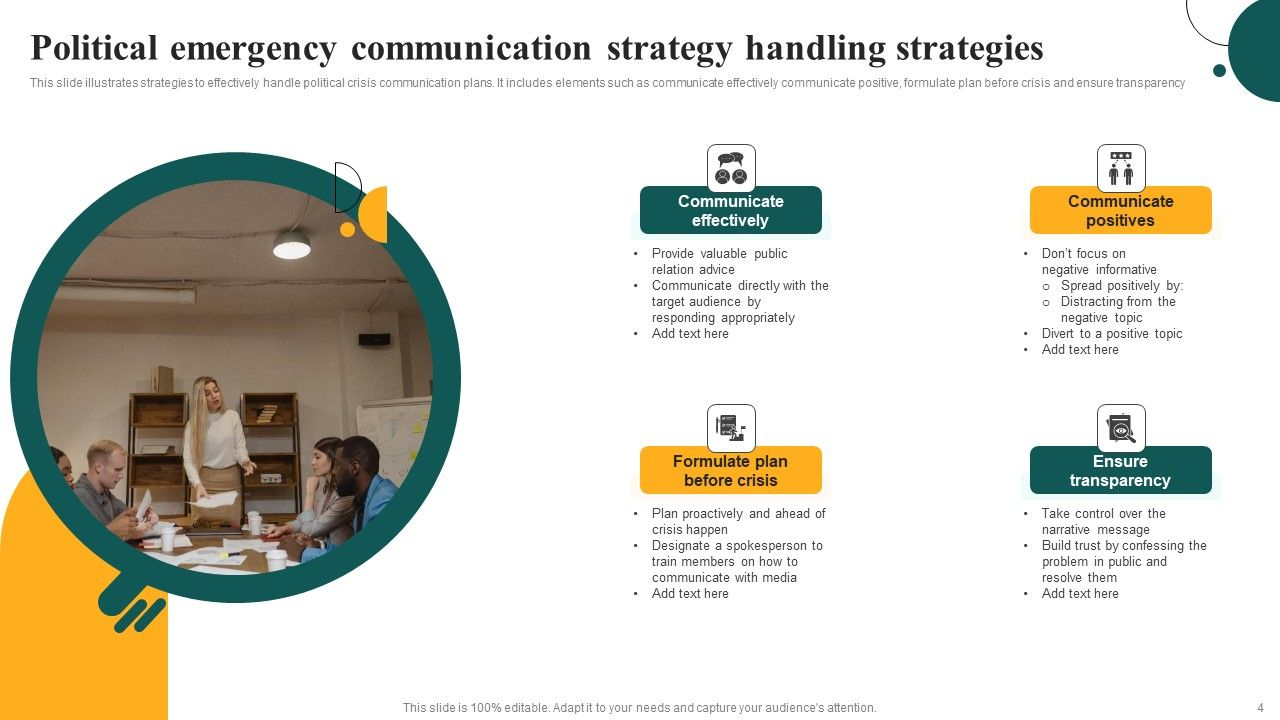
[sps_html tag=”img” src=”https://cdn.northcarolinafinearchitecture.com/2026/05/political-emergency-communication-strategy-ppt-powerpoint-presentation-intended-for-designing-for-panic-why-human-behavior-should-drive-your-emergency-lighting-strategy.jpg” alt=”Political Emergency Communication Strategy Ppt Powerpoint Presentation … intended for Designing for Panic Why Human Behavior Should Drive Your Emergency Lighting Strategy” style=”width: 100%; height: auto;”]
[sps_html tag=”img” src=”https://cdn.northcarolinafinearchitecture.com/2026/05/lighting-designers-ppt-throughout-emergency-lighting-design.jpg” alt=”Lighting Designers | Ppt throughout Emergency Lighting Design” style=”width: 100%; height: auto;”]
[sps_html tag=”img” src=”https://cdn.northcarolinafinearchitecture.com/2026/05/lighting-design-considerations-pdf-within-designing-for-panic-why-human-behavior-should-drive-your-emergency-lighting-strategy.jpg” alt=”Lighting Design Considerations | Pdf within Designing for Panic Why Human Behavior Should Drive Your Emergency Lighting Strategy” style=”width: 100%; height: auto;”]
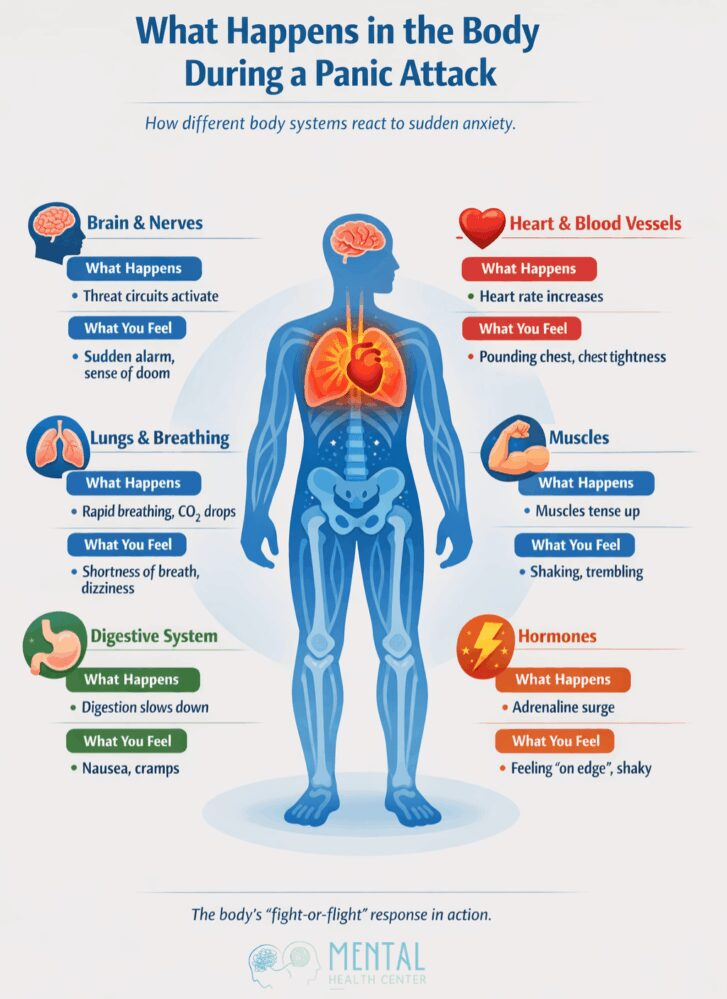
[sps_html tag=”img” src=”https://cdn.northcarolinafinearchitecture.com/2026/05/fight-or-flight-response-what-happens-in-the-body-during-panic-with-emergency-lighting-design.jpg” alt=”Fight Or Flight Response: What Happens In The Body During Panic … with Emergency Lighting Design” style=”width: 100%; height: auto;”]