The moment you run your hand across a high-end quartz or sintered stone kitchen island and feel nothing—no raised glass edge, no heavy stainless steel bezel, no protruding knobs—you realize domestic architecture has crossed a threshold. For decades, the kitchen had a defined hierarchy. The perimeter cabinets anchored the walls, the refrigerator loomed like a monolithic tower, and the cooktop sat proudly front and center on the island as a functional altar. It was a workspace first, a living space second. Burners dictated where you stood, where you looked, and how the room breathed.
Today, that spatial hierarchy is dissolving. High-end residential architecture has shifted toward an aesthetic of radical continuity. People do not want to look at machinery while they eat, entertain, or read across an open-plan great room. They want furniture-grade cabinetry, continuous stone surfaces, and appliances that vanish when they are not in use. Flush induction cooktops—alongside their ultra-modern sibling, the invisible induction system embedded entirely beneath the countertop—are the primary catalysts for this revolution. By marrying high-frequency electromagnetic fields with precision stonemasonry, these appliances erase the boundary between cooking station and architectural surface.
This transformation goes far beyond superficial minimalism. When you remove the raised frame of a traditional cooktop, you change the ergonomics of prep work, the physics of down-draft extraction, and the social dynamics of the home. Architects and kitchen designers are no longer planning rooms around a heavy cooking appliance; they are weaving cooking zones directly into continuous dining bars, prep tables, and waterfall islands. As home electrification accelerates and homeowners demand cleaner indoor air quality free of natural gas combustion byproducts, the flush induction surface has transitioned from an avant-garde European luxury to the definitive standard for contemporary kitchen design.
The Architectural Liberation of the Open-Plan Kitchen Island
For years, the open-plan kitchen faced a persistent architectural paradox. Homeowners tore down walls to connect the kitchen to the living and dining areas, yet they deposited a massive, utilitarian cooking machine right in the middle of the newly unified space. Traditional gas or radiant electric cooktops demanded visual attention. Their heavy grates, glowing elements, and protruding control knobs broadcasted function over form. Furthermore, overhead range hoods hung like industrial chimneys, blocking sightlines and breaking up the visual flow of light through the room.
Flush induction technology shattered this compromise. Because induction relies on copper coils beneath a solid glass-ceramic surface to transfer electromagnetic energy directly into cookware, the cooktop itself generates no residual heat on the glass plate outside the pan’s footprint. This fundamental thermodynamic difference allows fabricators to rout precise recesses into natural stone, quartz, or ultra-compact porcelain slabs so that the cooktop surface sits dead-level with the surrounding countertop. There is no lip, no crevice to trap crumbs, and no visual speed bump.
When paired with modern downdraft ventilation systems or perimeter downdraft extractors that rise flush with the counter only when activated, the kitchen island suddenly transforms. It functions as a buffet, a homework station, a charcuterie assembly line, and a high-performance culinary workspace within the span of a single afternoon. Designers can now wrap a marble waterfall edge around an island without interrupting the grain pattern with a bulky black glass rectangle. The cooking zone becomes entirely contextual, appearing only when a magnetically compatible pan is placed upon its designated spot and summoned via touch controls that illuminate through the stone or glass surface.
Thermodynamics, Precision Engineering, and the Death of Ambient Waste
To understand why flush induction cooktops are altering layouts permanently, one must look beneath the stone to the physics of electromagnetic energy transfer. Traditional gas cooktops operate at a dismal efficiency rate of roughly 40 percent, dumping the majority of their thermal energy into the surrounding air. This massive heat output necessitates powerful, often noisy overhead ventilation and strict clearance zones from upper cabinetry. Electric radiant cooktops fare slightly better in efficiency, but their sluggish thermal response times make precise temperature adjustments frustratingly slow.
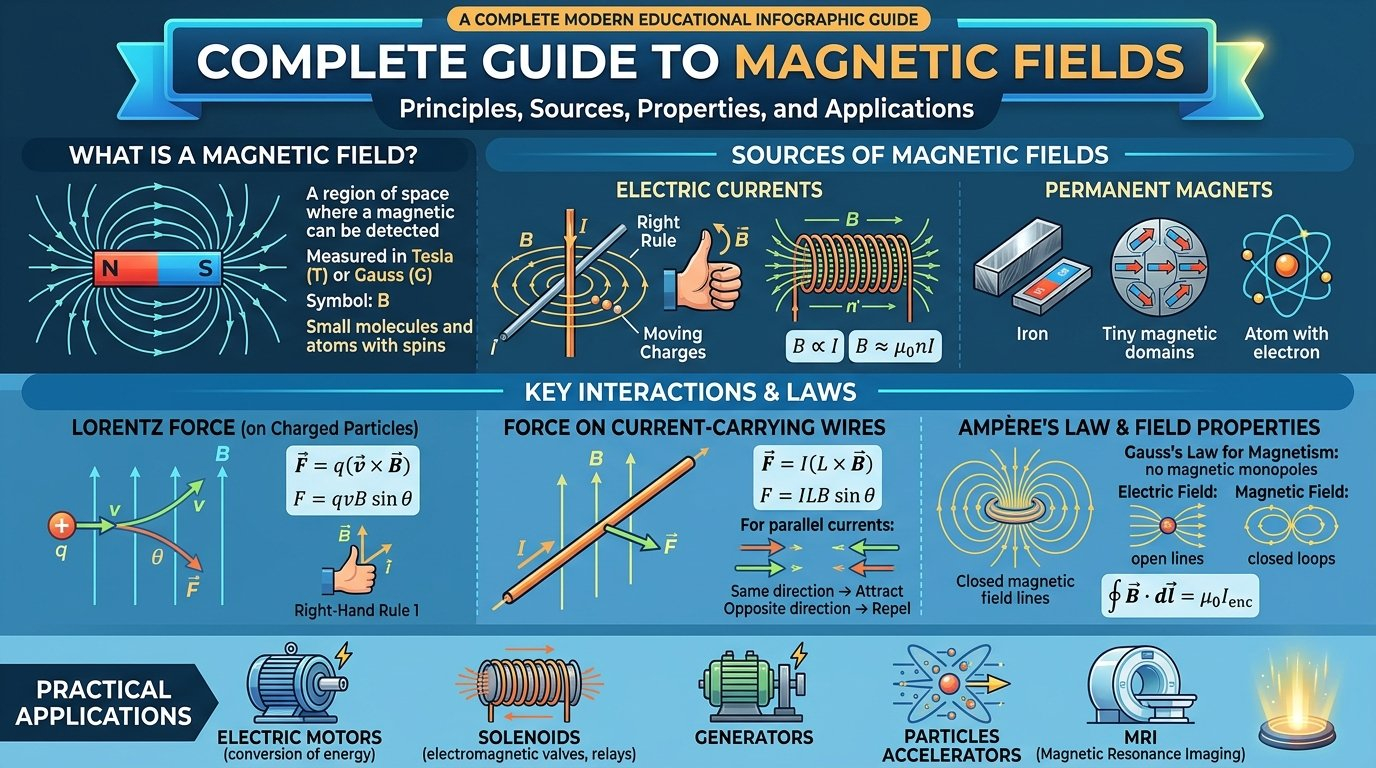
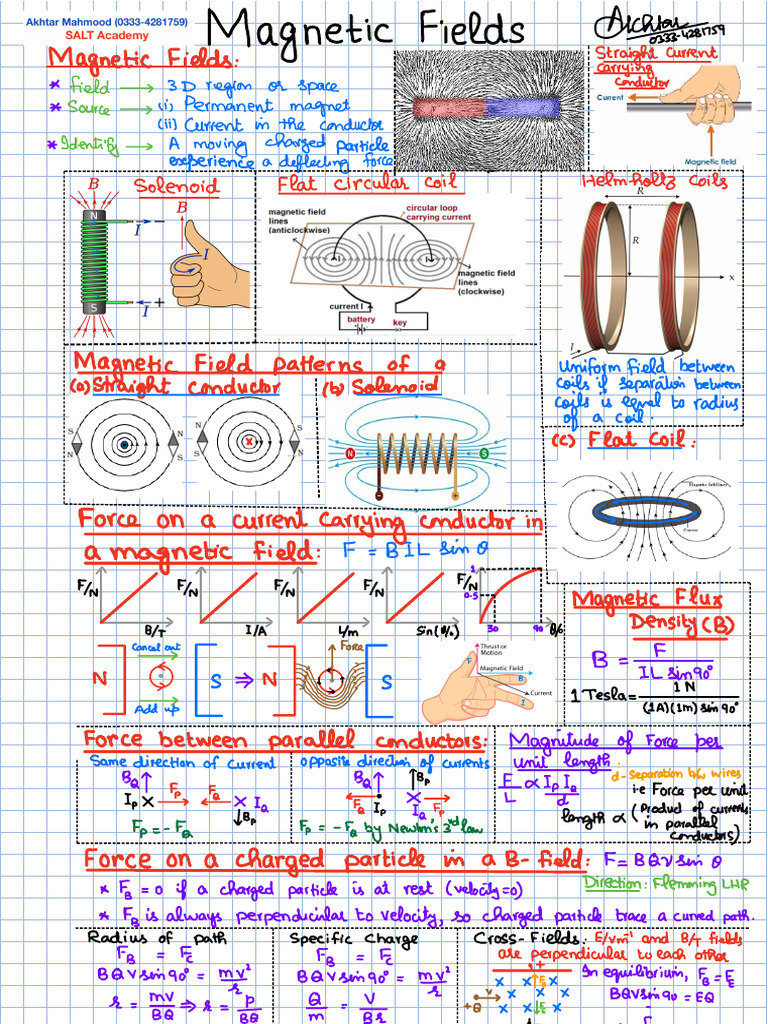
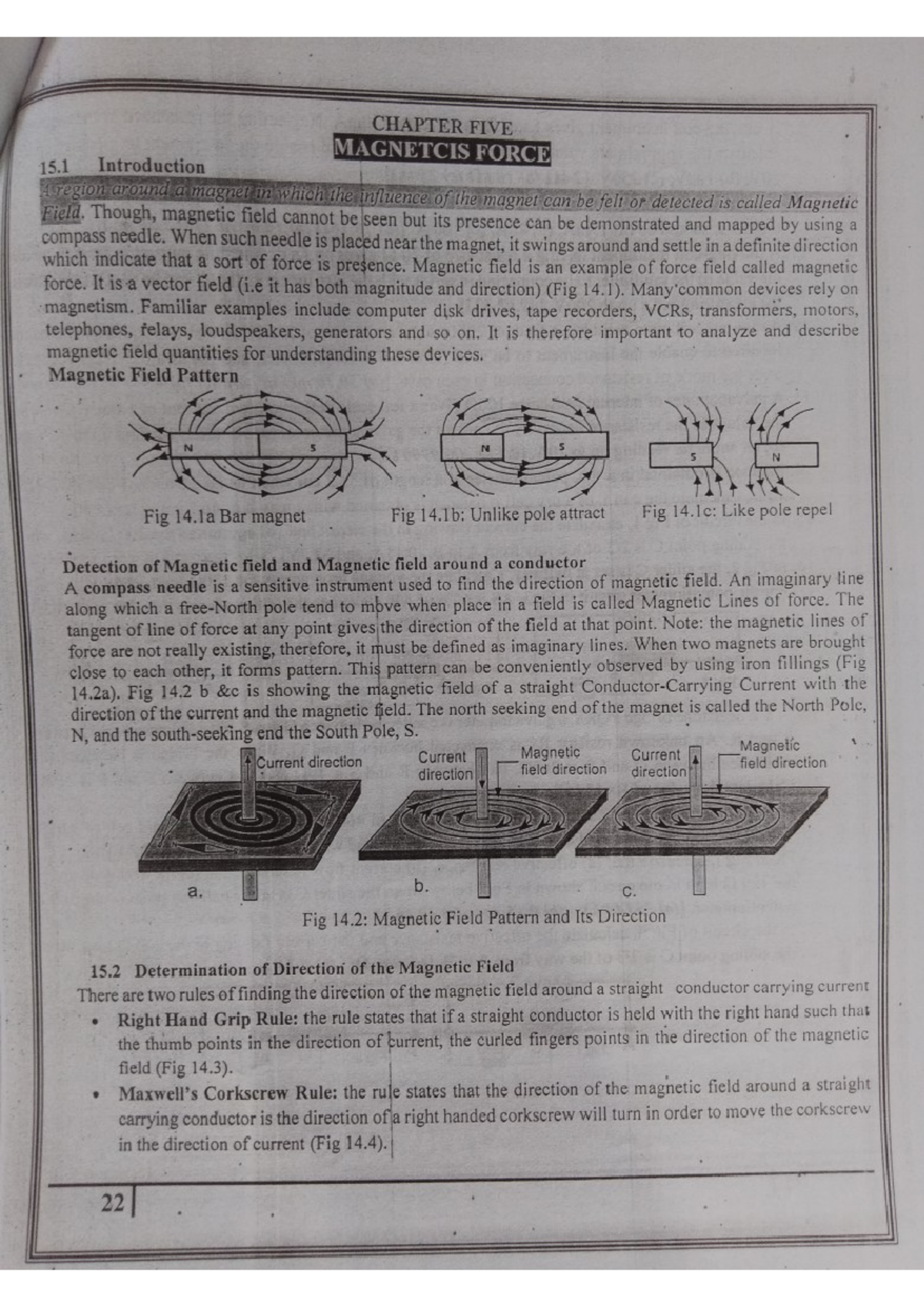
Induction operates at an efficiency rating exceeding 85 to 90 percent. High-frequency electromagnets create a magnetic field that directly excites the iron molecules within compatible cookware, turning the pot or pan itself into the heating element. Water boils in a fraction of the time required by gas burners, and the moment you dial the temperature down, the response is instantaneous. Because the cooktop surface does not retain intense ambient heat, the kitchen environment remains remarkably cool, even during heavy meal preparation.
This thermal efficiency grants kitchen designers unprecedented freedom regarding cabinetry placement and material selection. Because the surface stays relatively cool to the touch—warming only via thermal conduction from the bottom of the hot pan—architects no longer need to fear heat degradation of surrounding joinery or delicate millwork. Wood veneers, leather-finished granites, and continuous composite surfaces can abut the cooking zone much more closely than was ever permitted under legacy safety codes. The result is a tighter, more cohesive furniture assembly where appliances no longer dictate spatial constraints.
Step-by-Step Methodology for Designing and Installing a Flush Induction System
Integrating a flush induction cooktop into a high-end kitchen requires meticulous coordination between the architect, the stone fabricator, the appliance manufacturer, and the electrician. Unlike drop-in cooktops that simply rest on top of a cut-out with a forgiving lip, a flush installation demands sub-millimeter precision. Here is the field-tested methodology for executing a flawless flush installation:
- Step 1 (Appliance and Countertop Selection): Choose an induction cooktop specifically engineered and rated by the manufacturer for flush-mount installation. Pair it with a hard, dense countertop material—such as engineered quartz, sintered stone (like Dekton), or dense granite—that resists chipping along the routed edge and can withstand the diamond-routing process.
- Step 2 (Precision CNC Routing): Provide the exact technical CAD drawings from the appliance manufacturer to the stone fabricator. The fabricator uses a CNC (Computer Numerical Control) router to create a stepped pocket in the underside of the slab. The top lip of the recess must match the exact thickness of the cooktop glass flange, ensuring the surface sits precisely flush with the top of the counter.
- Step 3 (Electrical Infrastructure Planning): Verify that your electrical panel can support the heavy load requirements. Most high-end induction cooktops demand a dedicated 240-volt circuit running at 40 to 50 amps, requiring heavy-gauge copper wiring installed by a licensed electrician before cabinetry and stone templates are finalized.
- Step 4 (Sub-Counter Support and Thermal Expansion): Install reinforced steel support brackets beneath the stone cutout to bear the weight of the heavy glass and coil assembly. Apply a high-temperature, flexible silicone sealant around the perimeter joint to cushion the glass against the stone, accommodating minor thermal expansion during high-heat searing.
- Step 5 (Calibration and Integration Testing): Before sealing the unit permanently, test the electrical connections and run diagnostic cycles. Ensure that touch-capacitive controls register accurately through any specialized interlayers or surrounding stone integration layers, and verify that the downdraft extraction syncs properly with the cooktop’s active zones.
Common Pitfalls and Field-Tested Workarounds in Flush Kitchen Design
While the visual payoff of a flush induction setup is undeniable, rushing into the installation without anticipating structural and logistical hurdles can lead to costly disasters. Experienced kitchen designers and installers have identified several critical danger zones that demand proactive mitigation:
- Pitfall 1 (Stone Cracking During Fabrication or Use): Routing a stepped pocket into a stone slab weakens the structural integrity of the countertop around the cutout perimeter. Workaround: Never attempt on-site manual routing for a flush mount; insist on factory CNC routing with reinforced corner radii, and ensure the fabricator leaves adequate minimum stone thickness beneath the stepped shelf.
- Pitfall 2 (Incompatible Cookware Investment): Homeowners transitioning from gas often assume their existing copper, aluminum, or ceramic cookware will work on an induction surface. Workaround: Budget an additional $300 to $800 for high-grade multi-ply stainless steel or cast-iron cookware featuring a magnetic ferrous base, verifying compatibility with a simple refrigerator magnet test.
- Pitfall 3 (Electrical Panel Overload): Upgrading to a high-output multi-zone induction cooktop often trips older 100-amp or 150-amp residential electrical services, especially when combined with double wall ovens and electric vehicle chargers. Workaround: Conduct an electrical load calculation with a certified electrician prior to purchasing appliances, and budget for a service upgrade to 200 amps if necessary.
- Pitfall 4 (Trapped Moisture and Debris in Perimeter Gaps): Even with precise silicone sealing, microscopic gaps can harbor grease, moisture, and fine crumbs over time. Workaround: Use a specialized neutral-cure, high-temperature silicone sealant designed for glass-to-stone bonds, and maintain a strict cleaning protocol using non-abrasive razor scrapers and specialized ceramic cleaners.
- Pitfall 5 (Poor Ventilation Synergy): Homeowners often focus entirely on the sleek aesthetic of the flush cooktop while neglecting adequate air extraction, leading to lingering cooking odors in open-plan living spaces. Workaround: Pair the flush induction system with an engineered downdraft vent or a quiet, high-CFM ceiling cassette hood that matches the dynamic draw requirements of your cooking style.
The Broader Cultural Shift Toward Invisible Architecture and Electrification
The rise of the flush induction cooktop is part of a much larger philosophical movement in interior design: the pursuit of invisible architecture. For generations, domestic spaces celebrated machinery. Victorian kitchens featured roaring cast-iron ranges; mid-century modern kitchens proudly displayed colorful enamel stoves. Today’s luxury residential design seeks the opposite. Kitchens are increasingly designed to look like libraries, art galleries, or minimalist living salons where the tools of food preparation are concealed until summoned.
This design philosophy dovetails perfectly with the global push toward home electrification and decarbonization. As cities and municipalities restrict natural gas hookups in new construction, architects have had to find ways to make all-electric kitchens desirable to clients who historically romanticized the blue flame of a gas burner. Flush induction has solved this psychological hurdle. By elevating electric cooking into a sleek, high-tech, luxury experience that outperforms gas in speed and precision, induction has shed its utilitarian image.
Furthermore, this technology fosters a healthier indoor environment. Gas combustion releases nitrogen dioxide, carbon monoxide, and fine particulate matter into the home—pollutants that studies increasingly link to respiratory issues, particularly in children. Eliminating the gas flame removes these combustion byproducts entirely. When combined with the sensory calm of a silent, cool-to-the-touch countertop that doubles as extra prep space when turned off, the kitchen evolves from a stressful, utilitarian workspace into a serene, multifunctional core of the modern home.
Strategic Recommendations for Homeowners and Designers
Executing a kitchen layout centered around a flush induction cooktop requires a disciplined, forward-thinking approach. To ensure your investment yields both breathtaking aesthetic results and flawless daily performance, follow these strategic guidelines:
- Embrace Modular Layouts: Instead of buying a single massive monolithic cooktop, consider splitting cooking zones across the island using modular induction elements. This allows you to space out burners, creating dedicated stations for boiling, searing, and warming while maintaining vast expanses of continuous uninterrupted stone between them.
- Prioritize Task Lighting: Because a flush induction cooktop sits level with the counter and lacks the visual height of traditional burners, standard overhead lighting angles may cast shadows when working with tall stockpots. Integrate under-cabinet or recessed directional ceiling spotlights to illuminate the cooking surface clearly without relying on bulky range hood lights.
- Design for Ergonomics and Flow: Position the flush cooktop strategically relative to your refrigeration and cleanup zones to maintain an efficient working triangle. Ensure there is at least 18 to 24 inches of clear countertop space on either side of the cooktop for resting platters, utensils, and ingredients during active meal prep.
- Invest in Professional Commissioning: Do not treat a flush induction cooktop as a DIY weekend project. Hire certified installers who possess specific experience in stone routing, high-voltage electrical hookups, and glass-ceramic calibration to guarantee long-term stability and warranty compliance.
The kitchen has always been the emotional heart of the home, but its physical form has been constrained for over a century by the clumsy mechanics of combustion and raised heating elements. Flush induction cooktops have fundamentally liberated interior architecture. By turning the countertop into a unified, continuous canvas where cooking happens invisibly through the power of magnetic fields, designers can finally achieve the seamless open-plan spaces homeowners have dreamed of for decades.
As invisible induction technology continues to evolve—with smart sensors embedded directly into stone surfaces that recognize cookware weight and dimensions automatically—the boundary between furniture and appliance will blur even further. The kitchen of the future is not a room filled with machines; it is a unified living space where technology serves life quietly, efficiently, and beautifully. Embracing this shift means letting go of old industrial habits and welcoming an era where form, function, and absolute architectural harmony finally speak the same language.