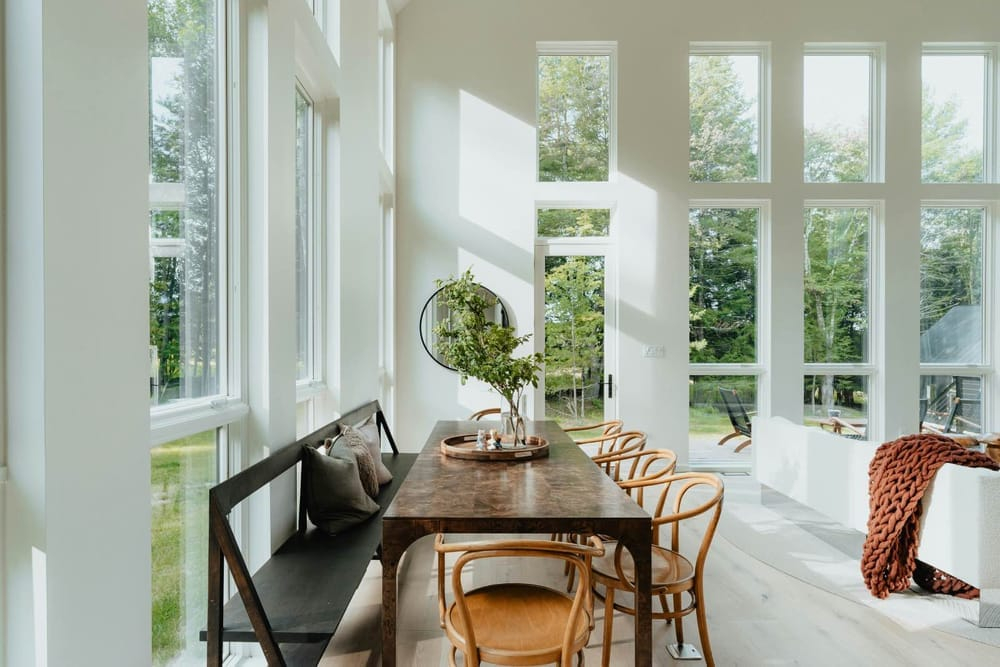
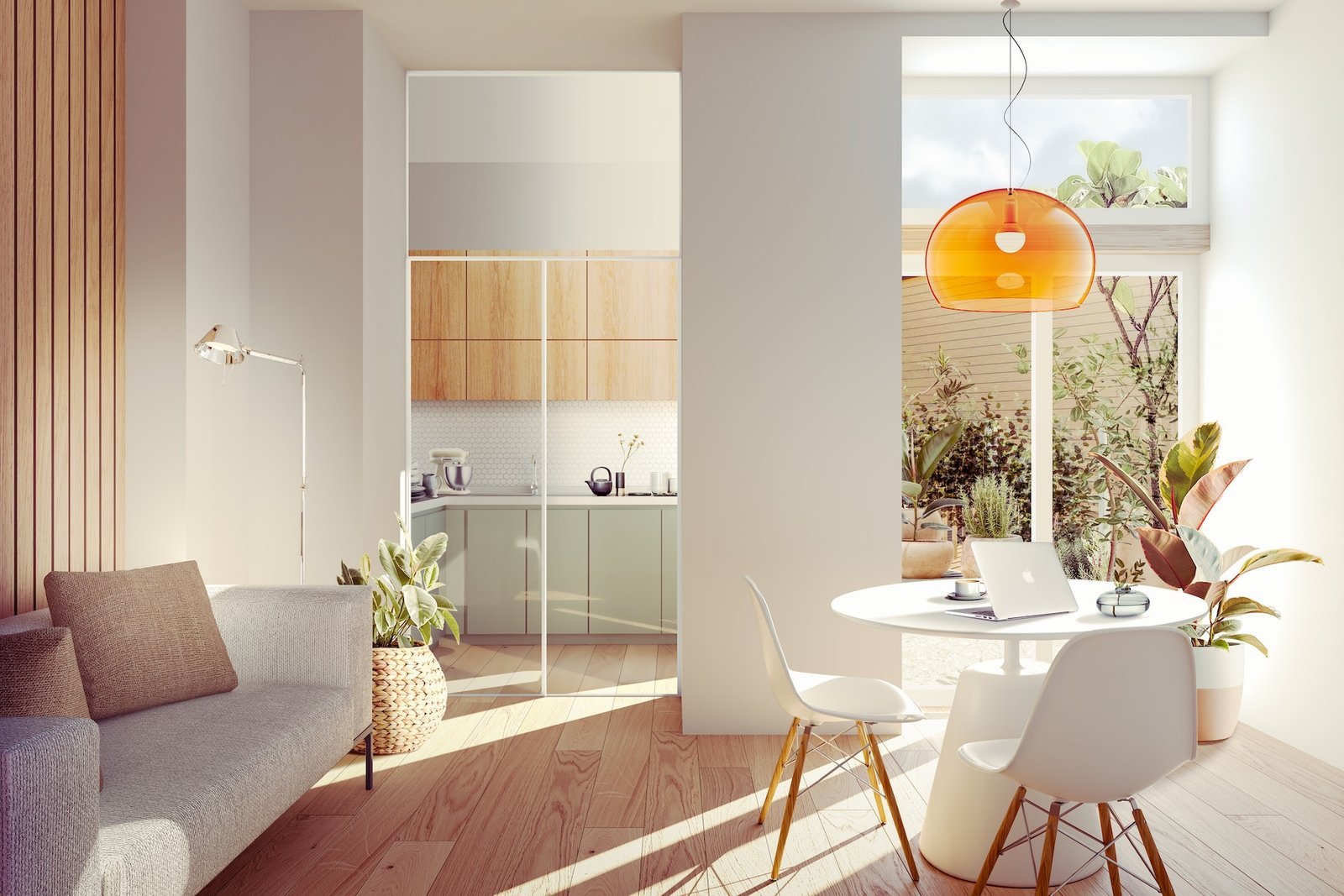
The alarm goes off at 6:30 AM, slicing through the silence of a room defined by stark white drywall, matte black steel frames, and an expanse of cold glass sliding doors. Modern interior design has spent the last decade perfecting minimalism, stripping away the ornate and the cluttered in favor of clean lines and negative space. Yet, walking into these ultra-contemporary spaces often yields an unexpected sensory void. They look pristine in architectural magazines, but when night falls or the morning light hits flat, they can feel sterile—more like high-end boutique hotels than spaces meant for deep rest and emotional decompression.
Enter the quiet, flickering alchemy of handcrafted glass. While mass-produced decor relies on predictable factory molds and synthetic polymers, authentic glass artistry carries the erratic fingerprint of the artisan. When a beam of early morning sunlight filters through a custom stained glass transom panel or strikes a dichroic fused glass accent on a nightstand, the entire character of the room shifts. The light stops being a mere utility; it becomes a living, breathing palette of amber, soft rose, and cobalt blue, casting long, shifting poetry across the walls. This is not merely about decoration—it is about reclaiming human warmth in spaces dominated by concrete, drywall, and digital screens.
For generations, stained glass was largely relegated to gothic cathedrals, Victorian transoms, and heavily traditional homes. Meanwhile, fused glass lived quietly in studio pottery shows and high-end galleries. Today, however, a quiet revolution is underway among interior designers and independent glass artists. Driven by a collective desire for tactile, artisanal objects that counter our hyper-digital lives, handcrafted glass has found a powerful new home: the modern bedroom. By fusing ancient thermal techniques with contemporary design aesthetics, artisans are creating pieces that anchor modern spaces, infusing them with an organic, grounding energy that factory-made decor simply cannot replicate.
Understanding the Material Language of Light and Heat in Interior Design
Glass is a deceptive medium. It is simultaneously rigid and fluid, fragile and enduring, transparent and deeply opaque. To understand how handcrafted glass warms a modern bedroom, one must first look at the divergence in how stained glass and fused glass are brought to life. Stained glass relies on the copper foil or traditional lead-came method, where individual colored panes—often cathedral, opalescent, or textured art glass—are hand-cut, ground, wrapped, and soldered together. The resulting piece is linear, geometric, and defined by its structural lead or solder lines, which act like the ink in a hand-drawn sketch.
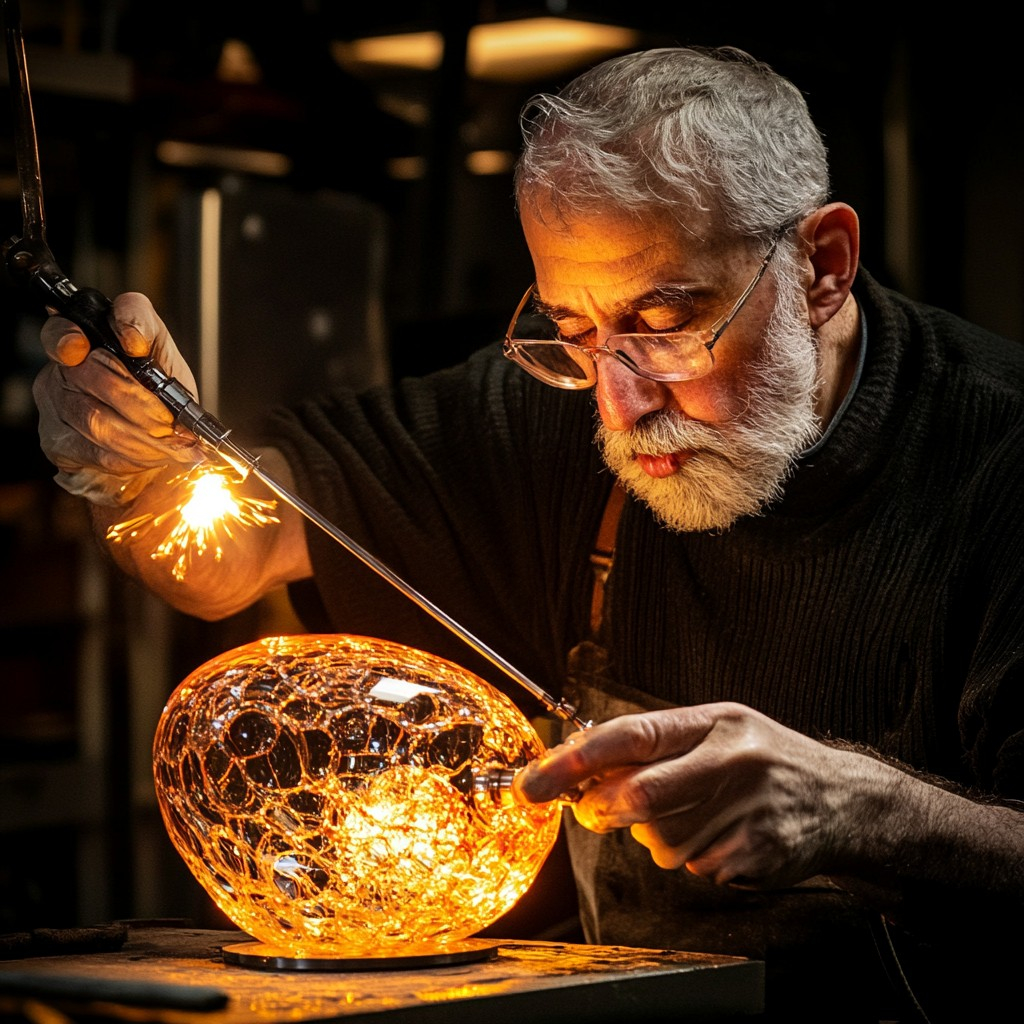
Fused glass, on the other hand, is born entirely within the extreme heat of a kiln. Artists stack, layer, and arrange bits of crushed glass, frits, stringers, and dichroic sheets before firing them at temperatures soaring past 1,400 degrees Fahrenheit. The pieces melt and fuse into a single, cohesive entity, yielding fluid edges, organic gradients, and three-dimensional textures. Where stained glass excels at organizing light through sharp, stained-glass window panels or hanging suncatchers, fused glass shines in solid form—think freestanding curved sculptures, heavy bedside dishes, textured nightlight panels, and structural wall art that captures ambient illumination from every conceivable angle.
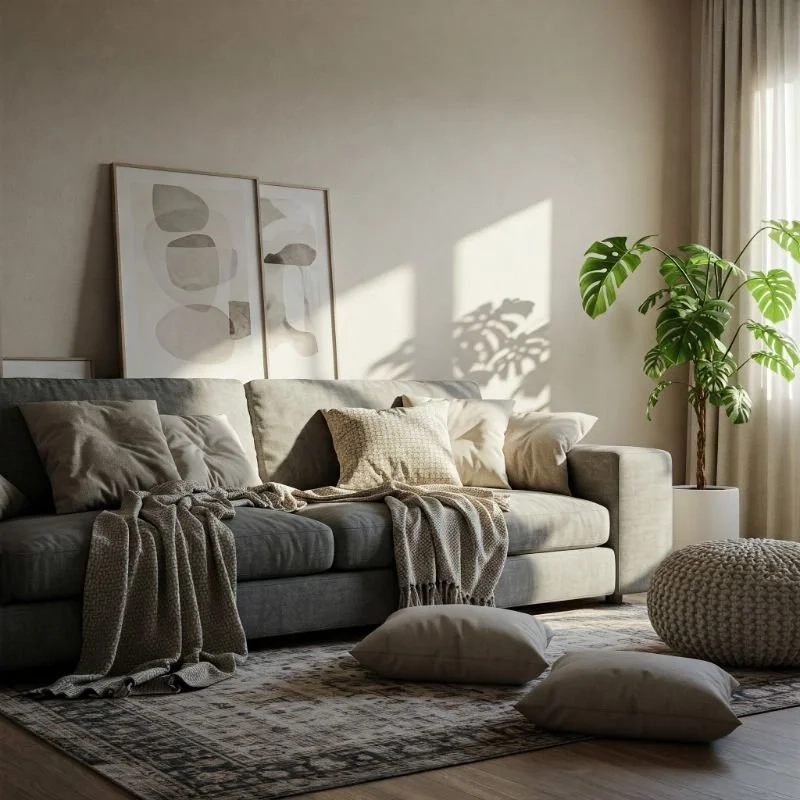
In a modern bedroom featuring a neutral color palette—think warm grays, linens, oatmeal bouclé, and white oak—handcrafted glass introduces a much-needed chromatic anchor. Color is rarely flat in handmade glass; it contains internal bubbles, striations, and varying densities that catch the changing phases of natural daylight. A single sunset streaming through a custom amber and sea-green glass panel placed near a bedroom window changes the psychological temperature of the room. It moves the environment away from clinical minimalism and toward an earthy, restorative sanctuary designed for true relaxation.
The Psychology of the Sanctuary: Why Modern Sleeping Spaces Crave Artisanal Imperfections
The bedroom is the most intimate room in the modern home, yet it is frequently subjected to the harshest design treatments. We bring in smart bulbs, digital alarm clocks, and slick acrylic furniture, inadvertently turning our sleeping quarters into extensions of the office or the living room. Psychologists and environmental designers note that human nervous systems respond poorly to relentless straight lines and uniform synthetic textures. We crave biophilic elements—organic shapes, irregular surfaces, and colors derived from the natural world.
Handcrafted glass acts as a bridge between the sterile precision of modern architecture and the organic curves of nature. Because every sheet of art glass is pulled by hand in specialty mills, and every cut is guided by human intuition, no two pieces of fused or stained glass are ever identical. When placed in a bedroom, these items provide micro-stimuli for the eye. Gazing at the fluid, molten patterns of a fused glass bedside dish or watching how morning light refracts through a hanging glass suncatcher helps quiet an overactive mind. It grounds us in the physical present, offering a tactile counter-weight to hours spent staring at backlit digital displays.
Furthermore, the integration of artisanal glass supports the slow-decor movement. Investing in a custom-commissioned stained glass window insert or a locally crafted fused glass nightlight means welcoming a narrative into your home. You know the artist spent hours cutting, grinding, and firing the piece. That inherent story translates into the subconscious atmosphere of the room. A bedroom furnished with mass-produced plastic decor feels temporary and disposable; a bedroom graced by authentic glasswork feels permanent, intentional, and deeply cared for.
Step-by-Step Methodology for Integrating Handcrafted Glass into Your Bedroom Layout
Curating glass art in a bedroom requires a delicate balance. Too much heavy, dark glass can make a small space feel oppressive, while poorly placed suncatchers might miss the optimal angles of natural light entirely. Achieving an effortless, warm aesthetic involves a deliberate, step-by-step approach to placement, scale, and lighting integration.
- Step 1 (Audit Your Natural Light Path): Spend a few days observing how sunlight enters your bedroom. Note where the morning rays hit directly and where the space relies on soft, ambient daylight. Stained glass panels and window hangings should be placed directly in these high-light corridors to maximize chromatic refraction.
- Step 2 (Select Functional Fused Glass for Nightstands): For areas devoid of direct sunlight, such as bedside tables or dressers, utilize fused glass objects that interact with artificial lighting. Choose pieces like slumped glass trays, small sculptural curves, or handmade nightlights that use warm LED bulbs to diffuse a gentle, amber glow through textured glass chips.
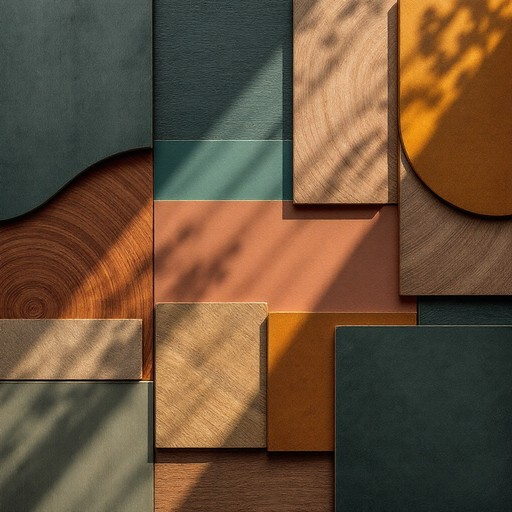
- Step 3 (Choose a Cohesive Color Story): Avoid rainbow chaos unless that is your explicit design goal. Match your glass selections to your bedroom’s existing textiles. If your bedding features muted terracotta, olive green, and cream, seek out art glass containing copper-reds, earthy moss tones, and translucent white opals to tie the palette together.
- Step 4 (Determine Mounting and Hardware Security): Safety and stability are paramount in a bedroom. For hanging stained glass panels, ensure you anchor directly into wall studs or window frame headers using rated steel chains or brackets. Fused glass sculptures on tables should be placed on stable, non-slip surfaces away from high-traffic pathways.
- Step 5 (Layer with Ambient Lighting): Complement your glass art with warm, low-kelvin lighting (2200K to 2700K). Placing a small accent lamp behind a fused glass panel or utilizing plug-in stained glass nightlights creates a layered, cozy evening ambiance that signals to your brain it is time to wind down.
Common Pitfalls and Field-Tested Workarounds for Glass Decor in Private Spaces
While handcrafted glass brings unmatched aesthetic value, working with it in a residential setting—particularly a bedroom—comes with distinct practical challenges. Overlooking these nuances can result in damaged art, safety hazards, or a cluttered, visually chaotic sleeping environment.
- Pitfall 1 (Ignoring Weight and Structural Support): Stained glass panels framed in lead or zinc can be surprisingly heavy. Hanging a large custom window panel using simple adhesive hooks or drywall anchors alone is a recipe for disaster. Workaround: Always mount heavy glass pieces directly into wooden window framing, masonry, or wall studs using rated cup hooks, heavy-duty jack chain, and toggle bolts designed to bear triple the weight of the object.
- Pitfall 2 (Creating Visual Clutter on Flat Surfaces): Fused glass items are often so mesmerizing that homeowners buy dozens of small suncatchers, dishes, and sculptures, scattering them across every surface. Workaround: Treat glass art like focal points rather than knick-knacks. Follow the "rule of three" for small fused glass trays on a dresser, and give larger statement pieces breathing room so the eye can rest.
- Pitfall 3 (Poor Placement Relative to Sleep and Glare): Placing a highly reflective dichroic glass piece directly opposite a bright streetlamp or morning sun angle can bounce harsh glare straight into your eyes while you are lying in bed. Workaround: Map your sightlines from the pillow before hanging or placing art. Position reflective pieces where they cast shadows and soft glows away from your direct line of sight when resting.
- Pitfall 4 (Neglecting Thermal Shock and Candle Safety): Some people attempt to place tealight candles behind fragile fused glass panels or thin stained glass without considering heat retention. Rapid temperature changes can crack artisan glass. Workaround: Only use certified LED accent lights, puck lights, or indirect ambient lamps behind glass art. Never expose antique or delicate handmade glass to open flames or direct, unregulated heat sources.
- Pitfall 5 (Overlooking Child and Pet Safety): Bedrooms should be entirely safe sanctuaries. Low-lying fused glass sculptures on unstable low-profile nightstands are prime targets for wagging tails or crawling toddlers. Workaround: Keep freestanding glass sculptures on high, secure surfaces or invest in wall-mounted glass shadow boxes and secure window panels that are entirely out of reach.
The Sustainable Luxury of Supporting Independent Artisans and Timeless Materials
In an era dominated by fast furniture and disposable plastic decor that routinely ends up in landfills within a few years, handcrafted glass represents the ultimate in sustainable luxury. Glass is fundamentally inert and infinitely recyclable. When an artist crafts a fused or stained glass piece, they are working with a material that can endure for centuries without degrading, fading, or losing its structural integrity. Unlike synthetic plastics that yellow under UV exposure, cathedral and opalescent art glass retains its vibrant coloration indefinitely, aging gracefully alongside the home it inhabits.
Furthermore, purchasing work from independent glass studios—whether sourced from local makers or specialized cooperatives—directly sustains an ancient, highly specialized craft. The tools of the trade have evolved to include computer-controlled kilns and diamond-tipped saws, but the core labor remains deeply human. It requires steady hands, acute spatial awareness, and years of trial and error to master the thermal curves of glass firing or the precise geometry of lead-came construction.
By integrating these works into our most personal spaces, we participate in a quiet economic and cultural rebellion. We reject the homogenized uniformity of mass-market catalog shopping in favor of objects with a lineage. A custom stained glass transom above a bedroom door or a meticulously fused glass nightlight panel becomes an heirloom. These are pieces that will be packed up and passed down to children or treasured friends, carrying the warm, captured light of decades through generations of family life.
Curating Your Personal Oasis: Practical Frameworks for Every Bedroom Style
Bringing handcrafted glass into a modern bedroom does not require a complete interior overhaul. Whether your design aesthetic leans toward Japandi minimalism, bohemian warmth, industrial loft, or transitional elegance, there is a specific type of glass application designed to enhance the space without overwhelming it.
For the Japandi or minimalist bedroom, prioritize clean geometric stained glass panels featuring neutral, earthy palettes—smoke grays, pale ambers, clear seeded glass, and milky whites. These pieces accentuate natural light while maintaining the strict architectural discipline of the room. Pair them with a simple, asymmetrical fused glass dish on the oak nightstand to hold everyday jewelry, keeping surfaces functional yet artful.
For bedrooms leaning toward a bohemian or eclectic vibe, lean into vibrant color saturation. Rich jewel tones—sapphire blues, deep emeralds, and ruby reds—create a cocoon-like warmth when evening lamps are switched on. Hang multiple cascading fused glass suncatchers at varying heights in the window, or utilize a stained glass panel featuring botanical motifs like trailing ivy, ginkgo leaves, or stylized sunbursts to reinforce a biophilic connection to the natural world.
Finally, for industrial or transitional spaces with exposed brick, iron accents, and leather headboards, use heavy fused glass sculptures and robust copper-foiled stained glass art. The juxtaposition of cold industrial metal and hot, molten glass creates a sophisticated tension that grounds the room’s design narrative. By thoughtfully selecting pieces that speak to both your personal taste and the room’s architectural bones, your bedroom transforms from a mere place to sleep into a radiant, restorative sanctuary.
The modern bedroom should be more than just a functional container for a mattress and a wardrobe. It is the architectural anchor of our personal well-being—a space dedicated entirely to rest, recovery, and quiet introspection. As our external environments become increasingly loud, digital, and synthetic, the domestic spaces we curate must actively counteract that noise by offering tactile reality and emotional resonance.
Handcrafted stained glass and fused creations achieve this effortlessly. They take the raw elements of silica, mineral oxides, and intense thermal heat, and translate them into physical poetry. When you wake up to morning light breaking through a custom artisan glass panel or wind down at night beside the soft, diffused glow of a fused glass accent, you are engaging with art on a deeply sensory level.
Embracing this medium means choosing longevity over transience, human craftsmanship over factory uniformity, and warm, living light over cold artificial illumination. Take the time to explore independent studios, commission a piece that tells your unique story, and let the transformative power of handcrafted glass breathe authentic warmth into your most private sanctuary.