The morning sun hasn’t quite broken over the ridge, yet the rumble of diesel engines already vibrates through the kitchen floorboards. Outside, a string of heavy-duty tandem axle dump trucks lines the suburban street, their air brakes hissing in unison. Within minutes, a skid-steer loader begins ripping up the tired, alligator-cracked asphalt of a twenty-year-old driveway, peeling away crumbling blacktop like dead skin. To the casual observer watching from the porch with a cup of coffee, it looks like a straightforward construction project. But beneath the churning dust and the roar of machinery lies a complex engineering dance involving soil mechanics, moisture migration, and structural load distribution.
Most homeowners approach a driveway replacement the same way they buy an appliance: they shop for the lowest bid, choose a material color they like, and hope it looks good from the curb. This mindset is precisely what keeps local paving contractors shaking their heads. A driveway is not merely a cosmetic slab of asphalt, concrete, or pavers; it is a structural pavement system engineered to withstand thousands of pounds of rolling vehicle weight, seasonal freeze-thaw cycles, and relentless thermal expansion. When a replacement goes wrong—when pooling water begins to gather near the garage door or massive cracks split the surface within eighteen months—the root cause rarely traces back to the surface layer. It almost always stems from what was ignored or rushed beneath the ground before the paving equipment ever rolled onto the property.
To understand why some driveways last thirty years while others crumble in three, you have to talk to the crews who spend their lives in the trenches, wrestling with crushed stone and boiling-hot binder. These practicing paving professionals see the fallout of homeowner shortcuts every single day. They know the subtle signs of failing sub-grades, the hidden dangers of improper drainage, and the aggressive sales tactics used by fly-by-night operators who vanish the moment the check clears. Before you sign a contract or allow heavy machinery onto your property, understanding the unvarnished truths of the paving industry can save you thousands of dollars and endless headaches.
The Invisible Foundation That Determines Whether Your Pavement Survives Winter
Ask any veteran paving crew what makes a driveway fail, and they will point down at the ground rather than up at the surface. The public fascination with driveway replacement almost always centers on the top layer—whether to choose smooth asphalt, stamped concrete, or interlocking stone pavers. Yet, paving experts know with absolute certainty that the visible surface is only as good as the unseen sub-base beneath it. If the foundation fails, the entire pavement system collapses along with it.
The sub-base acts as the structural load-bearing platform for your driveway. When a heavy SUV or delivery truck parks on your asphalt, the vehicle’s weight is transmitted through the surface down into the base layers, and ultimately into the native soil subgrade. If the native soil is composed of soft clay, organic loam, or loose fill that has not been properly excavated and mechanically compacted, it will shift under weight. This movement causes the rigid layers above to flex, stretch, and eventually snap. In regions subject to harsh winters, this problem is compounded by the freeze-thaw cycle. Water trapped in poorly compacted sub-grades expands as it freezes, creating frost heaves that literally push sections of the driveway upward, leaving jagged cracks in their wake.
Professional installation requires digging down anywhere from eight to twelve inches, depending on regional frost depths and traffic loads, to remove weak native soils. Once excavated, contractors lay down a geotextile stabilization fabric to separate the wet clay below from the aggregate stone above, preventing the soil from migrating up into the stone over time. Layers of crushed aggregate—typically a mix of dense-graded stone like crusher run—are then applied in lifts. Each lift must be thoroughly compacted using heavy vibratory rollers or plate compactors until it achieves maximum Proctor density. Skipping these foundational steps to save time or lower an estimate is the number one shortcut taken by dishonest contractors, and it guarantees premature driveway failure.
Cracking the Code of Surface Materials, Longevity, and Lifetime Cost
Choosing the right paving material requires looking far past the initial installation day price tag and examining the twenty-year financial reality of ownership. Homeowners frequently suffer from sticker shock when comparing options, leading them to pick the cheapest immediate choice without calculating maintenance costs. Understanding the physical properties, lifespans, and upkeep requirements of asphalt, concrete, and pavers is essential for making an informed investment that aligns with your property and climate.
Asphalt remains the undisputed king of residential driveways due to its flexibility, lower upfront cost, and speed of installation. A well-maintained asphalt driveway typically lasts between fifteen to twenty-five years. However, asphalt is a petroleum-based product that softens in extreme summer heat and dries out over time when exposed to ultraviolet radiation. To combat this, it demands active maintenance: sealcoating every two to three years, prompt crack filling, and keeping heavy commercial vehicles off the edges during hot spells. Without this routine care, the binder oxidizes, becomes brittle, and begins to crumble into loose gravel.
Concrete offers a rigid, highly durable alternative with a lifespan often stretching beyond thirty years. It handles heavy loads without flexing and reflects radiant heat better than blacktop, keeping the surface cooler in summer months. The trade-offs, however, are significant. Concrete carries a substantially higher installation cost, requires careful curing periods before vehicle traffic is permitted, and is notoriously difficult to repair seamlessly if it cracks due to shifting ground. Furthermore, concrete is vulnerable to scaling and spalling caused by chemical de-icing salts used during winter storms, requiring the application of specialized breathable sealers to protect the surface matrix.
Interlocking concrete or clay pavers represent the pinnacle of aesthetic customization and structural resilience. Because paver driveways are installed over a heavily compacted aggregate and bedding sand base with joint sand sweeping the gaps, the entire system is flexible. Individual pavers can shift slightly during ground movement without cracking, and if a utility trench ever needs to be dug underneath your driveway, the pavers can be lifted and reinstalled without leaving an ugly patch. Nevertheless, paver driveways require a substantial financial investment—frequently costing two to three times more than asphalt—and demand periodic weed control and polymeric sand replenishment in the joints to prevent vegetative growth and shifting.
Step-by-Step Strategic Blueprint for Executing a Flawless Driveway Replacement
Replacing a driveway is a major construction event that disrupts your daily routine, impacts your property boundaries, and requires meticulous coordination. To ensure the project runs smoothly from the initial consultation to the final rolling compaction, navigating the replacement process requires a structured, step-by-step approach used by seasoned construction project managers.
- Step 1 (Comprehensive Site Evaluation and Drainage Assessment): Before soliciting bids, map out existing drainage patterns on your property. Note where water pools after heavy rain, check the slope relative to your garage foundation, and identify obstacles like low-hanging tree branches, underground utility lines, and irrigation systems. A reputable contractor will perform a thorough grade check using laser levels to ensure positive drainage away from your home’s structural walls.
- Step 2 (Vetting and Securing Qualified Contractors): Never rely on door-to-door pavers or companies operating out of unmarked trucks with out-of-state license plates. Request proof of general liability insurance, workers’ compensation coverage, and local licensing. Ask for references of driveways they paved five to ten years ago so you can inspect how their work holds up over time rather than just looking at fresh installations.
- Step 3 (Permitting, Utilities, and Site Preparation): Check with your local municipal zoning or public works department to determine if a right-of-way permit or driveway replacement permit is required. Always call your local utility notification center (such as 811 in the United States) at least two to three days before excavation begins to have underground gas, water, electric, and telecom lines clearly marked.
- Step 4 (Demolition, Excavation, and Sub-Base Construction): Watch the crew closely during the tear-out and prep phase. Ensure they remove all old asphalt, unstable soil, and organic debris down to a solid subgrade. Verify that crushed aggregate stone is installed in uniform lifts and compacted thoroughly with heavy machinery. If the ground feels spongy when walked on after compaction, it is not ready for paving.
- Step 5 (Paving, Rolling, and Post-Installation Curing): During asphalt installation, monitor the temperature of the mix delivered by the dump truck—it should arrive between 275°F and 300°F. Ensure the paving machine applies a uniform mat thickness and that steel-wheeled static and vibratory rollers achieve proper compaction density along edges and seams. Respect the contractor’s curing guidelines, keeping vehicles off new asphalt for a minimum of 48 to 72 hours, and avoid sharp power-steering turns while the mat is still settling.
Dodging Industry Landmines and Field-Tested Contractor Workarounds
The residential paving industry, unfortunately, attracts its share of transient operators and unscrupulous actors looking to exploit homeowners who lack technical knowledge. Knowing the classic warning signs and deploying field-tested protective measures separates a successful home improvement project from an expensive construction disaster.
- Pitfall 1 (The "Leftover Asphalt" Scam): A stranger knocks on your door claiming they were paving a neighbor’s driveway down the street and have leftover hot mix asphalt they can lay on your driveway at a steep discount. Practitioner Workaround: Never accept unsolicited paving offers. Asphalt cools rapidly and cannot be saved or reheated effectively from another job site; "leftover" material is almost always cold, sub-standard scrap that will crumble instantly.
- Pitfall 2 (Sub-Base Skimping and Thin Mats): Unscrupulous contractors quote a low price by reducing the depth of the aggregate base and rolling out an ultra-thin asphalt layer—sometimes less than an inch and a half of compacted thickness. Practitioner Workaround: Write exact specifications into your written contract. Demand a minimum compacted sub-base depth of six to eight inches of crushed stone and a finished asphalt mat thickness of at least two to three inches for standard residential use.
- Pitfall 3 (Ignoring Drainage and Grade Transitions): Paving over an existing bad grade without correcting drainage slopes leads directly to standing water against the garage door or foundation walls. Practitioner Workaround: Require the contractor to guarantee a minimum slope of one-quarter inch per foot away from the house structure, and verify that the transition point where the new driveway meets the garage floor is cleanly saw-cut and sealed to prevent water infiltration.
- Pitfall 4 (Inadequate Edge Restraints for Asphalt or Pavers): Asphalt edges left unconfined will crumble under vehicle tires, while paver bricks without rigid edge restraints will push outward and separate over time. Practitioner Workaround: Ensure asphalt edges are angled (beveled) at a 45-degree slope and thoroughly compacted, or require a thickened-edge design. For paver driveways, insist on heavy-duty aluminum or PVC edge restraints secured with steel spikes driven deep into the compacted base.
- Pitfall 5 (Vague Contracts and Missing Warranties): Signing a handshake agreement or a vague estimate scribbled on a notepad leaves you with zero recourse when defects appear months later. Practitioner Workaround: Refuse to work with any contractor who does not provide a comprehensive, signed contract detailing material thicknesses, preparation steps, payment schedules, start/completion dates, and a clear workmanship warranty of at least one to two years.
The Long-Term Economic and Environmental Ripple Effects of Modern Paving
Viewing a driveway replacement solely as an expense misses the broader financial and ecological context of modern property management. A deteriorating, cracked driveway is one of the single biggest detractors from curb appeal, capable of instantly shaving thousands of dollars off a home’s appraised resale value. Conversely, a crisp, well-designed entrance signals to prospective buyers and neighborhood residents that the property is meticulously maintained. Beyond real estate valuation, contemporary paving practices increasingly intersect with environmental stewardship and storm-water management.
Traditional hard surfaces are impermeable, meaning rainwater cannot infiltrate the ground. Instead, it sheet-flows off the driveway, picks up automotive oils, rubber particles, and chemical residues, and rushes into municipal storm sewer systems, contributing to localized flooding and waterway pollution. In response to stricter environmental regulations and rising water tables, modern paving engineering places heavy emphasis on permeable pavement systems. Permeable interlocking concrete pavers, porous asphalt, and pervious concrete feature open-graded aggregate sub-bases and void spaces that allow rainwater to filter directly through the pavement surface and recharge the natural groundwater table.
Choosing modern materials also impacts urban heat island effects and energy efficiency. Traditional black asphalt absorbs solar radiation, reaching surface temperatures well over 140°F on hot summer afternoons, radiating heat toward the home and raising cooling costs. Newer reflective sealers, light-colored concrete mixes, and permeable stone installations mitigate thermal retention, creating a cooler microclimate around the garage and front entrance. When planning a driveway replacement, factoring in these environmental and thermal dynamics transforms a standard maintenance chore into an opportunity to upgrade your home’s ecological resilience.
Core Recommendations and Strategic Frameworks for Your Paving Project
Distilling the wisdom of practicing paving experts into an actionable framework helps you approach your upcoming replacement with absolute confidence. Success in paving comes down to preparation, quality materials, and refusing to cut corners on the hidden elements of construction.
- Establish a Realistic Budget with a Contingency Buffer: Never allocate every dollar of your savings to the baseline quote. Set aside an extra ten to fifteen percent for unforeseen sub-base remediation, such as excavating deep pockets of wet clay or repairing hidden culvert pipes beneath the driveway apron.
- Prioritize Drainage Above All Aesthetics: No matter how beautiful a paving material looks on day one, if water flows toward your foundation or pools in the driving lanes, the installation has failed. Ensure your contractor utilizes precision laser grading and establishes positive runoff channels.
- Demand Transparent Paperwork and Clear Payment Terms: Never pay a contractor a massive upfront deposit—reputable companies typically operate on minimal deposits or demand payment only upon satisfactory completion of specific milestones (such as tear-out completion and base compaction).
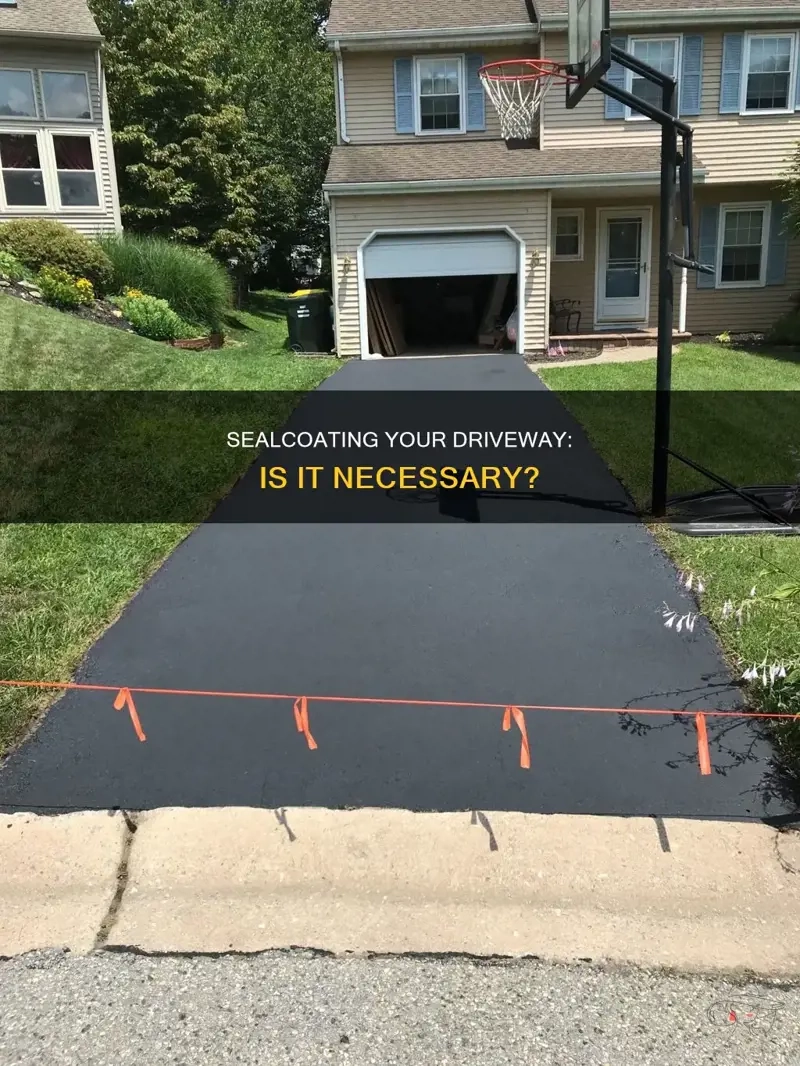
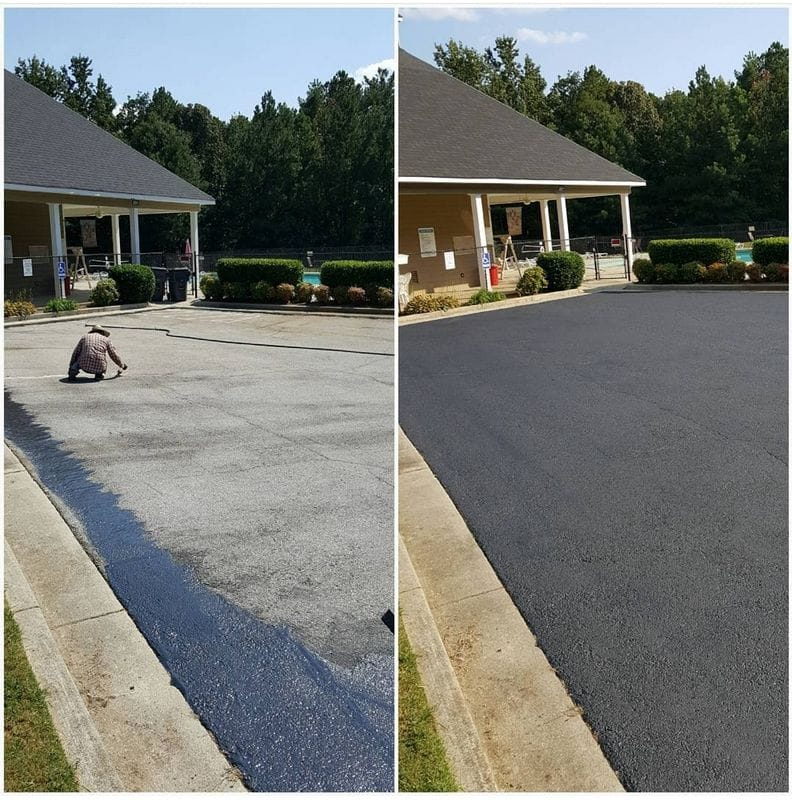
- Commit to Post-Installation Maintenance: Protect your investment immediately after installation. Apply a high-quality coal-tar or asphalt emulsion sealcoat after the new asphalt has fully cured (typically six to twelve months after paving, once natural oils have leached out), fill hairline cracks promptly before winter freezes set in, and avoid parking heavy commercial dump trucks or loaded moving vans on residential asphalt.
A driveway is the literal red carpet of your home, welcoming you, your family, and your guests every single day while quietly absorbing the daily punishment of heavy vehicles and unpredictable weather. When approached with the care, respect, and technical precision it demands, a new driveway ceases to be a burdensome construction project and becomes a permanent asset that enhances your property’s safety, value, and aesthetic integrity.
By listening to the hard-earned lessons of the crews who operate the rollers and lay the stone, you cross the threshold from an uninformed consumer into a savvy property owner. You now know that the magic is not in the shiny surface sealant, but in the unglamorous, heavy compaction of the crushed stone sub-base miles beneath the final visual layer. Armed with this knowledge, you are ready to evaluate contractors critically, demand rigorous construction standards, and invest in a pavement system engineered to stand the test of time.