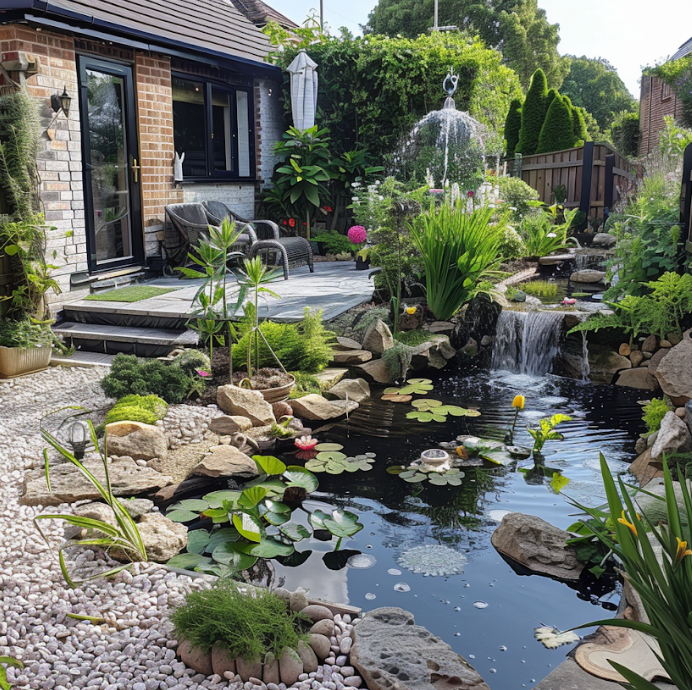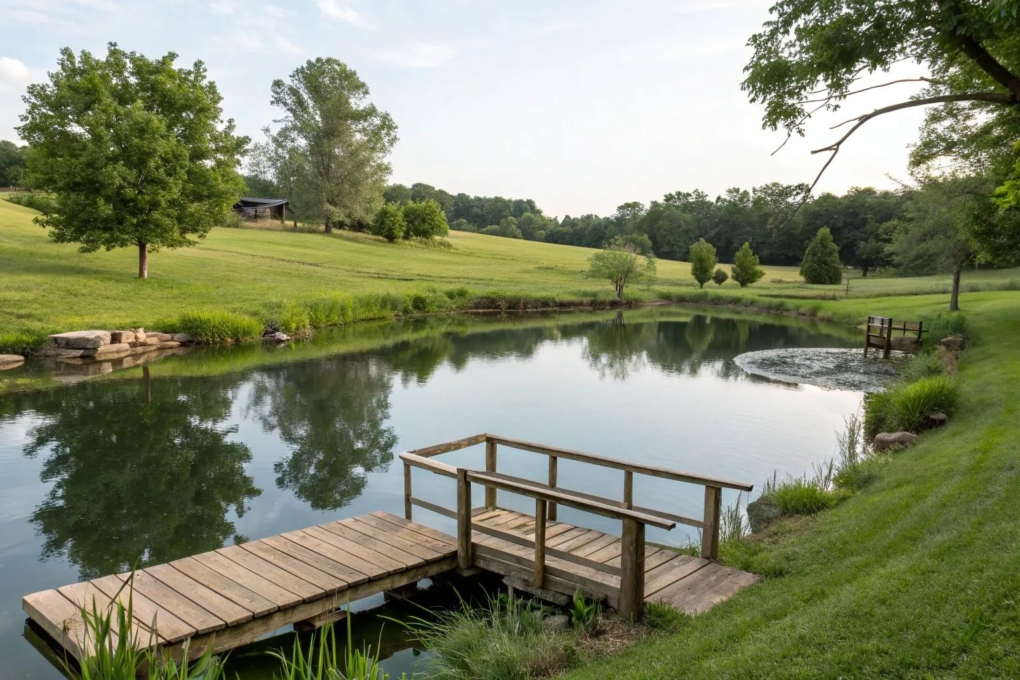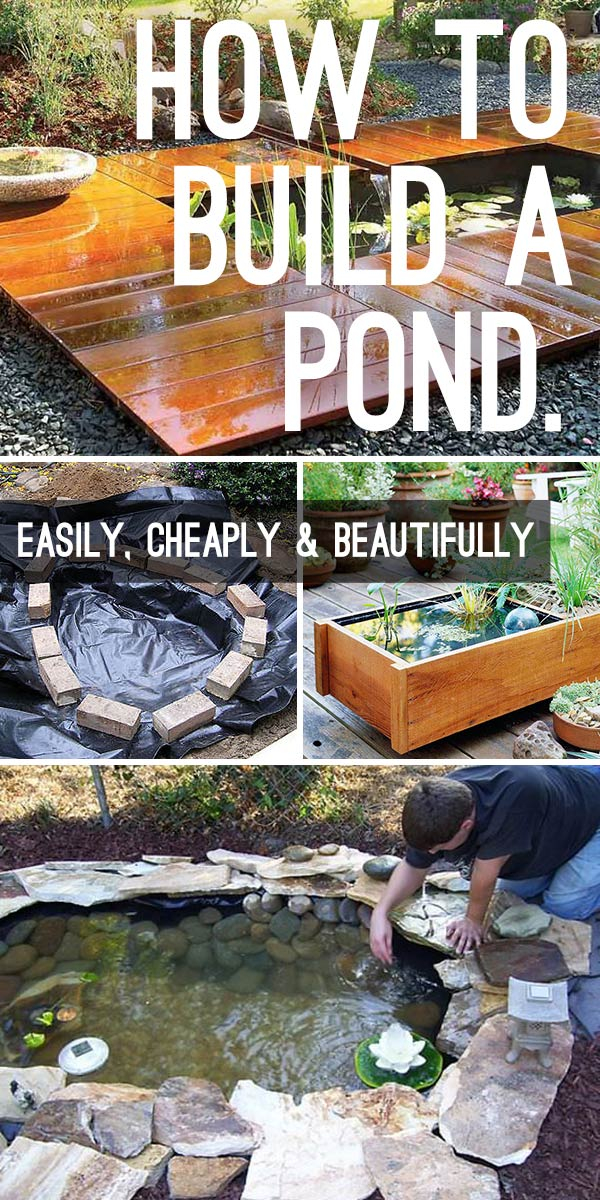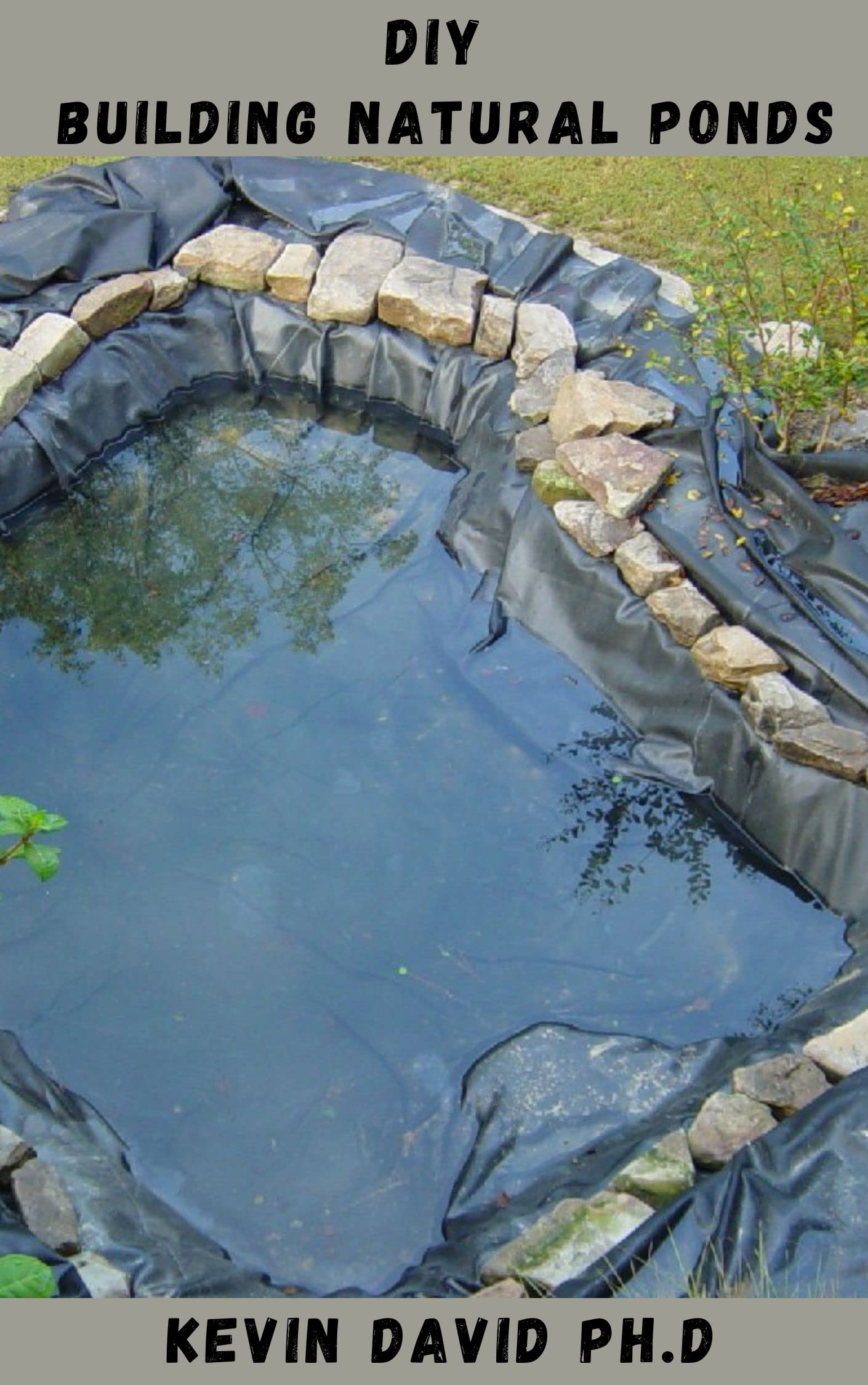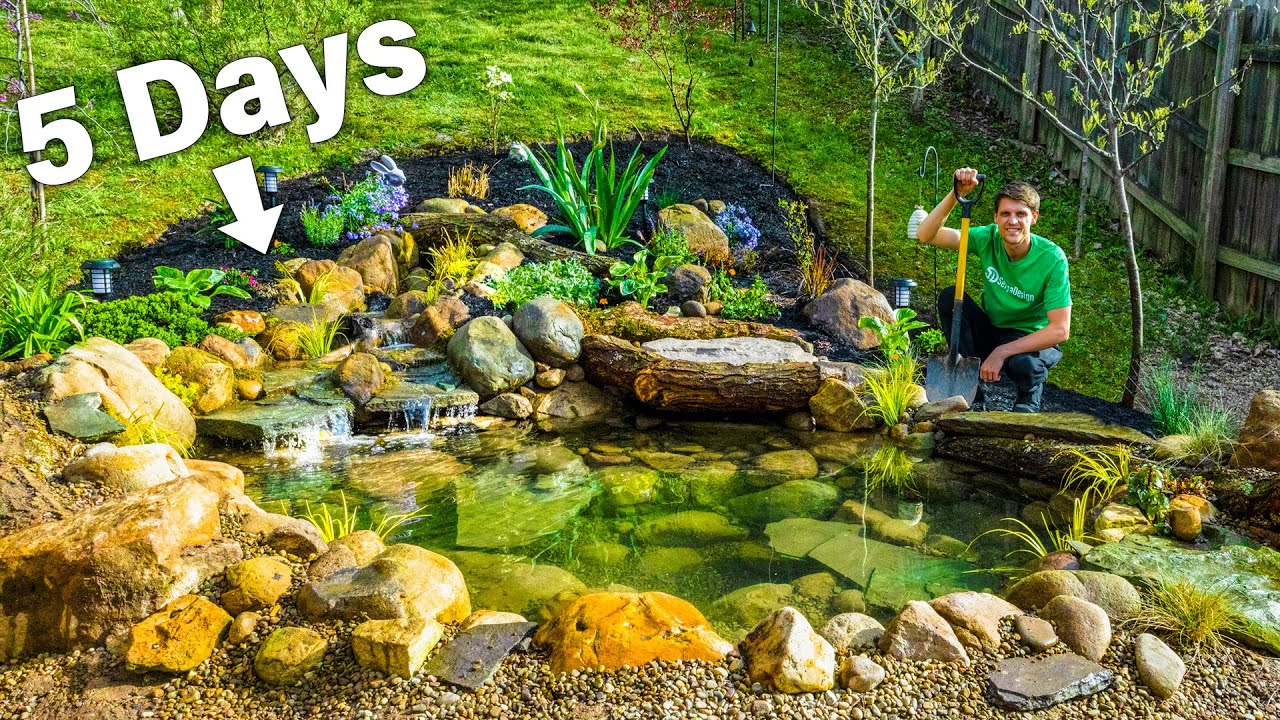
You’ve seen the pictures. That serene backyard oasis with koi gliding beneath lily pads, the gentle gurgle of a waterfall, and the soft glow of underwater lights at dusk. It looks peaceful. It looks expensive. But then you hear the whispers from neighbors or scroll through forums where folks claim they built their own slice of paradise for under five hundred bucks. Suddenly, the dream feels within reach. You grab a shovel. You buy a liner. You’re ready.
But here’s the thing nobody puts in the Instagram caption: water is heavy. Dirt is unpredictable. And mistakes? They leak.
Building a pond yourself can be incredibly rewarding. It can also be a money pit if you aren’t careful. In 2026, the gap between a "budget build" and a professional installation has narrowed in some ways but widened in others due to material costs and labor shortages. Knowing where the money actually goes—and where it tends to vanish—is the difference between a thriving ecosystem and a muddy hole in your yard that you fill back in next spring. Let’s talk about the real numbers, the sneaky expenses, and how to keep your wallet happy while you dig.
The Sticker Shock vs. Reality Check
When you start researching pond costs, you’ll see a wild range. Some sources say you can do it for $2,500. Others warn you might hit $8,000 for a basic setup, with complex projects soaring into six figures. Why the discrepancy? It usually comes down to what’s included in that number. A pre-formed plastic shell dropped into a small hole is cheap. A fully filtered, lined, rock-edged ecosystem with a stream? That’s a different beast entirely.
Most DIYers make the classic mistake of budgeting only for the visible parts. They calculate the cost of the liner, maybe some rocks, and a pump. They forget the stuff underneath. In 2026, material prices for high-quality EPDM liners and robust filtration systems have stabilized but remain higher than pre-pandemic levels. If you’re aiming for a pond that holds water reliably and keeps fish alive, you can’t skimp on the foundation. A $50 liner might save you money today, but if it punctures in year two, you’re paying double to fix it.
Consider the size factor too. A small wildlife pond might cost a few hundred dollars in materials. But once you cross the threshold into a feature that requires significant excavation, the costs spike. You’re not just buying materials; you’re dealing with soil disposal. Where does all that dirt go? Hiring a dumpster or a haul-away service isn’t free. It’s an immediate, often overlooked line item that can add hundreds to your tab before you’ve even laid a single stone.
The Invisible Expenses That Add Up Fast
Let’s talk about electricity and plumbing. You need power to run your pump and filter. If your nearest outlet is fifty feet away, you’re looking at trenching, conduit, weatherproof outlets, and possibly hiring an electrician. This isn’t optional if you want to avoid safety hazards. In many areas, code requirements in 2026 are stricter than ever regarding outdoor electrical installations near water. A simple extension cord won’t cut it. This infrastructure work is rarely in the initial "fun" budget, yet it’s critical.
Then there’s the water itself. Filling a medium-sized pond can take thousands of gallons. If you’re on city water, that bill will sting. If you’re on well water, you might strain your system. Some municipalities even charge extra fees for filling large volumes quickly. It’s a small detail, but when you’re watching your budget, every gallon counts. Plus, you’ll need dechlorinator or time to let the water off-gas before adding any life. That’s time, and time is money.
Don’t forget the landscaping around the pond. A naked liner looks terrible. You need marginal plants, gravel, boulders, and mulch to blend the feature into your yard. These aesthetic touches aren’t just vanity; they help stabilize the soil and prevent erosion into the water. Buying bulk rocks sounds cheap, but delivery fees for heavy stones can be shocking. Local suppliers might offer better deals if you pick them up yourself, but do you have a truck? If not, add rental costs to the pile.
Labor Is Free, But Your Body Isn’t
DIY means you don’t pay hourly labor rates. That’s the biggest selling point. However, physical labor has a cost. Back injuries, blisters, and exhaustion are real. If you underestimate the difficulty of digging in clay soil or moving hundred-pound boulders, you might end up hiring help halfway through anyway. This "rescue labor" is often more expensive than planning for it upfront because you’re paying a premium for emergency assistance.
Tools are another hidden labor cost. Do you own a mini-excavator? Probably not. Renting one for a weekend can cost several hundred dollars. Sure, you could dig by hand, but how many weekends do you have? Time is a resource. If the project drags on for months because you’re only working on it sporadically, the opportunity cost adds up. You’re not enjoying your yard, and you’re living with a construction zone.
There’s also the learning curve. Watching a video is different from doing it. Mistakes happen. You might dig the shelf wrong. You might miscalculate the liner size. These errors mean redoing work. Redoing work means buying more materials. It’s a cycle that eats into your savings. Professional builders have made these mistakes before; you’re paying for their experience with your sweat equity. If you’re not careful, you’ll pay for it twice.
Maintenance: The Never-Ending Bill
A pond isn’t a "set it and forget it" project. It’s a living system. Filters need cleaning. Pumps need servicing. Algae needs managing. In the first year, you might spend a few hundred dollars on chemicals, test kits, and replacement parts. Over five years, that adds up significantly. Cheap pumps burn out faster. High-quality filters last longer but cost more upfront. It’s a balance.
Winterization is another seasonal cost. If you live in a climate with freezing temps, you need to protect your equipment. This might involve buying heaters, covers, or specific winterizing kits. Ignoring this step can lead to cracked pipes and ruined pumps, which are costly replacements. Many DIYers overlook this annual expense until the first freeze hits and their system fails.
Also, consider the lifespan of your components. Liners last 10-20 years. Pumps last 3-5 years. Plants die and need replacing. When you budget, think in decades, not just days. A smart budget includes a "sinking fund" for future repairs. Setting aside $50 a month might seem unnecessary now, but when your pump dies in three years, you’ll be glad you did. Otherwise, you’re facing an unexpected bill that disrupts your household finances.
When DIY Actually Costs More Than Hiring a Pro
It sounds counterintuitive, but sometimes hiring a pro is cheaper. How? Efficiency and warranties. Professionals buy materials at trade discounts you can’t access. They have the right tools and the crew to finish the job in days, not weeks. They also guarantee their work. If it leaks in the first year, they fix it. If you build it and it leaks, you fix it. And you buy the new liner. And you pay for the water to refill it.
In 2026, the complexity of integrated ecosystems has increased. People want smart controls, automated dosing systems, and intricate lighting. Installing these correctly requires technical knowledge. A DIY attempt at wiring smart lights or programming a complex filter system can lead to malfunctions that require a pro to untangle anyway. You’ve paid for the materials, the failed attempt, and then the pro to fix it. That’s triple dipping.
Furthermore, resale value matters. A professionally built pond often comes with documentation and warranties that appeal to future buyers. A DIY pond might raise red flags during inspections if it looks janky or if the electrical work isn’t permitted. If you plan to sell your home, a shoddy DIY job could actually lower your property value or require you to pay for removal. Investing in quality upfront, whether DIY or pro, protects your asset.
So, how do you do it right? Start with a realistic scope. Don’t try to build a koi palace on a goldfish budget. Scale down. A smaller, well-built pond is better than a large, failing one. Use online calculators to estimate material needs accurately. Contact local suppliers for bulk discounts on rock and gravel. Ask about "seconds" or imperfect liners that still function perfectly but cost less.
Prioritize your spending. Splurge on the liner and the pump. Skimp on the decorative rocks (use local fieldstone instead of imported granite). Plant native species that thrive in your area rather than exotic imports that need constant care. Native plants are cheaper, hardier, and better for local wildlife. This approach cuts long-term maintenance costs too.
Finally, leave a contingency fund. Always. Aim for 15-20% of your total budget for surprises. Because there will be surprises. A hidden rock layer. A sudden price hike. A broken tool. Having that buffer reduces stress and keeps the project moving. Track every penny. Use a spreadsheet or an app. Know exactly where your money is going so you can adjust on the fly. Smart budgeting isn’t about spending less; it’s about spending wisely.
Building a pond is a journey. It’s messy, challenging, and deeply satisfying. But it doesn’t have to break the bank. By understanding the hidden costs, planning for the long haul, and making smart choices, you can create a backyard retreat that brings joy for years. Take your time. Do your research. And remember, the goal isn’t just to dig a hole. It’s to build a habitat. Get that right, and the rest will follow.
[sps_html tag=”img” src=”https://cdn.northcarolinafinearchitecture.com/2026/05/building-a-waterfall-pond-yard-with-pond-design.png” alt=”Building A Waterfall Pond Yard with Pond Design” style=”width: 100%; height: auto;”]
[sps_html tag=”img” src=”https://cdn.northcarolinafinearchitecture.com/2026/05/building-ponds-and-waterfalls-diy-water-garden-and-koi-pond-learning-with-pond-design.jpg” alt=”Building Ponds And Waterfalls Diy Water Garden And Koi Pond | Learning with Pond Design” style=”width: 100%; height: auto;”]
[sps_html tag=”img” src=”https://cdn.northcarolinafinearchitecture.com/2026/05/diy-building-natural-ponds-step-by-step-guide-to-creating-a-low-for-what-i-learned-building-three-different-ponds-in-my-own-yard.jpg” alt=”Diy Building Natural Ponds: Step By Step Guide To Creating A Low … for What I learned building three different ponds in my own yard” style=”width: 100%; height: auto;”]
[sps_html tag=”img” src=”https://cdn.northcarolinafinearchitecture.com/2026/05/15-inspiring-pond-structure-ideas-for-your-backyard-intended-for-what-i-learned-building-three-different-ponds-in-my-own-yard.jpg” alt=”15+ Inspiring Pond Structure Ideas For Your Backyard intended for What I learned building three different ponds in my own yard” style=”width: 100%; height: auto;”]
[sps_html tag=”img” src=”https://cdn.northcarolinafinearchitecture.com/2026/05/how-to-build-a-beautiful-diy-backyard-pond-on-a-budget-the-garden-glove-intended-for-pond-design.jpg” alt=”How To Build A Beautiful Diy Backyard Pond On A Budget • The Garden Glove intended for Pond Design” style=”width: 100%; height: auto;”]