Imagine this: a massive storm rolls through your neighborhood, knocking down power lines and plunging the entire block into total darkness. But your house? Your lights don’t even flicker. For years, traditional solar setups couldn’t actually run during a blackout because they had to shut down to protect the grid.
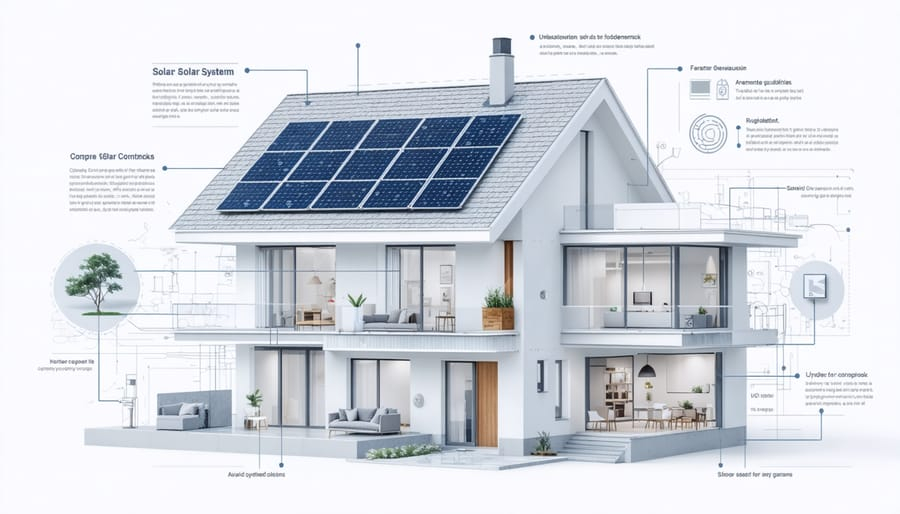
Things have changed fast. By 2026, we aren’t just putting glass panels on roofs and hoping for the best. We are building smart, self-healing energy ecosystems. Thanks to advanced automated design tools and next-generation smart inverters, modern solar systems can withstand severe weather, manage their own health, and keep your appliances humming when the rest of the world goes dark.
The Shift From Basic Solar to True Resilience
For a long time, solar power was mostly about saving a few bucks on your monthly utility bill. You installed the panels, hooked them up to a basic inverter, and watched your electric meter spin backward. But as extreme weather events become more common, homeowners and engineers are shifting focus toward resilience—the ability of a system to take a hit and keep on ticking.
A truly resilient setup needs to do more than just make electricity on a sunny afternoon. It has to survive physical hazards, handle unexpected grid fluctuations, and manage power storage intelligently. This is where modern engineering meets practical, real-world necessity.
Smart Inverters: The Brains of the Operation
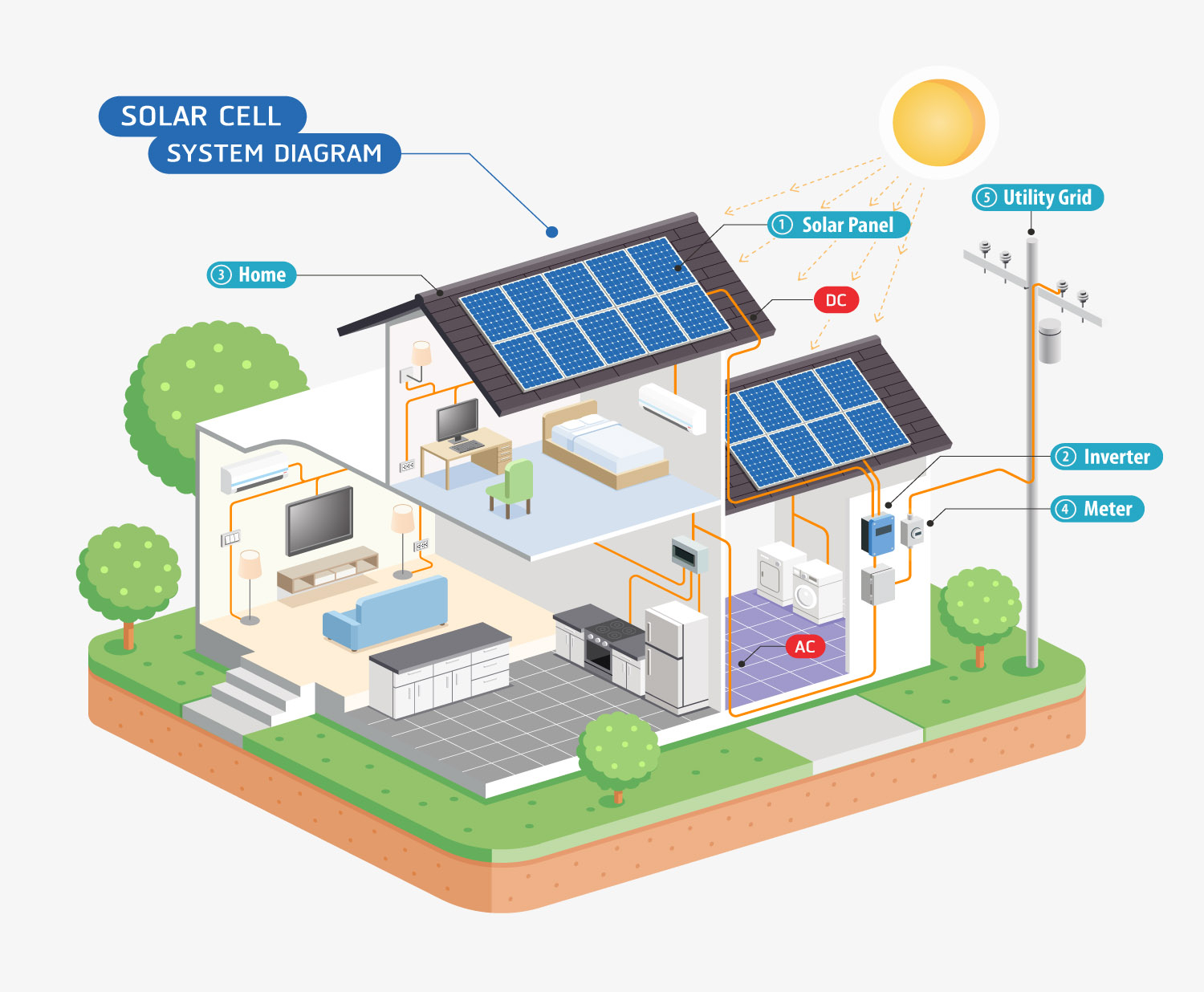
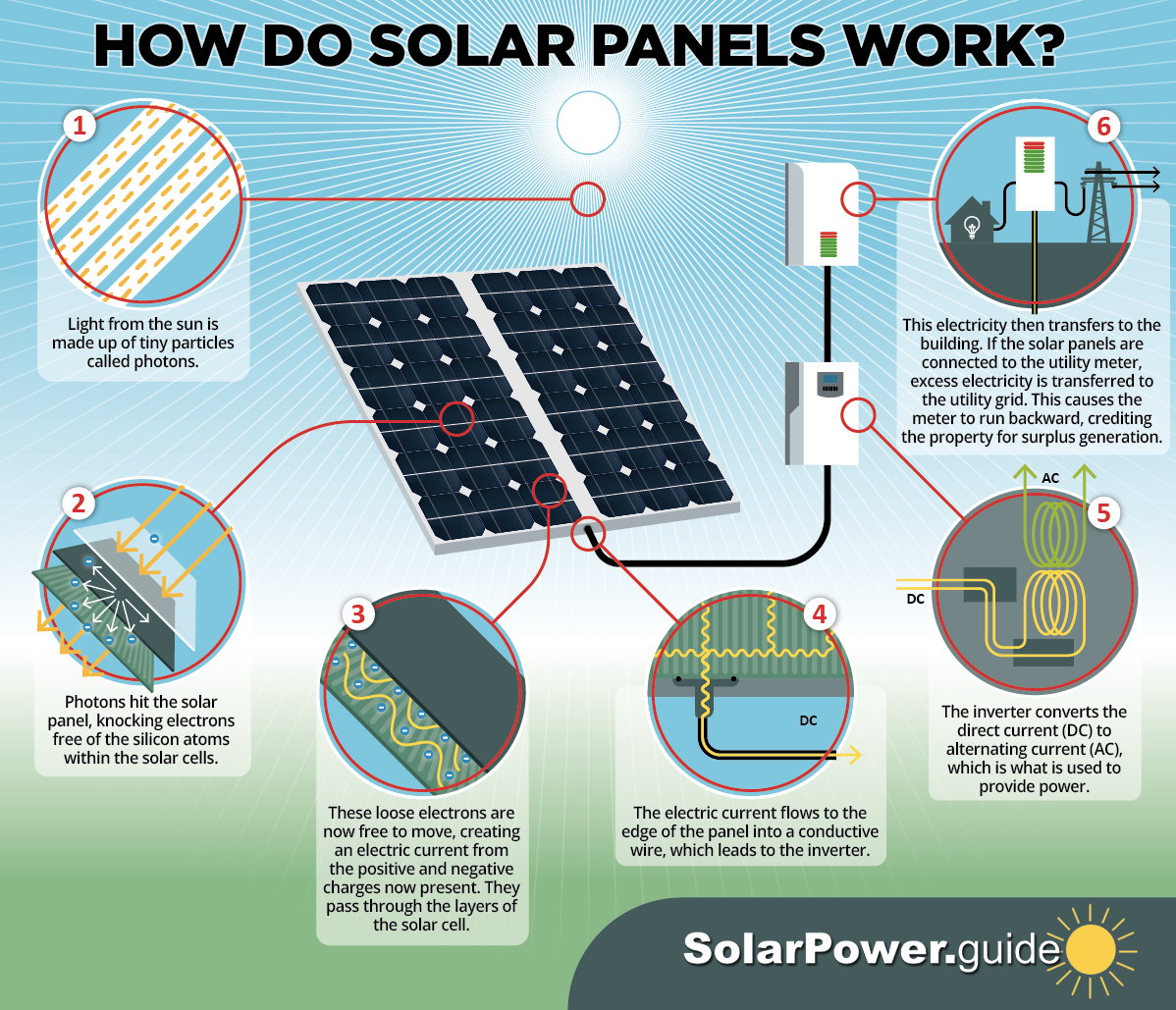
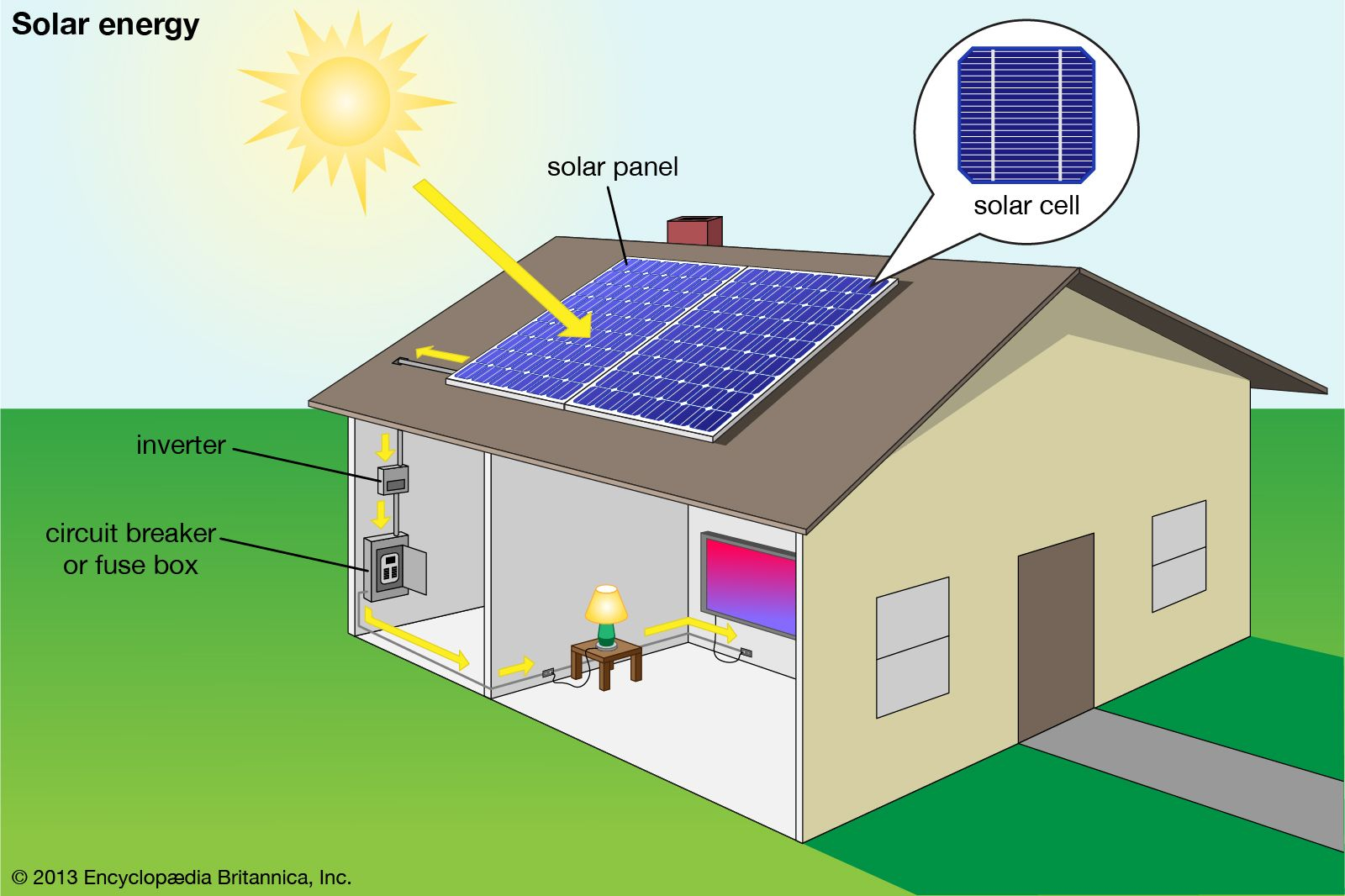
If solar panels are the muscles of a system, the smart inverter is absolutely the brain. Traditional inverters had a simple job: take the Direct Current (DC) power from the sun and flip it into Alternating Current (AC) power for your home. If the main power grid went down, the inverter shut off entirely.
Today’s smart inverters do so much more. They utilize "grid-forming" technology, which means they can instantly create an isolated, stable mini-grid for your home during a blackout. They actively talk to the utility grid, smoothing out voltage spikes and keeping your electricity completely stable even when the local infrastructure is struggling.
Designing with Automation and AI Software
How do engineers figure out exactly where to place panels or how to size a battery bank? They don’t use graph paper anymore. Automated design tools have completely revolutionized the planning process. Designers now use advanced software that pulls in historical weather data, satellite imagery, and localized shading patterns to create a perfect digital twin of a property.
These automated programs run thousands of simulations in seconds. They can predict how a system will perform during a week of heavy rain or a sudden winter freeze. By using these automated tools, installers can eliminate guesswork, ensuring the physical layout is optimized to catch every drop of sunlight while protecting hardware from high winds.
Machine Learning and Daily Energy Management
Once a system is up and running, the tech doesn’t stop working. Artificial intelligence and machine learning algorithms are now embedded right into home energy management systems. These systems look at your daily habits—like when you run the dishwasher or charge your car—and compare that data with upcoming weather forecasts.
If the AI sees a severe storm heading your way tomorrow, it will automatically prioritize charging your backup batteries today. It makes real-time decisions on when to store power, when to use it, and when to sell it back to the grid. This level of automated foresight keeps your home protected without you ever having to flip a switch.
Microgrids and Community Power Sharing
We are also seeing a massive rise in microgrids. Instead of every home acting as an isolated island, smart inverters allow houses to connect with one another on a hyper-local level. If your neighbor’s panels are covered in shade but your roof is drenched in sun, a localized microgrid can share that power across the street.
This distributed control approach makes entire communities incredibly tough to disrupt. If a main transmission line fails miles away, a neighborhood microgrid can isolate itself and keep local emergency services, refrigeration, and medical devices running smoothly using shared solar and battery power.
If you are looking to upgrade your setup or build a new one from scratch this year, you need to focus on a few key components. First, always insist on a smart inverter with grid-forming capabilities and automated islanding. Without this, your panels are useless during a major blackout.
Second, make sure your installer is using modern automated design software to map out your roof and model your energy loads. Ask to see the simulations for worst-case weather scenarios. Lastly, pair your panels with an integrated energy storage solution that features smart software management, ensuring your system can think for itself when an emergency strikes.
At the end of the day, building a resilient solar energy system isn’t just about buying the most expensive hardware. It’s about combining intelligent design with smart, adaptive technology. By utilizing automated planning tools and smart inverters, we can create an energy setup that doesn’t just lower our bills, but actively protects our families when it matters most. The technology is already here—it’s just a matter of putting it to work.