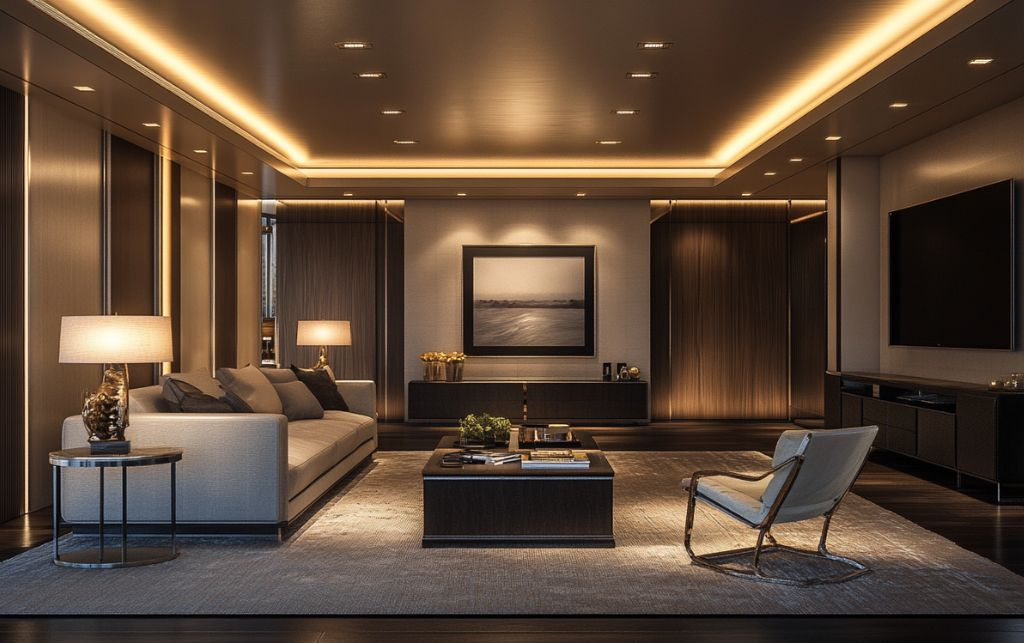
Step into a dimly lit apartment at twilight, and you will notice an immediate shift in how the space feels. Gone is the harsh, sterile glare of the central ceiling fixture—that flat, uninspired white floodlight that flattens textures and exposes every speck of dust. Instead, the room breathes. A heavy, hand-cast ceramic lamp on the credenza casts a soft pool of amber warmth, its irregular, organic silhouette throwing long, architectural shadows across the lime-washed wall. It is not just lighting a dark corner. It is anchoring the entire room, demanding a second look even before the switch is flipped.
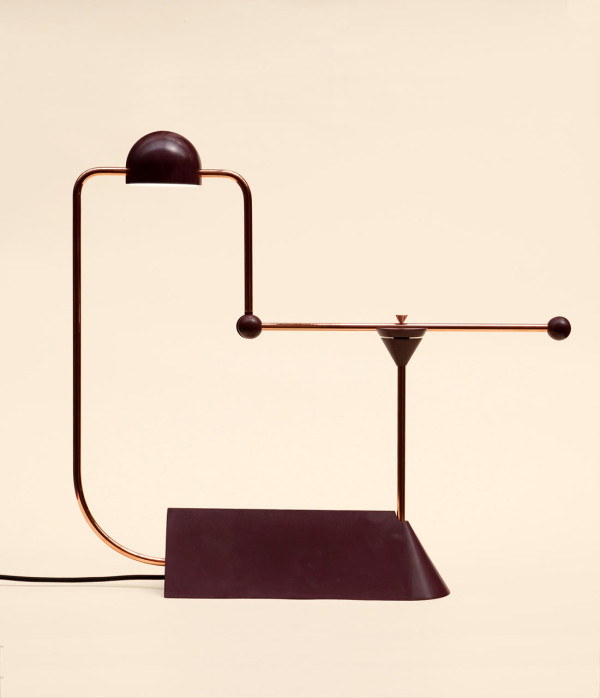
We have reached a cultural turning point in interior design where standard lighting is no longer enough. For decades, the table lamp had a painfully humble assignment: sit quietly in the corner, hold a boring fabric shade, and provide enough wattage to read a paperback without straining your eyes. Today, that definition has been entirely rewritten. Walk into any contemporary home, and you will find that side tables and credenzas are dominated by sculptural objects that blur the line between fine art and utility. These are pieces born from a desire for tactile warmth, visual depth, and emotional connection in an increasingly digital world.
This obsession with sculptural lighting is not a random passing fancy; it is a direct reaction to the minimalist, screen-dominated environments we inhabit. When our daily lives are spent staring at flat rectangles of glass and metal, our living spaces crave three-dimensional gravity. We yearn for objects that carry the fingerprints of their makers, objects that possess physical weight, unpredictable curves, and raw texture. The modern table lamp has evolved into the ultimate design protagonist, proving that a light source can be just as compelling when it is switched off as it is when casting a glow.
The Anatomy of Functional Art: How Table Lamps Transcended Utility
The historical trajectory of domestic lighting reveals a fascinating tension between engineering and aesthetics. For most of the twentieth century, lamp design was dictated by mass production and standardized parts. Bases were symmetrical, shades were uniform, and the primary goal was efficiency. However, contemporary designers have shattered these old industrial templates. They treat the lamp base as an exercise in sculpture—experimenting with raw travertine, blown organic glass, matte ceramics, and welded blackened steel. Light is no longer treated merely as a commodity to eliminate darkness; it is treated as a physical material, working in tandem with shadow and form.
When you invest in a trendsetting sculptural lamp, you are buying a distinct narrative rather than a commodity. Consider the process of hand-thrown ceramics or mouth-blown glass: no two pieces are identical. Micro-imperfections, slight asymmetries, and subtle variations in glaze tell the story of the artisan’s hands. This shift represents a profound psychological rebellion against homogenized mass-market furniture. We fall in love with these objects because they feel alive. They introduce an unpredictable human element into rooms that might otherwise lean too sterile or architectural.
Furthermore, the scale and presence of these objects have fundamentally shifted. Designers are favoring oversized profiles and bold geometric statements that command attention. A credenza or side table is no longer viewed as a dumping ground for picture frames and remote controls; it is a stage. By placing a substantial, sculptural lamp in that space, homeowners are creating an immediate focal point that draws the eye upward and breaks up the monotonous horizontal lines of modern upholstery and flat-screen televisions.
Materiality, Shadow Play, and the Psychology of Ambient Illumination
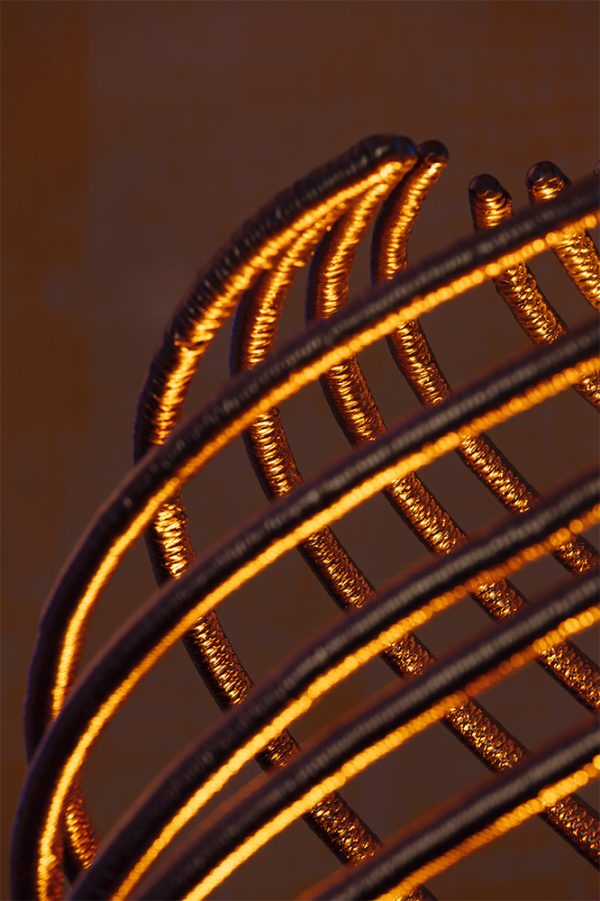
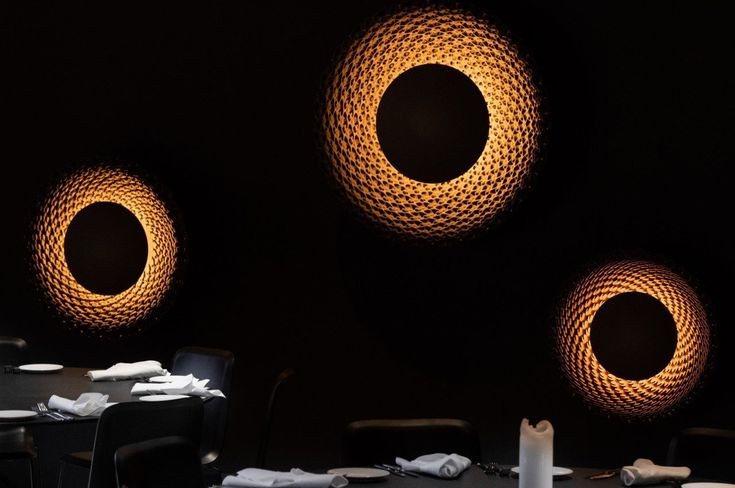
Understanding the appeal of sculptural lighting requires examining the complex interplay between physical materials and the quality of light they emit. A standard lamp casts light outward in a predictable, uniform circle. A sculptural lamp, by contrast, weaponizes obstruction. Opaque shades carved from travertine, perforated metal hoods, and tinted blown-glass bodies intentionally intercept, diffuse, and refract the beam. This creates a rich, dynamic topography of light and shadow within the living space.
The choice of material heavily dictates this sensory experience. Natural stone like travertine or alabaster introduces ancient, geological time into a modern room, glowing from within when illuminated to reveal veining that took millions of years to form. Meanwhile, pleated fabric shades—a massive trend across high-end interiors—bring a distinct restaurant-style warmth and nostalgic texture, diffusing light into soft, pleated rays that flatter both skin tones and furnishings. This layering of warm ambient light has been proven to lower cortisol levels and induce relaxation, counteracting the eye-strain and mental fatigue caused by blue-light screens.
Beyond the physical glow, the silhouette of the lamp itself acts as a silent sculptor of the room’s negative space. A piece featuring sweeping, dynamic curves introduces fluidity to a room dominated by boxy sofas and rectangular rugs. Conversely, sharp, brutalist geometric forms add structural rigor to an otherwise soft, boho-leaning interior. The lamp becomes a bridge, a transitional design element that ties disparate textures together through its commanding physical presence.
Curating and Styling Sculptural Table Lamps in Contemporary Spaces
Integrating these artistic fixtures into a home requires a deliberate approach that balances scale, placement, and visual weight. You cannot simply drop an avant-garde ceramic lamp onto a cluttered nightstand and expect magic. The object demands breathing room and strategic positioning to maximize its impact.
- Step 1 (Assess Scale and Proportion): Measure the surface area and height of your credenza, nightstand, or side table. Ensure the sculptural lamp’s height is proportional to the surrounding furniture—typically, the bottom of the shade should sit at eye level when seated to prevent glare and maintain visual balance.
- Step 2 (Embrace Asymmetry and Pairing): Move away from the dated matching-lamp sets on either side of a sofa or bed. Instead, style asynchronously by pairing one bold sculptural lamp on a console with a stack of curated art books and a trailing plant on the opposite side to create dynamic visual weight.
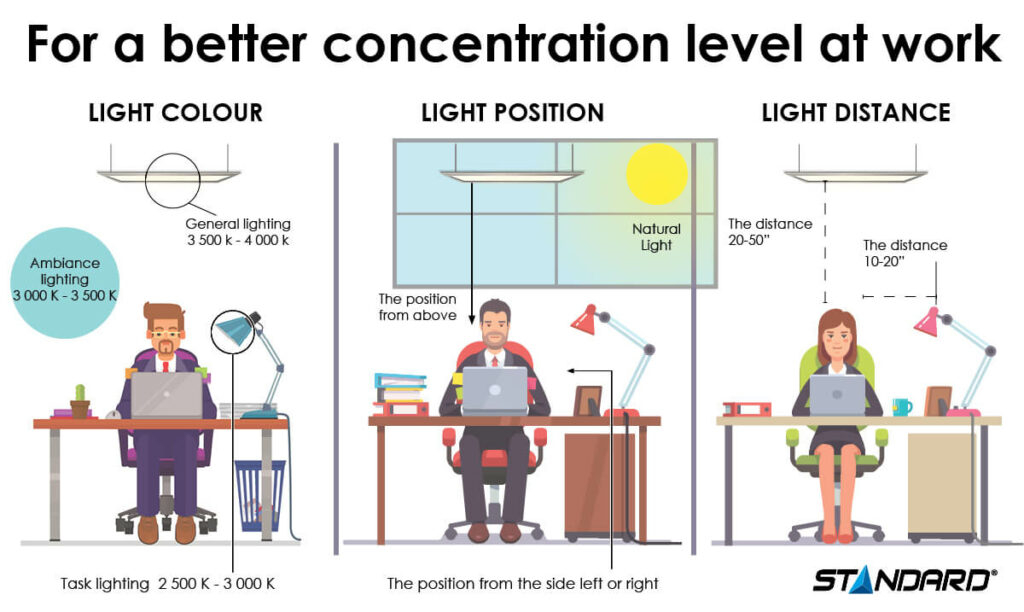
- Step 3 (Select the Correct Color Temperature): Avoid harsh, cool white LEDs (anything above 3000K). Opt for warm-dimming bulbs ranging from 2200K to 2700K to enhance the rich textures of travertine, terracotta, or tinted glass and emulate the amber glow of firelight.
- Step 4 (Consider Daytime Silhouettes): Evaluate how the lamp looks when turned off during daylight hours. A truly great sculptural piece should hold its own as a piece of art against natural window light, casting interesting shadows even before dusk falls.
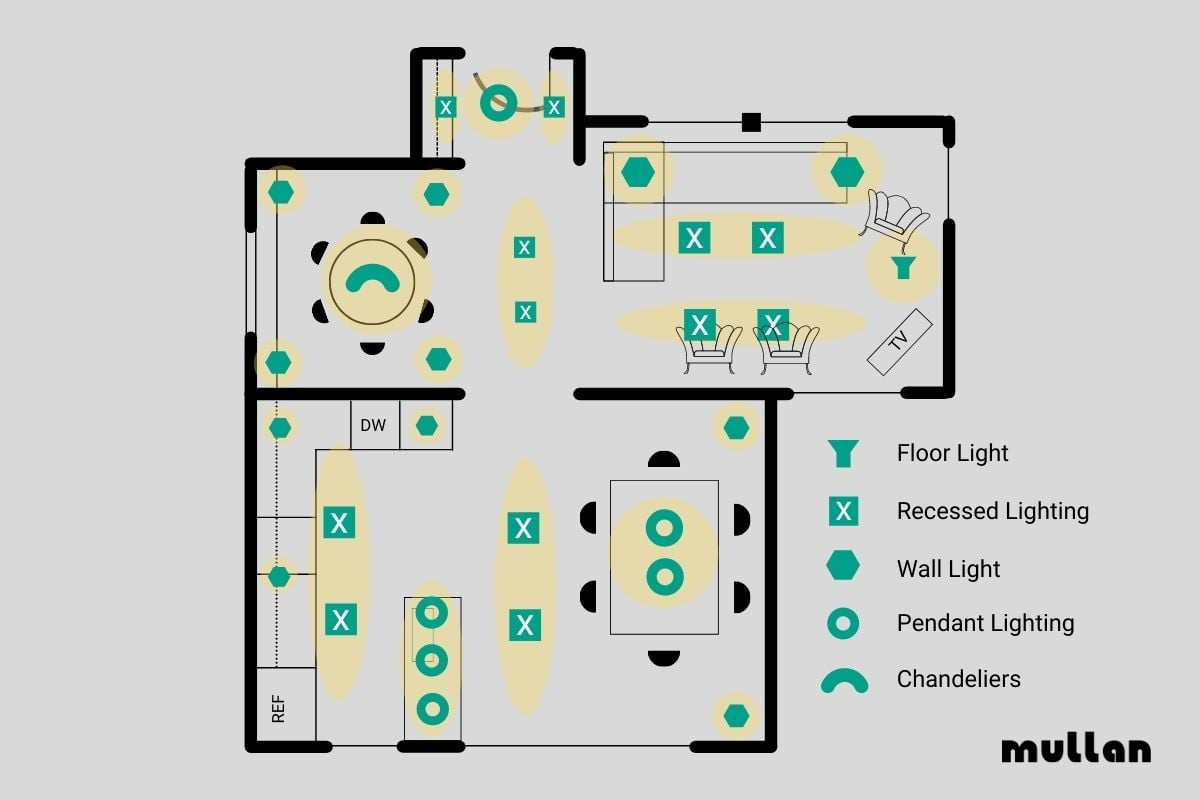
- Step 5 (Layer Your Light Sources): Never rely on a single sculptural lamp to light an entire room. Combine it with low-level floor lamps, picture lights, and directional downlights to build a multi-tiered lighting scheme that enhances the room’s architectural depth.
Navigating the Design Trap: Common Pitfalls and Practitioner Workarounds
Even the most striking lighting design can fall flat if basic styling and technical rules are ignored. Amateurs frequently make avoidable mistakes that compromise both the safety and the aesthetic integrity of their investment pieces. Recognizing these pitfalls ensures your home looks intentionally curated rather than chaotic.
- Pitfall 1 (Ignoring Bulb Wattage and Heat Output): Many artisanal lamps feature delicate materials like resin, paper, or treated fabrics that cannot handle high-heat incandescent bulbs. Workaround: Always check the manufacturer’s maximum wattage rating and switch exclusively to high-lumen, low-heat LED alternatives that mimic traditional warmth without melting or discoloring the shade.
- Pitfall 2 (Overcrowding the Surface): Placing a massive, organic ceramic lamp onto a small, narrow side table creates a claustrophobic look and risks tipping the fixture over. Workaround: Ensure the table top allows at least two to three inches of clear negative space around the base of the lamp to let the silhouette breathe.
- Pitfall 3 (Mismatched Design Eras): Dropping a hyper-futuristic chrome or neon sculptural lamp into a rustic, farmhouse-style interior without a unifying bridge element creates jarring visual dissonance. Workaround: Anchor the piece by repeating a texture or color found elsewhere in the room, such as matching the lamp’s bronze finish to existing window hardware or cabinet pulls.
- Pitfall 4 (Neglecting Cord Management): A stunning sculptural lamp loses its artistic illusion instantly if a tangled black plastic cord snakes visibly across the wall or floor. Workaround: Use adhesive cord channels painted to match the wall color, or invest in professional cord concealment sleeves that blend seamlessly into the furniture leg.
- Pitfall 5 (Choosing Form Over Function): Buying an aggressively avant-garde lamp that blocks all light output or casts awkward, striped shadows across your face while reading. Workaround: Reserve ultra-obscure artistic statement lamps strictly for ambient corner accent lighting, and use directional task lighting where functional reading illumination is actually required.
The Evolution of Ambient Architecture and Sustainable Design
The surge of interest in sculptural lighting reflects a broader, highly encouraging shift in consumer behavior toward slow living and sustainable craftsmanship. For years, the home decor market was flooded with disposable, trend-chasing items destined for landfills within eighteen months. Sculptural lighting represents the exact opposite philosophy. Because these pieces are valued as art objects, buyers invest more money in fewer items, prioritizing heirloom-quality materials like solid brass, mouth-blown borosilicate glass, and locally sourced ceramics.
This economic and cultural shift places a premium on local artisans and independent design studios. Consumers are increasingly asking who made their lamp, where the clay was harvested, and how the glass was fused. This transparency adds an intangible layer of emotional value to the object. When you know the backstory of a lamp—that it was hand-shaped in a coastal studio or forged by a generational metalworker—the object ceases to be mere inventory. It becomes a permanent member of your domestic landscape.
Furthermore, interior designers are treating lighting as the primary architectural layer of a home. Rather than relying on builders to dictate where recessed ceiling cans go, homeowners are using sculptural table and floor lamps to define zones within open-plan living spaces. A curved travertine lamp on a low console can subtly partition a living area from a dining zone, creating intimate psychological boundaries without putting up physical walls. Light becomes a structural divider, fluidly reshaping the architecture of daily life as the sun sets.
Mastering the Art of Illumination: Key Takeaways for the Intentional Home
Transforming a house into a deeply personal sanctuary requires looking past cookie-cutter decorating trends and focusing on sensory resonance. Lighting is the most powerful tool at your disposal for shifting mood, altering spatial perception, and expressing personal identity. By moving away from flat, functional overhead glare and embracing expressive, three-dimensional table lamps, you invite artistry into the mundane rhythms of evening routines.
- Prioritize Presence: Choose lamps that command visual attention through unique silhouettes, even when unlit during the daytime.
- Embrace Tactile Materials: Seek out natural stone, hand-thrown ceramics, raw metals, and textured fabrics that invite physical touch.
- Layer with Intention: Mix table lamps at varying heights with architectural and low-level ambient sources to build a rich, glowing environment.
- Value Craftsmanship: Invest in durable, sustainably produced pieces with authentic artisan backstories rather than mass-produced plastic replicas.
The enduring fascination with sculptural lighting points to an innate human craving for beauty, warmth, and individuality. As our physical environments become increasingly standardized and digitalized, our homes serve as the ultimate canvas for self-expression. A trendsetting table lamp is much more than a functional appliance designed to combat darkness. It is an artistic statement, a conversation starter, and a quiet anchor that welcomes you home at the end of a long day.
Embracing this design evolution does not require an entire home renovation. It simply requires a willingness to look at your side tables, credenzas, and nightstands with a fresh perspective—asking not just what needs to be illuminated, but what deserves to be celebrated. By introducing a single, beautifully crafted sculptural lamp into your space, you bridge the gap between utility and art, ensuring that your home glows with personality, depth, and unmistakable soul.