Flip a light switch in a newly constructed living room, and a quiet, instantaneous transformation occurs. The space fills with a clean, warm glow that flatters the wood grain of the coffee table and renders the artwork on the wall with startling color accuracy. Most people walk away, assuming electricity simply met tungsten or diode and yielded brightness. But look closer—literally peer into the recessed downlight overhead or examine the floodlamp in a track fixture—and you encounter an unsung feat of micro-architecture: the bulged reflector.
That glass or molded polymer bubble sitting behind the light source is far more than a cosmetic shell. It is a finely tuned optical instrument shaped by physics, thermodynamics, and manufacturing economy. Every curve, every micro-facet, and every millimeter of internal depth dictates whether a room feels like a sunlit courtyard or an interrogation room with harsh hotspots. For decades, lighting designers and mechanical engineers have quietly warred over the geometry of these reflectors, balancing the unyielding physics of beam control with the unforgiving heat generated by modern solid-state electronics.
To understand modern home lighting is to understand the physics of containment and redirection. A bare light-emitting diode (LED) or legacy incandescent filament radiates photons in all directions like an omnidirectional shout into an open field. Left unguided, most of that luminous energy is lost into the housing fixtures, ceiling cavities, and dark corners where it serves no human purpose. The bulged reflector acts as an optical funnel, capturing rogue rays and sculpting them into precise beams. This engineering discipline—non-imaging optics—determines the visual comfort, efficiency, and mood of every room we inhabit.
The journey of the reflector began long before solid-state lighting dominated the market, rooted in the golden age of incandescent flood lamps and halogen PAR (Parabolic Aluminized Reflector) lamps. Back then, engineers grappled with point-source heat management and high-temperature glass pressing. When the lighting industry shifted toward compact fluorescents and eventually LEDs, the design parameters shifted radically. LEDs produce directional light natively, yet their beam patterns are often too wide or awkwardly shaped for architectural accent work. Engineers had to reinvent the bulged reflector, transforming it from a simple metal-coated glass bowl into a sophisticated multi-zone optical system capable of diffusing glare while maintaining punch.
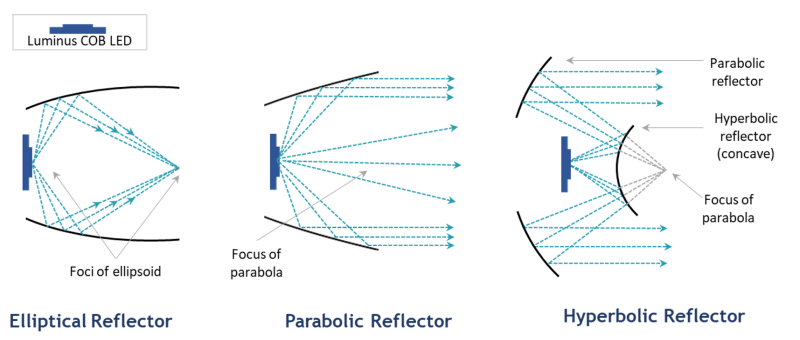
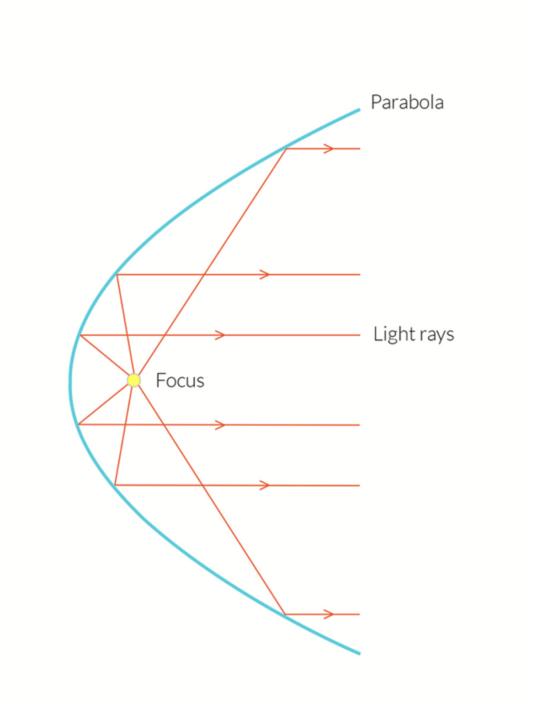
At the heart of this evolution is the parabolic versus elliptical geometry debate that occupies industrial design studios. A true parabola projects a parallel beam of light, ideal for spotlighting a piece of art from a high ceiling. However, living spaces rarely require a laser-like column of photons; they demand a wash of light with soft, forgiving edges. By introducing subtle distortions, bumps, and asymmetrical bulges into the reflector profile, optical engineers create blended beam angles—ranging from narrow 15-degree spots to sweeping 60-degree floods. This geometry must be calculated down to the micrometer, as even a microscopic deviation in mold tooling can cause ugly striations, rings of shadow, or chromatic aberration across the illuminated surface.
The Micro-Geometry of Beam Shaping and Facet Engineering
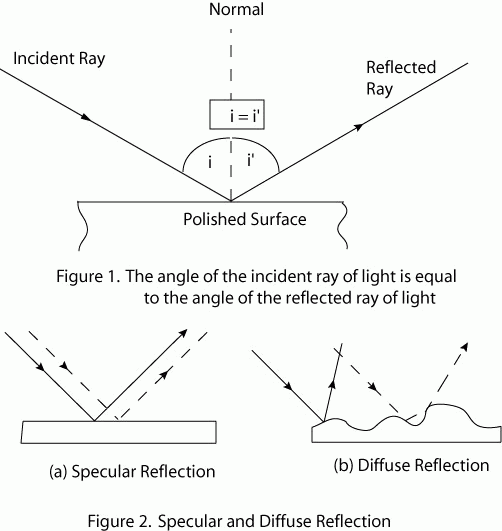
Look inside a high-end BR (Bulged Reflector) lamp and you will rarely see a smooth, mirror-like finish. Instead, the interior surface resembles a crushed diamond or a complex honeycomb of tiny, interlocking facets. This is not an aesthetic choice; it is a calculated optical disruption. Smooth reflectors create hard-edged projections and glaring hot spots, mercilessly highlighting every imperfection on a wall or tabletop. Faceting breaks the primary image of the light source into hundreds of smaller, overlapping virtual images, effectively smoothing the beam profile into a Gaussian distribution.
The engineering behind these facets relies heavily on ray-tracing software simulations that model millions of individual photon paths. Engineers adjust the tilt angle of each individual micro-facet to dictate where its specific slice of light will land in the target room. Central zones of the reflector often feature smooth, parabolic curves to maximize intensity dead-center, while the outer bulged shoulders utilize randomized or stippled facets to soften the edge drop-off. This dual-zone approach ensures that the transition from the illuminated pool to the shadowed perimeter feels natural to the human eye, mimicking the way natural sunlight filters through foliage or diffuses across an interior space.
Material selection is equally critical when dealing with micro-geometry. While traditional reflectors relied on vapor-deposited aluminum coatings on glass, modern consumer bulbs frequently utilize high-temperature engineering thermoplastics like polycarbonate (PC) or polyetherimide (PEI). These polymers can be injection-molded with microscopic precision that glass pressing simply cannot match at scale. However, polymers present their own engineering hurdles. They must withstand sustained operating temperatures exceeding 90 degrees Celsius without yellowing, warping, or losing their reflective vacuum-metallized coating.
Furthermore, the refractive index of the outer bulged envelope plays a vital role in color spatial uniformity. LEDs inherently emit slightly different color temperatures off-axis compared to their direct center—a phenomenon known as angular color shift. A well-engineered reflector does not merely bounce light; it mixes stray off-axis wavelengths with central beams inside the optical cavity before projecting them outward. This internal mixing chamber effect prevents the annoying blue-yellow halos that plague poorly designed LED retrofit bulbs, ensuring uniform color rendering across the entire illuminated beam.
Thermal Management and the Invisible War Against Heat
While optics dictate how light looks, thermodynamics dictates whether the lamp survives the night. One of the greatest ironies of solid-state lighting is that while LEDs consume a fraction of the energy of incandescent bulbs, they are intensely sensitive to heat. Unlike old-school bulbs that radiated thermal energy away as infrared light through the glass envelope, LEDs trap heat directly at the semiconductor junction. If that heat cannot escape, the phosphor degrades, luminous output drops precipitously, and the color temperature shifts permanently toward an ugly, sickly green.
The bulged reflector housing is ground zero for this thermal battle. Because the reflector forms a physical barrier around the LED array and its driver circuit, it must double as a thermal conduit or allow for efficient convective airflow. Engineers utilize clever internal baffling and thermal bridging to conduct heat away from the core circuit board and into the outer body of the bulb. In many modern designs, the bulged section incorporates engineered vents or high-emissivity ceramic coatings that radiate heat away efficiently, bypassing the need for heavy, unsightly external aluminum fin stacks that ruin the classic aesthetic of architectural bulbs.
Managing thermal expansion coefficients is another silent engineering triumph hidden inside the reflector assembly. The LED chip, the ceramic substrate, the adhesive bonds, the plastic or glass reflector, and the metal base all expand and contract at wildly different rates as the lamp cycles on and off throughout the day. A poorly engineered thermal interface will crack within months due to sheer mechanical stress. Engineers employ specialized silicone-based gap fillers and floating mechanical mounts that allow components to breathe and shift microscopically without breaking electrical traces or misaligning the delicate optical axis.
Airflow dynamics inside sealed fixtures also dictate reflector design. When a BR lamp is installed inside an airtight recessed ceiling can, hot air gets trapped, creating a thermal feedback loop. Advanced reflector designs feature internal chimney effects, drawing cooler air through hidden base vents and exhausting it past the thermal sink area. This active passive cooling prevents premature driver capacitor dry-out—the number one cause of premature LED failure in residential installations.
The Intersection of Color Quality, CRI, and Reflector Interaction
Light is more than just brightness; it is the medium through which we experience texture, mood, and spatial depth. The quality of residential lighting hinges on metrics like Color Rendering Index (CRI) and TM-30 fidelity scores, yet these numbers only tell part of the story. Two lamps with identical CRI ratings can look remarkably different in a real room, and the bulged reflector is frequently the deciding factor in that perceptual divergence.
When light bounces off a metallic or white-painted reflector surface, the spectral power distribution (SPD) can undergo subtle shifts. If the reflective coating is poorly applied or degrades over time due to UV exposure, it can absorb certain wavelengths—particularly in the critical deep-red R9 region that makes human skin tones and wooden furniture look vibrant and rich. High-end lighting manufacturers utilize multi-layer dielectric interference coatings rather than simple aluminum deposition to ensure that 98% or more of the light spectrum is reflected uniformly without selective filtering.
Beam color uniformity is another battleground. Because white LEDs are actually blue diodes coated with a yellow phosphor layer, the thickness of that phosphor coating can vary slightly across the semiconductor wafer. Light emerging from the center of the LED might have a slightly higher correlated color temperature (CCT) than light escaping from the edges. A masterfully designed bulged reflector acts as an optical blender, folding these peripheral variations back into the core beam so that the user never notices an uneven blotch of warm and cool light splashed across a feature wall.
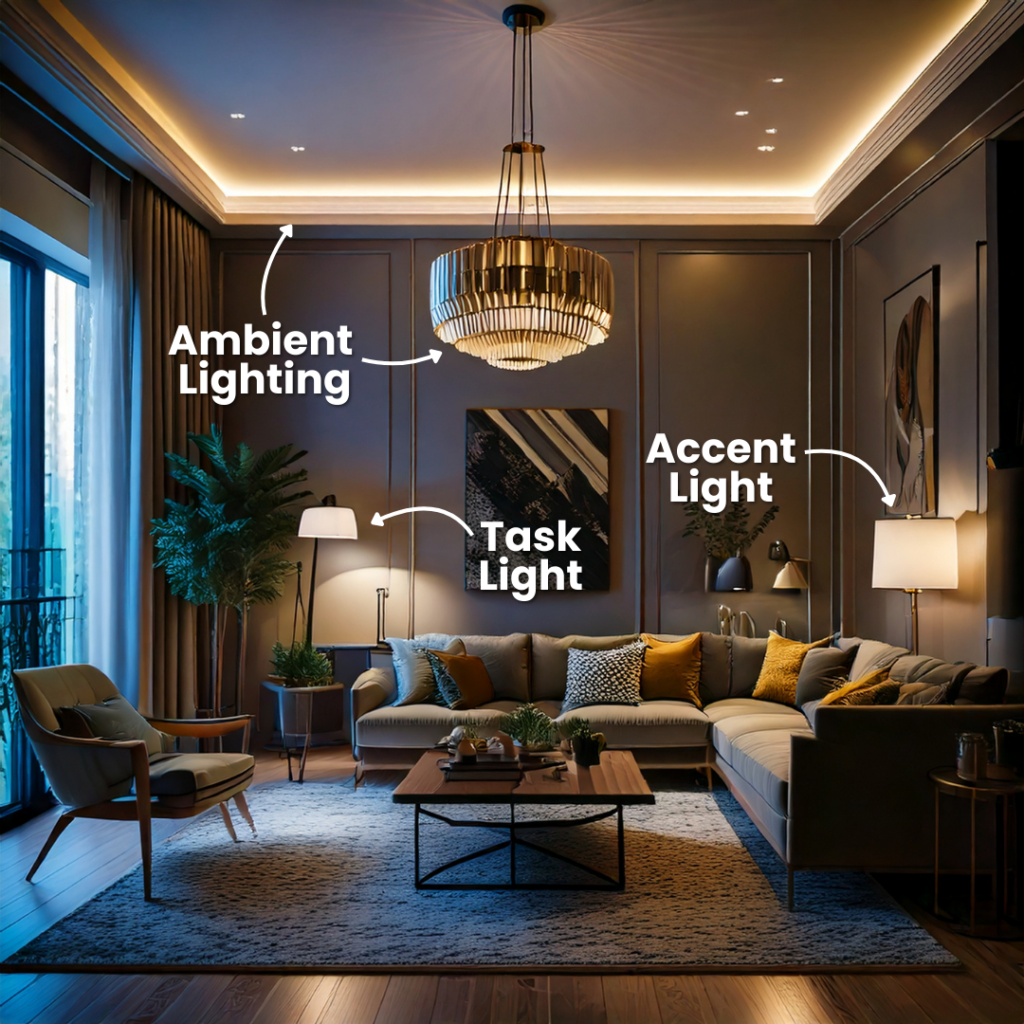
Glare control rounds out this optical equation. Modern interior design favors minimal, deep-recessed fixtures that keep the physical light source hidden from direct line-of-sight. The geometry of the bulged reflector helps achieve this by pushing the virtual image of the light source deeper into the fixture housing. By controlling the cutoff angle—the point at which the light source becomes invisible as you walk away from the fixture—the reflector eliminates harsh peripheral glare, replacing blinding discomfort with a gentle, ambient radiance that feels organic and calming.
Step-by-Step Practical Implementation Guide for Lighting Design
- Step 1 (Fixture and Beam Angle Audit): Assess the physical geometry of your ceilings and architectural features. Measure the distance from the mounting point to the target surface, and match that distance with the appropriate reflector beam angle (narrow spots for high vaulted ceilings, wide floods for standard 8-foot living spaces).
- Step 2 (Thermal Environment Assessment): Inspect your ceiling housings or lamp fixtures to determine if they are enclosed or insulated (IC-rated cans). Select reflector-style bulbs with robust thermal management features, such as ceramic heatsinks or vented collars, to prevent premature driver failure in tight spaces.
- Step 3 (Color Rendering and CCT Selection): Check the technical specifications beyond basic wattage, focusing on a CRI of 90+ and an R9 value above 50. Ensure the selected bulbs utilize optical-grade reflectors that prevent color shifting and haloing at the beam edges.
- Step 4 (Precision Installation and Alignment): Install the bulbs into adjustable gimbals or track heads, taking care not to touch the interior reflector surface of exposed-face designs with bare fingers, as natural oils can ruin the vacuum-metallized optical coating.
- Step 5 (Dimming Compatibility Verification): Pair your reflector lamps with trailing-edge electronic low-voltage (ELV) dimmers designed specifically for solid-state loads. Verify that the bulbs maintain smooth, flicker-free dimming down to 1% without color temperature distortion or dropouts.
Common Pitfalls and Field-Tested Workarounds
- Pitfall 1 (Mismatched Beam Spreads): Using wide flood reflectors in narrow hallways results in washed-out walls and light spill where it isn’t needed. Workaround: Switch to a tighter 25-degree or 35-degree beam spread to keep the luminous energy concentrated on the floor plane and center of the walkway.
- Pitfall 2 (Enclosed Fixture Overheating): Placing standard consumer-grade bulged reflector lamps into airtight, unventilated outdoor sconces or IC-rated recessed cans. Workaround: Always check the manufacturer packaging for "enclosed fixture rated" certifications, ensuring the thermal design can handle trapped ambient heat.
- Pitfall 3 (Ignoring Unified Glare Rating): Installing cheap retrofit bulbs with shallow reflectors that expose the raw LED chip to the viewer’s eye. Workaround: Select lamps featuring deep-regressed optics or micro-faceted diffusers that hide the source and soften the cutoff angle.
- Pitfall 4 (Incompatible Dimming Circuits): Pairing advanced LED reflector lamps with legacy magnetic or leading-edge triac dimmers, causing audible buzzing and flickering. Workaround: Upgrade to modern universal or digital trailing-edge phase-cut dimmers that communicate cleanly with the bulb’s internal driver.
- Pitfall 5 (Surface Contamination During Handling): Touching the internal reflective cup of open-face fixtures during installation, leaving oil residue that bakes onto the surface under heat. Workaround: Wear clean cotton or nitrile gloves during installation, and clean any accidental smudges with pure isopropyl alcohol and a lint-free microfiber cloth.
Holistic Perspectives and the Economic and Environmental Ripple Effects
The engineering choices poured into something as seemingly mundane as a bulged reflector carry profound ripple effects across energy grids, supply chains, and environmental sustainability metrics. When millions of households upgrade to optically optimized lighting, the cumulative energy savings translate into gigawatt-hours of reduced electrical demand, directly lowering carbon emissions from power generation facilities. More importantly, efficient optical control means fewer lumens are wasted bouncing uselessly around inside fixture housings, allowing manufacturers to achieve higher perceived brightness with lower electrical wattage.
Yet, the pursuit of efficiency must be balanced against the realities of product longevity and circular economics. In the early days of the LED revolution, many manufacturers prioritized low production costs over thermal and optical durability, flooding the market with disposable bulbs that failed within two years. This created mountains of electronic waste containing complex plastics, printed circuit boards, and rare-earth phosphors that proved difficult to recycle. Today, the industry is experiencing a necessary correction toward modular, repairable, and sustainably manufactured lighting systems.
Engineers are now exploring biodegradable polymers and recyclable aluminum alloys for reflector shells, alongside snap-fit modular designs that allow consumers or maintenance technicians to replace individual optical components or driver boards rather than discarding the entire assembly. Furthermore, the integration of smart-home protocols directly into the lamp base—such as tunable white spectrums that shift color temperature dynamically to match human circadian rhythms—transforms the humble bulged reflector from a passive piece of shaped glass into an active participant in human wellness.
This shift toward human-centric lighting acknowledges that light is a biological stimulus, not just a utility. By engineering reflectors that distribute light evenly and mimic the natural spectral shifts of sunrise and sunset, modern lighting design supports better sleep hygiene, enhanced cognitive performance, and reduced ocular fatigue. The meticulous geometry hidden inside the bulged reflector is, therefore, an investment in human biology as much as it is an exercise in optical physics.
Actionable Recommendations and Key Takeaways
- Prioritize Optical Quality Over Raw Lumen Count: Higher lumen output does not equate to a better-lit room. Look for well-engineered reflector optics that control glare, eliminate hot spots, and distribute light harmoniously across living surfaces.
- Invest in Integrated Thermal Architecture: Ensure that the lamps you purchase feature clear thermal management pathways, such as aluminum sub-strates or vented housings, especially for use in enclosed or recessed ceiling fixtures.
- Standardize Your Home’s CCT and CRI: Maintain a consistent color temperature (such as 2700K for cozy living spaces or 3000K for kitchens and workspaces) paired with a CRI of 90+ to ensure natural, inviting color rendering throughout your home.
- Design for Adaptability: Utilize dimming-compatible, high-quality LED reflector lamps paired with modern phase-cut dimmers to adjust ambient light levels dynamically according to the time of day and room activity.
The next time you walk into a beautifully lit room, pause for a moment to look up. Acknowledge that the effortless wash of light gracing the walls is the culmination of decades of silent, rigorous engineering. Inside that simple bulged shell, physics, material science, and human psychology converge to solve one of our most fundamental architectural challenges: how to capture, tame, and shape artificial fire into something that feels entirely natural, warm, and welcoming.
As manufacturing techniques continue to advance into micro-optics and nanostructures, the future of home lighting promises even greater precision, higher efficiency, and deeper alignment with our biological needs. The bulged reflector may seem like a modest piece of hardware, but it stands as a brilliant reminder that true design excellence lies in the details we rarely notice—the hidden curves and calculated facets that quietly illuminate our daily lives.