You’re standing there, towel in hand, ready for a relaxing soak. But something feels off. Maybe it’s the way the water splashes awkwardly against your shins because the spout is sticking out too far. Or perhaps it’s that nagging drip from the showerhead even when you’re trying to fill the tub. It’s small stuff, right? Just a minor annoyance in an otherwise perfect bathroom. But here’s the thing: those little quirks are often symptoms of much bigger, hidden problems lurking behind your tiles.
We’ve all been there. You buy a sleek, modern fixture because it looks great in the showroom. You install it (or pay someone to), and it seems fine at first. But six months later, you notice a soft spot in the drywall or a faint smell of mildew that won’t go away. That’s when the panic sets in. What if I told you that many of these issues aren’t due to bad installation, but rather poor design choices made by manufacturers chasing aesthetics over function? It’s true. And plumbers see it every single day.
The Gap That Keeps Growing
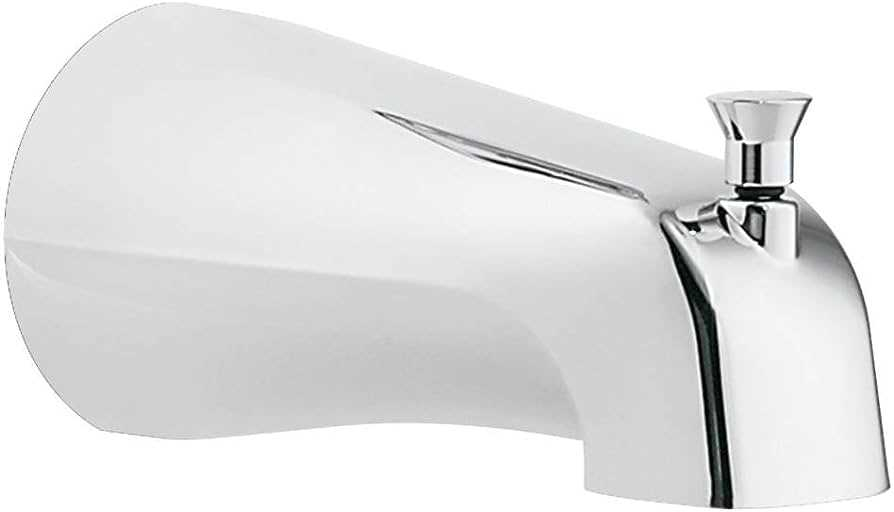
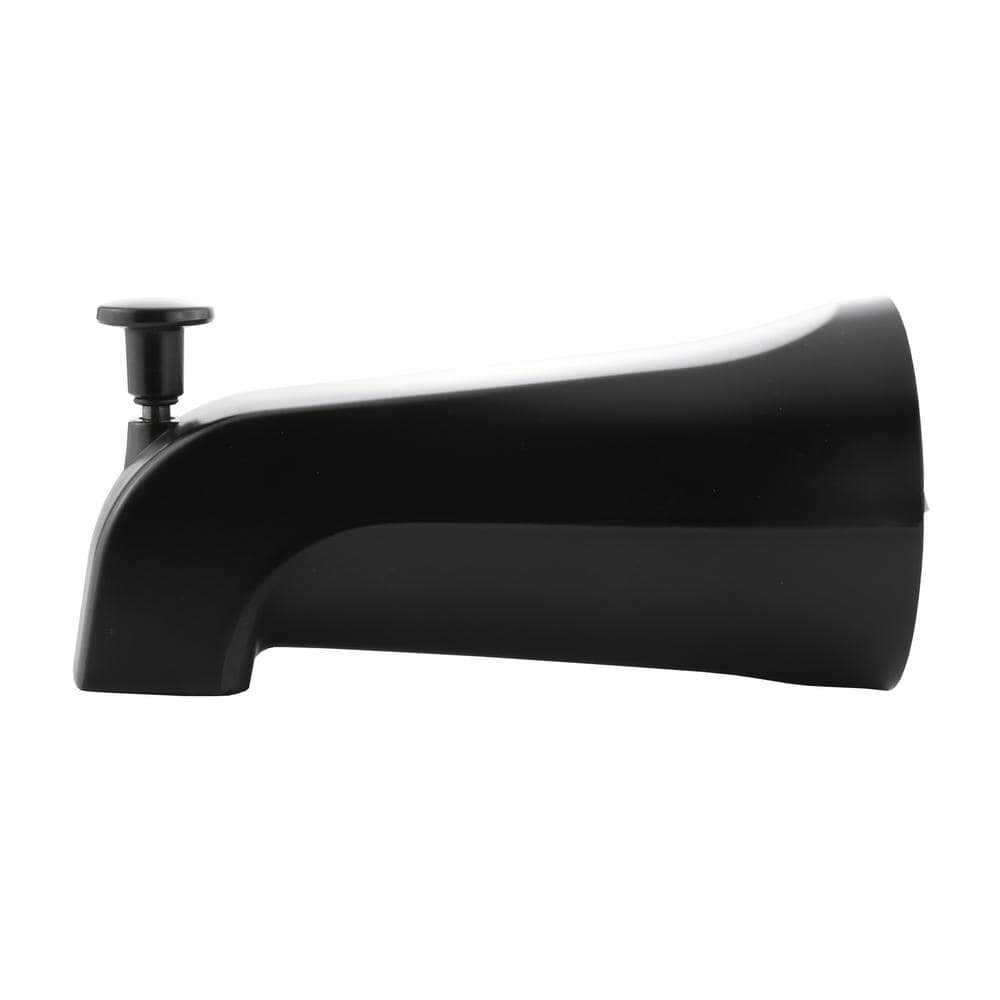
Let’s talk about that space between the spout and the wall. You know the one. It might look like just a cosmetic flaw, a tiny gap where the metal doesn’t quite meet the tile. But in the plumbing world, we call this a "failure to bottom out." When a tub spout doesn’t sit flush against the wall, it’s not just ugly—it’s dangerous. Water loves gaps. It seeps in, travels behind the tile, and settles into the wall cavity. Over time, this moisture creates a perfect environment for mold and rot.
Why does this happen? Often, it’s because the pipe nipple extending from the wall is either too short or the wrong type of spout was chosen. Some spouts have threads near the front, while others have them near the back. If you mix them up, you’ll never get a tight seal. Even a quarter-inch gap can be enough to cause serious damage. Sure, you can buy an escutcheon plate to cover it up, but that’s just hiding the problem, not fixing it. The water still gets in. It’s like putting a band-aid on a broken bone.
The Diverter Deception
Here’s a scenario that drives homeowners crazy: you pull up the diverter to switch from tub to shower, and water still dribbles out of the spout. Is it broken? Not necessarily. In fact, most modern diverters are designed to leak a little. It’s called "residual flow," and manufacturers claim it’s normal. But how much is too much? If it’s just a few drops, maybe it’s fine. But if it’s a steady stream, you’re wasting water and potentially causing pressure issues in your pipes.
The real issue is that many new spouts use cheap internal mechanisms that wear out quickly. They rely on rubber seals that degrade over time, especially in hard water areas. Once those seals fail, the diverter stops working altogether. You end up with weak shower pressure and a flooded tub floor. Plumbers wish more people understood that a leaking diverter isn’t always a defect—it’s often a design compromise. But when it starts affecting your daily routine, it’s definitely time for a change.
The Wiggle Room Problem
Have you ever grabbed your tub spout to adjust the temperature and felt it wobble? That movement isn’t just annoying; it’s a sign of structural weakness. A secure spout should be rock solid. If it moves, it means the connection inside the wall is loose. This can happen if the installer didn’t use enough plumber’s tape or if the threads weren’t tightened properly. But sometimes, it’s the spout itself that’s to blame.
Cheap materials flex under pressure. Over time, this constant movement can crack the solder joints or loosen the fittings behind the wall. Before you know it, you’ve got a leak that’s impossible to trace without tearing out half your bathroom. Securing a wiggly spout isn’t just about tightening a screw. It often requires accessing the pipes from behind the wall, which is a job best left to professionals. Don’t ignore the wiggle. It’s a warning sign.
Material Matters More Than You Think
We live in an age of shiny chrome and brushed nickel. These finishes look stunning, but they’re often just thin platings over cheaper base metals. Zinc alloys, for example, are popular because they’re inexpensive and easy to mold into complex shapes. But they’re also brittle and prone to corrosion. When exposed to constant moisture and cleaning chemicals, these materials can deteriorate rapidly.
Brass, on the other hand, is durable and resistant to rust. It’s heavier, more expensive, and harder to manufacture, which is why many brands skip it. But if you want a spout that lasts more than five years, brass is the way to go. Check the weight before you buy. If it feels light, it’s probably zinc. If it feels substantial, it’s likely brass. It’s a simple test that can save you hundreds in repairs down the line.
The Thread Trap
One of the most common mistakes DIYers make is choosing the wrong thread type. As mentioned earlier, some spouts screw onto the front of the pipe, while others slide over it and tighten from the back. Using the wrong type means the spout will never sit flush. It’s a basic compatibility issue, but it’s surprisingly common. Manufacturers don’t always make this clear on the packaging, leading to frustration and wasted trips to the hardware store.
Even if you get the right type, improper installation can cause leaks. Using too much or too little plumber’s tape can prevent a proper seal. The key is three wraps of tape, applied in the direction of the threads. It sounds simple, but getting it wrong means water finds its way back into the wall. Always double-check your work. A small mistake here can lead to big problems later.
Let’s be honest: we buy things because they look good. Modern bathroom design favors clean lines and minimalist profiles. But these designs often sacrifice functionality for style. Sleek, low-profile spouts may look great, but they can restrict water flow or make it difficult to clean. Complex shapes create nooks and crannies where soap scum and bacteria build up.
Plumbers prefer simple, functional designs. They know that what looks good in a magazine might not work well in real life. When choosing a spout, think about how you’ll use it. Will it be easy to clean? Does it direct water where you want it? Is it durable? Don’t let aesthetics blind you to practicality. Your future self will thank you.
So, what’s the takeaway? Your tub spout is more than just a decorative piece. It’s a critical component of your bathroom’s plumbing system. Ignoring small issues like gaps, leaks, or wobbles can lead to major damage. Take the time to choose quality materials, ensure proper installation, and address problems early. It’s not just about saving money; it’s about protecting your home and your peace of mind. After all, a relaxing bath shouldn’t come with a side of stress.
[sps_html tag=”img” src=”https://cdn.northcarolinafinearchitecture.com/2026/06/tub-spout-a-complete-guide-to-choosing-and-installing-updated-intended-for-tub-spout-design.jpg” alt=”Tub Spout: A Complete Guide To Choosing And Installing - [Updated … intended for Tub Spout Design” style=”width: 100%; height: auto;”]
[sps_html tag=”img” src=”https://cdn.northcarolinafinearchitecture.com/2026/06/tub-spout-a-complete-guide-to-choosing-and-installing-updated-throughout-tub-spout-design.jpg” alt=”Tub Spout: A Complete Guide To Choosing And Installing - [Updated … throughout Tub Spout Design” style=”width: 100%; height: auto;”]
[sps_html tag=”img” src=”https://cdn.northcarolinafinearchitecture.com/2026/06/2026-bathroom-design-trends-you-should-start-planning-now-in-the-hidden-plumbing-rules-behind-choosing-the-right-tub-spout-in-2026.webp” alt=”2026 Bathroom Design Trends You Should Start Planning Now in The Hidden Plumbing Rules Behind Choosing the Right Tub Spout in 2026″ style=”width: 100%; height: auto;”]
[sps_html tag=”img” src=”https://cdn.northcarolinafinearchitecture.com/2026/06/how-to-drain-a-hot-tub-the-only-guide-you-need-2026-regarding-the-hidden-plumbing-rules-behind-choosing-the-right-tub-spout-in-2026.png” alt=”How To Drain A Hot Tub? The Only Guide You Need (2026) regarding The Hidden Plumbing Rules Behind Choosing the Right Tub Spout in 2026″ style=”width: 100%; height: auto;”]
[sps_html tag=”img” src=”https://cdn.northcarolinafinearchitecture.com/2026/06/tub-spout-a-complete-guide-to-choosing-and-installing-updated-regarding-tub-spout-design.jpg” alt=”Tub Spout: A Complete Guide To Choosing And Installing - [Updated … regarding Tub Spout Design” style=”width: 100%; height: auto;”]