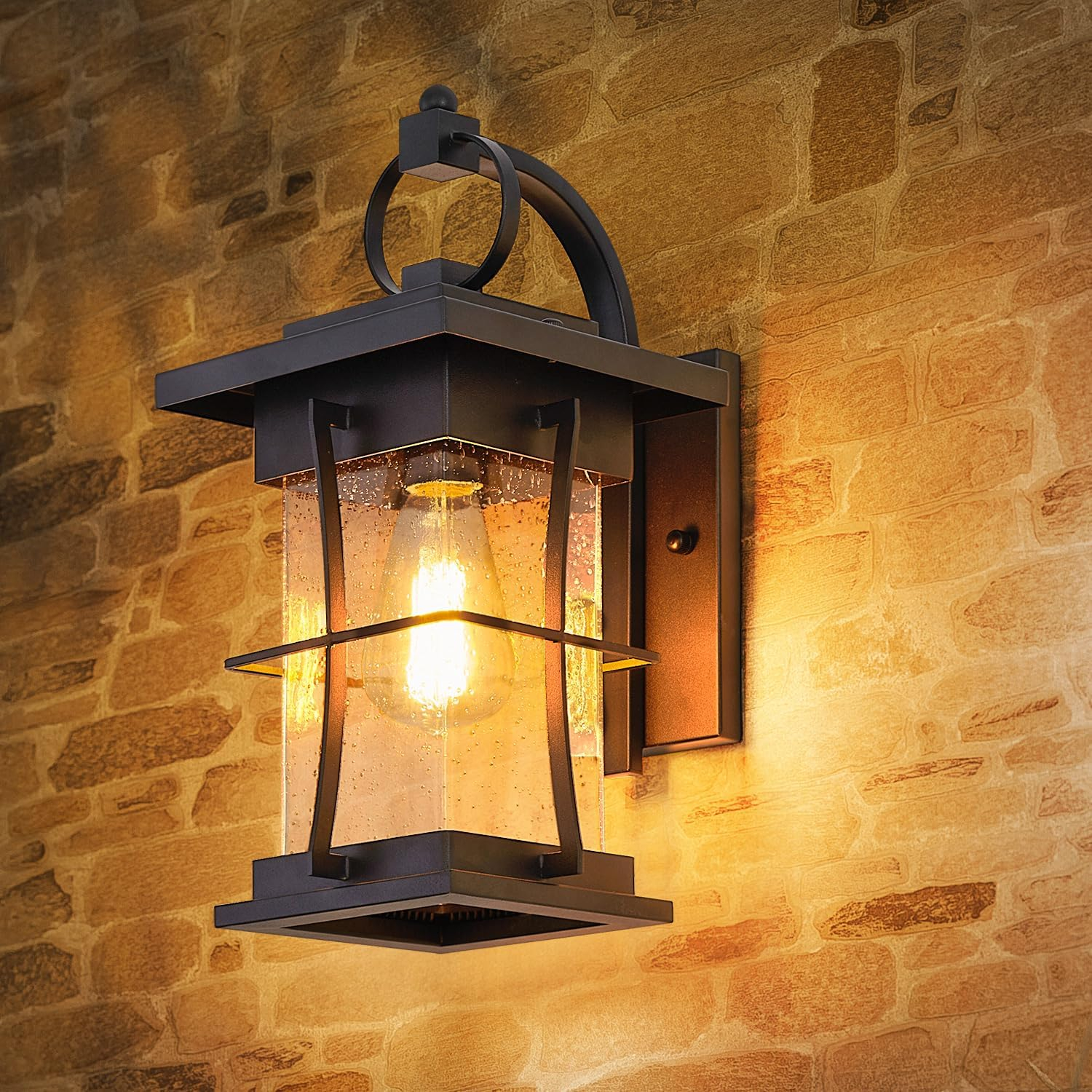
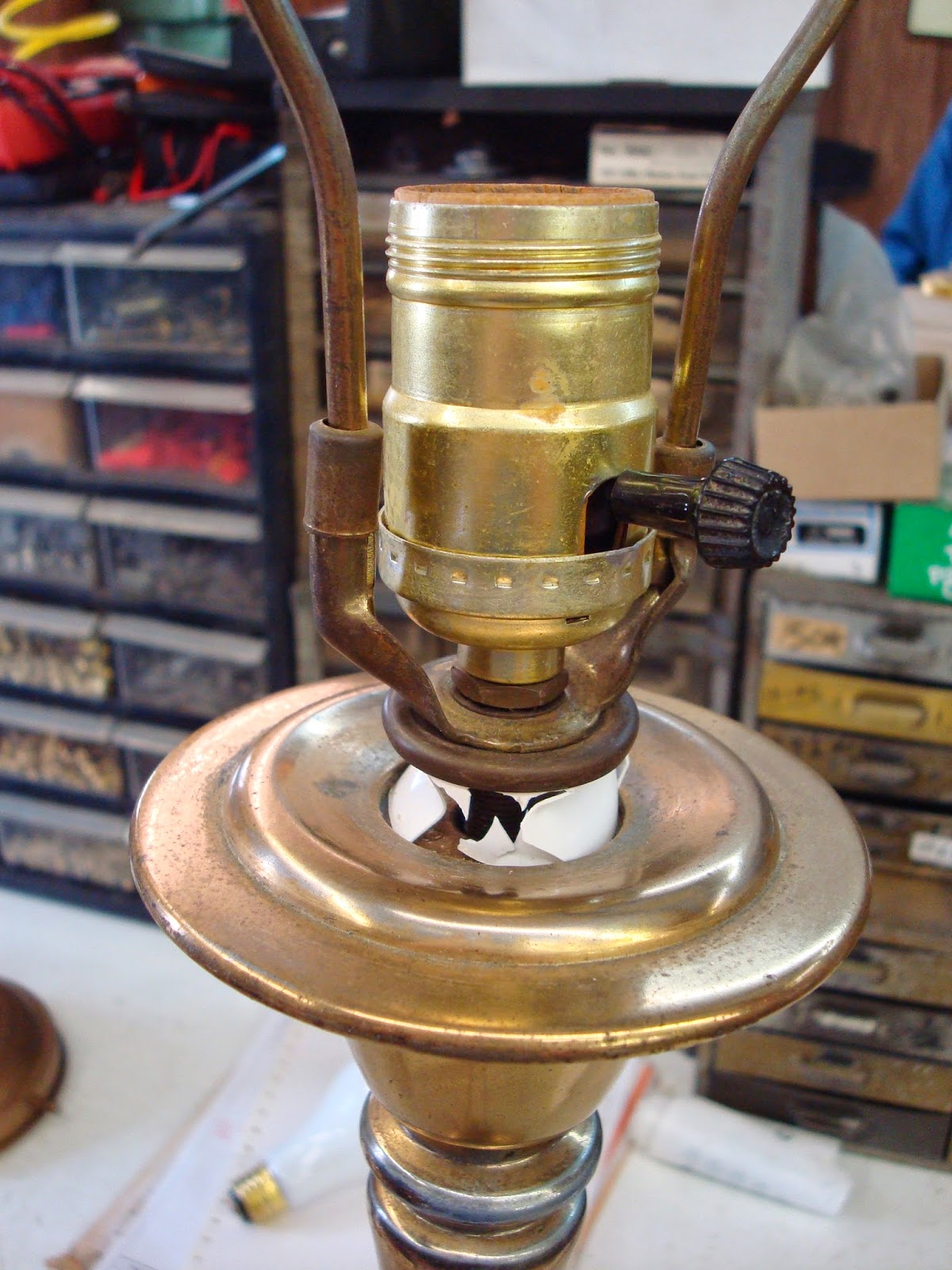
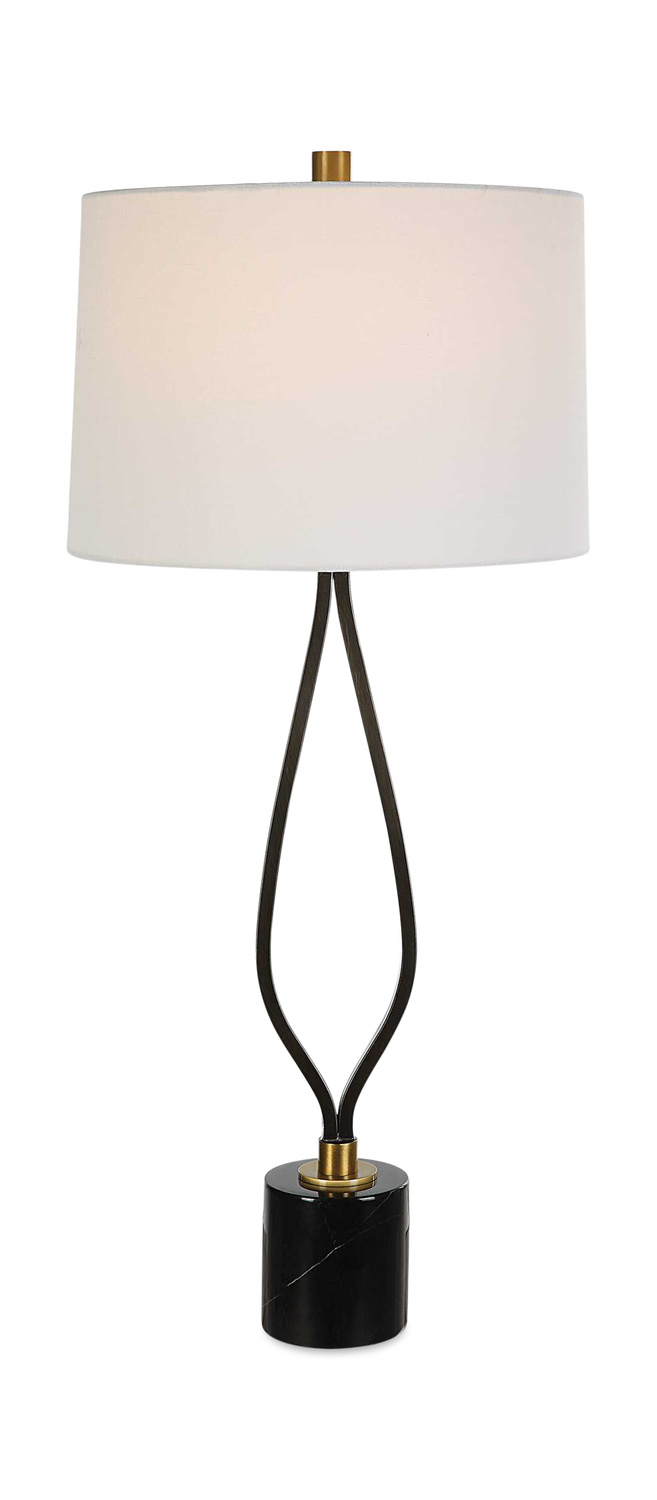
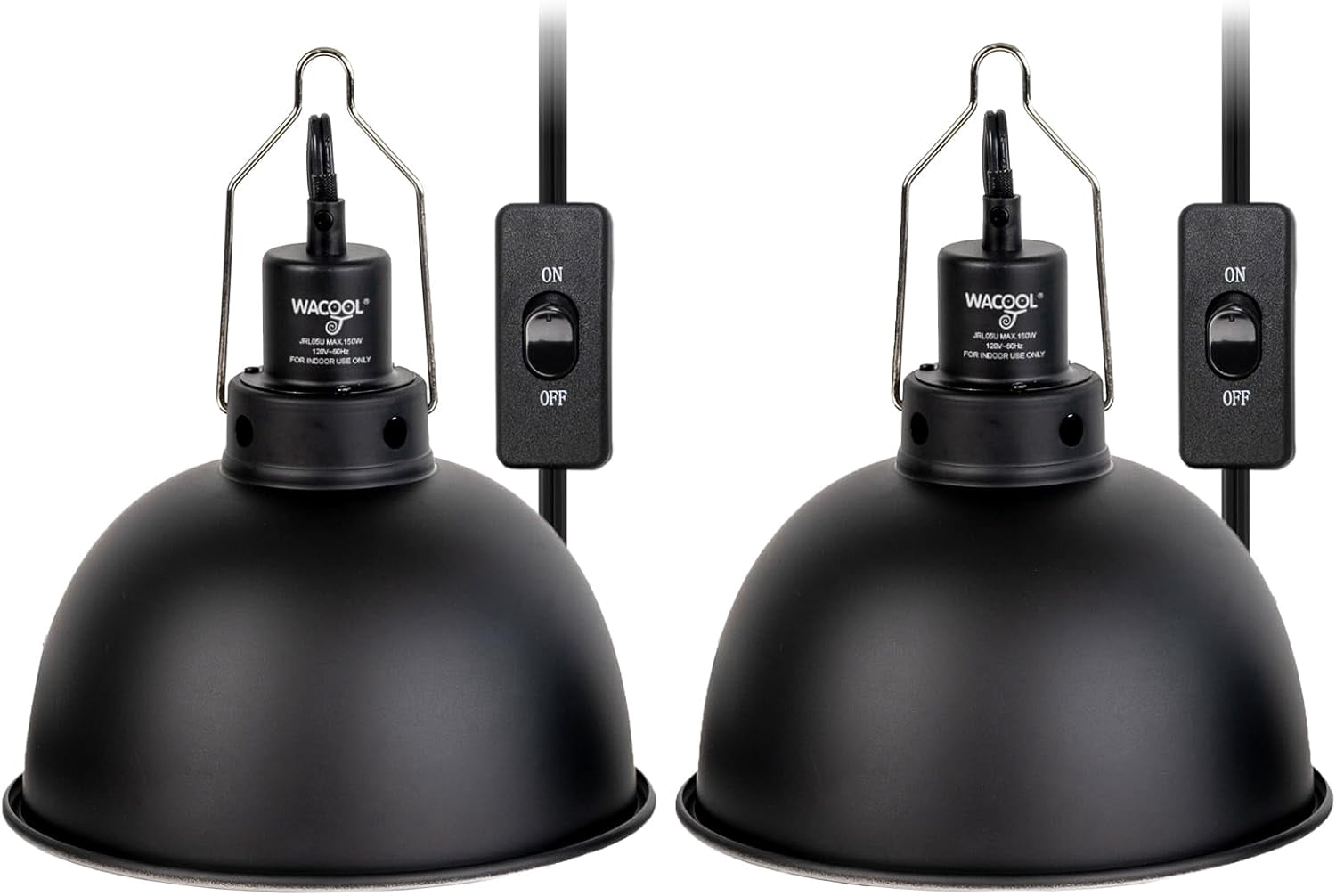
The page of the hardcover book catches the amber glow of a 2700K LED filament, casting a sharp, clean shadow across the linen sheets. Downstairs, the house is entirely quiet, but in this corner of the bedroom, a solitary brass arm extends from the wall on a silent double-hinged pivot. It has traveled precisely fourteen inches outward and angled down forty-five degrees, turning a blank wall into an intentional, hyper-functional workspace without occupying a single square inch of a cramped nightstand.
For decades, wall-mounted lighting occupied an awkward purgatory. It was either relegated to the institutional sterility of hotel rooms or the overly ornate, immovable sconces of mid-century parlors that forced occupants to adjust their bodies to the light rather than the other way around. Today, interior architecture demands an entirely different calculus. Spaces are shrinking, multifunctionality is the baseline, and the boundary between industrial utility and sculptural art has effectively dissolved.
The modern swing arm sconce has emerged as the quiet hero of this design evolution. It solves a fundamental human dilemma: the eternal tug-of-war between clean, minimalist architectural lines and the messy, physical realities of reading, working, and living in our homes. Mastering this fixture requires a shift in how we think about illumination—not merely as a passive overlay on a room, but as a dynamic, mechanical participant in daily life.
To understand why the swing arm sconce has undergone such a dramatic renaissance, one must look at how domestic spaces have mutated over the last decade. Open-plan living brought vast expanses of uninterrupted wall space, which architects initially tried to balance with massive overhead statement chandeliers and recessed cans. Yet, overhead lighting is inherently blunt force. It washes out texture, flattens mood, and fails the basic human need for localized, intimate task illumination.
Enter the articulating arm. By marrying the structural integrity of heavy-gauge brass, matte black steel, and blown glass with precision-engineered swivel joints, designers created objects that look equally striking when pushed flat against a plaster wall as they do when fully extended over a velvet sofa. The engineering has grown invisible. Internal tension springs replace exposed, clunky hardware, allowing the arm to glide with buttery resistance.
At the same time, the rise of human-centric lighting technology has transformed what lives inside the shade. Integrated chip-on-board (COB) LEDs and high-CRI (Color Rendering Index) bulbs mean that a swing arm sconce no longer just provides light—it renders colors with museum-grade accuracy, making the pages of a book, the grains of a wooden headboard, or the texture of a hand-woven throw pop with tactile clarity.
The Mechanical Anatomy of Articulated Wall Lighting
The engineering behind a high-end swing arm fixture is a masterclass in physics and metallurgy. Unlike a fixed sconce that relies entirely on its backplate for structural stability, a swing arm introduces torque. Every inch the arm extends outward increases the leverage exerted on the wall anchor, meaning that the internal swivel mechanisms and mounting brackets must be engineered to withstand years of repetitive motion without sagging or loosening.
Most premium modern fixtures utilize a multi-axis rotation system, offering a horizontal swing of 180 to 360 degrees combined with a vertical tilting shade. The pivot joints are the critical failure points of cheap hardware. Solid brass machined joints, often reinforced with star-washers or tension-adjustable hex screws, ensure that the arm stays precisely where the user puts it. If the tension is too loose, the arm drifts; if it is too tight, adjusting it requires an ungraceful two-handed tug that risks pulling the junction box right out of the drywall.
Material selection dictates both the physical weight and the aesthetic gravity of the piece. Solid, unlacquered brass remains the gold standard for tactile interaction because it develops a living patina over time, recording the oils of human hands in the areas where the arm is adjusted daily. Powder-coated steel offers industrial crispness and durability, ideal for modern urban lofts or minimalist Scandinavian interiors. Meanwhile, brushed nickel and blackened bronze provide a subdued, architectural sophistication that recedes into dark walls or contrasts sharply against light, lime-washed plaster.
The shade geometry plays an equally vital role in directing the luminous flux. Cone-shaped metal shades concentrate light into a tight, high-intensity task pool, preventing light spill from disturbing a sleeping partner in bed. Conversely, translucent milk glass or opal globes diffuse the beam evenly across 360 degrees, transforming the swing arm from a pure task light into a glowing ambient sculpture that warms the perimeter of the room.
Integrating Adjustable Sconces Into Complex Spatial Layouts
Deploying swing arm sconces effectively requires a deep understanding of human ergonomics and spatial flow. They are rarely meant to act as primary room illumination; instead, they serve as the vital middle tier of a layered lighting plan that bridges overhead ambient fixtures and low-level table lamps. Where designers often fail is treating the sconce as an afterthought—dropping a junction box into a wall without mapping out the furniture layout, mattress height, or sofa arm depth that the fixture is intended to serve.
In a bedroom setting, the height of the bedside table and the thickness of the mattress dictate the vertical placement of the backplate. If positioned too high, the arm must angle down too sharply, creating awkward glare directly in the eyes of someone sitting up. If mounted too low, the elbow of the arm risks colliding with pillows or heads during sleep. The sweet spot generally places the center of the outlet box between 24 and 30 inches above the top of the mattress, allowing the arm to swing outward at shoulder height while keeping the light source comfortably out of the direct line of sight.
Living rooms and reading dens present an entirely different set of spatial equations. A swing arm mounted beside a reading chair must account for the arc of the user’s arm and the height of the chair back. A double-jointed arm with a reach of 20 to 24 inches allows the user to pull the light source directly over their right or left shoulder, eliminating the annoying shadows cast by holding a book or a tablet.
Furthermore, hardwired versus plug-in installation alters the visual purity of the design. While interior purists will always advocate for hardwired installations that hide every trace of electrical infrastructure behind the drywall, modern plug-in swing arms have evolved dramatically. Premium versions feature braided, fabric-wrapped cords that run neatly down the wall through weighted metal cord covers, transforming a functional compromise into an intentional, industrial design statement.
A Practical Blueprint for Sourcing and Installing Swing Arm Sconces
Achieving a seamless installation requires a methodical approach that accounts for electrical planning, structural wall support, and ergonomic fine-tuning. Skipping any of these steps often leads to wobbly fixtures, awkward cord placements, or poor lighting coverage.
- Step 1 (Spatial Mapping and Ergonomic Testing): Before cutting any drywall or ordering fixtures, place your furniture exactly where it will live. Sit in the chair or bed, hold a temporary light source at various heights, and mark the exact spatial coordinates where task illumination is most natural for your posture.
- Step 2 (Electrical Rough-In or Surface Planning): Determine whether you are using hardwired junction boxes or plug-in models. For hardwired installations, ensure the box is anchored directly to a wooden stud or heavy-duty wall brace, as toggle bolts alone will eventually fail under the torque of a swinging arm.
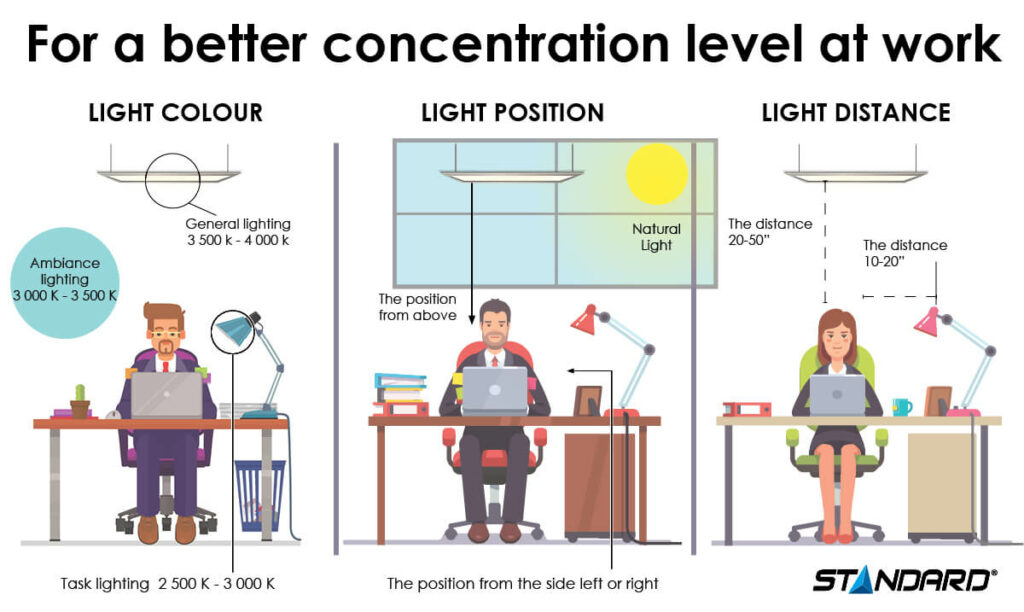
- Step 3 (Selecting the Right Bulb and Kelvin Temperature): Opt for warm LEDs ranging between 2400K and 2700K to maintain an inviting domestic atmosphere. Ensure the bulb is dimmable and possesses a high Color Rendering Index (CRI 90+) so that skin tones and fabric colors do not look washed out or artificial.
- Step 4 (Mounting and Mechanical Calibration): Secure the backplate using a level to guarantee absolute verticality. Once the fixture is mounted, test the swivel joints and adjust the internal tension screws so the arm moves fluidly without sagging or drifting under its own weight.
- Step 5 (Cord Management and Final Styling): If installing a plug-in model, install matching metallic cord covers plumbed straight down to the baseboard outlet. Style the surrounding wall space to ensure the extended arm interacts harmoniously with adjacent artwork, mirrors, or architectural moldings.
Navigating Structural Pitfalls and Spatial Miscalculations
Even the most exquisitely crafted lighting fixture can look amateurish if installed without regard for basic mechanical and spatial constraints. One of the most common errors is underestimating the physical leverage of an extended arm. Homeowners frequently mount lightweight fixtures into standard drywall using plastic anchors, ignoring the fact that pulling a two-foot brass arm outward a hundred times a year creates a shearing force that will inevitably chew through the gypsum board and leave the fixture dangling.
Another frequent misstep is poor switch placement. A swing arm sconce that requires the user to stand up and grope behind the shade to find a tiny toggle switch on the backplate defeats the ergonomic purpose of adjustable lighting. Always look for fixtures with integrated dimmer knobs on the backplate itself, or pair hardwired models with a low-voltage wall dimmer positioned within arm’s reach of the bed or sofa.
Scale is yet another silent design killer. Installing a delicate, pencil-thin swing arm sconce next to a massive, chunky leather Chesterfield sofa results in a jarring visual imbalance where the light looks fragile and lost. Conversely, a heavy, industrial cast-iron arm over a petite velvet boudoir chair overwhelms the furniture. Match the visual weight of the fixture’s metal gauge and shade diameter to the surrounding furniture mass.
Finally, pay close attention to glare management. Modern LED bulbs are intensely directional. If a swing arm fixture uses a transparent glass shade or lacks an internal reflector, the bare diode can blind anyone sitting nearby. Ensure the shade depth is sufficient to recess the bulb completely when the arm is pushed flat against the wall, or choose frosted and opal diffusers to soften the luminous intensity.
The Broader Impact of Kinetic Lighting on Domestic Well-Being
The resurgence of articulating wall lighting points to a much deeper shift in how we inhabit our homes. For generations, domestic architecture favored static, permanent solutions—fixed recessed cans, immovable chandeliers, and floor lamps that constantly tripped up vacuum cleaners and children. Kinetic lighting introduces a sense of agency, allowing the inhabitant to physically manipulate their environment in real time based on their immediate psychological and physical needs.
Economically and sustainably, investing in high-end, repairable lighting fixtures represents a direct rejection of disposable, fast-furniture culture. A solid brass swing arm sconce built with replaceable sockets, standard medium-base sockets, and durable mechanical joints can easily last for decades, outliving multiple rounds of sofa upholstery and wall paint. It is an heirloom-quality object that reduces landfill waste while offering superior energy efficiency through modern LED integration.
From a psychological perspective, localized lighting alters our perception of space. By creating pools of high-intensity illumination surrounded by deep shadow, swing arm sconces carve out intimate micro-environments within cavernous rooms. This interplay of light and dark lowers cortisol levels, signals the brain to wind down as evening approaches, and fosters a profound sense of sanctuary in an increasingly hyper-connected, over-illuminated world.
Designing for Longevity: Key Takeaways for Modern Interiors
To successfully integrate modern swing arm sconces into your living spaces, you must treat them as functional architecture rather than mere decorative accessories. The marriage of mechanical engineering and poetic form requires careful attention to detail at every stage of the design process.
- Prioritize Mechanical Integrity: Never compromise on the quality of the swivel joints and mounting hardware; solid brass or heavy steel prevents sagging and ensures long-term durability under daily wear.
- Match Scale to Ergonomics: Align the vertical placement and arm reach with the specific human activities taking place below—reading, working, or relaxing—ensuring comfort without intrusive glare.
- Embrace Warm, High-CRI Illumination: Use dimmable LED sources between 2400K and 2700K with a CRI of 90 or higher to maintain authentic color rendering and a cozy domestic atmosphere.
- Plan the Infrastructure Early: Coordinate hardwired junction boxes and stud reinforcement during the framing or renovation phase to eliminate unsightly cords and secure heavy fixtures permanently.
The modern swing arm sconce reminds us that the best design solutions are those that respect the tactile, physical nature of human existence. In an age dominated by touchscreens, voice-activated automation, and invisible digital controls, there is a profound, grounding pleasure in reaching out, grasping a cool brass rod, and physically pulling a beam of warm light exactly where you need it to be.
As interior architecture continues to evolve toward maximum adaptability, these kinetic fixtures will only grow more essential. They prove definitively that we do not have to choose between the clean architectural discipline of minimalist walls and the messy, beautiful reality of a life well-lived. By bridging the gap between structure and motion, the swing arm sconce secures its place as an enduring staple of thoughtful, human-centric design for years to come.