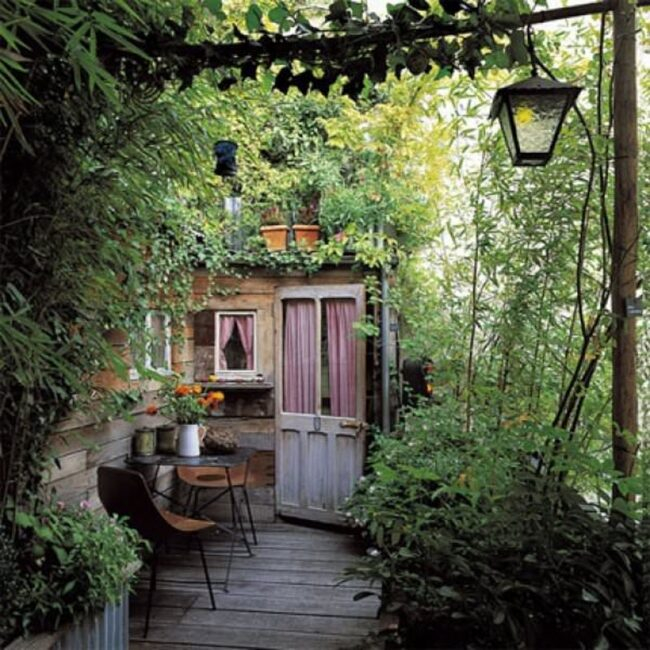
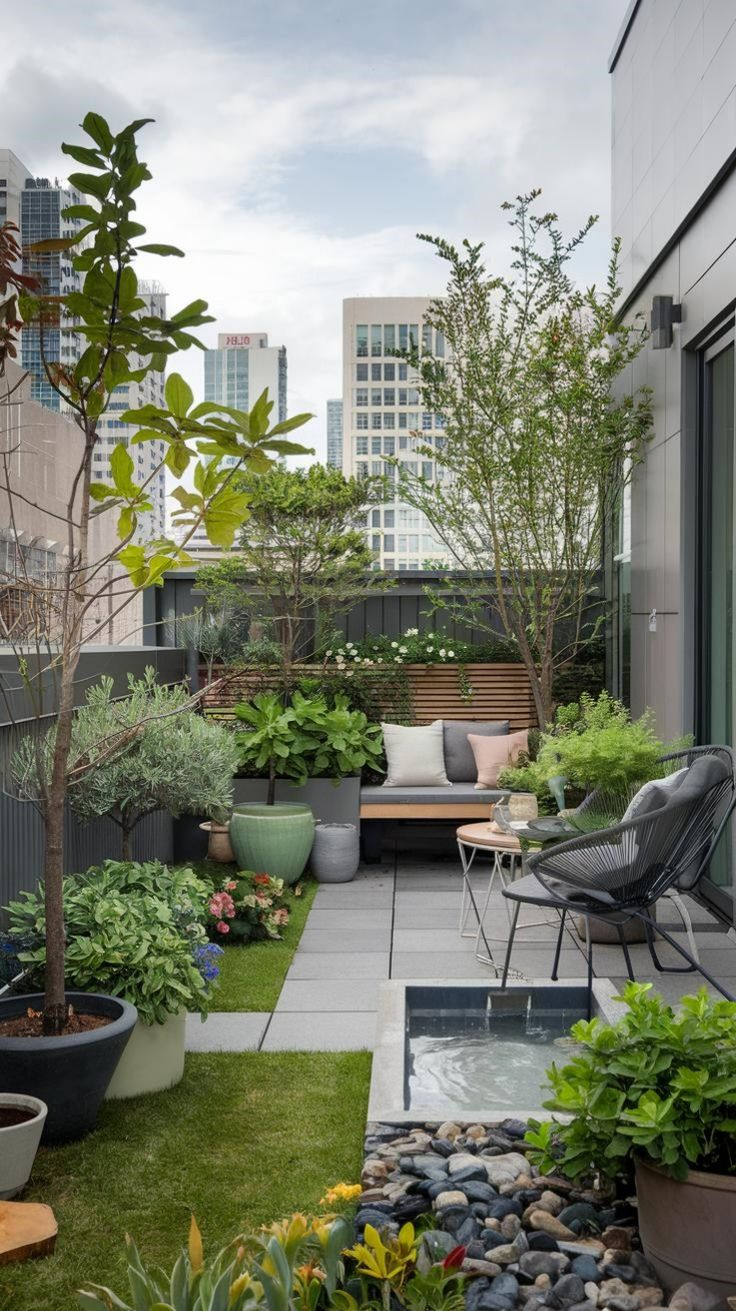
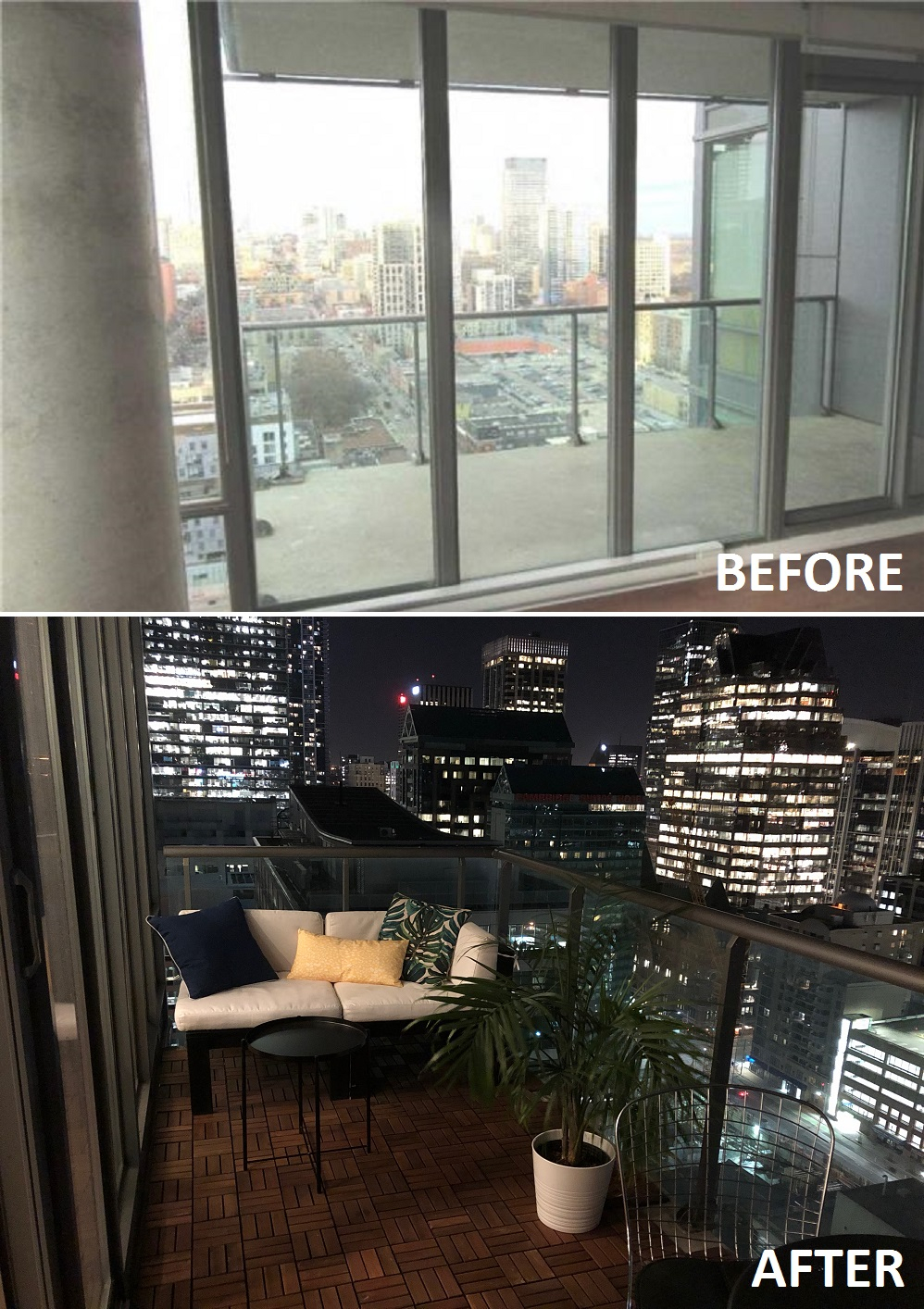
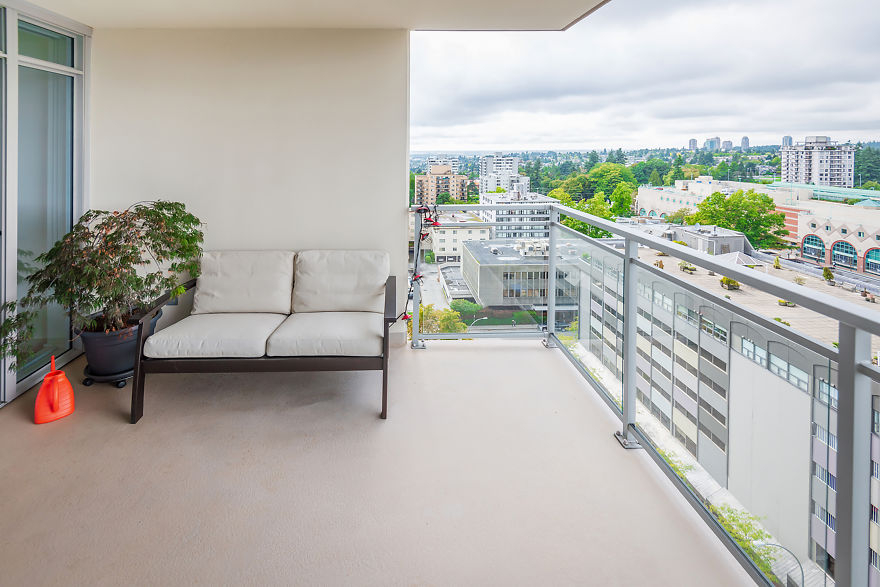
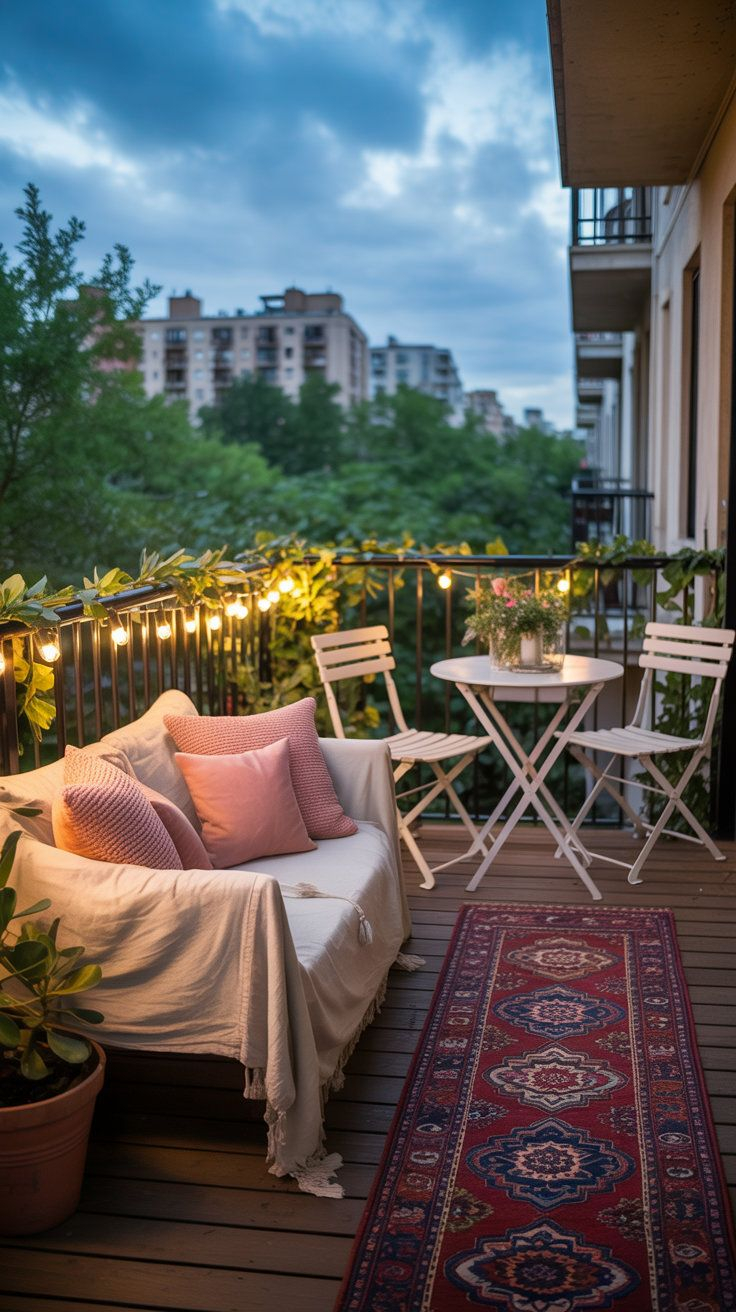
The morning air three stories above downtown tastes faintly of exhaust and hot asphalt, yet two steps past the sliding glass door, the sensory world shifts dramatically. Soil, damp and rich with mycorrhizal fungi, overpowers the city grit. A bumblebee investigates a pot of blooming purple sage wedged precariously against a wrought-iron railing, while a dense curtain of trailing nasturtiums filters the harsh glare of the morning sun. This is not a sprawling suburban yard or a community plot down the street; it is a four-by-eight-foot concrete slab hanging off the side of a rental apartment.
For decades, urban architecture treated the balcony as an afterthought—a decorative concrete shelf meant for storing bicycle tires, broken drying racks, and forgotten recycling bins. City dwellers accepted a view dominated by brick facades and flickering neon, mourning the loss of dirt beneath their fingernails as an inevitable casualty of modern lease agreements. But a quiet, persistent rebellion has taken root across our concrete jungles. Armed with lightweight potting mixes, modular trellises, and an uncanny knack for geometric problem-solving, urban gardeners are reclaiming these narrow elevations.
What began as a pandemic-era coping mechanism has matured into a sophisticated design discipline by 2026. Transforming these miniature footprints into breathing ecosystems requires more than simply buying a few potted geraniums at the local big-box hardware store. It demands an intimate understanding of microclimates, structural engineering limits, and wind physics at high elevations. Urban gardening on a tiny balcony is a masterclass in compromise, creativity, and ecological determination, proving that a lack of square footage is merely an invitation to think vertically.
Decoding the Microclimate of the Elevated Concrete Box
Balconies are extreme environments. While a gardener on the ground deals with stable soil temperatures and predictable ground-level airflow, a balcony gardener wages war against artificial wind tunnels, radiant heat from surrounding masonry, and erratic sun patterns. Concrete slabs absorb solar radiation all day and reradiate that heat long after sunset, cooking plant roots from below if containers lack proper insulation or elevation. Understanding these hostile atmospheric conditions is the absolute baseline for survival.
Wind is often the silent assassin of balcony horticulture. As air currents hit towering apartment buildings, they compress and accelerate around corners and through narrow gaps, turning a modest breeze into a destructive force capable of snapping delicate stems and blowing over top-heavy terracotta pots. A successful urban sanctuary must incorporate wind-breaking strategies, whether through slatted bamboo screens that filter gusts rather than blocking them entirely—which creates dangerous turbulence—or by anchoring heavy planters securely to structural rails.
Sunlight exposure is equally fickle. A balcony facing dead south might experience blazing, desert-like conditions for ten hours a day, scorching tender greens and evaporating precious soil moisture within a single afternoon. Conversely, a north-facing city nook might linger in perpetual shadow, bouncing reflected light off neighboring windows just enough to confuse shade-loving ferns. Mapping these light vectors across different seasons is non-negotiable. The patch of sun that nourishes tomatoes in June might vanish entirely behind an adjacent skyscraper by late August, necessitating a nimble, mobile plant layout that shifts with the shifting solar calendar.
Water management introduces another layer of complexity. Hand-watering plants on an elevated platform requires carrying heavy watering cans through the living room or rigging precarious drip-irrigation lines from an indoor sink faucet. Furthermore, runoff management is a delicate diplomacy game with downstairs neighbors. No one wants their morning coffee ruined by dirty drainage water cascading from the floor above. Installing saucer-less self-watering reservoirs or strategic catch-trays prevents inter-floor friction while ensuring that roots absorb moisture efficiently through capillary action rather than superficial top-soaking.
Navigating Structural Load Limits and Weight Distribution Realities
Before hanging a single window box or hauling bags of compost upstairs, every urban gardener must confront an unsexy, highly critical reality: structural load limits. Balconies are engineered to support a specific weight per square foot, usually governed by local building codes for live loads like people and furniture. When you start stacking heavy ceramic pots, wet topsoil, wooden decking tiles, and water reservoirs, those pounds add up terrifyingly fast. A cubic foot of saturated potting soil can weigh upwards of seventy pounds, turning a cluster of decorative containers into a localized weight disaster waiting to happen.
Mitigating this risk begins with material choices. Heavy terracotta, stone, and glazed ceramics should be reserved strictly for low-profile base anchoring or abandoned entirely in favor of high-density polyethylene, fiberglass composites, fabric grow bags, and lightweight resin containers. Fabric grow bags, in particular, have revolutionized small-space gardening; they weigh practically nothing when empty, cost a fraction of traditional planters, and provide superior root pruning through air-aeration, which prevents plants from becoming root-bound in tight quarters.
Weight distribution matters just as much as total weight. Clustering all heavy elements against the outer railing creates an unnecessary cantilevered stress point on the balcony’s cantilevered slab. Smart designers distribute weight evenly, placing heavier elements closer to the building’s main structural wall where the cantilever physics are most forgiving. Utilizing vertical ladder shelves or tiered plant stands shifts the mass upward and inward rather than outward, keeping the center of gravity stable and safe.
Balcony flooring also plays a hidden role in weight and safety calculations. Interlocking wooden deck tiles look stunning and hide ugly concrete, but they can trap moisture underneath, rotting the wood and creating a slip hazard if drainage channels clog with fallen leaves and organic debris. Opting for lightweight, rot-resistant composite tiles elevated on plastic drainage grids allows air to circulate underneath, preventing mold growth while keeping overall loads well within safe engineering thresholds for rental properties.
Blueprinting Your Vertical Urban Oasis Step by Step
Designing a functional, thriving balcony garden out of an empty concrete box is a deliberate exercise in spatial architecture. Every inch must earn its keep, serving multiple sensory, aesthetic, or ecological purposes without making the space feel claustrophobic or cluttered.
- Step 1 (Sunlight and Wind Audit): Spend at least three consecutive days observing your balcony at different hours. Document exact hours of direct sunlight, note wind intensity during peak weather windows, and identify structural anchor points like sturdy railings or masonry walls.
- Step 2 (Structural Load Calculation): Check your lease agreement or building management code for weight restrictions. Design a layout that relies on lightweight materials like fabric grow bags, resin pots, and vertical wall pockets to keep total weight safely under structural thresholds.
- Step 3 (Building the Vertical Infrastructure): Mount vertical garden elements before placing any floor-standing pots. Install wall-mounted trellises, tension rods, or magnetic hanging bars to lift foliage off the floor, preserving precious square footage for seating or movement.
- Step 4 (Soil and Hydration Setup): Mix a custom lightweight potting medium using perlite, peat moss, or coco coir rather than dense garden soil. Install self-watering sub-irrigated planters or a low-profile drip irrigation system connected to an indoor adapter to streamline maintenance.
- Step 5 (Plant Selection and Staggering): Choose plants tailored to your specific microclimate—drought-tolerant Mediterranean herbs for blistering south-facing exposures, or lush hostas and ferns for shaded nooks. Arrange plants in cascading tiers, placing tall climbing vines at the back and low-growing ground covers or trailing flowers at the front.
Avoiding Common Structural and Horticultural Traps
Even seasoned gardeners moving from suburban plots to high-rise balconies stumble into predictable traps. Urban environments do not forgive horticultural hubris, and a small mistake that would be a minor inconvenience in a large yard can spell total disaster on a third-floor ledge.
- Pitfall 1 (Underestimating Wind Shear): Placing tall, top-heavy plants like standard tomatoes or dwarf fruit trees in lightweight plastic pots without ballast. Workaround: Anchor tall containers to railing posts using heavy-duty zip ties or place heavy stones at the bottom of fabric bags to lower the center of gravity.
- Pitfall 2 (Ignoring Drainage Runoff Etiquette): Letting pots drain directly onto the bare concrete, staining the floor and splashing dirty water onto the balcony below. Workaround: Always pair pots with snug saucer trays or use self-watering planters equipped with internal reservoirs and sealed overflow ports.
- Pitfall 3 (Overcrowding the Floor Plan): Filling every square inch of the balcony floor with pots, leaving no room for a chair, watering access, or comfortable airflow. Workaround: Strictly adhere to the "rule of thirds"—leave two-thirds of the floor completely open to maintain visual spaciousness and physical maneuverability.
- Pitfall 4 (Using Dense Garden Soil): Scooping heavy topsoil or backyard dirt into containers, which compacts into concrete-like blocks and overloads weight limits. Workaround: Always use an airy, sterile, soilless potting mix formulated specifically for container cultivation to ensure proper oxygen exchange for roots.
- Pitfall 5 (Neglecting Seasonal Rotation): Treating the balcony layout as a permanent, static installation that fails as weather patterns change. Workaround: Design a modular setup using rolling plant caddies and lightweight containers so you can easily shift plants indoors during harsh frost warnings or intense summer heatwaves.
The Broader Ecological and Psychological Impact of High-Rise Greenery
Beyond aesthetics and fresh culinary herbs, turning a tiny balcony into a living sanctuary yields profound psychological and ecological dividends. In an era dominated by relentless digital connectivity and urban density, having a patch of living nature just beyond a glass door acts as a vital mental decompression chamber. Environmental psychologists refer to this as attention restoration theory; simply stepping outside to water a cluster of fragrant lavender or observe a visiting pollinator lowers cortisol levels and resets human cognitive fatigue in minutes.
On a macro level, thousands of micro-balcony gardens operating across a city act as critical stepping-stone habitats for urban wildlife. Native bees, butterflies, and migrating birds desperately navigate vast concrete deserts where food and shelter are scarce. By planting nectar-rich species like coneflowers, bee balm, and butterfly weed in elevated containers, urban gardeners create vertical feeding stations that stitch fragmented natural corridors back together across city skylines. A high-rise balcony on the twelfth floor might host a weary monarch butterfly looking for a refueling station, proving that conservation is no longer restricted to rural nature reserves.
Furthermore, the act of cultivating food in small spaces fosters a hyper-local relationship with sustainability. Harvesting cherry tomatoes, crisp radishes, and fistfuls of basil steps away from your kitchen counter cuts food miles down to zero and reconnects urban consumers with the biological reality of food production. It turns passive city residents into active stewards of living systems, cultivating patience, observation skills, and a tactile appreciation for natural cycles that concrete architecture often tries to erase.
Cultivating Lasting Success Through Resilient Design Principles
Achieving a flourishing balcony oasis is less about having a natural "green thumb" and more about establishing robust systems that run smoothly even when life gets hectic. The most successful urban sanctuaries are built on principles of resilience, efficiency, and adaptability. This means selecting resilient plant varieties—such as hardy perennial herbs, compact dwarf vegetable cultivars, and tough-as-nails succulents—that tolerate occasional neglect without perishing overnight.
Maintenance should feel like a ritual of mindfulness rather than an exhausting chore. Streamlining the watering process through automated timers or self-watering wicks prevents plant loss during weekend getaways or busy work weeks. Investing in quality, ergonomic tools sized specifically for tight spaces—such as long-spouted watering cans and precision pruning snips—makes routine upkeep seamless and enjoyable.
Ultimately, your balcony garden is a living, breathing canvas that evolves right alongside you. It reflects your personal taste, adapts to the quirks of your architecture, and tells a story of resilience against the concrete backdrop of city life. By respecting structural limits, decoding your specific microclimate, and designing with vertical intent, even the narrowest, most sun-baked slip of concrete can become a vibrant, restorative sanctuary.
Looking out over a thriving canopy of green suspended against a skyline of steel and glass, the initial intimidation of an empty concrete slab feels like a distant memory. Balcony gardening is a reminder that nature is relentlessly opportunistic; given a handful of soil, a drop of water, and a beam of sunlight, life will find a way to claim its space.
As urban density continues to climb in the years ahead, these elevated sanctuaries will only grow more vital to our collective well-being. They challenge the rigid boundaries between the built environment and the natural world, proving that you do not need acres of land to cultivate peace, biodiversity, and beauty. Step outside, look up at your own railing, and begin sketching the blueprint for your own green escape.