You walk into a room, and before you even notice the furniture or the paint color, your feet tell you something. There’s a warmth, a solidity, or maybe a slight creak that speaks of history. Parquet isn’t just flooring; it’s a puzzle made of nature’s own art. It’s geometric, it’s bold, and frankly, it can be a bit intimidating. With so many options swirling around showrooms and Instagram feeds in 2026, how do you pick the one that won’t regret? It’s not just about what looks good in a photo. It’s about what survives your dog’s claws, your toddler’s spilled juice, and the changing seasons.
We often get caught up in the pattern—the herringbone, the chevron, the basketweave. But the soul of the floor is the wood itself. Oak might be the safe bet, but is it the right bet for your sun-drenched kitchen? Exotic woods offer drama, but will they fade into a ghost of their former selves? Let’s strip away the jargon and look at what really matters when you’re standing there, sample in hand, trying to decide the foundation of your home’s character.
Understanding the Personality of Hardness
Not all wood is created equal, and nowhere is this more obvious than in the Janka hardness test. This little number tells you how much force it takes to embed a steel ball halfway into the wood. Think of it as the wood’s toughness rating. If you have a busy household with kids running around in socks (or no socks), you need a species that can take a beating. White oak, a staple in 2026 designs, sits comfortably in the mid-range. It’s tough enough for daily life but still workable for installers.
On the other end of the spectrum, you have softwoods like pine. Sure, they develop a charming patina over time, dinging and denting with every dropped toy. Some people love that lived-in look. Others pull their hair out. If you’re the latter, steer clear. Look toward harder species like Hickory or Maple. Hickory is incredibly dense and resistant to wear, making it a powerhouse for high-traffic zones. But remember, hardness isn’t everything. It’s just one piece of the puzzle. You also have to consider how the wood reacts to moisture and temperature changes, which brings us to stability.
The Stability Factor: Will It Warp?
Wood breathes. It expands when it’s humid and shrinks when it’s dry. This movement is natural, but in a parquet design, where small pieces are fitted together tightly, excessive movement can lead to gaps or cupping. This is why stability is crucial. Some species are naturally more stable than others. Teak, for instance, is famous for its resistance to moisture, which is why it’s used on boats. It’s a great choice if you live in a coastal area or have a basement installation, though it comes with a hefty price tag.
European oak is another star player here. It tends to be more stable than its American cousin, Red Oak. In recent years, we’ve seen a surge in engineered parquet options that use a stable plywood core with a real wood veneer on top. This doesn’t mean you’re cheating. It means you’re being smart. You get the beauty of the exotic surface wood—like Walnut or Cherry—without the risk of it warping dramatically. For most homeowners in 2026, engineered parquet offers the best balance of aesthetics and practicality, especially if you’re installing over concrete slabs or radiant heating systems.
Color, Grain, and the Light Test
Imagine your favorite wood sample in the showroom. Now imagine it in your living room at 8 AM, noon, and 8 PM. The light changes everything. Cherry wood is notorious for this. It starts off a light pinkish-brown and darkens significantly over time when exposed to sunlight. If you love that deep, rich mahogany look eventually, Cherry is your friend. If you want consistency, it might drive you crazy. Walnut is another dark beauty, but it holds its color better, offering a sophisticated, moody vibe that’s very on-trend right now.
Grain pattern is equally important. Oak has a prominent, open grain that adds texture and character. It hides scratches well because the grain itself distracts the eye. Maple, by contrast, has a subtle, closed grain. It looks sleek and modern, almost uniform. But that smoothness means every scratch and dent shows up like a beacon. If you go with Maple, be prepared for a pristine environment or embrace the imperfections as part of the story. Always ask for large samples, not just tiny chips. Lay them on your actual floor. Watch them for a few days. See how they interact with your walls and your light.
Sustainability and Ethical Sourcing
In 2026, we can’t talk about wood without talking about where it comes from. The era of ignoring the environmental impact is over. When choosing your species, look for certifications like FSC (Forest Stewardship Council) or PEFC. These labels ensure the wood was harvested responsibly, supporting forest health and local communities. Reclaimed wood is another fantastic option. It has history, character, and zero new trees were cut down for it. Plus, old-growth timber from reclaimed sources is often denser and more stable than new growth.
Be wary of exotic woods that aren’t certified. Some species are endangered or harvested illegally. While that Brazilian Ipé might look stunning, the cost to the ecosystem is too high. Stick to domestic species or well-managed imports. American Black Walnut, White Oak, and Hard Maple are all abundant and sustainably managed in North America. They offer beauty without the guilt. And let’s be honest, local wood often has a lower carbon footprint because it hasn’t traveled halfway around the world to get to your doorstep.
Maintenance: The Reality Check
Let’s get real for a second. No floor is maintenance-free. But some woods demand more love than others. Open-grained woods like Oak can trap dirt if not sealed properly. A good quality polyurethane or oil finish is essential. Oil finishes penetrate the wood and enhance the grain, giving a natural matte look. They’re easier to spot-repair if you get a scratch, but they need re-oiling every few years. Polyurethane sits on top, creating a hard shell. It’s more durable against spills and stains but harder to fix invisibly if damaged.
Dark woods show dust and pet hair more easily than light woods. If you hate vacuuming, maybe skip the dark Ebony stain. Light woods like Ash or Blonde Oak hide dust better but show dark scuff marks. Consider your cleaning habits. Are you a weekly mop-and-go person, or do you treat your floors like museum pieces? Your answer should guide your choice. Also, think about refinishing. Solid wood parquet can be sanded and refinished multiple times. Engineered parquet has a thinner wear layer, so it can only be refinished once or twice, if at all. Plan for the long haul.
The sticker price per square foot is just the beginning. Installation costs for parquet are higher than for standard plank flooring because of the labor-intensive pattern work. Complex patterns like Versailles or intricate chevrons require skilled craftsmen. Don’t skimp on installation. A bad install can ruin even the most expensive wood. Factor in the cost of acclimation time, subfloor preparation, and finishing. Sometimes, choosing a slightly less expensive wood species allows you to invest more in a better installer or a higher quality finish, which pays off in longevity.
Also, consider the resale value. Neutral tones and classic species like Oak appeal to the broadest range of buyers. If you go with a very trendy or unusual wood, you might limit your pool of potential buyers later. That doesn’t mean you shouldn’t express your style. It just means balancing personal taste with market reality. In 2026, buyers are looking for quality and durability. A well-maintained parquet floor, regardless of species, is a selling point. It signals care and attention to detail. Just make sure the wood you choose fits your budget not just today, but for the next decade of maintenance and care.
Choosing the right wood for your parquet floor is a journey, not just a purchase. It’s about listening to your home, your lifestyle, and your own aesthetic instincts. There’s no single "best" wood. There’s only the best wood for you. Take your time. Touch the samples. Imagine the years ahead. Whether you choose the rugged charm of Hickory, the timeless elegance of Oak, or the rich depth of Walnut, make sure it’s a choice that brings you joy every time you walk across it. After all, it’s the stage for your life’s everyday moments. Make it count.
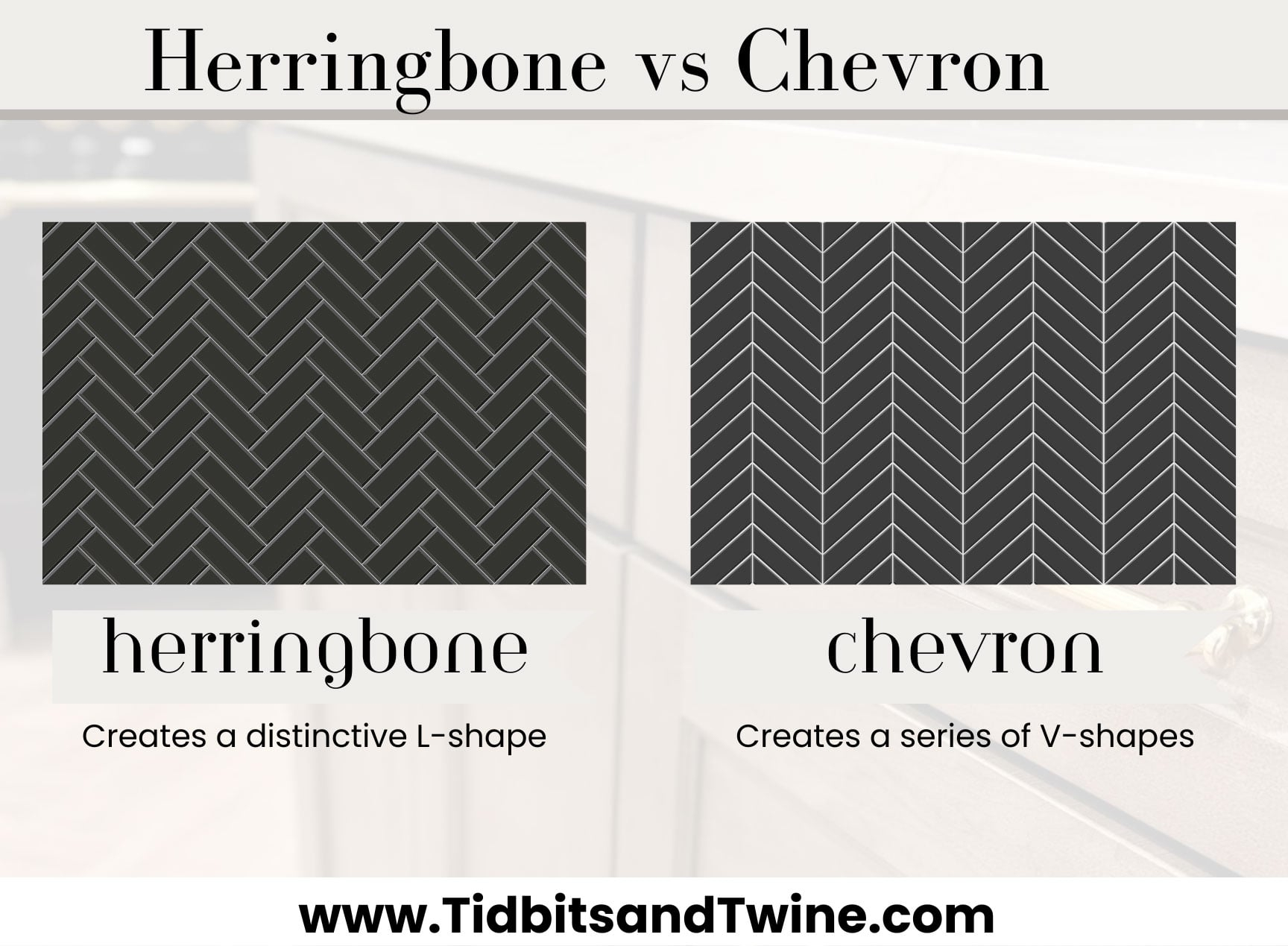
[sps_html tag=”img” src=”https://cdn.northcarolinafinearchitecture.com/2026/06/herringbone-vs-chevron-which-pattern-fits-your-style-best-a-house-in-with-regard-to-parquet-flooring-design.png” alt=”Herringbone Vs Chevron: Which Pattern Fits Your Style Best - A House In … with regard to Parquet Flooring Design” style=”width: 100%; height: auto;”]
[sps_html tag=”img” src=”https://cdn.northcarolinafinearchitecture.com/2026/06/herringbone-patterns-for-timeless-elegance-stock-illustration-inside-parquet-flooring-design.jpg” alt=”Herringbone Patterns For Timeless Elegance Stock Illustration … inside Parquet Flooring Design” style=”width: 100%; height: auto;”]
[sps_html tag=”img” src=”https://cdn.northcarolinafinearchitecture.com/2026/06/herringbone-vs-chevron-flooring-guide-decoding-the-timeless-elegance-regarding-parquet-flooring-design.jpg” alt=”Herringbone Vs. Chevron Flooring Guide: Decoding The Timeless Elegance regarding Parquet Flooring Design” style=”width: 100%; height: auto;”]
[sps_html tag=”img” src=”https://cdn.northcarolinafinearchitecture.com/2026/06/chevron-vs-herringbone-pattern-design-choices-for-modern-spaces-for-parquet-flooring-design.jpg” alt=”Chevron Vs Herringbone Pattern: Design Choices For Modern Spaces for Parquet Flooring Design” style=”width: 100%; height: auto;”]
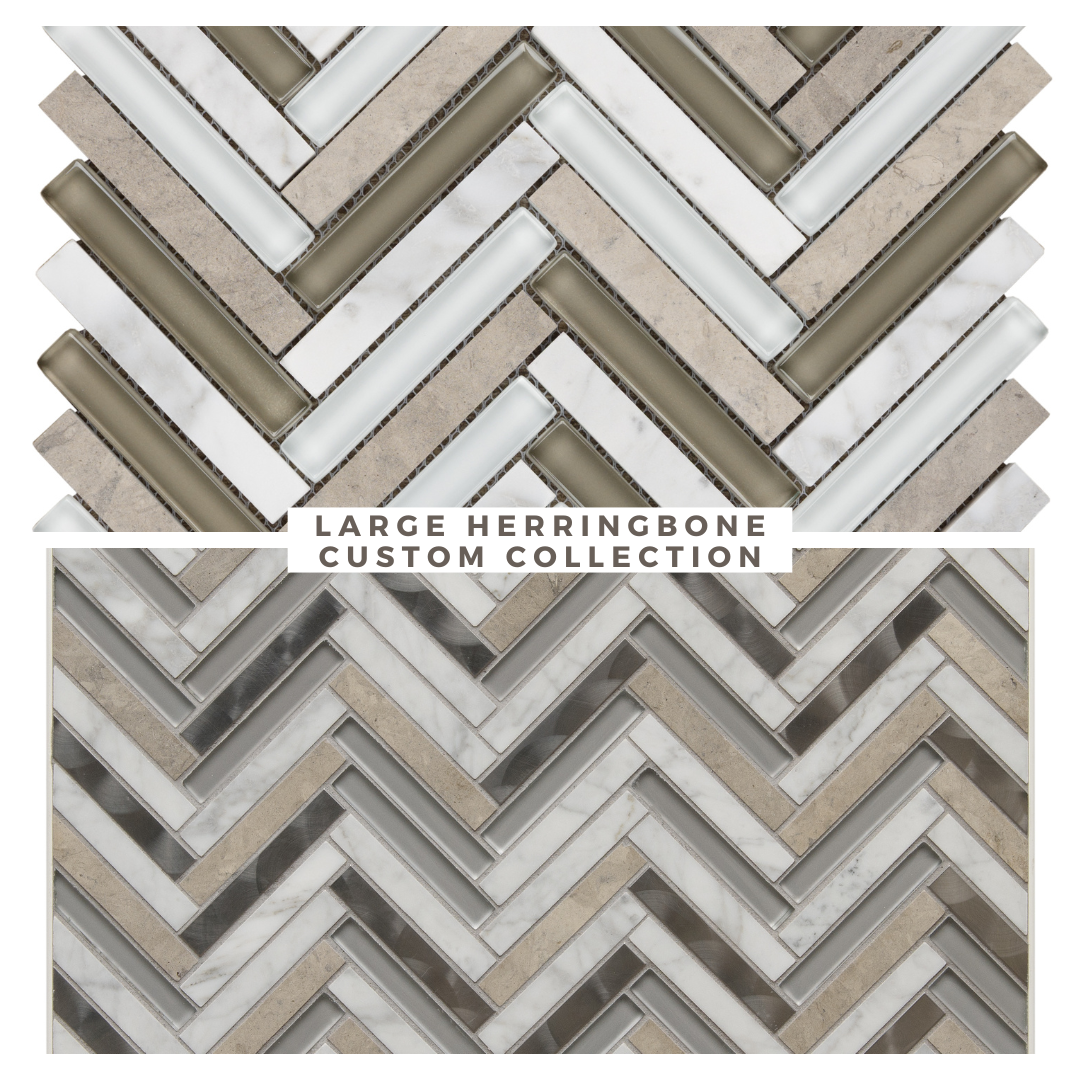
[sps_html tag=”img” src=”https://cdn.northcarolinafinearchitecture.com/2026/06/upgrade-your-space-with-the-timeless-elegance-of-our-custom-herringbone-throughout-mastering-the-art-of-herringbone-and-chevron-patterns-for-timeless-elegance.png” alt=”Upgrade Your Space With The Timeless Elegance Of Our Custom Herringbone … throughout Mastering the Art of Herringbone and Chevron Patterns for Timeless Elegance” style=”width: 100%; height: auto;”]