The afternoon light cuts across the wide-plank oak floorboards, illuminating two entirely different worlds colliding on a single twelve-foot quartz countertop. On the left, a bank of handleless, matte-lacquer cabinetry sits completely flush against the wall, hiding every appliance, spice jar, and electrical outlet behind unbroken planes of soft alabaster. On the right, a heavy cast-iron Dutch oven sits upon a century-old butcher block island, flanked by open shelving displaying mismatched earthenware bowls collected from flea markets across the continent. There is no visual clutter, yet the room refuses to feel sterile. It breathes. It has a pulse.
Most modern kitchen renovations force homeowners into an exhausting false dichotomy. You are either handed a hyper-sanitized catalog of Scandinavian clinical minimalism—where every toaster is banished and every edge is razor-sharp—or you are funneled into a rustic farmhouse pastiche that feels heavy, dark, and suffocatingly crowded with nostalgic props. The reality of how people actually live requires a far more nuanced approach. We need the cognitive calm of uncluttered surfaces to cook and process information efficiently at the end of a long day, but we also crave the emotional anchor of heritage, patina, and personal history.
Achieving this synthesis is not about blindly compromising or splitting the difference down the middle. It is an exercise in intentional contrast. When sleek, uninterrupted geometry meets raw, historic textures, something remarkable happens to the architecture of the room. The clean lines provide a silent canvas, allowing the authentic character of aged wood, hand-forged metal, and heirloom ceramics to step forward and command attention without overwhelming the senses.
The Architectural Anatomy of Visual Quietude
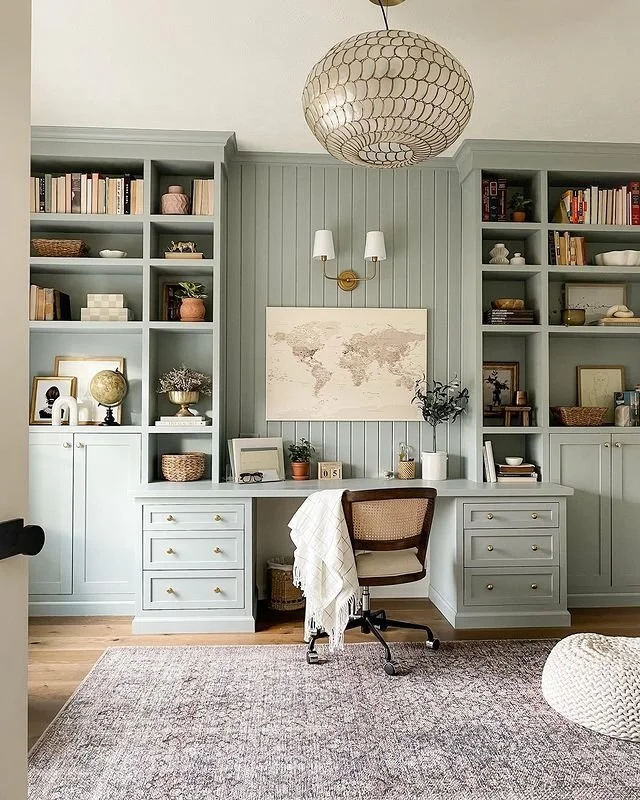
Minimalism in a kitchen layout begins long before the first cabinet door is chosen; it starts with the suppression of visual noise. The human brain processes clutter as a low-grade background stressor, a neurological reality that explains why walking into a chaotic cooking space instantly spikes cortisol levels. To achieve visual quietude, we rely on the containment of utility. Perimeter walls become uninterrupted planes, often achieved through full-height, push-to-open cabinetry or continuous vertical panels that conceal refrigerator columns and pantries. By eliminating visual interruptions like protruding hardware, erratic cabinet heights, and exposed small appliances, the perimeter recedes into the background.
This quiet backdrop serves a vital functional purpose. When the perimeter is visually muted, the room’s core operational zones—the prep station, the cooking hearth, the social island—can breathe. The minimalist approach demands that every remaining visible element justifies its presence through either supreme utility or profound emotional resonance. Countertops are cleared of knife blocks and utensil crocks, not because cooking doesn’t happen there, but because the workspace is designed with deep drawers outfitted with custom wooden peg systems that house tools out of sight.
Yet, pure minimalism risks looking like an architectural rendering that forgot human beings live inside it. The antidote lies in how the minimalist shell is constructed. Instead of synthetic laminates or high-gloss plastics that reflect light harshly, the minimalist framework should be executed in honest, matte materials. Micro-cement plaster walls, honed limestone slabs, and flat-panel cabinets finished in ultra-matte, anti-fingerprint lacquers absorb light rather than bouncing it erratically. This creates a soft, enveloping envelope—a modern womb of calm—that prepares the eye to appreciate the warmer, more tactile elements layered within the space.
Weaving the Threads of Heritage and Human History
While simplicity provides the canvas, heritage provides the soul. A kitchen devoid of historical markers feels temporary, like a hotel suite where nobody has ever baked a loaf of bread. Heritage in interior design is not about recreating a museum-period colonial kitchen; it is about honoring craftsmanship, materiality, and the passage of time. It is the visible grain of quarter-sawn white oak that has been fumed and hand-rubbed with natural oils, or the slight waviness in antique glass cabinet inserts that distorts the afternoon light in unpredictable ways.
Introducing heritage requires a deliberate shift away from factory-perfect perfection. We look for materials that improve with age rather than degrading. Unlacquered brass plumbing fixtures, for instance, begin their lives with a bright, golden sheen, but within months of daily handling, they develop a rich, living patina. The oils from human hands darken the recesses while the high points polish bright, recording the physical history of the home’s inhabitants. This is the exact opposite of the disposable, fast-design culture that dominates modern big-box retail.
Furthermore, heritage can be integrated through structural salvage and artisanal tilework. Incorporating a salvaged pine ceiling beam, a reclaimed soapstone sink sourced from an old industrial building, or handmade zellige tiles with their signature edge variations and pooling glazes immediately injects a sense of permanence. These elements carry a narrative weight. They remind us that human hands shaped them, bridging the gap between the hyper-efficient ergonomics of the twenty-first century and the timeless traditions of domestic hearth-keeping.
Methodical Integration of Form and Function
Balancing these two disparate design philosophies requires a disciplined, step-by-step approach to spatial planning and material selection. Skipping a phase or over-indexing on one style will instantly throw the entire room out of equilibrium.
- Step 1 (Establish the Minimalist Envelope): Define your perimeter cabinetry and large volume appliances using flat-panel, handleless designs finished in matte, neutral tones (such as chalk, warm greige, or deep charcoal) to eliminate visual clutter and maximize perceived spatial volume.
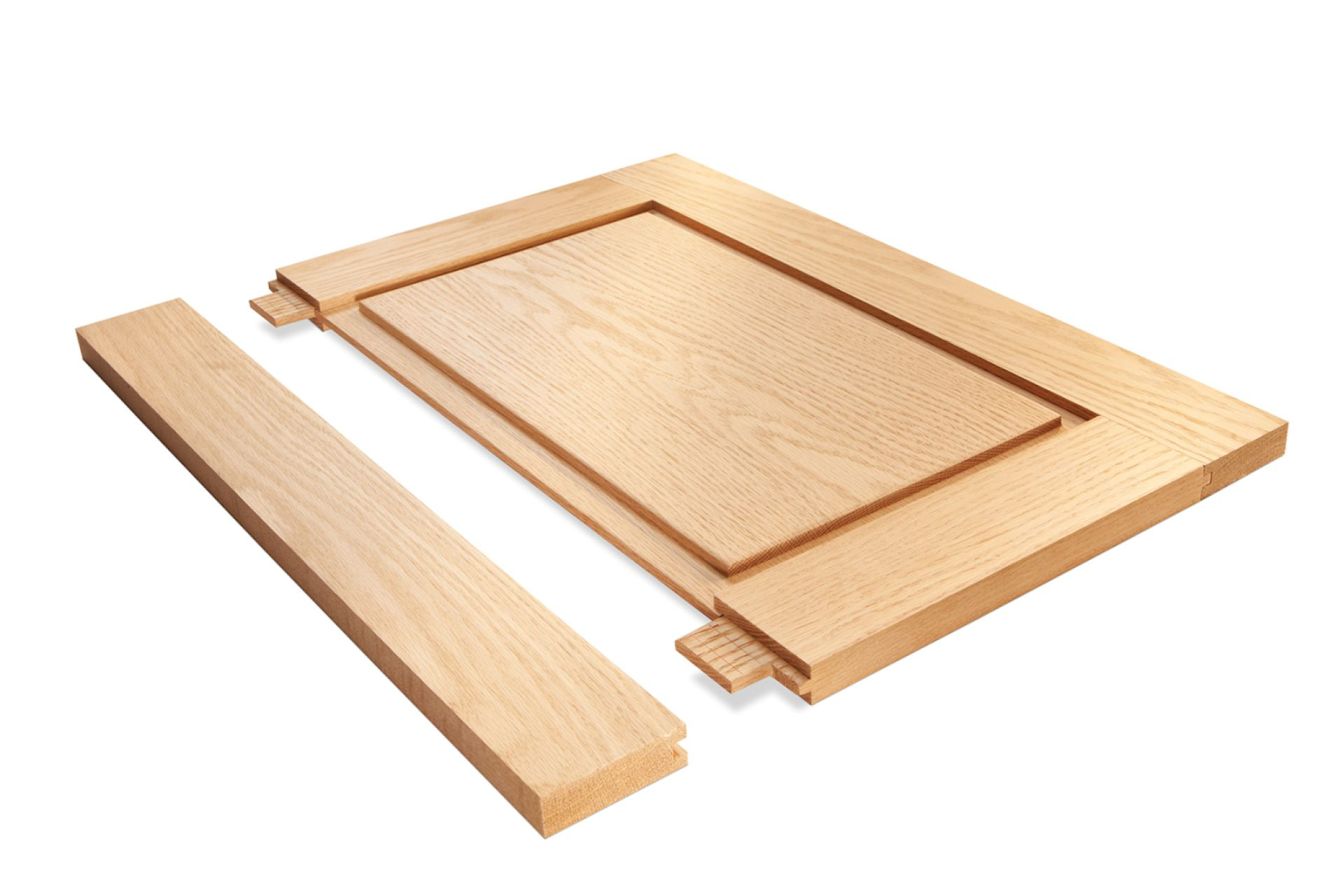
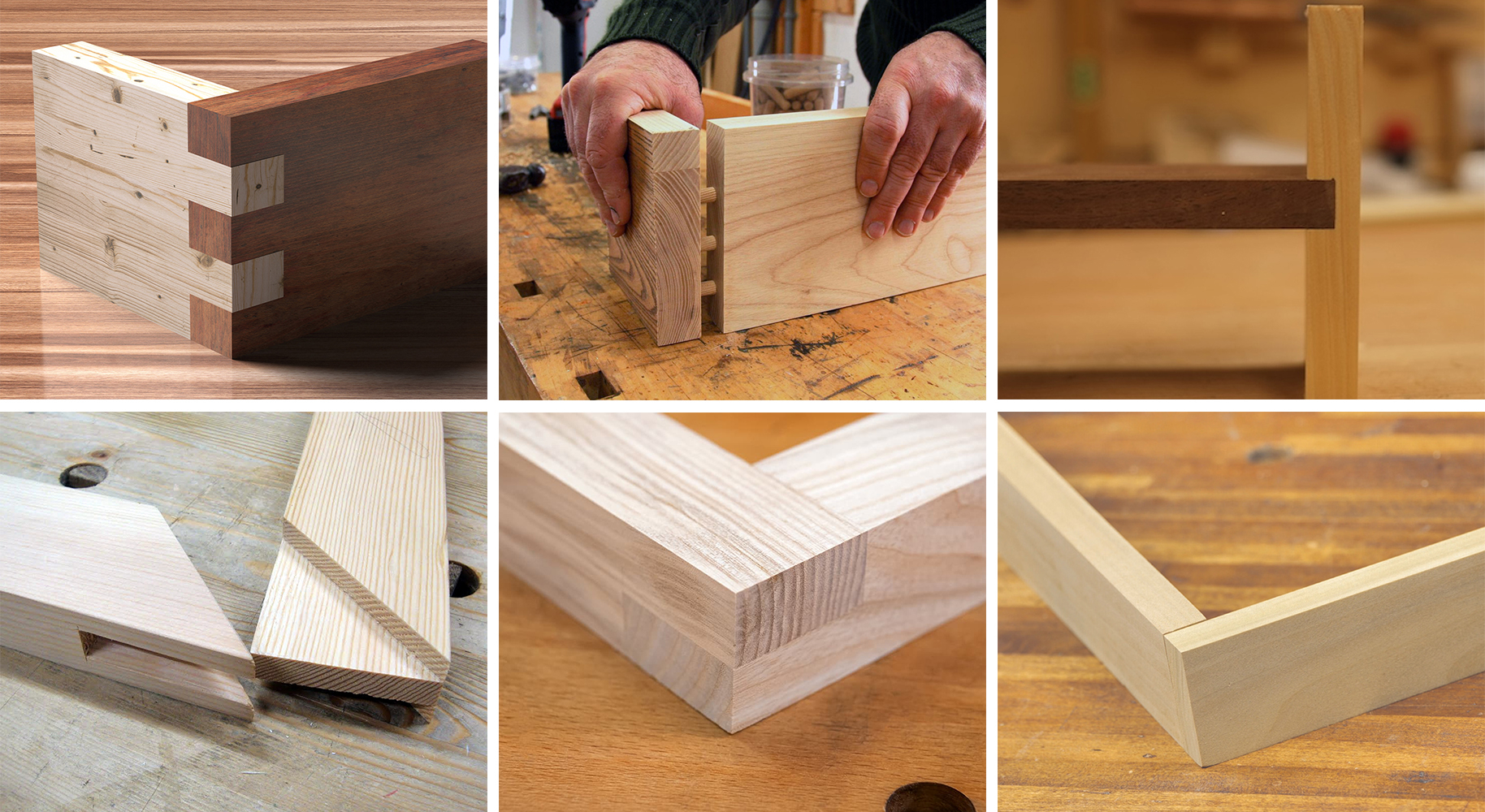
- Step 2 (Anchor the Space with a Heritage Island): Designate the central island as the architectural counter-weight, constructing it from warm, tactile materials like reclaimed timber, distressed soapstone, or vintage furniture-style joinery to serve as the visual and functional heart of the room.
- Step 3 (Curate the Display of Utility): Select one specific zone—such as a single open shelf or a shallow plate rack—to exhibit heritage objects like copper stockpots, heirloom cast iron, or handmade ceramics, ensuring these items are actively used rather than kept as static decor.
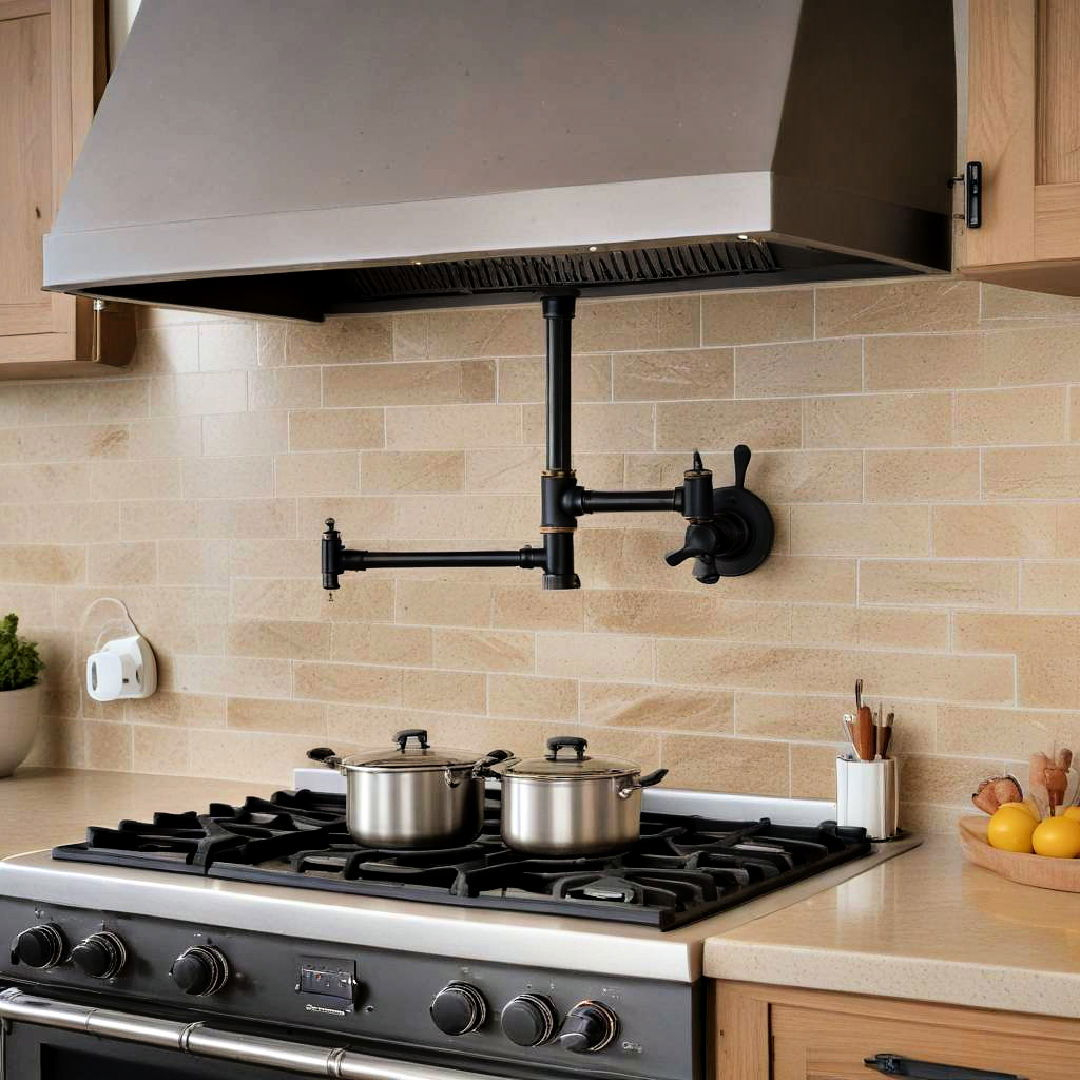
- Step 4 (Layer Muted, Living Metals): Choose hardware and plumbing fixtures crafted from unlacquered brass, living copper, or blackened iron that will naturally oxidize and patina with daily use, bridging the gap between modern clean lines and historic warmth.
- Step 5 (Calibrate Architectural Lighting): Install a layered lighting scheme combining concealed, shadowless LED task lighting for prep work with warm, dimmable overhead pendants and picture lights that highlight the rich textures of historic wood and stone surfaces.
Navigating Structural Traps and Styling Missteps
The most common failure in attempting this design balance is falling into the trap of pastiche—treating "heritage" as a costume rather than an authentic expression of material honesty. Homeowners often try to force vintage elements into spaces where they make zero architectural sense, such as installing heavily carved French provincial corbels underneath a razor-thin, cantilevered modern quartz waterfall island. The result is visual whiplash, where neither style is allowed to speak with authority because they are awkwardly shouting over one another.
Another frequent pitfall is the misuse of open shelving. In an attempt to showcase heritage pottery and wooden boards, homeowners often line entire walls with open shelves. Within weeks, grease from cooking settles on the objects, and the display devolves from curated warmth into chaotic visual clutter that defeats the minimalist baseline. The practitioner workaround is strict curation: limit open storage to a maximum of ten to fifteen percent of your total storage footprint, keeping the rest safely behind flush, easy-to-clean doors.
Material scale and proportion also demand rigorous attention. Minimalist architecture relies on heavy, uninterrupted horizontal planes and precise shadow gaps. If you introduce heritage elements that are too fussy, small, or ornate—like Victorian gingerbread trim or delicate spindle-work—they will look petty and cheap against large, monolithic minimalist surfaces. Instead, opt for heritage elements with robust, honest proportions: thick chopping blocks, wide floorboards, and heavy iron brackets that can hold their own against expansive sheets of glass or smooth plaster.
The Long-Term Economics and Emotional Return of Timeless Spaces
Designing a kitchen that marries minimalist simplicity with warm heritage is not merely an aesthetic choice; it is a profound investment in longevity and psychological well-being. Trend-driven kitchens—characterized by aggressive color blocking, high-gloss finishes, and hyper-specific stylistic tropes—have an alarmingly short shelf life. Homeowners find themselves suffering from design fatigue within five to seven years, triggering expensive, resource-intensive renovations that generate immense construction waste.
By contrast, a kitchen built on the tension between clean architectural minimalism and timeless material heritage is inherently anti-fragile. It does not age out of style because it was never tied to a fleeting micro-trend in the first place. The minimalist envelope provides timeless spatial efficiency, while the heritage elements actually improve with age, accumulating scratches, patinas, and memories that make the space more beautiful with each passing decade. Economically, this reduces lifecycle replacement costs and enhances property value by appealing to buyers who recognize authentic craftsmanship over superficial flash.
On a deeper human level, this hybrid layout changes how we experience our homes daily. The kitchen ceases to be a sterile industrial workstation where food is manufactured in a hurry, nor does it feel like a claustrophobic antique shop where cleaning is an ordeal. It transforms into a sanctuary of clarity and comfort—a space where you can slide a chef’s knife across a silent, seamless quartz counter while resting your gaze on the weathered grain of a timber island that has witnessed generations of family life.
Strategic Frameworks for Your Kitchen Transformation
To successfully execute this design philosophy in your own home, you must maintain absolute clarity regarding your operational needs and emotional desires. Do not attempt to merge these styles by throwing random elements together; let every design decision be governed by a strict hierarchy where modern utility serves the body and historic materiality serves the spirit.
- Rule of Dominance: Let one style dominate the macro-architecture (typically minimalism for cabinetry and layout) while the other dominates the micro-details and focal points (heritage for freestanding furniture, hardware, and accessories).
- Material Economy: Limit your primary material palette to no more than three core textures (e.g., matte plaster, white oak, and honed stone) to prevent the space from feeling chaotic or visually exhausting.
- Concealment First: Invest heavily in clever interior organization—deep pan drawers, appliance garages, and walk-in pantries—so that your minimalist surfaces remain genuinely clear without sacrificing practical storage capacity.
- Authenticity Mandate: Reject faux aging and artificial distressing; if a wooden beam or brass fixture is not genuinely historic or crafted from living materials that will age naturally, leave it out.
The kitchen remains the undeniable heartbeat of the modern home, a space where physical nourishment and emotional connection intersect daily. When we stop viewing minimalist simplicity and warm heritage as opposing forces, we unlock a richer, more sophisticated way of living. We no longer have to choose between the mental peace of an uncluttered room and the comforting soul of historical craftsmanship.
By grounding your layout in clean, architectural discipline and layering it with honest, time-tested materials, you create a space that transcends temporary design cycles. This approach demands patience, careful curation, and a willingness to invest in quality over convenience. Yet, the reward is a kitchen that feels simultaneously cutting-edge and deeply rooted—a place where the past and the present sit down at the same table, sharing a quiet, enduring harmony.