Ever walked past a sad, leggy basil plant on a windowsill and thought, "I just don’t have the green thumb for this"? You’re not alone. Most of us imagine herb gardening as a constant battle against wilt, pests, and forgetfulness. But here’s the truth: herbs are actually some of the toughest plants out there. They’ve survived centuries of neglect in rocky Mediterranean hillsides. The problem isn’t you. It’s usually where we put them and what we plant them in.
If you get the foundation right—location and dirt—you can basically walk away and still come back to fresh rosemary for your Sunday roast. In 2026, with everyone looking to simplify their lives and reconnect with nature without adding another chore to the list, the low-maintenance herb patch is having a major moment. It’s not about perfection. It’s about setting up a system that works with nature, not against it. Let’s dig into how you can make that happen, starting with the most critical decision you’ll make: where to put it.
Chasing the Sun (But Not Too Much)
Light is food for plants. Period. Most culinary herbs originate from sunny, warm climates, so they crave brightness. If you want that intense flavor in your thyme or oregano, you need to give them at least six to eight hours of direct sunlight a day. This is non-negotiable for the woody, Mediterranean varieties. Think of basil, rosemary, sage, and thyme as sun-worshippers. If you stick them in a shady corner, they’ll stretch out, looking pale and weak, trying to find light. They won’t die immediately, but they’ll never thrive. And let’s be honest, a struggling plant is high maintenance because you’ll constantly be tweaking its environment.
However, not every herb wants to be baked all day. Some prefer a bit of a break. Mint, chives, parsley, and cilantro are perfectly happy with partial shade, especially in hotter climates. If you live in a region where summers are scorching, afternoon shade can actually save these tender herbs from bolting (going to seed) too quickly. So, before you buy a single plant, watch your space for a day. Where does the sun hit in the morning? Where does it linger in the late afternoon? Map it out. A south-facing spot is usually the gold standard in the Northern Hemisphere, but an east-facing one works great for those partial-shade lovers who want gentle morning light without the harsh midday heat.
Don’t forget about microclimates either. That wall next to your kitchen door might reflect heat and create a cozy little pocket perfect for rosemary, even if the rest of your yard is a bit cooler. Or maybe that spot under the tree gets dappled light, which is ideal for mint. Understanding these little nuances saves you from fighting your garden later. It’s about working with what you have, not wishing for what you don’t.
The Drainage Dilemma: Why Wet Feet Kill Herbs
Here’s a hard lesson learned by many beginner gardeners: herbs hate wet feet. Seriously. Soggy soil is the fastest way to kill a rosemary bush or rot the roots of your lavender. These plants evolved in dry, rocky soils where water drains away quickly. When their roots sit in water, they can’t breathe, and fungal diseases set in fast. That’s why drainage is arguably more important than fertility. You can fix poor nutrients, but fixing bad drainage is a huge headache.
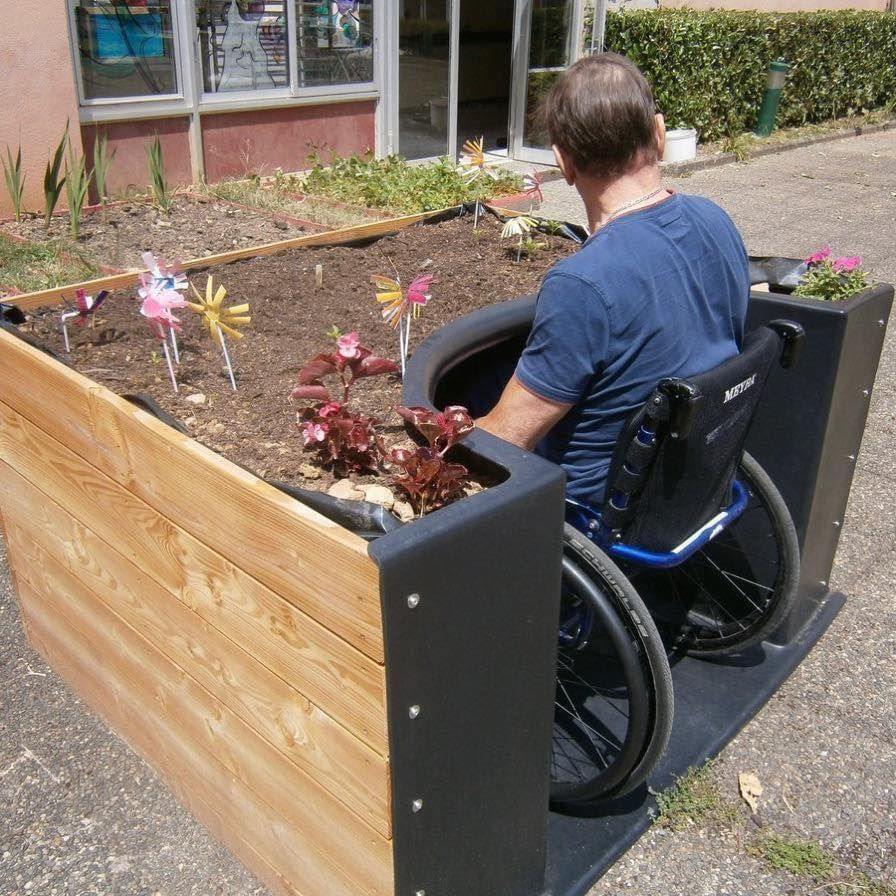
So, how do you test it? Dig a hole about a foot deep and fill it with water. If it drains within an hour or two, you’re golden. If it’s still sitting there after half a day, you’ve got clay or compacted soil that needs help. For a low-maintenance patch, you don’t want to be installing complex French drains. Instead, consider raised beds or containers. They give you instant control over the soil structure. If you’re planting in the ground, you might need to amend heavy clay with coarse sand or gravel, but honestly, raising the planting area is often easier and looks better too.
Good drainage also means good aeration. Roots need oxygen just as much as they need water. Loose, crumbly soil allows air to circulate around the root zone, keeping the plant healthy and resilient. Compacted soil suffocates them. If you’re walking on your garden bed, you’re probably compacting it. Keep paths clear and avoid stepping on the planting areas. It sounds simple, but it’s a common mistake that leads to stunted growth and increased maintenance down the line.
Mixing the Perfect Dirt: Less is Often More
When it comes to soil mix, more isn’t always better. In fact, rich, heavy compost can be detrimental to many herbs. Think about it: in their natural habitat, herbs often grow in poor, rocky soil. This stress actually concentrates their essential oils, making them more flavorful. If you feed them too much nitrogen-rich fertilizer or plant them in super-rich garden soil, they’ll grow fast and leafy, but they’ll lack that punchy aroma and taste you’re growing them for. Plus, lush, soft growth attracts more pests.
For a low-maintenance setup, aim for a lean, well-draining mix. A standard recipe is one part potting soil, one part coarse sand or perlite, and one part compost. This gives you enough nutrients to get started but ensures the soil stays loose and drains well. Perlite is great because it’s lightweight and keeps the soil airy. Sand adds weight and improves drainage. Avoid using pure garden soil in containers; it compacts too easily and doesn’t drain well in a confined space.
Also, pay attention to pH. Most herbs prefer a neutral to slightly alkaline soil (pH 6.0 to 7.5). You don’t need to be a chemist about it, but if your soil is extremely acidic, you might struggle with herbs like lavender or thyme. A simple home test kit can tell you where you stand. If you need to raise the pH, a sprinkle of garden lime can help. But again, keep it simple. Most potting mixes are already balanced. Don’t overcomplicate it with fancy amendments unless you see a specific problem.
Accessibility: The Key to Consistency
Let’s talk about human behavior. We’re busy. Life happens. If your herb garden is tucked away in the far corner of the backyard, behind the shed, you won’t go there. Out of sight, out of mind. For a low-maintenance garden to work, it needs to be convenient. Place it where you’ll see it every day. Near the kitchen door is ideal. If you’re chopping onions for dinner, you should be able to step out and snip some chives without putting on shoes.
This proximity also helps with watering. If the hose doesn’t reach, you’ll be carrying buckets, and that gets old fast. Make sure your spot has easy access to water. But remember, convenience doesn’t mean neglect. Even low-maintenance plants need occasional checks. Being close by makes it easier to notice if something looks off—a yellowing leaf, a pest issue—before it becomes a big problem. Early detection is the best form of low-maintenance care.
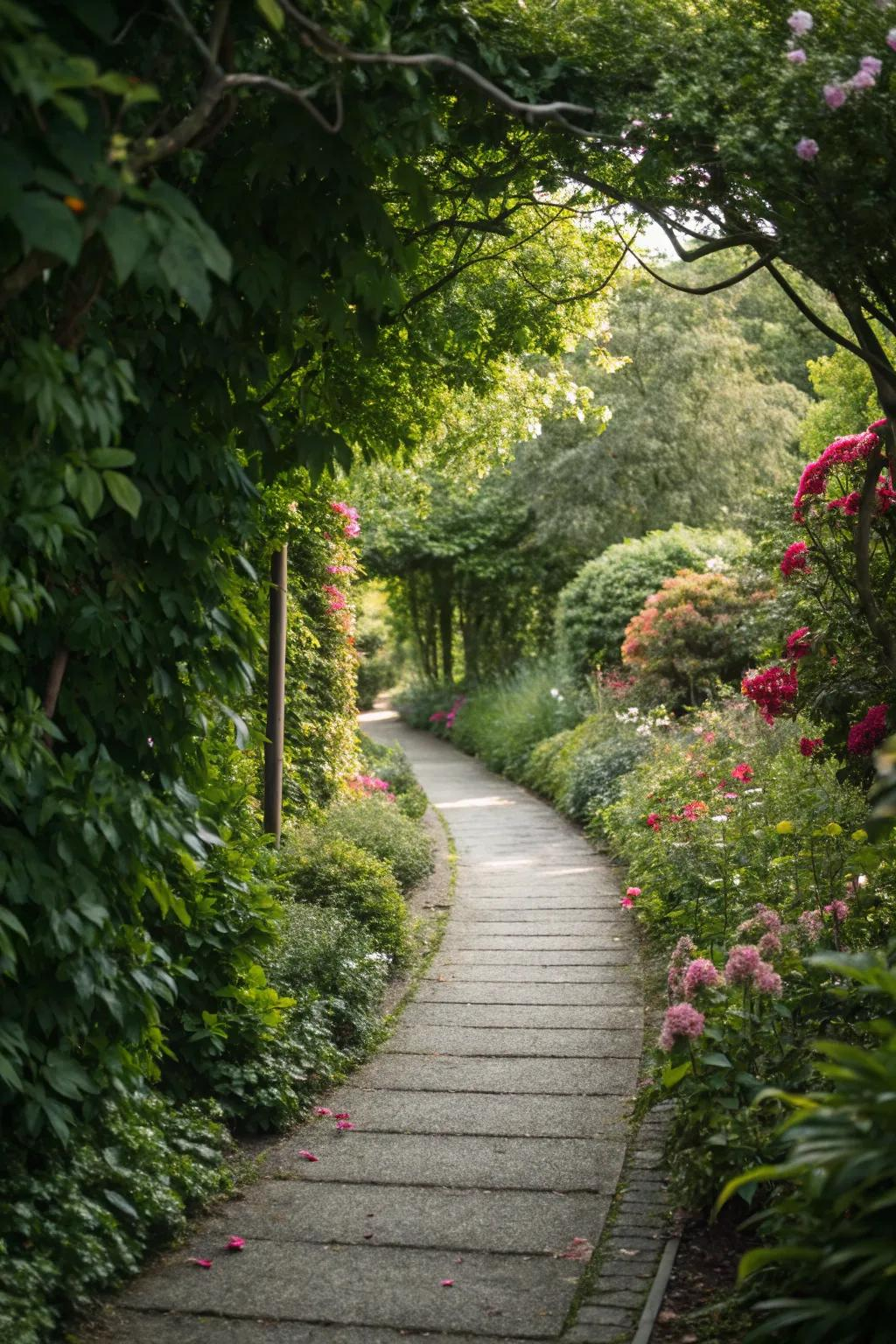
Consider the path too. Is it muddy when it rains? Do you have to step over things? Clear, easy access encourages frequent visits. Maybe add a small patio stone or mulch path so you can get there cleanly. The easier it is to interact with your garden, the more likely you are to enjoy it and take care of it in those small, effortless ways that keep it thriving.
Airflow and Space: Giving Plants Room to Breathe
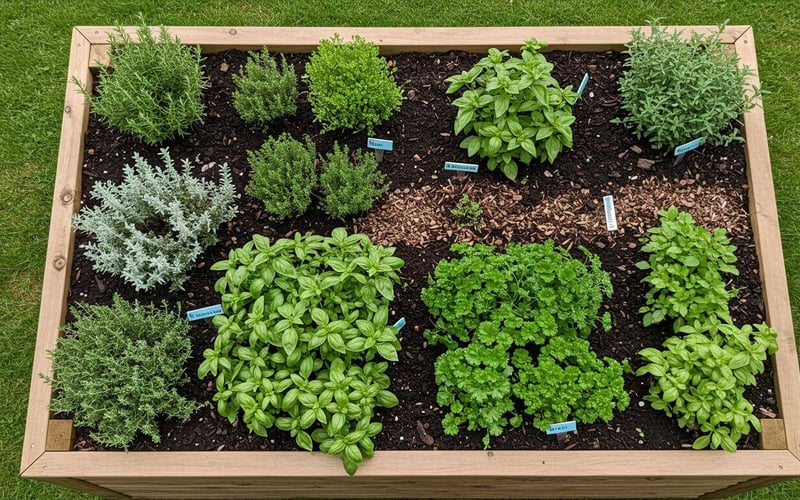
Crowding is the enemy of low maintenance. When plants are packed too tightly, air can’t circulate. This creates a humid microclimate that invites mildew and fungal diseases. Basil is notorious for getting powdery mildew if it’s cramped. Rosemary needs space to spread its branches. Give each plant room to grow to its mature size. Check the seed packet or plant tag for spacing guidelines, and then maybe add a few extra inches.
Good airflow also helps dry out the foliage after rain or watering. Wet leaves sitting in stagnant air are a breeding ground for disease. By spacing plants properly, you reduce the need for fungicides or constant pruning to remove dead, damp leaves. It’s a passive way to keep plants healthy. Plus, adequate space makes harvesting easier. You won’t have to dig through a jungle to find the sprig of thyme you need.
Think vertically too. Some herbs, like climbing rosemary or trailing oregano, can spill over edges or climb trellises. This uses space efficiently without crowding the root zones of neighboring plants. Vertical gardening also improves air circulation around the leaves. It’s a smart strategy for small spaces. Just make sure whatever structure you use doesn’t block sunlight or trap moisture against the plant stems.
Finally, choose herbs that fit your life and your climate. There’s no point in growing cilantro if you hate the taste, or trying to grow tropical lemongrass if you live in a freezing zone without a greenhouse. Stick to perennials like rosemary, thyme, oregano, and sage if you want true low maintenance. They come back year after year, requiring minimal replanting. Annuals like basil and cilantro need to be restarted every season, which adds work.
In 2026, climate resilience is key. Choose varieties known for drought tolerance or heat resistance if you’re in a hot area. Native herbs are also a great option because they’re adapted to your local conditions. They’ll require less water and fewer inputs. Mint is incredibly easy but invasive; keep it in a pot or it will take over your entire garden. That’s high maintenance in the long run. Contain it, and it’s effortless.
Be realistic about how much time you have. If you can only spare five minutes a week, stick to three or four hardy herbs. Don’t try to grow twenty different varieties. A small, successful patch is more rewarding than a large, neglected one. Start small, master those few plants, and expand only if you feel like it. Gardening should be a joy, not a burden.
So, there you have it. The secret to a low-maintenance herb patch isn’t magic. It’s just smart planning. Pick a sunny, accessible spot. Ensure the soil drains well and isn’t too rich. Give plants space to breathe. And choose varieties that suit your climate and cooking habits. Do these things, and you’ll spend less time worrying and more time enjoying the fresh flavors right outside your door. It’s pretty simple, really. Now, go grab a trowel and get started. You’ve got this.
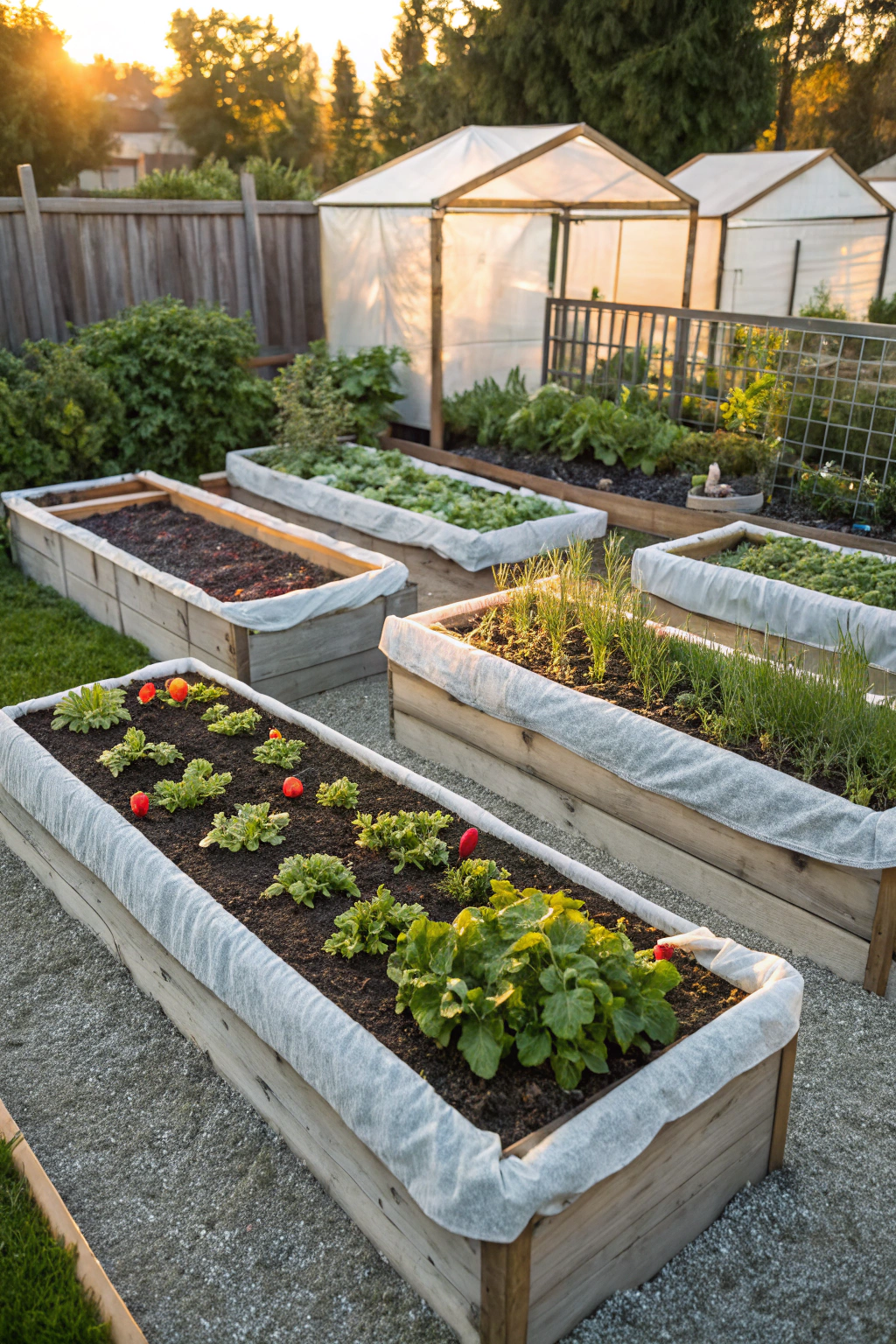
[sps_html tag=”img” src=”https://cdn.northcarolinafinearchitecture.com/2026/05/year-round-raised-garden-beds-how-to-extend-your-season-in-2025-with-regard-to-outdoor-herb-garden-design.png” alt=”Year-Round Raised Garden Beds: How To Extend Your Season In 2025 … with regard to Outdoor Herb Garden Design” style=”width: 100%; height: auto;”]
[sps_html tag=”img” src=”https://cdn.northcarolinafinearchitecture.com/2026/05/how-to-create-a-herb-garden-uk-guide-from-expert-installers-for-outdoor-herb-garden-design.jpg” alt=”How To Create A Herb Garden: Uk Guide From Expert Installers for Outdoor Herb Garden Design” style=”width: 100%; height: auto;”]
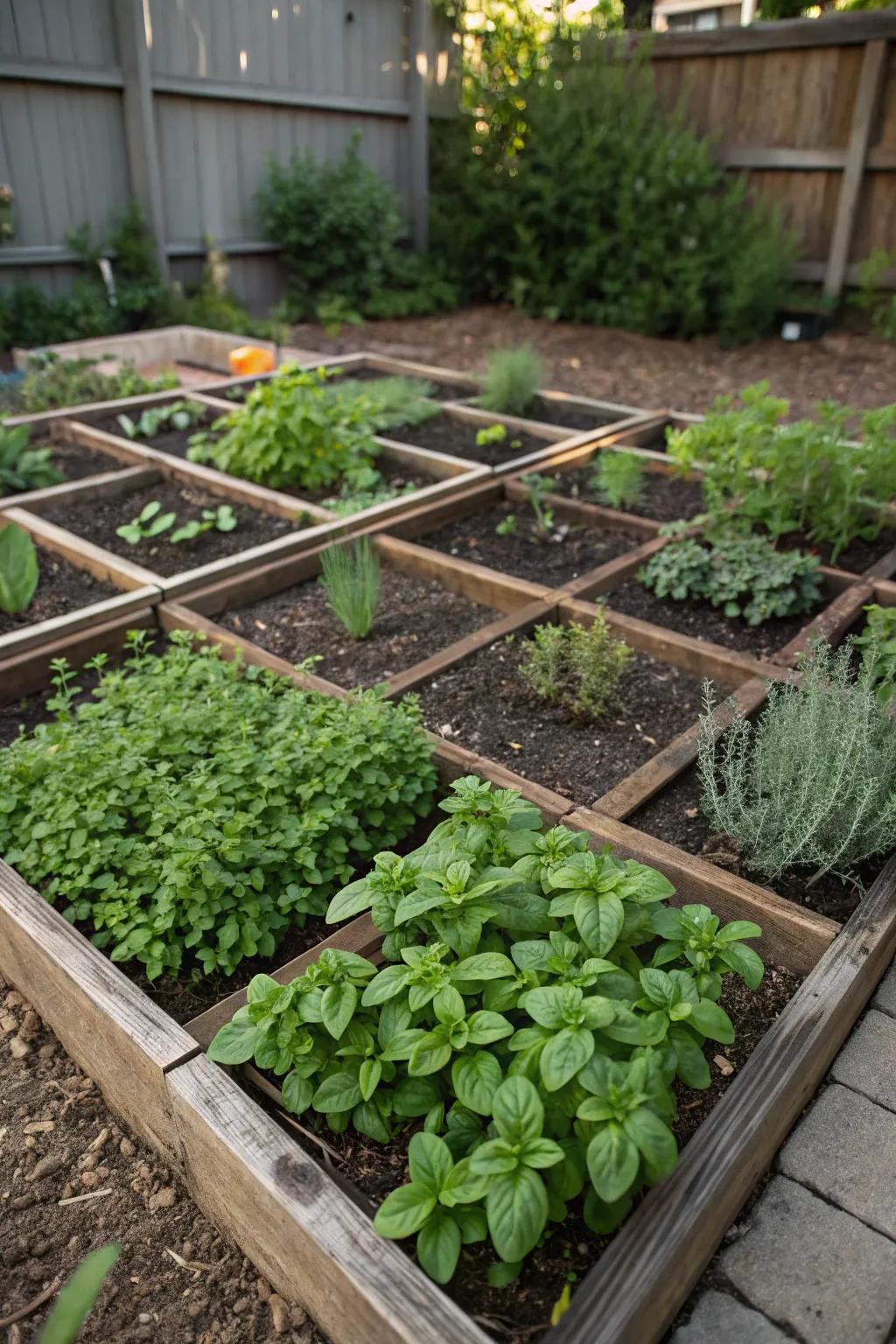
[sps_html tag=”img” src=”https://cdn.northcarolinafinearchitecture.com/2026/05/14-stunning-herb-garden-layout-ideas-with-how-to-plan-a-raised-bed-herb-garden-for-year-round-harvests.jpg” alt=”14+ Stunning Herb Garden Layout Ideas with How to Plan a Raised Bed Herb Garden for Year Round Harvests” style=”width: 100%; height: auto;”]
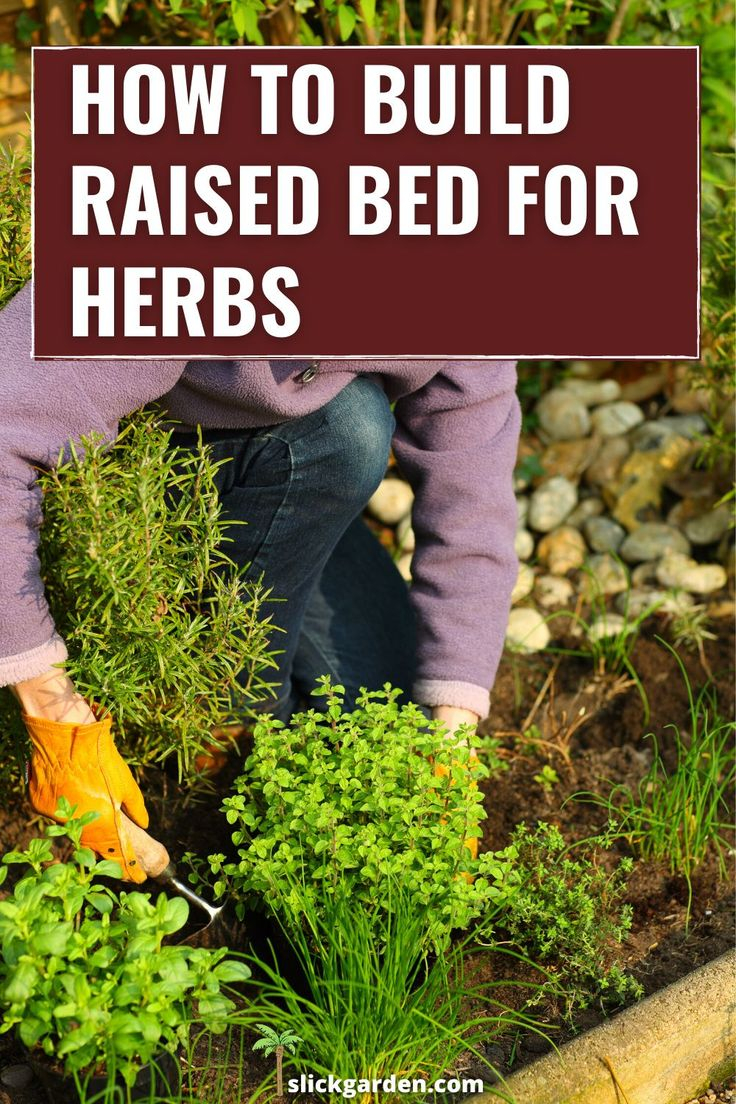
[sps_html tag=”img” src=”https://cdn.northcarolinafinearchitecture.com/2026/05/how-to-build-a-raised-bed-herb-garden-raised-bed-herb-garden-herb-intended-for-outdoor-herb-garden-design.jpg” alt=”How To Build A Raised Bed Herb Garden | Raised Bed Herb Garden, Herb … intended for Outdoor Herb Garden Design” style=”width: 100%; height: auto;”]
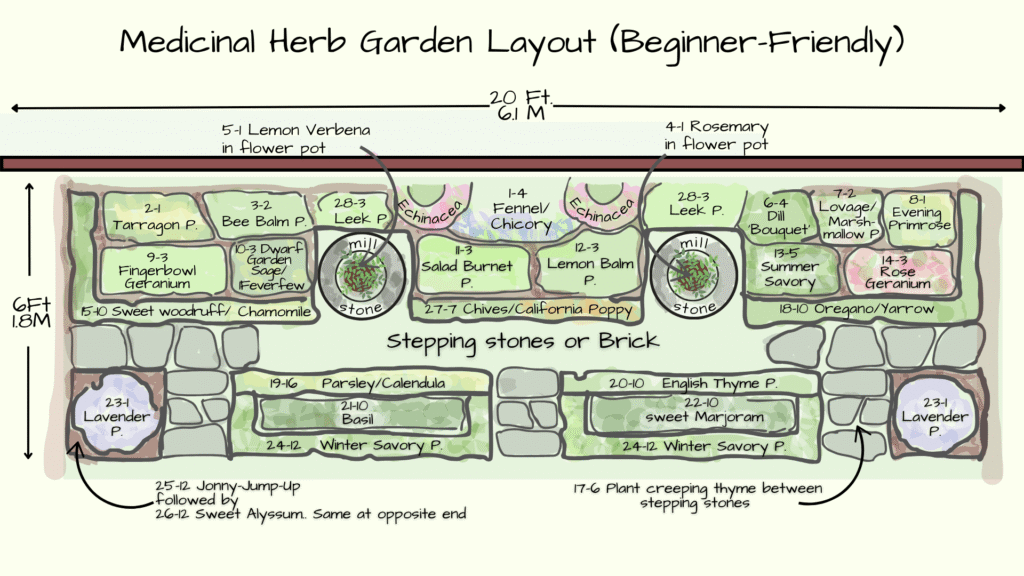
[sps_html tag=”img” src=”https://cdn.northcarolinafinearchitecture.com/2026/05/the-ultimate-medicinal-herb-garden-layout-best-kits-designs-for-2026-pertaining-to-outdoor-herb-garden-design.png” alt=”The Ultimate Medicinal Herb Garden Layout: Best Kits & Designs For 2026 pertaining to Outdoor Herb Garden Design” style=”width: 100%; height: auto;”]