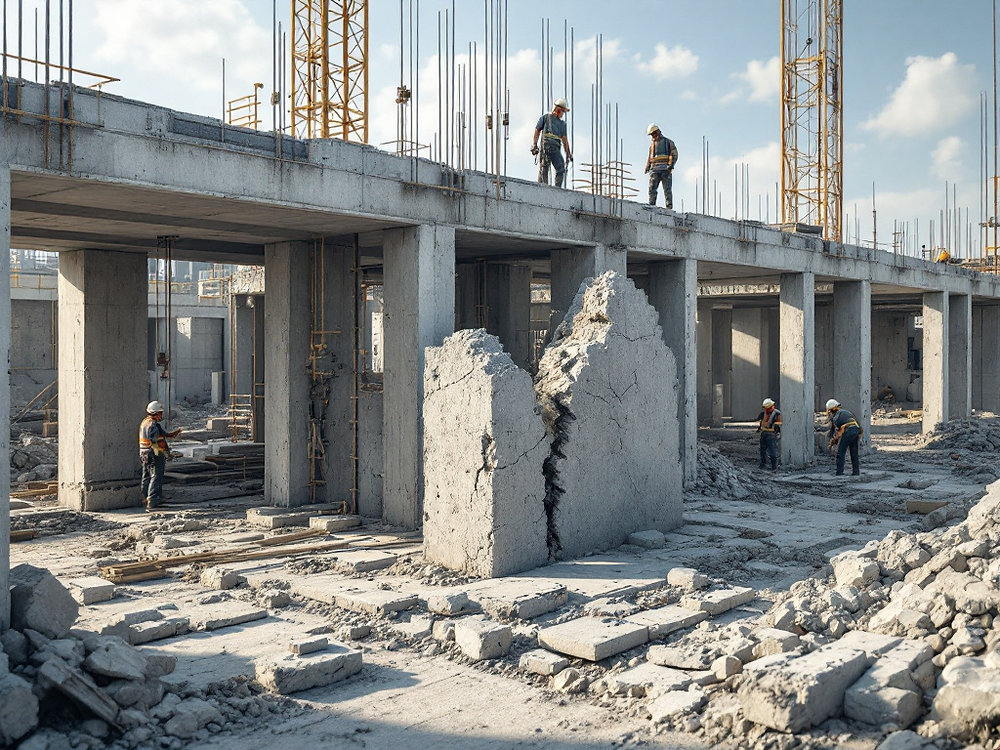
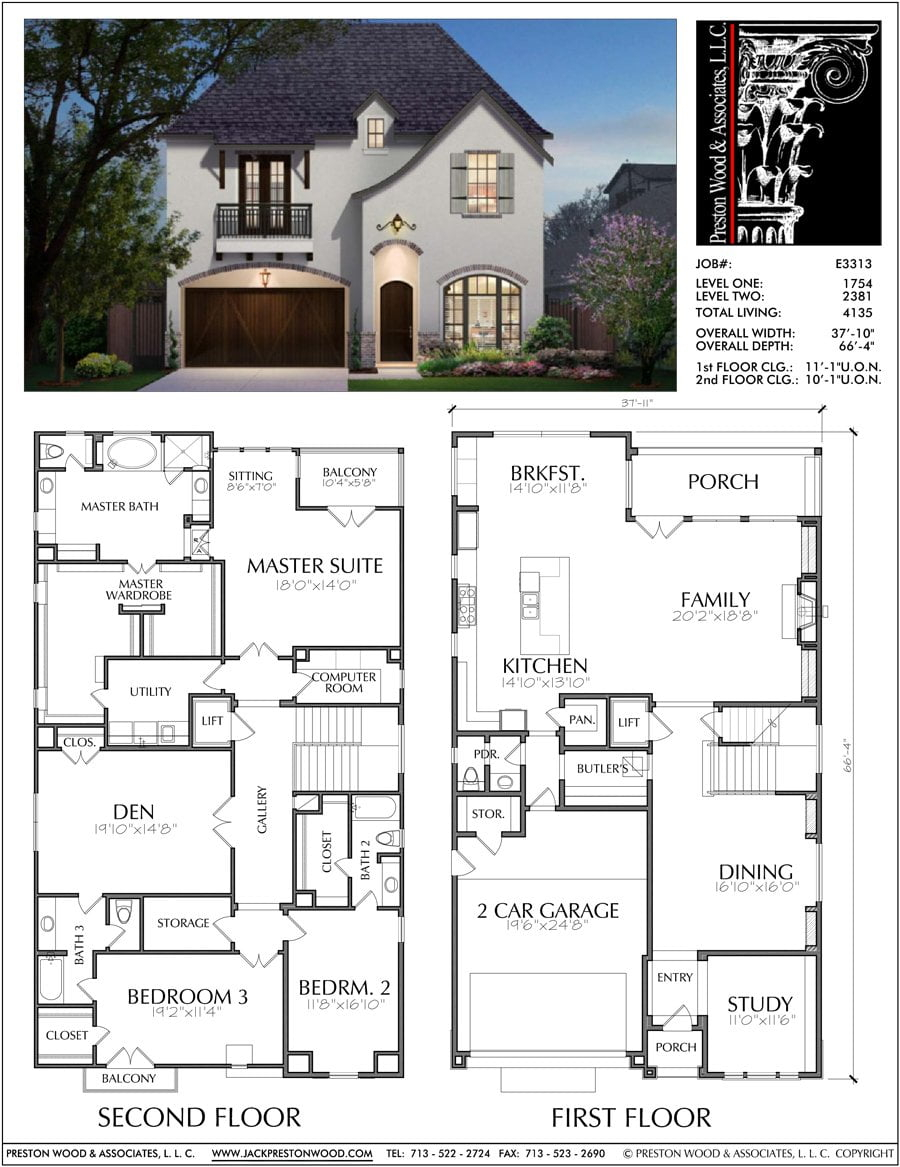
Ever stood on a busy job site and watched a supervisor stare at a concrete pillar with a look of pure dread. It happens way more than you think. A pipe is supposed to go right where that pillar is standing, and now everybody has to stop working. These kinds of field errors drain bank accounts and ruin schedules.
But things are shifting fast in 2026. Instead of just dealing with the mess when things don’t fit, construction teams are turning to smart design to catch the oopsies before the concrete even gets poured. It is about fixing the blueprint so the reality is flawless.
1. Clashing in the Cloud: The Magic of 3D Models
Remember when builders used stacks of flat paper blueprints. Trying to overlay plumbing, electrical, and structural drawings by eye was a nightmare. Today, teams use Building Information Modeling (BIM) to create a shared digital twin of the building.
The real secret weapon here is automated clash detection. The software runs thousands of checks to see if a steel beam is trying to occupy the same exact space as an air duct. When it finds a problem, it flags it instantly. Crews can fix the design with a few clicks instead of jackhammering a wall later.
2. Augmented Reality on the Dirty Ground
Walking around a muddy site with an iPad or smart glasses might look futuristic, but it is saving millions. Workers can now overlay the digital design right onto the physical space they are standing in.
Imagine looking at a blank wall and seeing exactly where the electrical conduits are supposed to run behind it. By previewing the future, tradespeople spot alignment issues instantly. If something looks off by an inch, they can stop and double-check before drilling.
3. Prefabrication and the Power of Off-Site Building
A massive trend gaining speed this year is modular construction. Instead of cutting wood and pouring concrete in the wind and rain, teams build entire sections of a structure inside a controlled factory setting.
Smart design feeds precise dimensions straight to factory machinery. Because the environment is stable, the pieces are built with near-perfect accuracy. When these chunks arrive at the actual job site, they snap together like Lego blocks. There is very little room for human error when the parts are engineered to fit perfectly from the start.
4. Smart Tags and Tracking Every Single Part
Misplacing materials or installing the wrong grade of steel happens all the time. To combat this, smart design now integrates QR codes and RFID tags into the physical materials.
When a delivery truck arrives, workers scan the tags to verify exactly what the item is and where it belongs. The system cross-references the item with the master design model. If a worker tries to install a window pane meant for the fourth floor on the second floor, the system triggers a warning.
5. Live Updates That Keep Everyone on the Same Page
One of the biggest culprits behind field errors is outdated info. A designer changes a layout at the main office, but the crew on site is still looking at yesterday’s printout. That is a recipe for disaster.
Cloud-connected tablets have changed the game. When an architect adjusts a measurement, the update pushes out to every single screen on the job site in real-time. If a foreman opens their app, they are guaranteed to see the absolute latest version. This keeps the field crews and the office minds perfectly aligned.
6. Training with Virtual Reality Before Rushing the Site
You wouldn’t jump into a race car without practicing first, right. Well, construction workers are now doing dry runs of complex installations using Virtual Reality (VR) headsets.
Before a team attempts a tricky piece of masonry or installs a complicated HVAC hub, they practice it virtually. They learn the tight spots and figure out the best sequence of movements. This mental practice runs out the kinks and builds muscle memory, which translates to fewer mistakes when they handle the real, expensive materials.
Getting rid of field errors isn’t about blaming workers for mistakes; it is about giving them better tools to succeed. By blending smart software with real-world building know-how, the entire industry is becoming safer and way more efficient.
As we move deeper into 2026, the gap between what is designed on a computer and what gets built in the dirt is shrinking to almost nothing. The result is fewer headaches, happier crews, and buildings that go up exactly the way they were imagined.