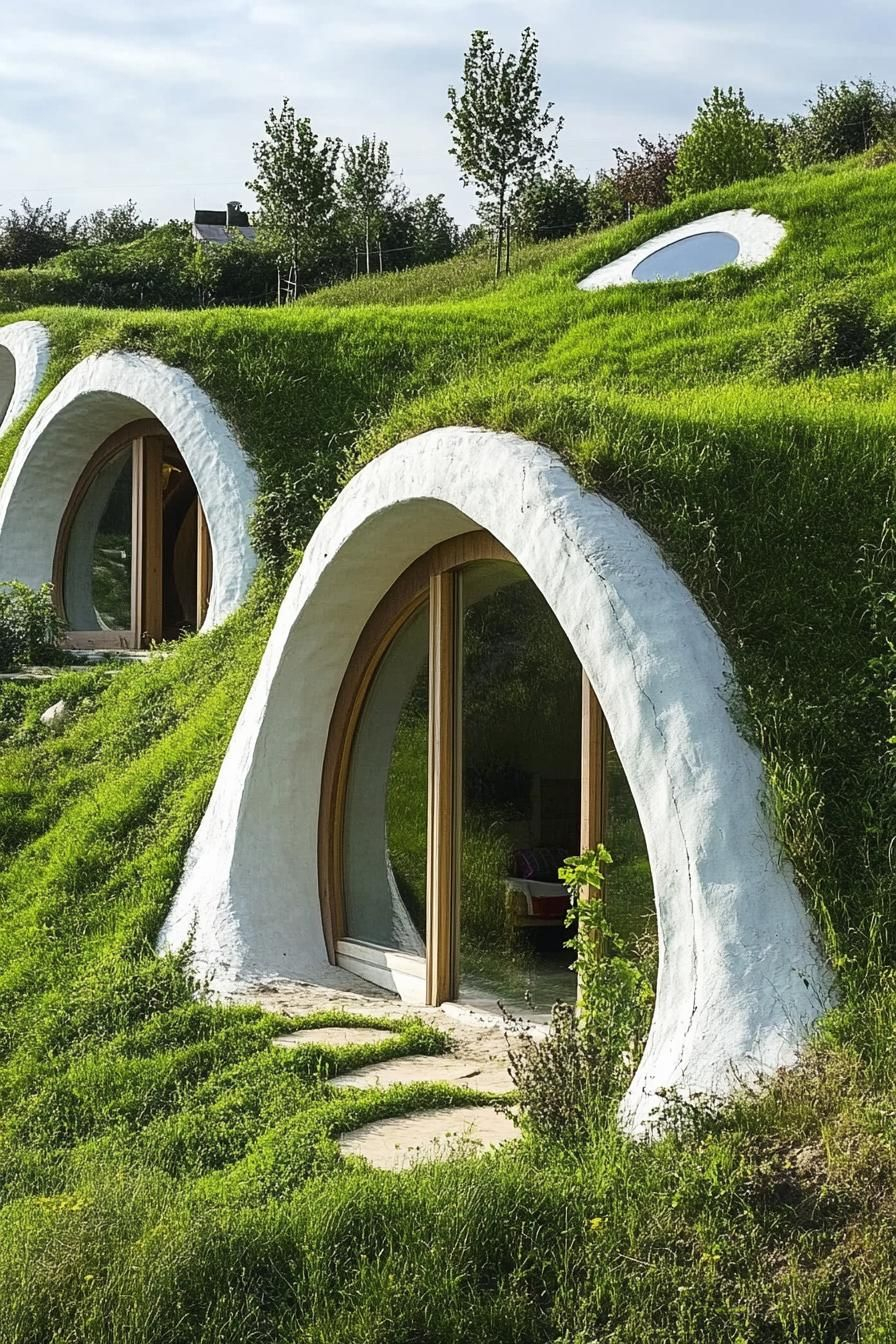
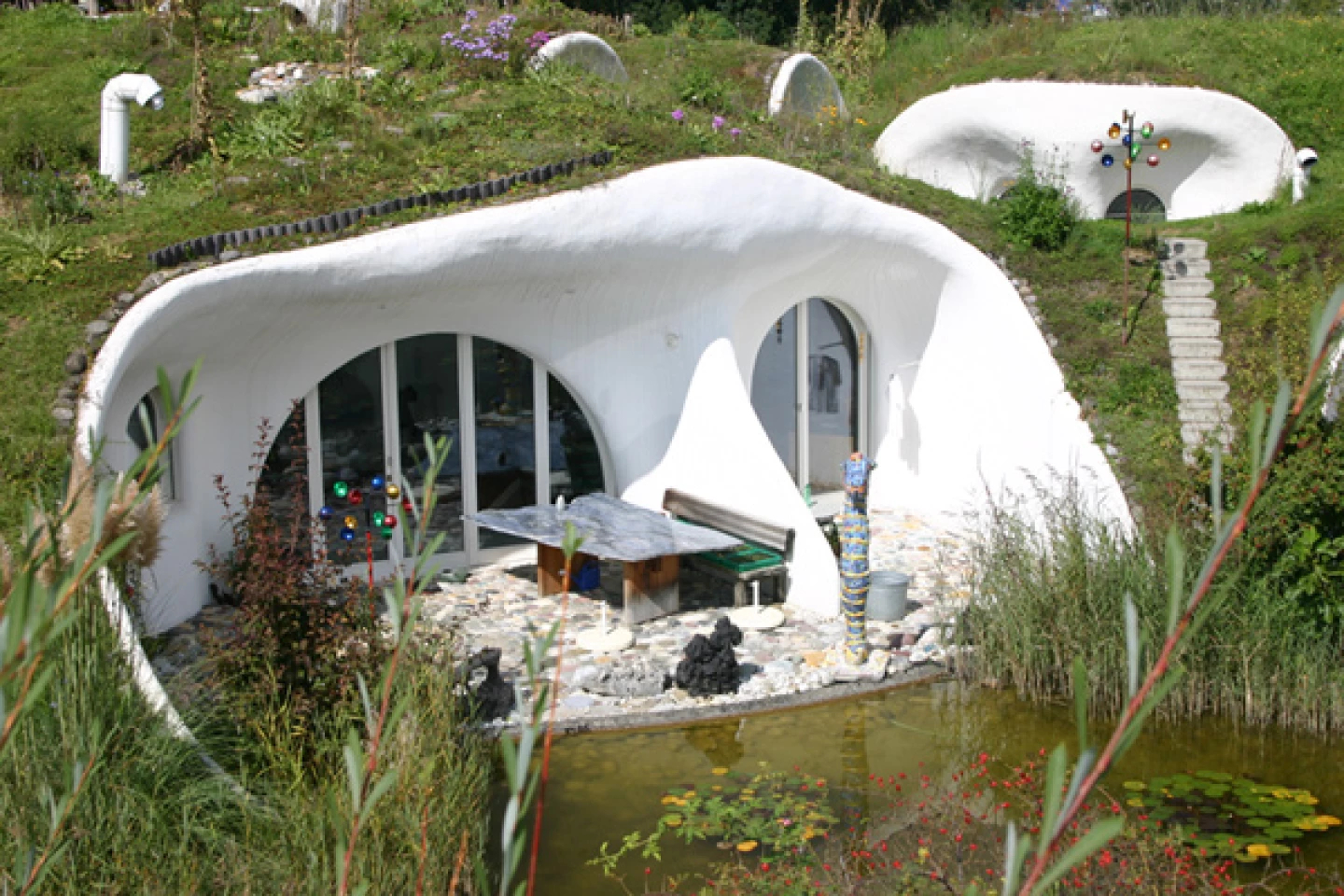
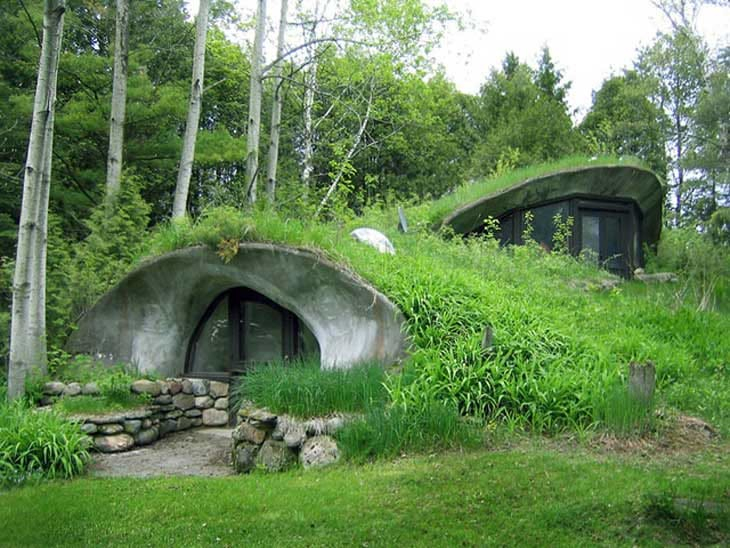
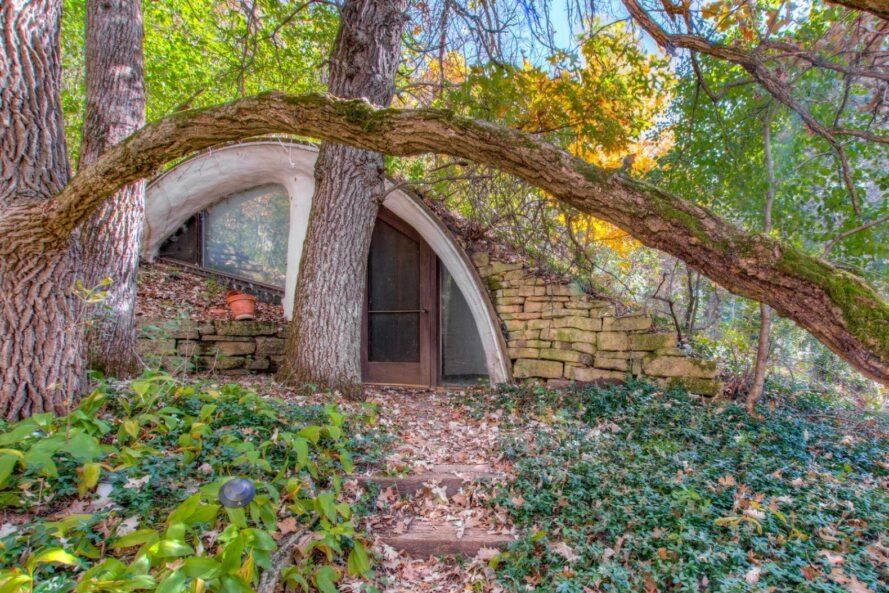
Ever thought about just packing up and living under a hill. It sounds a bit like a fantasy novel, but thousands of people are doing it right now. With housing costs going through the roof this year, digging down instead of building up is becoming a brilliant way to save cash.
The truth is, modern underground homes aren’t dark, damp caves anymore. They are bright, beautiful spaces that use the planet itself to keep things warm in the winter and cool when summer hits. Plus, you do not need a multi-million dollar budget to make it happen if you know where to save.
1. Choosing Your Dirt Right
The very first step to keeping costs low is picking the perfect piece of land. Not all dirt is made equal, you see. If you buy a plot of land that is full of solid rock or super wet mud, your budget will explode before you even lay down concrete.
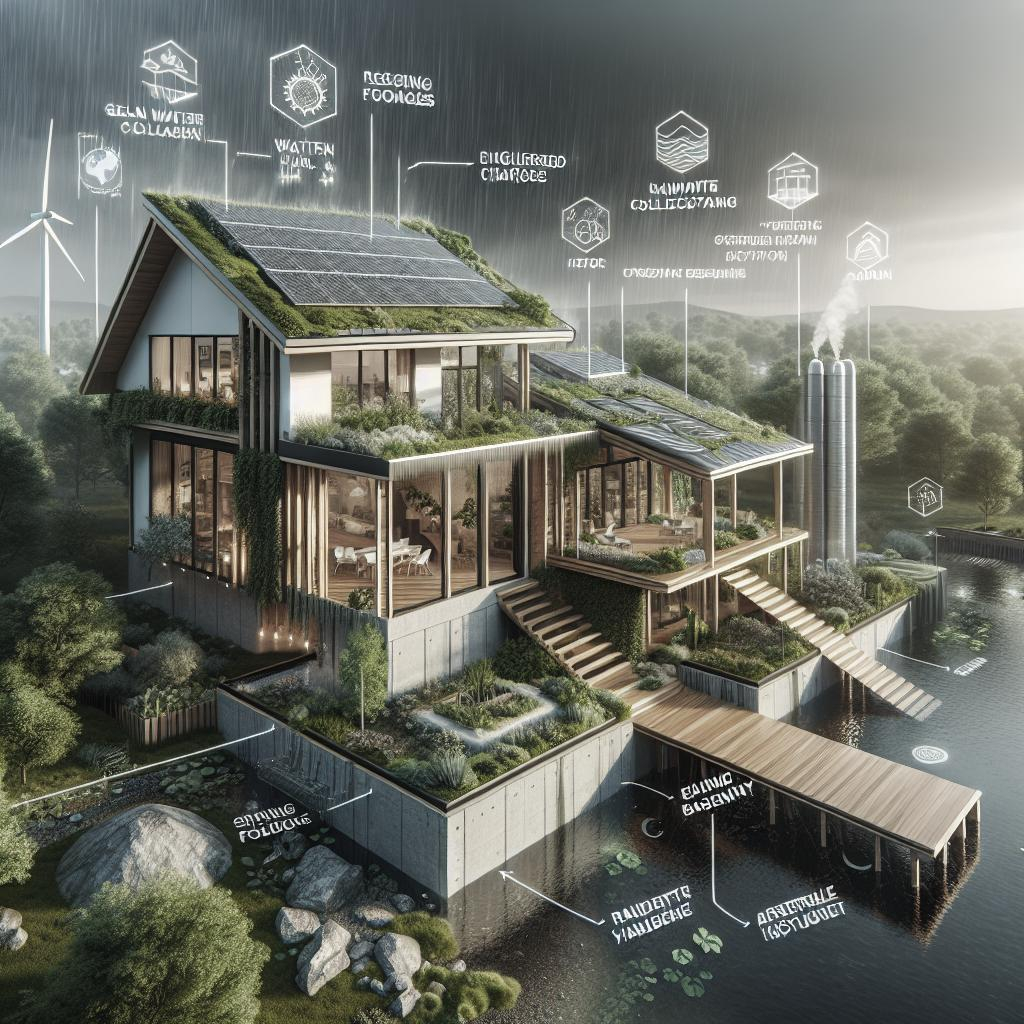
Look for a natural slope. Building into a hillside—often called earth berming—is way cheaper than digging a massive hole straight down into flat ground. A good incline lets you use gravity for water drainage and saves tons of hours on heavy tractor work.
2. Keeping the Water Out
Water is the ultimate enemy of any subterranean structure. If you skimp on waterproofing, you will end up spending a fortune fixing leaks later on. Luckily, modern tech makes this cheaper than it used to be.
Instead of hiring expensive specialty crews, many budget builders use thick rubberized membranes and heavy-duty plastic sheets. You wrap the entire house like a giant present. Combined with French drains—which are just trenches filled with gravel and pipes—you can steer rain right away from your living room without spending a fortune.
3. Light Up the Dark
How do you get sunshine into a house that is covered in earth. It is simpler than it looks. The trick is using a style where three sides are underground, but the front face is completely open to the outside world.
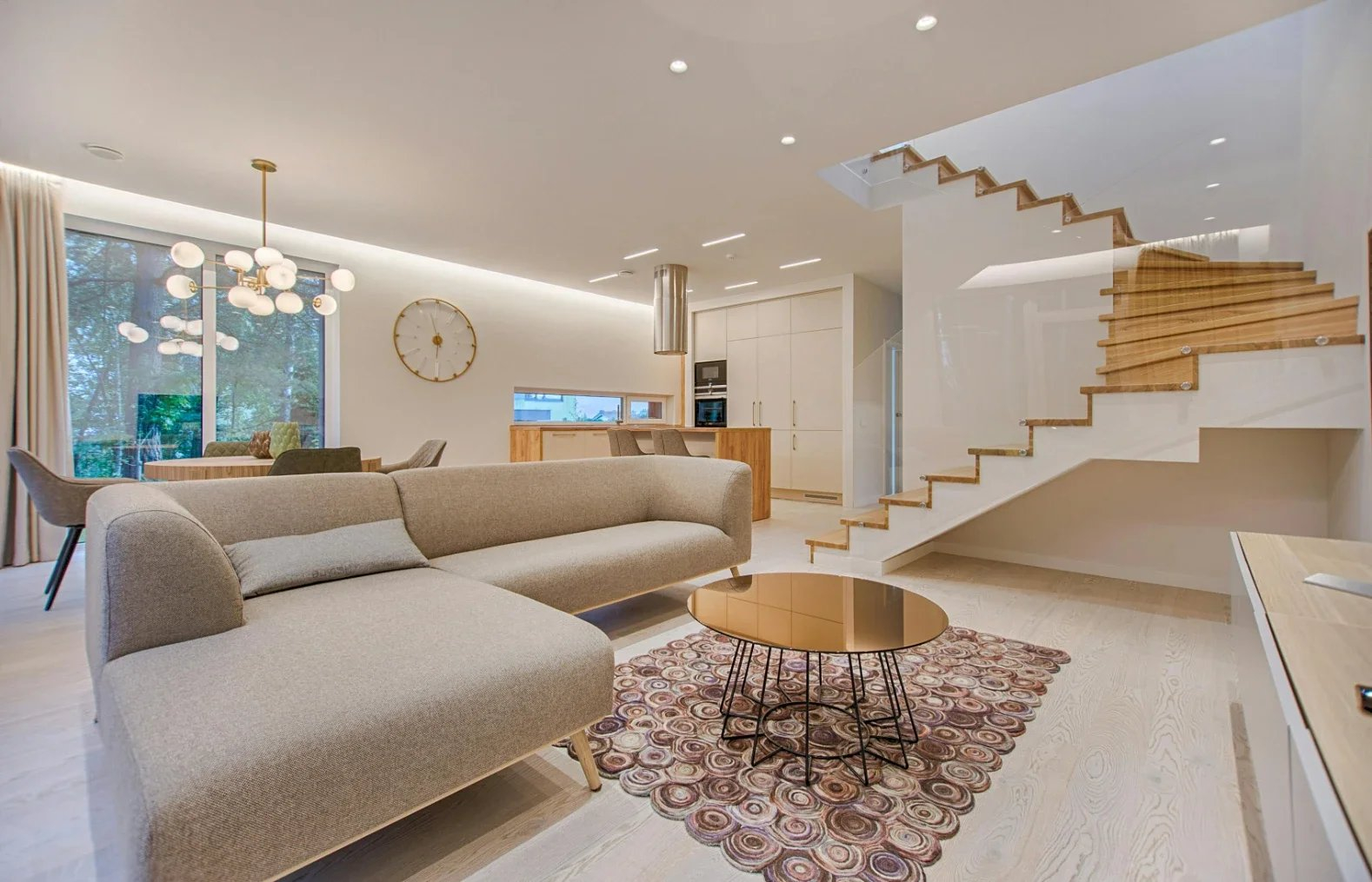
Big, south-facing windows let in tons of natural light and heat up the floors during the day. For the deeper rooms, cheap light tubes can be installed. These are reflective pipes that run from the roof down to your ceiling, bouncing pure daylight into the middle of your home so you do not have to turn on lightbulbs all day long.
4. Smart Material Choices
You need strong stuff to hold up the weight of the earth, but that doesn’t mean you need to buy the most expensive materials on the market. Poured concrete is the standard, but there are cheaper alternatives.
Earthbags and rammed earth blocks are growing super popular in 2026. They use local soil mixed with a bit of cement, packed tightly into sturdy bags or frames. It is incredibly strong, offers amazing insulation, and the raw materials are practically free right beneath your feet.
5. Breathing Easy Underground
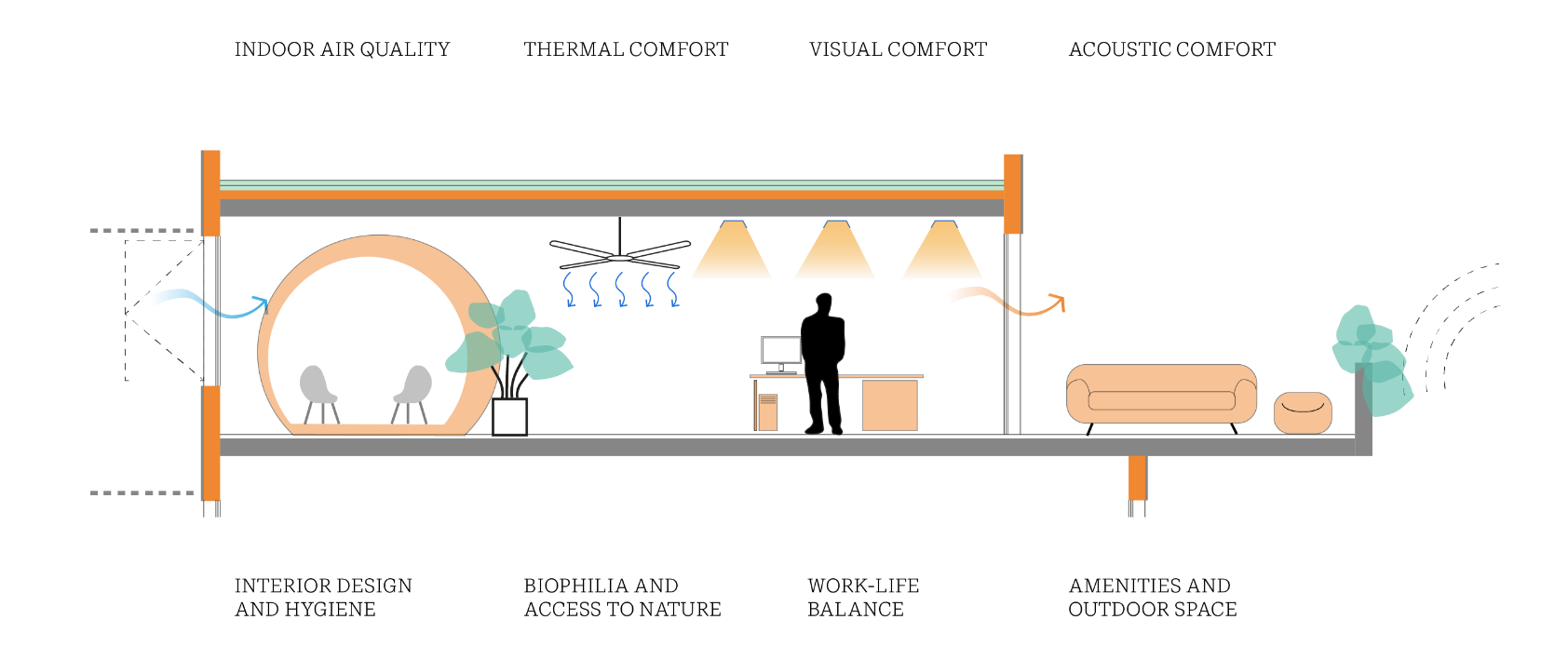
Proper airflow is super important when you live underground to prevent things from getting stuffy. You don’t need a massive, expensive air conditioning setup to stay comfy, though.
A simple Heat Recovery Ventilator (HRV) keeps fresh air moving through the house constantly while saving the heat already inside. Also, because the earth stays at a steady temperature year-round, you hardly need any extra heating or cooling. The planet does most of the heavy lifting for you.
To truly build without breaking the bank, you have to get your hands dirty. While you should definitely hire a professional engineer to check your structural plans, you can handle a lot of the finishing work yourself.
Putting up interior walls, painting, laying down floors, and landscaping the roof with grass or a garden are all great weekend projects. Every single task you do with your own hands keeps thousands of dollars in your pocket.
Building an underground home takes some serious planning and a bit of grit, but the payoff is massive. You get a unique, storm-proof, and incredibly efficient home that costs a fraction of a traditional house to maintain over the years.
By picking the right slope, focusing on solid waterproofing, and putting in some sweat equity, your dream of affordable subterranean living is totally within reach. It is all about working with nature instead of fighting against it.