Step into a newly renovated penthouse or a restored historic brownstone in 2026, and you will notice a quiet rebellion happening at your feet. For decades, the gold standard of high-end interior design was a floor polished to a mirror-like sheen, sanded flat until every microscopic contour of the tree’s life was erased under layers of polyurethane. We prized perfection, uniformity, and industrial precision. But sensory fatigue has set in. As our daily lives become increasingly mediated by smooth glass screens, sterile touchpads, and synthetic environments, our homes are shifting to become sanctuaries of physical authenticity.
When you kick off your shoes at the end of a long day, your feet are no longer greeted by an anonymous, slippery expanse. Instead, they meet the undulating topography of real timber—micro-grooves carved by steel wire, subtle undulating waves shaped by hand, and rich grain patterns that remind you a living, breathing organism once grew beneath an open sky. This shift toward tactile flooring is not merely a passing aesthetic fad. It represents a profound psychological and physiological turning point in how we interact with our living spaces, prioritizing haptic engagement, emotional grounding, and enduring structural resilience over sterile perfection.
The historical trajectory of hardwood flooring reveals a pendulum swing between industrial uniformity and raw, organic expression. In the mid-to-late 20th century, drum sanders and heavy chemical finishes promised homeowners a blank, flawless canvas. Floors were bleached, stained uniform shades of golden oak or espresso, and sealed behind impenetrable coats of aluminum oxide. While these floors offered undeniable convenience, they also divorced the occupant from the material itself. You could walk across a high-gloss maple floor in a high-rise and feel as though you were treading on luxury vinyl or ceramic tile; the tactile signature of the wood had been entirely paved over.
As contemporary architecture began favoring biophilic design principles—the conscious integration of nature into the built environment—designers realized that visual beauty alone was insufficient. True luxury engages all the senses. The modern appetite for tactile hardwood stems from a collective yearning for materials that possess a soul, a history, and an honest physical presence. When a floor retains its natural grain structure, enhanced through specialized mechanical or manual treatments, it changes how sound travels through a room, how light dances across a surface at dusk, and how intimately we feel connected to the ground we walk upon every single day.
The Neuroarchitecture of Touch: Why Human Biology Craves Surface Texture
Human skin is our largest sensory organ, packed with millions of mechanoreceptors that constantly scan our environment for information. When we move across a completely flat, homogenous surface, these sensory pathways go relatively underutilized, contributing to a subtle form of sensory deprivation within indoor spaces. Neuroarchitecture studies demonstrate that varied tactile inputs underfoot stimulate proprioception—our body’s awareness of movement and spatial orientation—triggering subconscious feelings of stability, comfort, and safety. Walking barefoot across a textured hardwood floor delivers a continuous, low-level stream of rich tactile data that anchors us to the present moment.
This sensory grounding plays a vital role in psychological wellness and stress reduction. Natural wood is a hygroscopic material, meaning it naturally absorbs and releases moisture to acclimate to ambient humidity, which also gives it a thermal mass that feels warmer to the touch than stone, tile, or synthetic laminates. When you introduce surface topography—such as the micro-valleys created by wire-brushing—you increase the surface area of the wood board, subtly improving its ability to interact with foot warmth. The result is a floor that feels alive, responding to your steps rather than acting as a cold, impassive barrier between you and the subfloor.
Furthermore, the haptic qualities of textured wood combat the sterile aesthetic that often plagues minimalist interiors. As architectural trends lean toward monochromatic palettes, exposed concrete, and expansive glass, homes risk feeling cold and uninviting. Tactile hardwood acts as a grounding anchor, injecting warmth, organic imperfection, and visual weight into a room. The way a textured plank catches oblique morning sunlight, casting tiny shadows across its grain lines, adds an architectural dimension that a flat, factory-buffed surface simply cannot replicate. It transforms a floor from a passive background element into an active participant in the room’s spatial atmosphere.
The psychological comfort of "lived-in" materials also cannot be overstated. A smooth, glossy floor induces a subtle, chronic anxiety; every dropped fork, every scuff from a chair leg, and every claw mark from a pet feels like a catastrophic blemish on a pristine canvas. Conversely, a tactile floor welcomes life. Because the surface has already been intentionally distressed, brushed, or sculpted, daily wear and tear does not ruin the floor—it contributes to its patina. This psychological liberation allows homeowners to actually live in their homes without constantly worrying about preserving an artificial state of perfection, fostering a more relaxed, authentic domestic lifestyle.
Decoding the Craft: Wire-Brushed, Hand-Scraped, and Distressed Surfaces
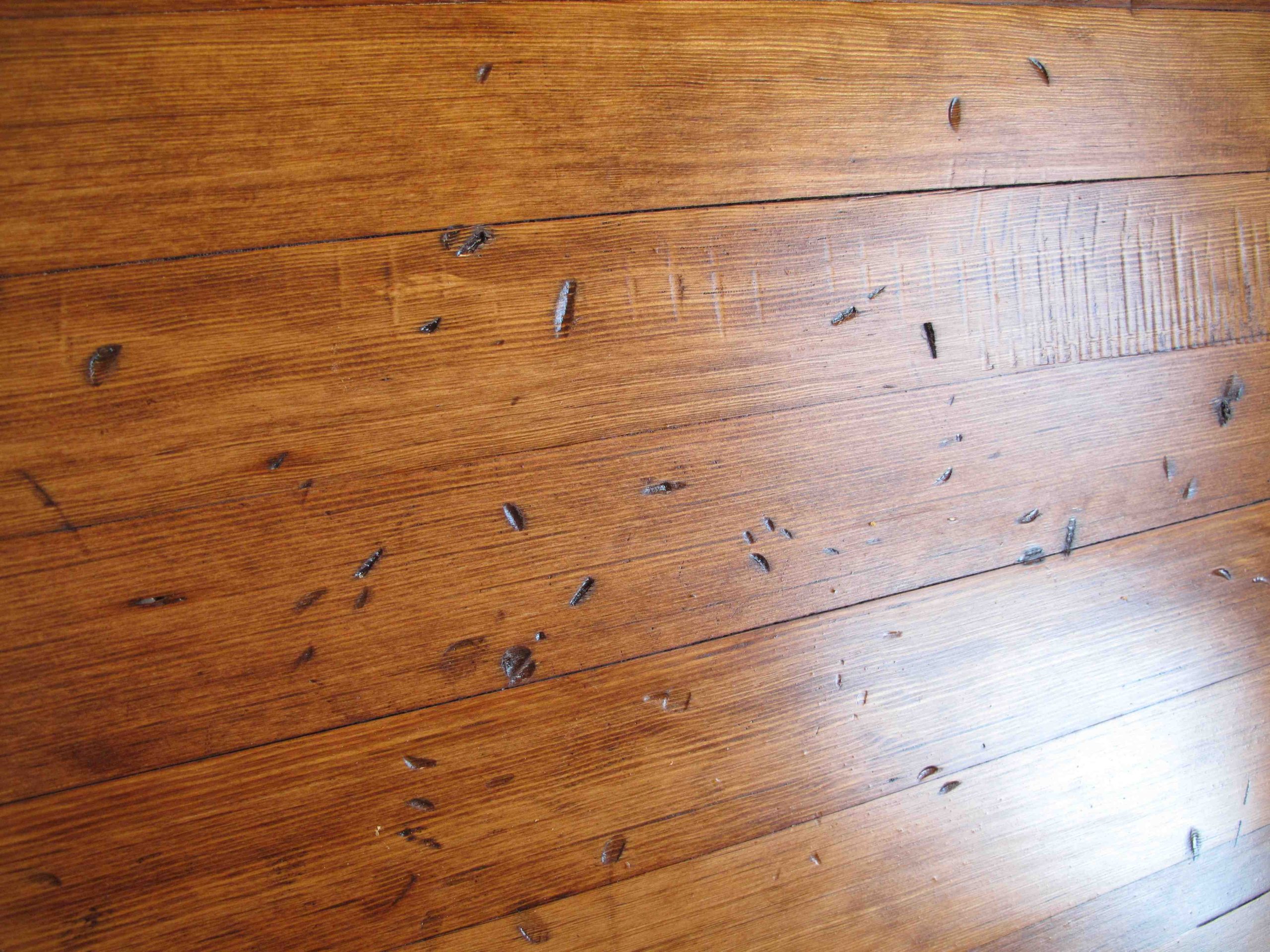
Achieving a truly tactile hardwood floor requires deliberate craftsmanship, blending mechanical innovation with traditional woodworking techniques. The most common and widely specified method today is wire-brushing. During manufacturing, rotary wire brushes—often made of steel or nylon—are passed over the timber planks to scour away the softer summer growth rings while leaving the denser winter growth rings intact. This process exposes the natural topography of the wood grain, creating a subtle, tactile corduroy effect that you can distinctly feel beneath your feet and see in the way light interacts with the wood fibers.
Beyond wire-brushing sits the time-honored art of hand-scraping. Historically born out of necessity when boards were planed and shaped by hand in early American homesteads, modern hand-scraping is performed by skilled artisans or specialized programmable CNC routers designed to mimic human imperfection. Craftsmen use drawknives and custom blades to carve sweeping undulations, heavy scoops, and edge-softening undulations into the face of the wood. No two boards are identical, resulting in an undulating landscape that tells a story of human hands shaping raw material. This style pairs exceptionally well with rustic, transitional, and traditional interior spaces where historic authenticity is paramount.
For those seeking an even more weathered aesthetic, heavily distressed and smoked treatments push tactile design into avant-garde territory. Smoking involves placing oak or other tannin-rich hardwoods in a chamber filled with natural ammonia fumes, which react with the wood’s internal compounds to oxidize and darken the timber deep into its core, rather than just staining the surface. Artisans then layer on techniques like circular-saw marks, chatter marks, and even intentional wormholes or edge-rounding. These methods yield a floor that looks as though it has been salvaged from a 19th-century French farmhouse, offering immediate history and profound character to newly constructed environments.
Choosing the right treatment requires balancing your aesthetic vision with practical lifestyle demands. Lighter wire-brushed finishes in species like European white oak offer a subtle, contemporary texture that highlights modern minimalism without feeling overly rustic. On the other hand, deep hand-scraping or heavily distressed hickory introduces dramatic shadows and an aggressive tactile footprint that suits mountain chalets, industrial lofts, or sprawling family homes. Understanding the depth of the relief profile ensures that the floor you select complements not just your furniture, but the physical rhythm of your daily routine.
The Practical Economics: Why Textured Floors Outperform Smooth Finishes Over Time
A common misconception among homeowners is that textured hardwood floors are merely a stylistic choice that sacrifices durability for appearance. In reality, the exact opposite is true. Traditional smooth-finished floors, particularly those coated in high-gloss polyurethane, are notoriously unforgiving. Every speck of dust, pet hair, footprint, and microscopic scratch acts as a glaring reflector of light, making the floor look dirty and damaged long before its structural lifespan has ended. Maintaining a flawless high-gloss floor demands exhausting, near-constant cleaning and frequent professional buffing.
Textured hardwood acts as a master camouflage for the inevitable realities of life. The peaks and valleys of a wire-brushed or hand-scraped surface scatter ambient light rather than reflecting it in a uniform mirror image, effectively hiding dust, minor scratches, and general foot traffic patterns. If you share your home with active children, large dogs, or high-traffic entryways, a textured floor is a pragmatic investment. Dog nails, which can shred a glossy finish within months, simply disappear into the existing micro-texture of a wire-brushed white oak plank. You are essentially pre-distressing the wood against future damage, buying yourself years of grace between major maintenance cycles.
From a financial perspective, textured hardwood commands a modest material premium—typically running five to ten percent more than its smooth equivalent in the same species and grade—due to the specialized labor and machinery required during production. However, this upfront investment pays significant dividends over the life of the floor. Because minor wear blends seamlessly into the texture, the lifespan of the finish is effectively extended. When a textured floor finally does require screening and recoating years down the road, specialized maintenance oils or matte UV-cured finishes allow for localized repairs without needing to sand the entire floor down to bare wood.
Furthermore, species selection plays a critical role in the long-term performance of tactile floors. Hardwoods are measured on the Janka hardness scale, which determines a wood species’ resistance to denting and wear. While exotic woods like Brazilian Cherry or Tigerwood possess extreme hardness, their dense grain structures do not take mechanical texturing the same way domestic oaks, ash, or imported European white oak do. European white oak has emerged as the undisputed king of textured flooring because of its ideal balance of Janka hardness (around 1360), open grain structure that accepts wire-brushing brilliantly, and high natural tannin content that reacts splendidly with reactive stains and smoking processes.
Step-by-Step Guide to Selecting, Sourcing, and Installing Tactile Hardwood
Navigating the vast market of textured hardwood requires a methodical approach to ensure you select a product that matches your architectural style, subfloor conditions, and daily lifestyle demands. Follow this comprehensive framework to guide your project from concept to installation:
- Step 1 (Define Spatial and Lifestyle Requirements): Audit your household traffic patterns before looking at samples. If you have large dogs or heavy foot traffic in a mudroom or kitchen, prioritize a moderately wire-brushed European white oak with a matte oil or hardwax finish rather than a heavily hand-scraped, soft-pine floor that will dent easily under heavy impact.
- Step 2 (Request Large-Format Physical Samples): Never buy textured hardwood based on tiny 3-inch square store samples or digital photographs. Order full-length or at least two-foot-long sample boards so you can physically walk on them in your home’s actual lighting conditions, observing how shadows fall across the grain throughout the day.
- Step 3 (Evaluate Core Construction—Solid vs. Engineered): Determine whether your installation site requires solid or engineered hardwood. Engineered flooring, which features a genuine hardwood wear layer bonded over high-grade cross-grained plywood cores, is vastly superior for homes with radiant heating systems, concrete subfloors, or environments prone to seasonal humidity shifts, preventing cupping and warping.
- Step 4 (Verify Finish Chemistry and Maintenance Needs): Inquire whether the factory finish is a UV-cured polyurethane, a natural penetrating oil, or a hardwax oil. Oil and hardwax finishes allow for easy spot-repairs where you can simply buff in fresh oil over a scratch, whereas polyurethane finishes require professional abrading of the entire board if deep damage occurs.
- Step 5 (Prepare the Subfloor and Acclimation Protocol): Ensure your installer tests the subfloor moisture content and relative humidity levels rigorously. Allow the hardwood boxes to acclimate onsite for a minimum of 5 to 7 days before installation, and mandate that the installer dry-lay multiple boxes across the room first to mix boards of varying grain patterns and texture depths for a balanced, natural appearance.
Navigating Common Pitfalls and Practical Workarounds in Textured Flooring
Even the highest-quality tactile hardwood can become a source of frustration if common installation and maintenance mistakes are made. Anticipating these pitfalls ensures your investment maintains its structural integrity and visual appeal for decades:
- Pitfall 1 (Choosing Excessive Depth for High-Cleaning Zones): Extremely deep hand-scraping or heavy rustic distressing in kitchen dining areas can trap crumbs, spilled liquids, and stubborn debris in deep grooves. Workaround: Choose a subtle, tight wire-brushed texture for kitchens and dining rooms where spills happen, reserving aggressive hand-scraping for low-spill zones like living rooms, dens, and bedrooms.
- Pitfall 2 (Failing to Account for Maintenance Tool Compatibility): Using standard vacuum roller brushes with stiff rotating bristles can scratch or prematurely dull matte oil finishes on textured wood. Workaround: Equip yourself with a specialized horsehair bristle vacuum attachment or a microfiber dust mop that gently sweeps down into the wood grain without abrasive friction.
- Pitfall 3 (Incorrect Moisture Acclimation Leading to Gapping): Installing wood flooring without proper environmental controls causes extreme expansion or contraction, ruining the tight fit of tongue-and-groove milling. Workaround: Maintain indoor climate control between 35% and 55% relative humidity year-round using whole-home humidifiers and dehumidifiers, mimicking the forest environment where the timber originated.
- Pitfall 4 (Using Harsh Chemical Cleaners): Spraying generic supermarket multi-surface cleaners or vinegar solutions on oil-finished tactile wood strips the protective hardwax barriers and leaves a dull, chalky film. Workaround: Invest exclusively in pH-neutral soap concentrates specifically formulated by the flooring manufacturer for oil-finished or matte-sealed timber surfaces.
- Pitfall 5 (Ignoring Transition Profiles and Board Layout Flow): Allowing installers to dump boxes randomly without planning sightlines can result in clumping heavily textured or dark-knotted boards in one visible corner of the room. Workaround: Require your lead installer to perform a dry-lay sort across the entire floor area, distributing heavy grain variations evenly throughout the space for a harmonious, professional finish.
The Broader Environmental and Sustainable Impact of Organic Surfaces
The surging demand for tactile hardwood intersects deeply with modern sustainability and ethical forestry practices. When consumers demand smooth, flawless, uniform wood flooring, manufacturers are forced to select only the clearest, highest-grade timber cuts—typically from the center-most heartwood of large, old-growth trees. This creates immense timber waste, as outer boards featuring natural knots, sapwood variations, and minor grain irregularities are often discarded or downgraded to industrial uses simply because they do not meet an arbitrary standard of perfection.
Embracing tactile, textured hardwood opens the door to more sustainable harvesting and utilization methods, such as character grades and rustic selections. Character-grade lumber embraces nature’s imperfections: natural knots, mineral streaks, color variations, and slight grain anomalies are celebrated rather than excised. By utilizing these outer cuts of the tree, forest managers can harvest more efficiently and sustainably, reducing timber waste while giving every single square foot of harvested wood a distinct, unique personality. Furthermore, specifying certified timber from organizations like the Forest Stewardship Council (FSC) ensures that the hardwood flooring beneath your feet supports responsible replanting and indigenous forest ecosystems.
The longevity of tactile hardwood also contributes significantly to circular economy principles. In an era dominated by fast-interior trends where synthetic laminates and luxury vinyl tiles are sent to landfills every decade due to peeling, scratching, or fading, authentic hardwood can last for generations. A quality European white oak floor can be refinished, re-oiled, and adapted over a century of human habitation. When you factor in that wood acts as a permanent carbon sink—locking away atmospheric carbon dioxide within its cellular structure for the entire lifespan of the building—choosing real tactile timber becomes an environmentally conscious design choice.
As we look toward the future of residential architecture, the home is increasingly understood as an ecosystem that directly impacts human health and planetary well-being. Materials that require minimal chemical processing, emit zero toxic volatile organic compounds (VOCs) when finished with natural hardwax oils, and connect our tactile senses back to the natural world represent the pinnacle of conscious luxury. The move away from the smooth finish is not a rejection of progress, but a sophisticated return to what matters most: authenticity, durability, and a profound, grounding connection to the earth beneath our feet.
The resurgence of tactile hardwood flooring reminds us that our physical environments shape our mental landscapes. By stepping away from the sterile perfection of high-gloss, manufactured surfaces and embracing the rich, undulating topography of wire-brushed and hand-scraped timber, we reclaim an essential sensory connection to the natural world. This design evolution proves that true elegance does not require the erasure of character; rather, it finds its highest expression in the honest celebration of grain, texture, and time-honored craftsmanship.
As you evaluate your own living spaces and plan future renovations, consider what your feet are telling you. Are your floors serving as cold, passive barriers, or are they inviting you to engage more deeply with your home? Choosing tactile hardwood is an investment in daily wellness, timeless architectural beauty, and enduring resilience that will reward you every single day you walk across its surface. Step forward with intention, embrace the tactile grain, and let your home become a true sanctuary of authentic living.