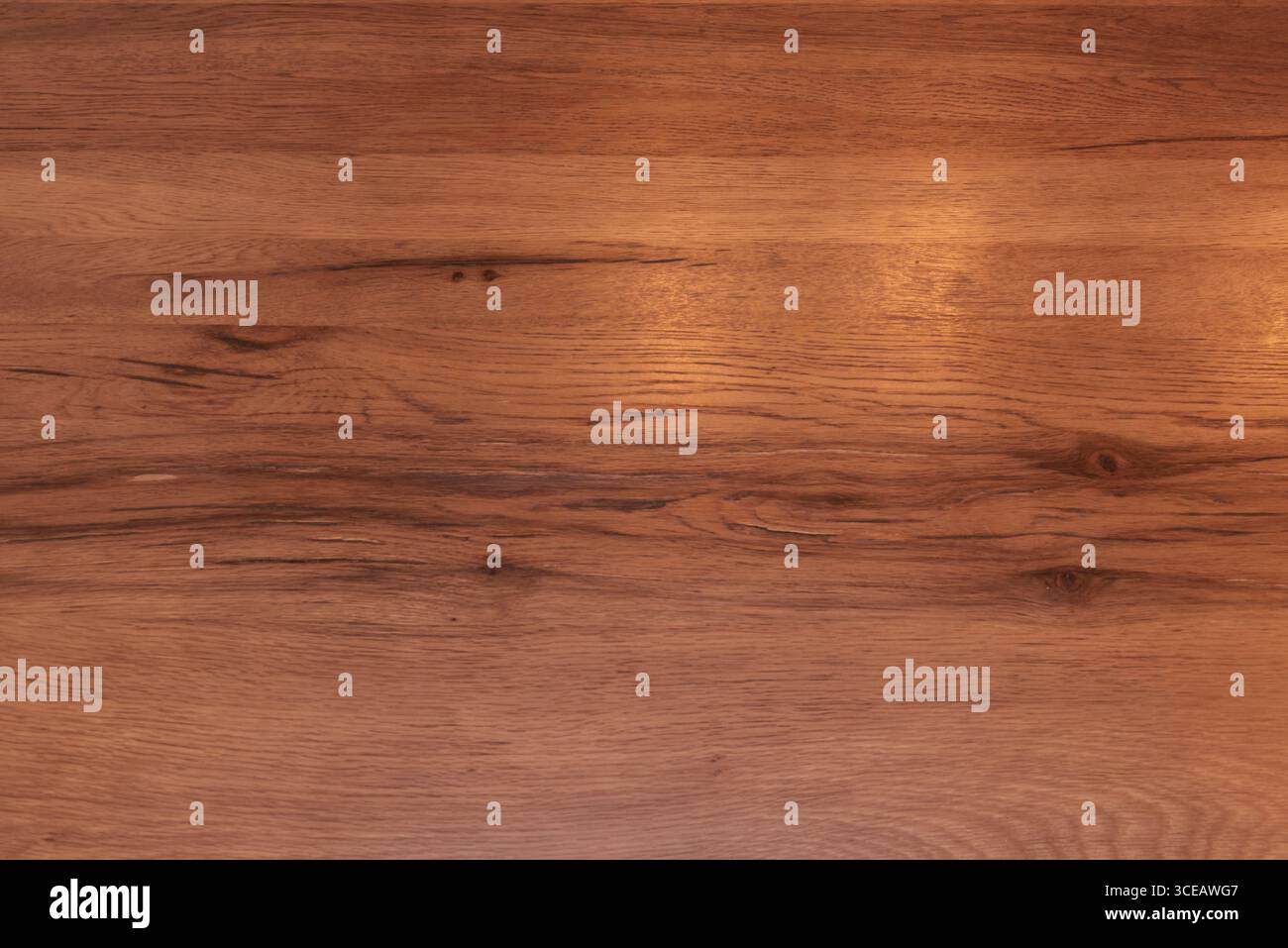
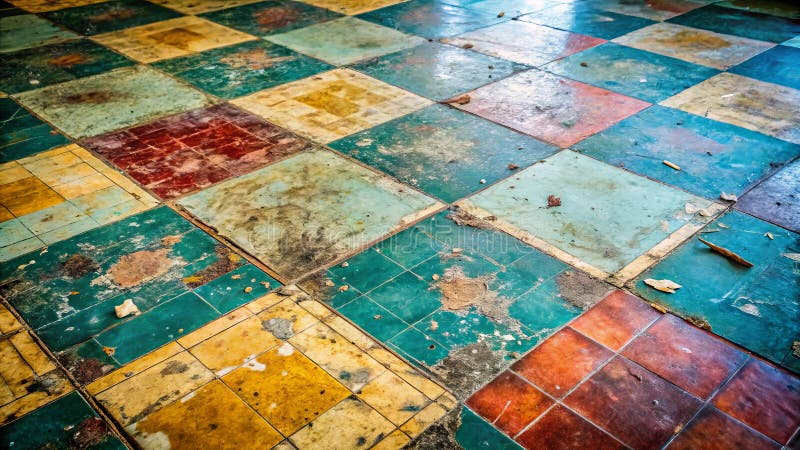
The faint scent of linseed oil and wood flour hangs heavily in the air of a high-end design studio in downtown Copenhagen. Unrolled across a massive drafting table is a sheet of material that looks more like butterscotch-tinted leather than traditional industrial flooring. An architect runs a calloused thumb over its warm, matte surface, admiring how it yields slightly to the touch before springing back. This is not the cheap, peeling vinyl from your grandmother’s 1970s utility room. This is genuine linoleum, and it has quietly staged one of the most remarkable coups in contemporary interior architecture.
For decades, this organic material suffered an identity crisis. It was frequently confused with cheap polyvinyl chloride (PVC) sheet goods, relegated to the status of a low-cost, utilitarian afterthought in school corridors and hospital basements. But as the architecture and design industry reckons with the heavy carbon footprint of synthetic building supplies, a quiet revolution is taking root. Designers are looking backward to find a path forward, stripping away petroleum-based polymers to rediscover a material invented back in 1860 by English rubber manufacturer Frederick Walton.
Today’s linoleum is a far cry from its rigid, monochromatic ancestors. Driven by sophisticated manufacturing techniques, digital spatial planning, and an urgent demand for circular economy principles, the material is appearing everywhere from trendy urban loft kitchens to avant-garde commercial spaces. Architects are no longer just laying it on floors; they are wrapping it around curved kitchen islands, using it as wall paneling, and treating it as an experimental, carbon-negative canvas. It represents a rare intersection of rigorous environmental integrity and high-design versatility that few modern materials can match.
The Botanical Alchemy Behind the Material’s Resurrection
To understand why contemporary designers are obsessing over linoleum, you have to look down at the molecular level. Unlike vinyl or laminate, which rely on petrochemical extraction, genuine linoleum is a masterclass in agricultural circularity. Its primary ingredient is linseed oil, pressed from the seeds of the flax plant. This oil is mixed with wood flour—derived from the waste products of the timber industry—ground cork, tree rosins, and limestone. These raw components are combined under intense heat and pressure, then pressed onto a natural jute backing fabric.
This formulation yields a material with a radically different life-cycle profile than synthetic flooring. When a linoleum floor reaches the end of its decades-long life, it does not sit indefinitely in a landfill releasing toxic microplastics. Because it is composed entirely of biodegradable organic compounds, it can safely decompose under the right conditions, or be upcycled. Furthermore, the harvesting of flax and cork trees acts as a natural carbon sink. Flax grows rapidly without heavy synthetic fertilizers or intensive irrigation, making its agricultural footprint exceptionally light compared to the energy-intensive cracking of crude oil required to manufacture PVC.
Beyond its green credentials, the material possesses a unique physical characteristic that sets it apart: it is intrinsically antibacterial and antistatic. Linseed oil undergoes a continuous natural oxidation process that creates an inhospitable environment for dust mites, bacteria, and pathogens. In a post-pandemic design landscape where indoor air quality and surface hygiene occupy center stage, this natural property is a massive selling point. Synthetic floors often require harsh chemical sealants and anti-microbial coatings to achieve similar sanitary standards, whereas linoleum achieves it through pure, unadulterated chemistry.
Rethinking Aesthetics in a Low-Carbon Design Economy
For years, the design world operated under a false dichotomy: you could either have a sustainable interior or a visually stunning one, but rarely both without significant financial pain. Linoleum shatters this compromise. Modern manufacturers have completely overhauled their color palettes, replacing the dull, institutional speckles of the past with sophisticated, muted earth tones, deep indigos, terracotta hues, and rich, desaturated greens that align perfectly with contemporary biophilic design movements.
The aesthetic versatility of the material stems from how the color is integrated throughout the entire thickness of the sheet, rather than just printed on a thin wear layer. Because the design goes all the way through, minor scratches or gouges do not reveal a contrasting backing color; they simply blend into the surrounding patina. This through-body pigmentation gives linoleum a rich, tactile depth that catches natural light in ways that cold, glossy laminates and sterile ceramic tiles simply cannot replicate.
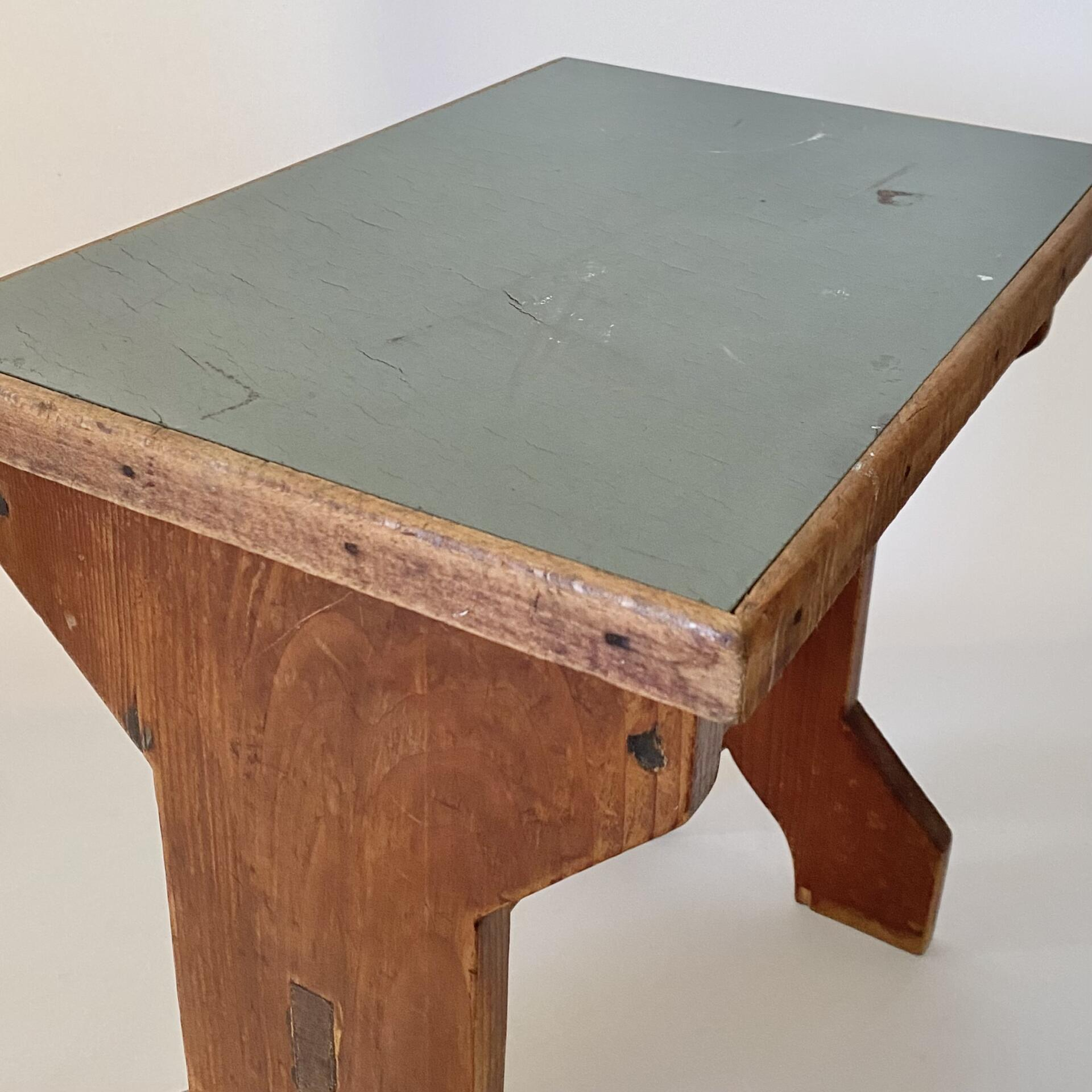
Designers are also exploiting its flexibility in unexpected vertical applications. Cabinet makers and millwork specialists are wrapping doors and drawer fronts in matte linoleum to create seamless, fingerprint-resistant surfaces that feel silky to the touch. This blurring of lines between horizontal and vertical surfaces allows for a cohesive, monochromatic design language where floors, walls, and furniture flow into one another. It transforms a room from a collection of disparate objects into a unified, calming spatial experience.
Navigating the Precision Installation Process
Working with genuine linoleum requires a distinct set of skills compared to laying down modern click-lock vinyl planks. Because it is a natural, organic product, it is sensitive to environmental changes during installation, meaning installers must respect its living nature to achieve a flawless finish. Ignoring these installation nuances can lead to gapping, buckling, or premature edge lifting, turning an eco-friendly dream into a costly renovation nightmare.
- Step 1 (Acclimatization): Store the linoleum rolls or tiles flat in the target room for at least 48 hours prior to installation, maintaining a stable ambient temperature between 65°F and 75°F to prevent thermal shock and expansion issues.
- Step 2 (Subfloor Preparation): Ensure the subfloor—typically a high-density cementitious underlayment or exterior-grade plywood—is completely flat, dry, structural, and free of dust, grease, or old adhesive residues that could compromise the bond.
- Step 3 (Adhesive Application): Apply a solvent-free, acrylic-based dispersion adhesive using a fine-notched trowel, allowing the glue to tack up properly before carefully rolling the linoleum sheet into place to expel trapped air bubbles.
- Step 4 (Seam Welding): For moisture-prone areas like kitchens or bathrooms, heat-weld the seams using a matching color rod and a grooving tool to create a monolithic, watertight surface barrier.
- Step 5 (Initial Maintenance and Curing): Allow the adhesive to cure fully for 48 to 72 hours before placing heavy furniture on the surface, and apply an initial factory-grade protective polish to seal the oxidized oils.
Avoiding Common Pitfalls and Working Around Material Quirks
Every specialized material comes with a learning curve, and linoleum is no exception. Installers and homeowners alike often stumble when they treat organic linoleum like synthetic plastic. Understanding these material quirks before the first cut is made will save you from expensive callbacks and ruined installations.
- Pitfall 1 (Moisture Damage from Below): Installing linoleum over a damp concrete slab with high hydrostatic pressure will cause the jute backing to rot and the adhesive to fail. Always perform a calcium chloride or relative humidity moisture test and install an effective vapor barrier.
- Pitfall 2 (Thermal Shock and Brittleness): Unrolling cold linoleum straight from a winter delivery truck will cause the material to crack and snap like brittle paper. Always bring the material up to room temperature before handling or cutting.
- Pitfall 3 (Incorrect Chemical Cleaners): Scrubbing linoleum with harsh alkaline cleaners, ammonia, or high-pH soaps will strip the natural linseed oil finish and cause the surface to yellow permanently. Stick strictly to neutral-pH, specialized linoleum soaps.
- Pitfall 4 (Improper Seam Placement): Placing seams in high-traffic pivot zones or directly in front of dishwashers and sinks increases the risk of edge curling and moisture infiltration. Plan your layout sheets to keep seams away from heavy water exposure.
- Pitfall 5 (Ignoring the Natural Ambering Effect): Freshly unrolled linoleum can sometimes exhibit a yellowish tint known as "linoleum bloom," which is caused by temporary linseed oil oxidation in the dark packaging. Do not panic; exposing the floor to natural sunlight for a few days will cause this yellowing to fade entirely.
The Economic and Environmental ROI of Natural Surfaces
When developers evaluate project budgets, the conversation inevitably circles back to initial square-foot costs. At first glance, genuine linoleum commands a higher material and installation price tag than cheap peel-and-stick vinyl tiles or budget-grade laminates. However, evaluating flooring strictly on upfront purchase price is a short-sighted metric that ignores the broader economic and ecological realities of the built environment.
When maintained correctly through periodic buffing and gentle cleaning, high-quality linoleum easily lasts upwards of thirty to forty years. In heavily trafficked commercial settings where vinyl would need to be ripped out and replaced every decade due to wear-layer delamination, linoleum can simply be sanded down slightly, refinished, and polished back to its original glory. This longevity drastically slashes the lifecycle cost of the building, reducing material consumption and labor expenditure over the life of the asset.
Furthermore, the choice of linoleum acts as a tangible asset for green building certifications such as LEED, WELL, and BREEAM. Because the material contributes zero toxic off-gassing, boasts a low carbon footprint, and carries official ecolabels like the Nordic Swan or Blue Angel, it helps architects secure valuable sustainability credits. In an era where corporate tenants and discerning homeowners actively seek out spaces that reflect their ethical values, specifying a carbon-negative, biodegradable floor is a powerful market differentiator.
Frameworks for Integrating Linoleum into Modern Interior Schemes
Successfully weaving linoleum into a contemporary interior requires a delicate balance of respect for its retro heritage and bold, modern spatial planning. It should not be treated as a mere background canvas, but rather as an active participant in the architectural narrative of the room.
- Focus on Continuity: Use the same linoleum colorway across multiple planes—such as matching kitchen flooring with island vertical cladding—to create an immersive, sculptural block of color that grounds an open-plan living space.
- Contrast Textures: Pair the smooth, matte finish of linoleum with rough, raw materials like board-formed concrete, exposed brick, or warm white oak cabinetry to create a rich tactile dialogue within the room.
- Embrace Geometric Inlays: Take advantage of linoleum’s ease of cutting to create custom color-blocked borders, geometric inlays, or subtle zoning lines that help navigate open-plan layouts without the need for physical walls.
- Prioritize Natural Light: Position linoleum surfaces where they can capture low-angle daylight, allowing the subtle sheen of the linseed oil and the organic variations of the wood flour to reveal their depth.
The renaissance of linoleum is much more than a fleeting design trend or a nostalgic nod to mid-century modern kitchens. It is a profound symptom of a wider cultural shift away from disposable consumerism and toward a regenerative design economy. As architects and interior designers grapple with the finite resources of our planet, the materials we choose to walk on every day matter more than ever.
By looking past the synthetic sheen of plastics and embracing the organic wisdom of linseed oil, cork, and jute, we are closing the loop between nature and the built environment. Linoleum reminds us that innovation does not always mean inventing a new petroleum compound in a lab. Sometimes, true progress lies in perfecting an 1860s formula, dusting it off, and letting it shape the sustainable, beautiful spaces of tomorrow.