The faint, sweet smell of fermenting apple cores and coffee grounds hits you the moment you open the under-sink cabinet of a 400-square-foot studio apartment. In compact living quarters, waste management is rarely just a matter of convenience; it is an immediate sensory negotiation. When square footage shrinks, every square inch of floor and cabinet real estate commands a premium. Traditional sprawling garbage bins and multi-bin recycling stations simply do not work when they block the dishwasher door or force you to sacrifice valuable pantry storage.
Urban dwellers and tiny-home enthusiasts face a distinct logistical puzzle. You want to maintain a rigorous eco-conscious lifestyle—separating wet food scraps, flattening cardboard boxes, sorting soft plastics, and managing rigid containers—without turning your living room into an improvised materials recovery facility. The standard advice of "just buy a bigger bin" or "stash your recyclables on the balcony" falls apart when balconies are non-existent and floor space is measured in inches.
To solve this, we have to look past aesthetic-only Pinterest trends and examine what actually works under real-world conditions. Small spaces serve as unforgiving testing grounds for waste management. If a strategy requires too many steps, generates anaerobic odors, or takes up precious walking paths, it gets abandoned within a week. Designing an effective waste system in close quarters requires re-evaluating how material flows through your home, leveraging vertical planes, and matching disposal frequency to bin capacity.
The Geometry of Garbage: Rethinking Volume Versus Frequency in Compact Environments
The foundational mistake most people make in small-format homes is trying to replicate suburban waste habits on a micro scale. In a large house with a sprawling kitchen, oversized bins act as buffers. You throw things away and forget about them for days. In a tiny home or studio apartment, an oversized bin becomes an anchor that swallows usable storage and invites the accumulation of stagnant refuse. The secret lies in flipping the equation from volume capacity to turnover frequency.
Wet waste, in particular, demands immediate attention. Organic matter begins to break down rapidly, generating anaerobic bacteria and volatile organic compounds that cling stubbornly to nearby soft fabrics, upholstery, and wooden cabinetry. When you shrink your bin size—say, moving from a 13-gallon behemoth to a pair of streamlined 3-gallon vessels—you force a habit shift. You empty the bin every twenty-four to forty-eight hours. This simple cadence eliminates odor problems before they start and prevents pests from finding an inviting, stable habitat inside your living space.
Material science also plays a vital role in small-space waste engineering. Rigid, non-porous polypropylene bins with tight-fitting silicone gaskets are vastly superior to flexible mesh or open wire frames. They contain liquids if a container leaks and prevent ambient moisture from interacting with dry trash or paper recycling. By treating your waste infrastructure like a high-performance system rather than an afterthought, you reclaim physical space while upgrading your home’s environmental hygiene.
Vertical Architecture and Cabinet Optimization Strategies
When floor space is scarce, looking down or sideways is a dead end. The only direction left to expand is upward and inward. Cabinet interiors, dead corners, and vertical wall surfaces represent underutilized real estate that can easily accommodate sophisticated sorting systems without encroaching on your living area.
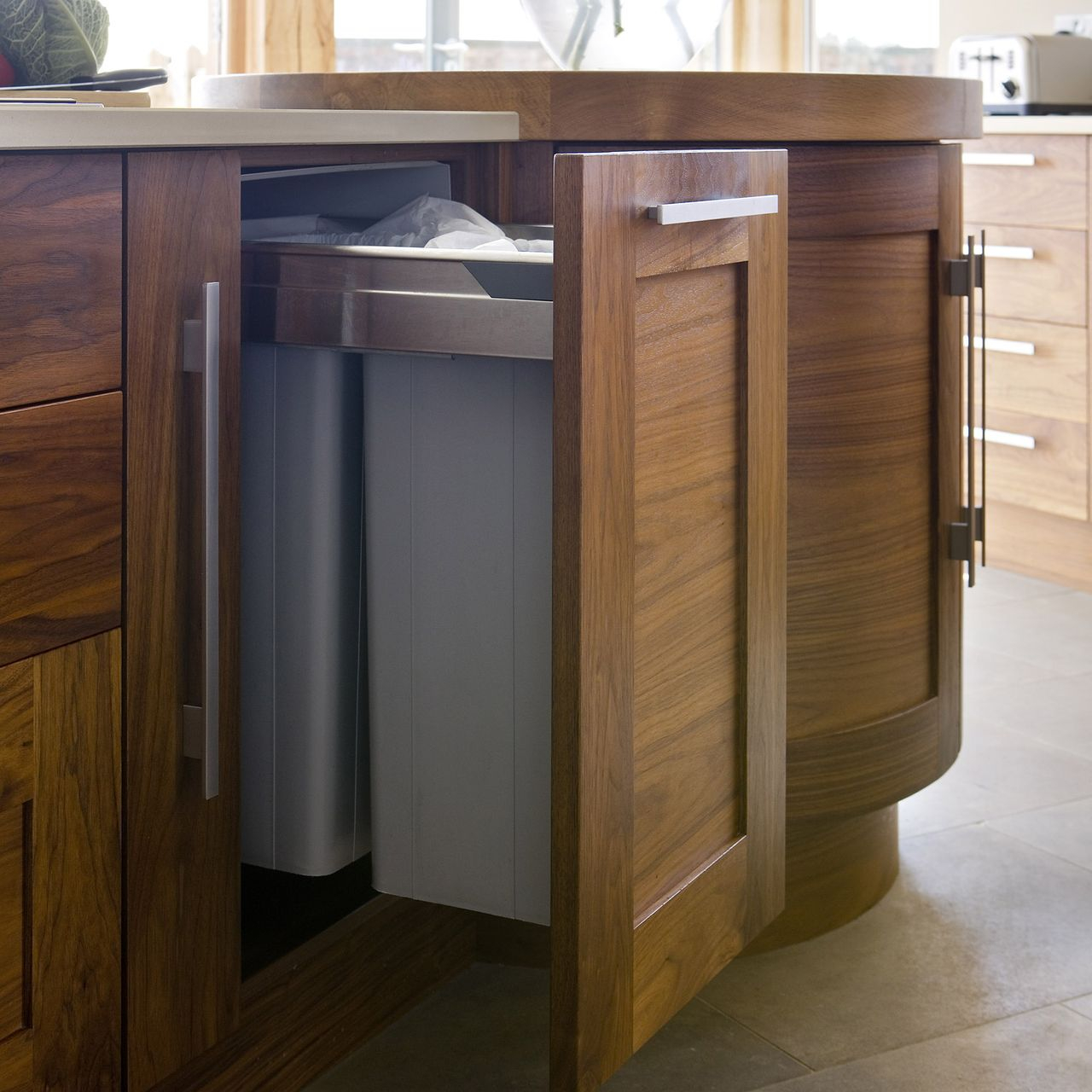
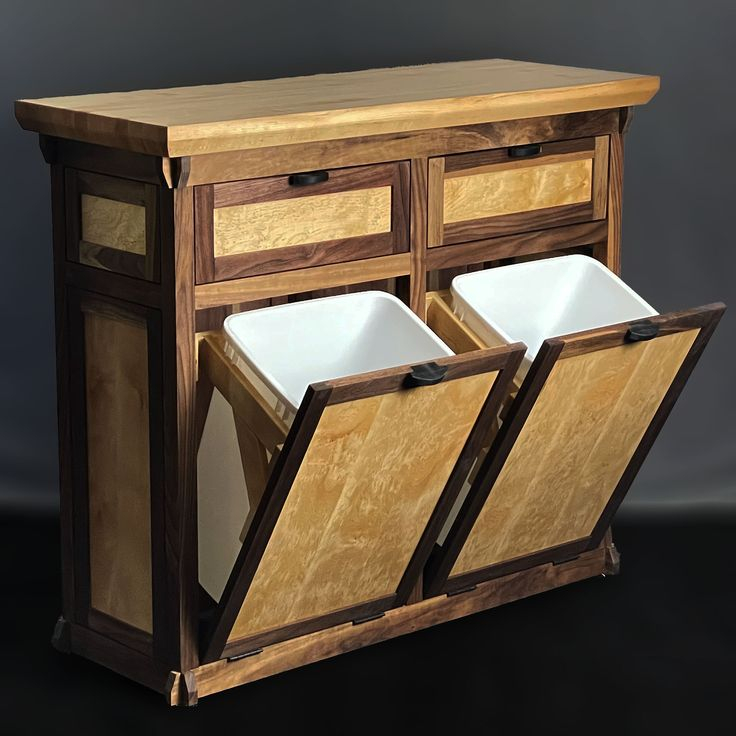
Consider the interior of your under-sink cabinet. Plumbing traps often create awkward, dead zones that traditional rectangular bins cannot navigate. Modular, step-trash configurations or sliding multi-tier rails that mount directly to the cabinet floor allow bins to nest vertically or glide outward in sequence. By utilizing tiered sliding racks, you can stack a recycling bin underneath a general waste bin, cutting your horizontal footprint in half. Door-mounted hook systems also offer a clever alternative for collecting soft plastics, compostable grocery bags, or small miscellaneous items, keeping them off the floor entirely.
For those who lack lower cabinet space altogether, vertical freestanding towers have transformed compact waste management. These slim-profile, multi-compartment vertical sorters stack recycling, compost, and landfill bins directly on top of one another. Occupying a footprint no larger than a standard bar stool, they utilize height to provide the same sorting capabilities as a large kitchen station. The key is prioritizing frequency of access: place the compartment you use most frequently at waist height, relegating less common categories like glass recycling to the bottom tier.
Step-by-Step Methodology for Designing Your Micro-Waste System
Building a waste management system that survives daily friction requires a deliberate, methodical approach. Follow this structured framework to assess your waste stream, select the right hardware, and implement a seamless workflow in your compact home.
- Step 1 (Audit Your Material Stream): Track every piece of trash, compost, and recycling you generate for seven consecutive days. Note the exact volumes of wet organic matter, paper, plastic, and glass to avoid buying oversized bins for materials you rarely produce.
- Step 2 (Map Spatial Constraints): Measure your available cabinet clearances, door swing radiuses, and potential floor footprints down to the quarter-inch. Account for plumbing lines, electrical outlets, and appliance doors so your new bins never obstruct daily movement.
- Step 3 (Select Modular, Sealable Hardware): Choose multi-compartment vertical towers or under-counter sliding racks constructed from durable, easy-to-clean polypropylene or stainless steel with airtight seals to lock in moisture and odors.
- Step 4 (Establish a Daily Evacuation Cadence): Set a non-negotiable schedule for emptying organic and wet waste bins every 24 to 48 hours, pairing this chore with existing routines like making morning coffee or taking out the dog.
- Step 5 (Optimize Auxiliary Processing Stations): Designate a secondary consolidation spot—such as a storage bench, entryway drop-zone, or pantry shelf—for bulkier recyclables like flattened cardboard boxes that cannot fit directly into your primary micro-bins.
Common Pitfalls and Field-Tested Workarounds for Small-Space Living
Even the best-laid waste plans can derail when faced with the realities of compact living. Anticipating these missteps saves you from recurring frustrations and messy cleanups.
- Pitfall 1 (Underestimating Odor Generation in Warm Weather): Leaving organic scraps in a warm kitchen cabinet leads to rapid decomposition and fruit fly infestations. Workaround: Freeze your food scraps in a small, sealed silicone bag or container in your freezer until garbage day, completely eliminating odor and pest issues.
- Pitfall 2 (Allowing Cardboard and Paper to Consume All Available Space): Unbroken delivery boxes and mail quickly overflow small recycling bins. Workaround: Keep a dedicated box cutter or heavy-duty utility shears mounted on the refrigerator with a magnetic strip, breaking down boxes flat immediately upon opening.
- Pitfall 3 (Choosing Aesthetic Style Over Cleaning Practicality): Open woven baskets or fabric-lined bins look charming on design blogs but absorb food spills and moisture, becoming unsanitary. Workaround: Stick strictly to smooth, wipeable interior surfaces like medical-grade plastics or coated metals that can be sanitized with disinfectant spray.
- Pitfall 4 (Ignoring Ergonomic Clearance and Jamming Bins): Installing pull-out bins that collide with cabinet pulls or require awkward bending causes daily friction and eventual abandonment of the system. Workaround: Test sliding mechanisms with cardboard mockups before purchasing expensive hardware to verify smooth operation in tight quarters.
- Pitfall 5 (Failing to Plan for Interim Storage of Special Recyclables): Items like batteries, lightbulbs, and electronics clutter counters because they have no designated home. Workaround: Dedicate a single small, lidded shoebox-sized container on a high shelf or inside a utility closet strictly for miscellaneous electronic waste and hard-to-recycle items.
The Broader Environmental and Psychological Dividends of Compact Waste Control
Managing waste efficiently in a small space does more than just keep your apartment smelling fresh; it fundamentally alters your relationship with consumption. When physical storage is scarce, every item entering your home carries an immediate spatial cost. You begin to notice the absurd amount of secondary packaging attached to everyday grocery items—plastic windows on cardboard boxes, unnecessary foil seals, and oversized wrappers. This spatial constraint acts as a natural deterrent against impulse buying and single-use packaging.
Furthermore, streamlining your waste habits builds mindfulness. In a sprawling suburban home, garbage is easily dismissed out of sight and out of mind. In a compact urban home, waste is intimate. You handle it frequently, you see it, and you must manage its flow with intention. This proximity fosters a deeper ecological awareness, turning mundane chores into a tactile exercise in personal responsibility and circular living.
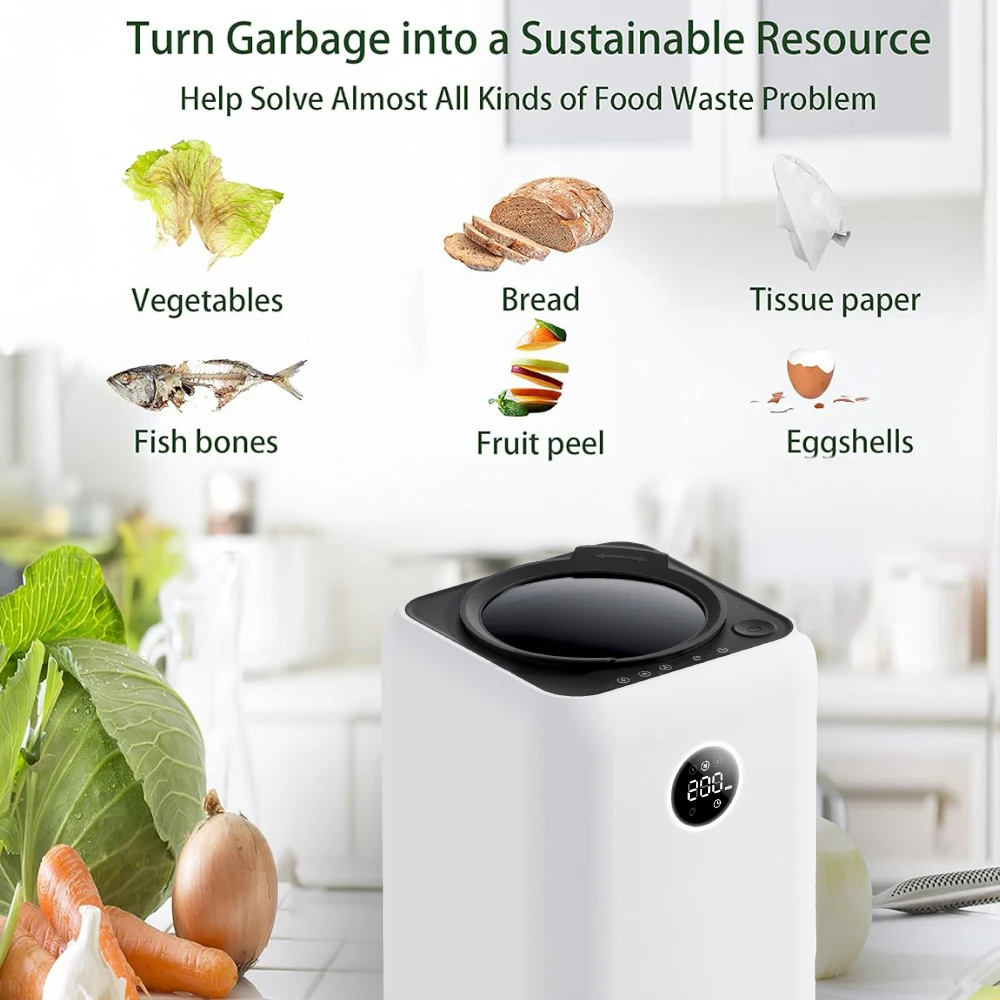
Economically, mastering small-space waste management reduces reliance on single-use storage bags, chemical deodorizers, and specialized cleaning agents. By utilizing washable, durable containers and freezing organic waste rather than buying expensive countertop composters with active carbon filters, you save money while shrinking your household’s overall environmental footprint.
Practical Frameworks for Long-Term Maintenance and Evolution
A waste system that functions brilliantly in winter might fail during the humid heat of summer, or when your household routines shift. Maintaining long-term success requires periodic evaluation and a willingness to tweak your setup as your lifestyle changes.
Begin by establishing seasonal check-ins. Every three months, assess whether your current bin sizes match your seasonal habits—for instance, whether you are generating more glass bottles in the summer or more cardboard packaging during winter holiday shopping. Adjust your sorting parameters accordingly. Keep your cleaning routine simple: wipe down your bins weekly with a mild vinegar solution or eco-friendly disinfectant to prevent sticky residue buildup.
Engage with your local municipal waste and composting guidelines regularly, as recycling streams and rules frequently update. Knowing exactly what your local facility accepts prevents "wishcycling"—the habit of tossing questionable items into the recycling bin in hopes they will be processed, which often contaminates entire batches of recyclable materials. By staying informed, you ensure that your meticulous sorting efforts actually translate into real-world recycling success.
Conquering waste management in a small space is ultimately an exercise in design intelligence rather than square footage. When you stop fighting your physical constraints and instead design around them, living compactly ceases to feel like a series of frustrating compromises. Instead, it becomes an exercise in clarity, efficiency, and intentional living.
The next time you open your cabinet door, view it not as a cramped storage problem, but as a streamlined logistical hub. By embracing frequent turnover, vertical storage, and thoughtful material sorting, you transform a mundane household chore into a seamless daily ritual. Small spaces demand our respect, but in return, they teach us how to live lighter, cleaner, and with far greater purpose.