You know that feeling when you step outside with your morning coffee, ready to soak in the quiet, but then you spot your neighbor’s dog staring right at you? Or maybe it’s the glare of the afternoon sun hitting your eyes just as you’re trying to read. It ruins the vibe. We all want our outdoor spaces to feel like an extension of our living rooms—cozy, safe, and ours. But let’s be real, most patios are basically fishbowls.
The good news is, you don’t need to build a brick wall or spend a fortune on landscaping to fix it. In 2026, the trend is all about softness. Fabric. Movement. Light. Outdoor curtains are having a massive moment because they solve two problems at once: privacy and atmosphere. They soften hard edges, block prying eyes, and make even the smallest concrete slab feel like a boutique hotel suite. And the best part? You can do it yourself this weekend without breaking the bank.
Choosing the Right Fabric for the Elements
First things first, you can’t just hang any old sheet out there. The sun, rain, and wind are tough on materials. If you use indoor curtains, they’ll fade, mildew, and tear within a season. You need fabric that’s built for the outdoors. Look for terms like "solution-dyed acrylic" or "marine-grade canvas." These materials are designed to resist UV rays and repel water. Sunbrella is the gold standard, sure, but there are plenty of affordable alternatives hitting the market in 2026 that perform just as well for half the price.
Weight matters too. You want something heavy enough to hang straight and not flap around like a flag in a breeze, but not so heavy that it sags your rod. A medium-weight canvas or a tight-weave polyester blend usually hits the sweet spot. If you’re worried about transparency, hold the fabric up to a light bulb before you buy. If you can see the bulb clearly, your neighbors will see you clearly. Aim for a tighter weave or a darker color if total privacy is the goal. Lighter colors reflect heat, which is nice in summer, but they show dirt faster. Darker colors absorb heat but hide stains. It’s a trade-off.
Don’t forget about maintenance. One of the biggest perks of modern outdoor fabrics is that they’re low-maintenance. Most can be hosed down or wiped with a mild soap solution. Avoid fabrics that require dry cleaning or special treatments. You want to enjoy your sanctuary, not spend your weekends babysitting it. Also, check if the fabric is mold and mildew resistant. Humidity happens, especially if you live in a damp climate. A quick spray of a vinegar-water mix once a season can keep things fresh, but starting with resistant fabric saves you a lot of headache later.
Hardware Hacks That Won’t Break the Bank
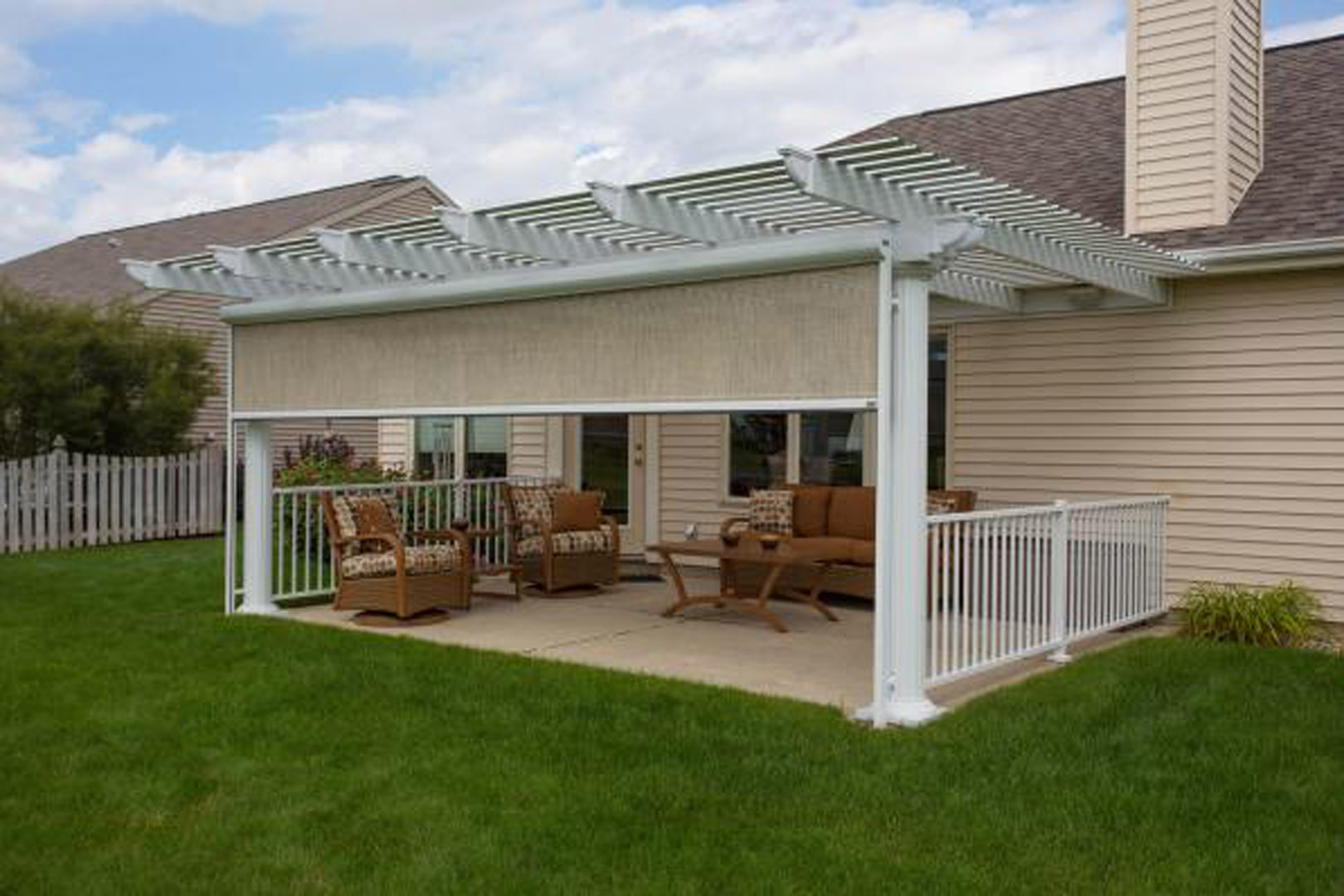
Here’s where people get stuck. They think they need to drill holes into their pergola or rent a power tool. Not true. There are so many no-drill options now that it’s almost silly to damage your property. Tension rods are a classic hack for enclosed patios or between two walls. Just make sure you measure tightly; if the rod is too loose, it’ll slip down when you pull the curtains. For open sides, consider using sturdy cable kits. These look sleek and modern, almost invisible, letting the fabric take center stage.
If you do have a wooden beam or pergola, screw-in eye hooks are cheap and effective. You can thread rope, wire, or a curtain rod through them. Use stainless steel or coated hooks to prevent rust stains on your white curtains. Rust is the enemy. Another clever trick? Use existing structures. Wrap curtains around existing posts using heavy-duty zip ties or velvet straps if you want a softer look. It’s temporary, adjustable, and costs next to nothing. Just ensure the ties are tight so the fabric doesn’t sag in the middle.
For a more polished look without the construction, freestanding curtain stands are gaining popularity. They’re like indoor clothing racks but heavier and weather-resistant. You can move them around depending on the sun’s position or if you’re hosting a party and want an open layout. This flexibility is huge for small spaces. You’re not committed to one configuration. Plus, if you move houses, you take the stand with you. No leaving holes in the wall for the next owner. It’s a win-win.
The Drop Cloth Secret Weapon
Let’s talk budget. If you want the look of high-end linen without the price tag, head to the hardware store, not the home decor aisle. Canvas drop cloths are the ultimate DIY secret. They’re durable, naturally neutral in color, and incredibly cheap. A 9×12 foot drop cloth can cost less than $20. Compare that to $100+ for a single outdoor panel. The texture is rougher, sure, but that adds to the rustic, relaxed vibe. It feels authentic, not manufactured.
To make them look intentional, you need to finish the edges. You can sew a hem if you have a machine, but honestly, fabric glue or iron-on hem tape works fine for a quick fix. If you’re going for a boho look, leave the raw edges and let them fray slightly over time. It adds character. You can also dye them. Rit dye works on canvas, so if you want a sage green or a deep terracotta, you can customize the color to match your cushions. Just remember to wash out the excess dye thoroughly so it doesn’t bleed on your patio furniture.
Hanging drop cloths is easy because they’re heavy. They hang beautifully without needing a lining. You can grommet the top yourself with a kit from the craft store, or just drape them over a rod for a casual, gathered look. If you go the grommet route, space them out every 6-8 inches for smooth sliding. If you drape them, use clip rings to attach them to the rod. This allows you to pull them open and closed easily. It’s a simple upgrade that makes a massive visual impact. People will assume you spent a fortune.
Layering for Depth and Function
One curtain is functional, but two layers are magical. Think about how hotels do it. Sheer inner layer for light filtering, heavy outer layer for privacy. You can do this on your patio too. Start with a sheer, outdoor-rated voile or mesh curtain. This softens the harsh sunlight and creates a dreamy, ethereal glow during the day. It keeps the space feeling open and airy while still blurring the view from the outside. It’s like putting sunglasses on your patio.
Then, add your heavier privacy curtains on the outside. These can be pulled closed when you want total seclusion or when the sun gets too intense in the late afternoon. The layering adds depth and texture to the space. It makes the patio feel furnished and complete, rather than just an empty slab with some fabric hanging on it. Mix patterns and solids carefully. If your heavy curtains are solid, maybe your sheers have a subtle texture. If your heavy curtains have a bold print, keep the sheers neutral. Don’t overcomplicate it.
This setup also helps with wind. The sheer layer takes the brunt of the breeze, protecting the heavier curtains from whipping around too much. It reduces wear and tear. Plus, you can play with the aesthetics. Leave the sheers closed and the heavy ones open for a soft, romantic evening vibe. Close both for a movie night or a quiet morning reading session. It gives you control over the atmosphere. You’re curating the experience, not just blocking a view.
Styling Tricks for Instant Luxury
It’s not just about hanging fabric; it’s about how you present it. Height is key. Hang your rods as high as possible. Even if your patio ceiling is low, mounting the rod close to the top draws the eye upward and makes the space feel taller and grander. Don’t skimp on width either. Your curtains should extend beyond the window or opening they’re covering. This ensures that when they’re open, they don’t block the view or the light. They should stack neatly to the side.
Fullness matters. Skinny, stretched-out curtains look sad and cheap. Aim for at least 1.5 to 2 times the width of the opening in fabric. This creates those nice, plush folds when the curtains are closed. It looks luxurious and substantial. If you’re using drop cloths or wide fabric, you might need to pleat or gather them to achieve this fullness. Clip rings with pleats pre-sewn can help, or you can just bunch them manually on the rod.
Accessorize with tiebacks. When the curtains are open, secure them with stylish tiebacks. You can buy outdoor-rated rope tiebacks, or make your own using thick jute cord or even leather straps. This keeps the fabric neat and prevents it from blowing around in the wind. It also adds a decorative element. A tassel or a wooden bead on the end of the tieback adds a nice touch. Small details like this elevate the whole look. It shows you put thought into it. And don’t forget to steam or iron your curtains before hanging them. Wrinkles happen, but a quick steam makes them look crisp and new.
Outdoor curtains aren’t set-it-and-forget-it. They need a little love to last. At the start of each season, give them a good clean. Hose them down or toss them in the washing machine if the care label allows. Use a mild detergent. Avoid bleach, as it can weaken fibers and cause discoloration. Let them air dry completely before rehanging. Damp fabric invites mildew, which is hard to get rid of. If you see any spots, treat them immediately with a mixture of water and vinegar or a specialized outdoor fabric cleaner.
During stormy weather or high winds, take them down if possible. Even sturdy fabrics can tear if they’re whipping violently against a hard surface. If you can’t take them down, tie them back securely. Consider storing them indoors during the off-season if you live in an area with harsh winters. Snow and ice can degrade fabrics over time. Roll them up loosely and store them in a breathable bag in a dry place. Don’t seal them in plastic, as trapped moisture can cause mold.
Inspect the hardware regularly. Check for rust on hooks and rods. Tighten any loose screws. Replace any worn-out ties or rings. A little preventative maintenance goes a long way. It keeps your sanctuary looking fresh and inviting year after year. And if a panel gets damaged beyond repair, replace just that one. You don’t need to redo the whole setup. Keep a bit of extra fabric from your initial project for patches or replacements. It’s smart planning.
Creating a private patio sanctuary doesn’t require a contractor or a huge budget. It’s about using soft materials to create hard boundaries. Curtains offer flexibility, style, and comfort in a way that walls and fences just can’t. They allow you to control light, view, and atmosphere with a simple pull of fabric. Whether you go the high-end route with custom acrylics or the DIY route with drop cloths, the result is the same: a space that feels like yours.
So, measure your space, pick your fabric, and get hanging. Don’t overthink it. The imperfections add charm. The goal is to create a place where you can relax, breathe, and disconnect from the noise of the world. Your neighbors might peek, but they’ll mostly just see a beautiful, serene retreat that makes them wish they had one too. Enjoy the process. Enjoy the privacy. And enjoy that morning coffee without an audience.
[sps_html tag=”img” src=”https://cdn.northcarolinafinearchitecture.com/2026/05/hook-weave-jute-doormat-anthropologie-pertaining-to-outdoor-curtain-design.jpg” alt=”Hook Weave Jute Doormat | Anthropologie pertaining to Outdoor Curtain Design” style=”width: 100%; height: auto;”]
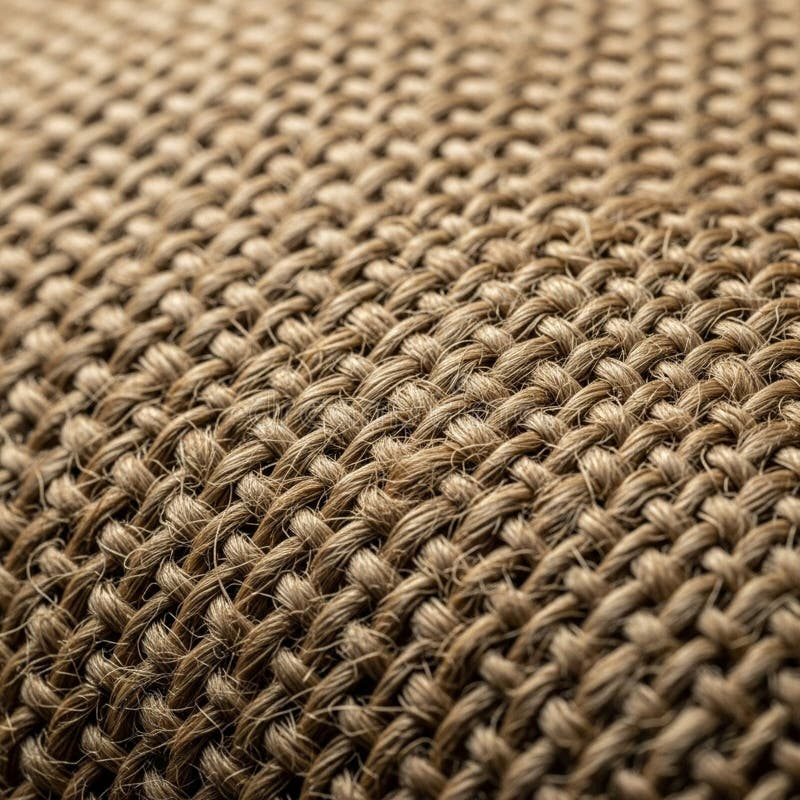
[sps_html tag=”img” src=”https://cdn.northcarolinafinearchitecture.com/2026/05/close-up-of-a-woven-jute-fabric-showcasing-a-textured-interlaced-regarding-why-jute-and-textured-weaves-are-trending-for-rustic-outdoor-spaces-this-year.jpg” alt=”Close-Up Of A Woven Jute Fabric, Showcasing A Textured, Interlaced … regarding Why Jute and Textured Weaves Are Trending for Rustic Outdoor Spaces This Year” style=”width: 100%; height: auto;”]
[sps_html tag=”img” src=”https://cdn.northcarolinafinearchitecture.com/2026/05/high-quality-photo-of-brown-and-cream-canvas-or-rustic-jute-sackcloth-in-outdoor-curtain-design.png” alt=”High Quality Photo Of Brown And Cream Canvas Or Rustic Jute Sackcloth … in Outdoor Curtain Design” style=”width: 100%; height: auto;”]
[sps_html tag=”img” src=”https://cdn.northcarolinafinearchitecture.com/2026/05/background-of-rough-texture-of-natural-jute-fiber-weave-stock-photo-intended-for-outdoor-curtain-design.jpg” alt=”Background Of Rough Texture Of Natural Jute Fiber Weave Stock Photo … intended for Outdoor Curtain Design” style=”width: 100%; height: auto;”]
[sps_html tag=”img” src=”https://cdn.northcarolinafinearchitecture.com/2026/05/do-jute-rugs-fade-at-vincent-flora-blog-intended-for-why-jute-and-textured-weaves-are-trending-for-rustic-outdoor-spaces-this-year.jpg” alt=”Do Jute Rugs Fade At Vincent Flora Blog intended for Why Jute and Textured Weaves Are Trending for Rustic Outdoor Spaces This Year” style=”width: 100%; height: auto;”]