There’s a specific kind of silence that happens when a light bulb burns out. It’s not just the lack of light; it’s the sudden absence of a familiar hum, a tiny heat signature, and a comfort we’ve known for over a century. For decades, changing a bulb was simple. You walked to the store, grabbed a box of 60-watts, and screwed it in. Done. But try doing that today, and you’re met with a wall of confusing acronyms, color temperatures, and price tags that range from fifty cents to fifty dollars. It feels like too much work for something so basic, doesn’t it?
We are living through a quiet revolution in our homes. The shift isn’t just about saving a few bucks on the electric bill—though that helps. It’s about rethinking how we interact with our spaces. In 2026, lighting is no longer just utility; it’s mood, health, and design all rolled into one small glass or plastic package. Whether you are clinging to the last stockpile of vintage Edison bulbs or you’re ready to automate your entire house with smart tech, understanding what’s inside that base matters. Let’s cut through the noise and figure out what actually goes in your lamp.
The Warm Glow We Miss: Understanding Incandescents
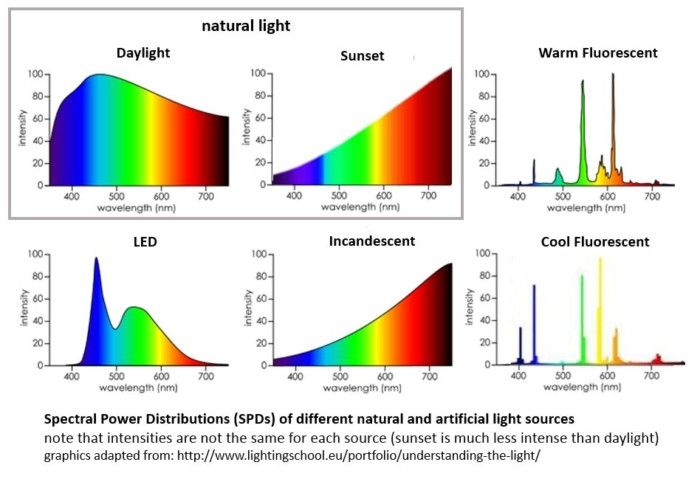
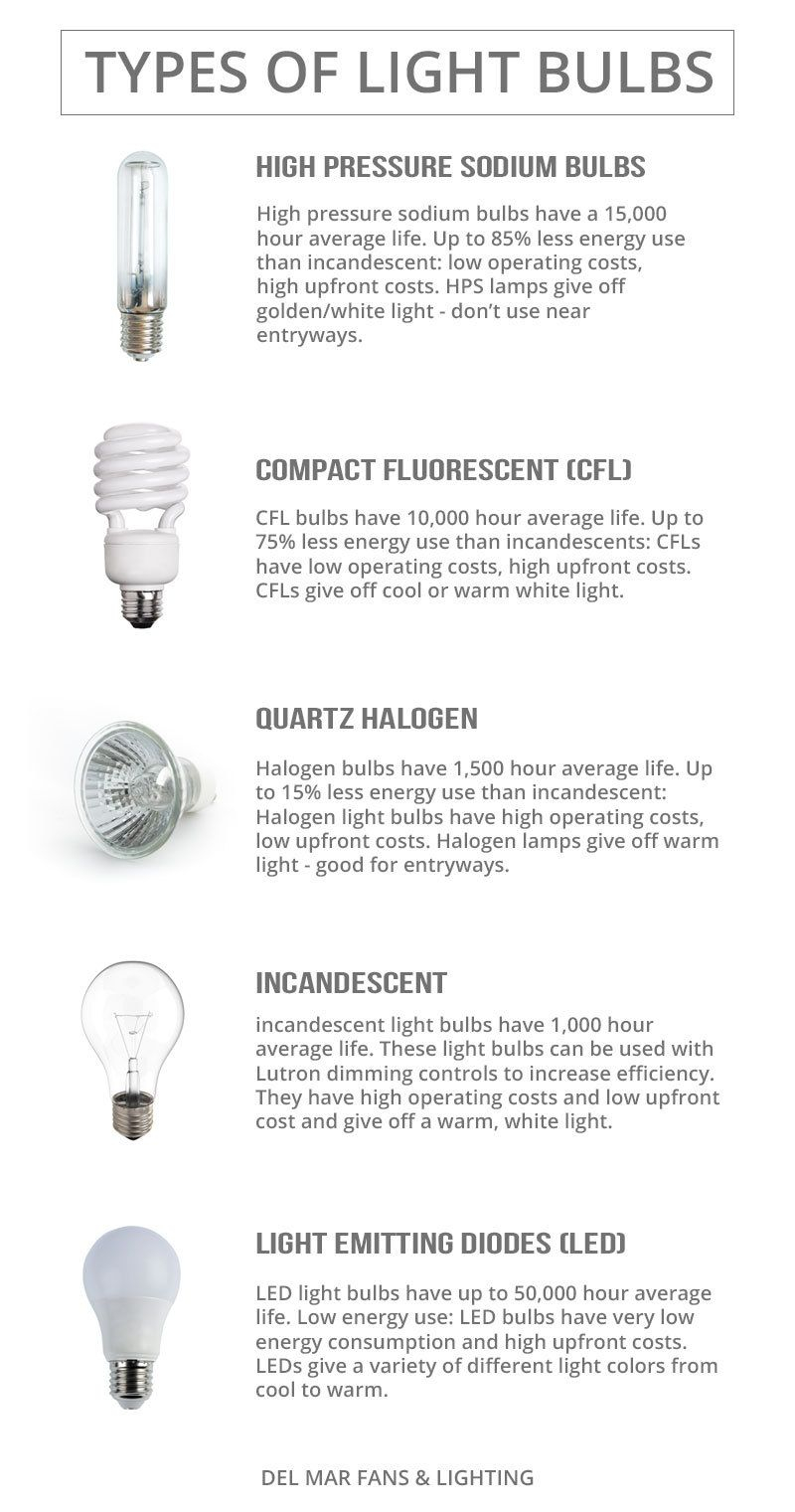
Let’s be honest. We miss incandescent bulbs. There is a reason people still hunt for them in specialty shops or online marketplaces despite the bans and phase-outs. An incandescent bulb works by heating a thin tungsten filament until it glows. It’s primitive, sure. It’s also incredibly inefficient, turning about 90% of its energy into heat and only 10% into light. But that heat? It creates a spectrum of light that is continuous and rich, particularly in the red and orange wavelengths. This is why skin tones look better under them. Why food looks appetizing. Why a room feels "cozy" rather than just "lit."
In 2026, traditional incandescents are largely gone from general retail shelves for standard household use. Energy regulations worldwide have pushed them out because they simply waste too much power. However, they haven’t vanished completely. You can still find them for specific applications: antique reproduction fixtures, oven lights (where LEDs sometimes struggle with high ambient heat), and certain industrial uses. If you have a cherished chandelier that was designed for the shape and sparkle of a clear incandescent, swapping in a modern LED can sometimes feel like putting a digital watch on a tuxedo. It works, but the soul is different.
For those who absolutely cannot let go, there are "halogen-incandescent" hybrids still lingering in some markets. These use a halogen gas cycle to keep the filament cleaner and brighter for longer, offering a slight efficiency boost over pure tungsten. But even these are fading. The nostalgia is real, but the cost of running them is hard to justify when you look at the long-term math. If you do use them, treat them like the delicate, hot, inefficient beauties they are. Use them sparingly, in fixtures that get low usage, and accept that you are paying for ambiance, not efficiency.
The Bright Interlude: Halogens and Their Role Today
Halogens are often grouped with incandescents, and technically, they are cousins. They use a filament too, but they are filled with halogen gas which redeposits evaporated tungsten back onto the filament. This makes them burn hotter, brighter, and last about twice as long as a standard incandescent. For a while in the 2010s, halogens were the go-to replacement for people who hated the early versions of CFLs. They offered instant-on brightness, full dimmability, and that crisp, white light that designers loved for task lighting and retail displays.
Today, halogens occupy a strange middle ground. They are more efficient than old-school incandescents but still far behind LEDs. In 2026, you’ll mostly see them in track lighting heads, under-cabinet puck lights, and some automotive applications. They are excellent at rendering colors accurately (high CRI), which is why artists and photographers sometimes still prefer them for studio work. But they run hot. Really hot. If you touch a halogen bulb after it’s been on for ten minutes, you’ll learn a quick lesson in thermodynamics. This heat output makes them a poor choice for enclosed fixtures or homes with cooling costs concerns.
Are they worth it? Generally, no. Unless you have a very specific fixture that flickers with cheap LEDs or requires a precise beam spread that older halogen dichroic bulbs provided, it’s time to move on. The energy savings from switching to LED equivalents are massive. A 50-watt halogen spotlight can often be replaced by a 5-watt LED that lasts ten times longer. The light quality gap has closed significantly in recent years. High-end LEDs now mimic the crispness of halogens without the fire hazard risk. It’s a technology that had its moment, served us well during the transition, but is now largely obsolete for residential use.
The Spiral That Changed Everything: The CFL Legacy
Remember the spiral bulbs? Compact Fluorescent Lights (CFLs) were the first real challengers to the incandescent throne. Introduced widely in the 90s and 2000s, they promised to use 70% less energy. And they did. But they came with baggage. They took forever to warm up. If you turned one on in a cold garage, you’d wait minutes for it to reach full brightness. They contained mercury, making disposal a hassle and breakage a genuine health concern. And let’s not forget the light quality—early CFLs cast a sickly, greenish hue that made everyone look slightly unwell.
By 2026, CFLs are essentially extinct in new purchases. You might find them in older buildings or in discount bins, but major manufacturers have stopped producing them. Why? Because LEDs got good, fast. LEDs solved every problem CFLs had: they turn on instantly, they don’t contain toxic mercury, they last longer, and they come in a variety of color temperatures. The CFL era was a necessary stepping stone. It taught consumers that light bulbs didn’t have to look like teardrops and that efficiency was possible. But it was a clumsy solution.
If you still have CFLs in your home, please recycle them properly. Do not throw them in the regular trash. The mercury content, while small per bulb, adds up in landfills. Many hardware stores and municipal waste centers have drop-off bins specifically for these. Replacing them with LEDs is one of the easiest home upgrades you can make. You’ll notice the difference immediately. No more waiting for the light to "wake up." Just flip the switch and go. It’s a small change that removes a daily micro-frustration from your life.
The Current King: Why LEDs Dominate in 2026
Light Emitting Diodes (LEDs) are everywhere. They are in your phone, your car, your streetlights, and yes, your living room lamp. Unlike incandescents that burn a filament, or CFLs that excite gas, LEDs pass electricity through a semiconductor material. This process, called electroluminescence, is incredibly efficient. In 2026, an average LED bulb uses about 80-90% less energy than an incandescent to produce the same amount of light. A 60-watt equivalent LED might only draw 8 or 9 watts. Over the lifespan of the bulb, that adds up to serious savings.
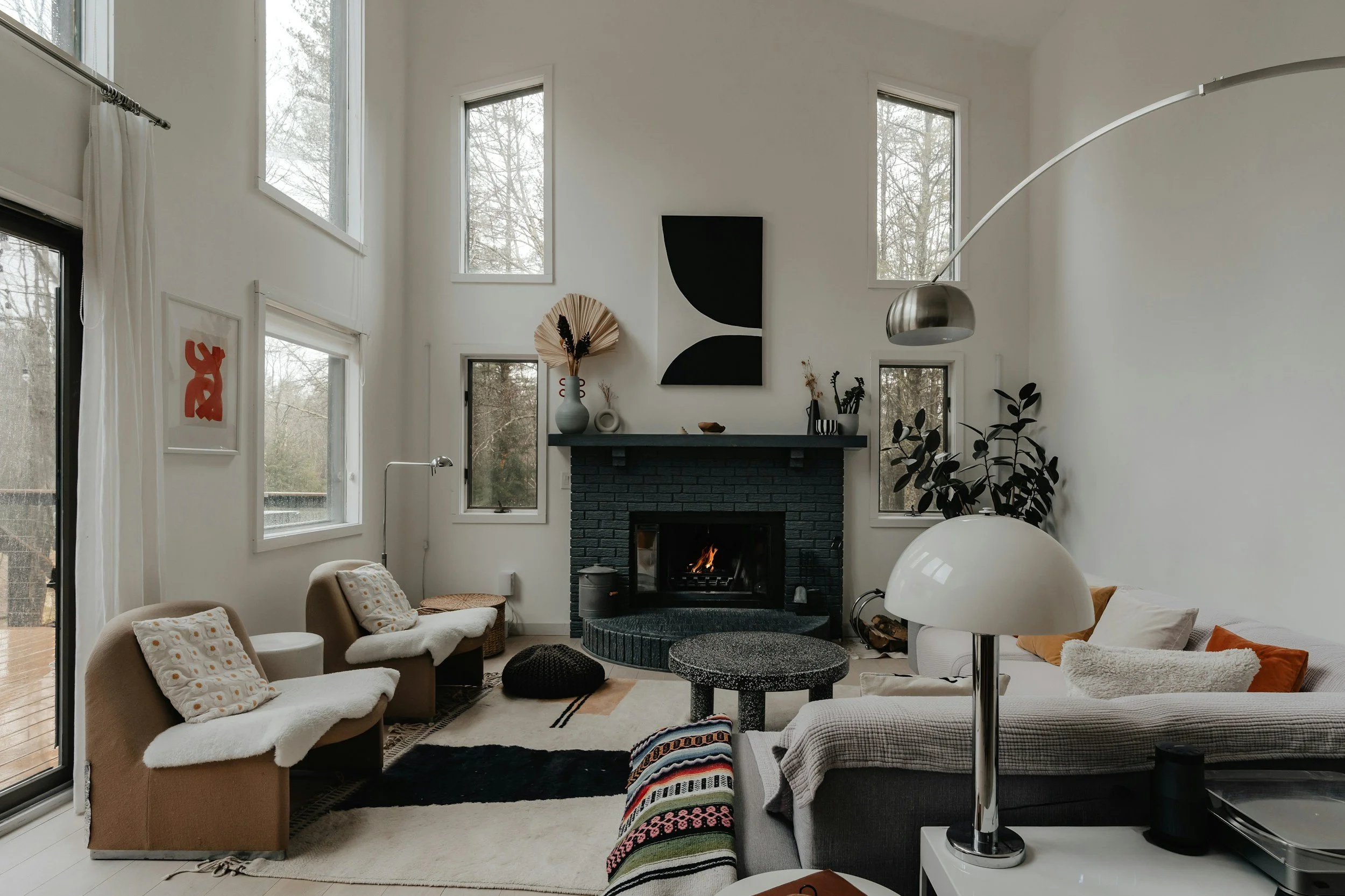
But efficiency isn’t the only reason LEDs won. It’s versatility. Early LEDs were criticized for being too blue or too harsh. That’s no longer true. Today, you can buy LEDs in any color temperature you want, from the ultra-warm 2200K (which looks almost like candlelight) to the crisp 5000K (daylight). You can get high CRI (Color Rendering Index) bulbs that make your red apples look red, not brown. You can get dimmable ones that fade smoothly without flickering. And you can get smart ones that change color based on your mood or circadian rhythm.
The lifespan is the other big seller. An incandescent lasts about 1,000 hours. A CFL lasts about 8,000. A typical LED lasts 25,000 to 50,000 hours. If you use a bulb for three hours a day, an LED could last twenty years or more. You literally might never have to change that bulb again. This changes how we design fixtures. We can put lights in hard-to-reach places—high vaulted ceilings, outdoor eaves—without worrying about buying a ladder every six months. The upfront cost of LEDs has dropped dramatically too. In 2026, a high-quality LED bulb costs just a few dollars, making the return on investment almost immediate.
Reading the Label: Lumens, Kelvin, and CRI
Walking down the lighting aisle can feel like taking a physics exam. What does 800 lumens mean? Is 2700K too yellow? Don’t panic. It’s simpler than it looks. First, forget watts. Watts measure energy used, not light produced. Since LEDs use so little energy, watts are no longer a reliable indicator of brightness. Instead, look at Lumens. This is the actual measure of light output. Here is a rough cheat sheet: 450 lumens replaces a 40W bulb. 800 lumens replaces a 60W. 1100 lumens replaces a 75W. 1600 lumens replaces a 100W. If you want it bright, go high. If you want it cozy, go low.
Next is Color Temperature, measured in Kelvin (K). This tells you if the light is warm or cool. Lower numbers are warmer (more yellow/orange). Higher numbers are cooler (more blue/white).
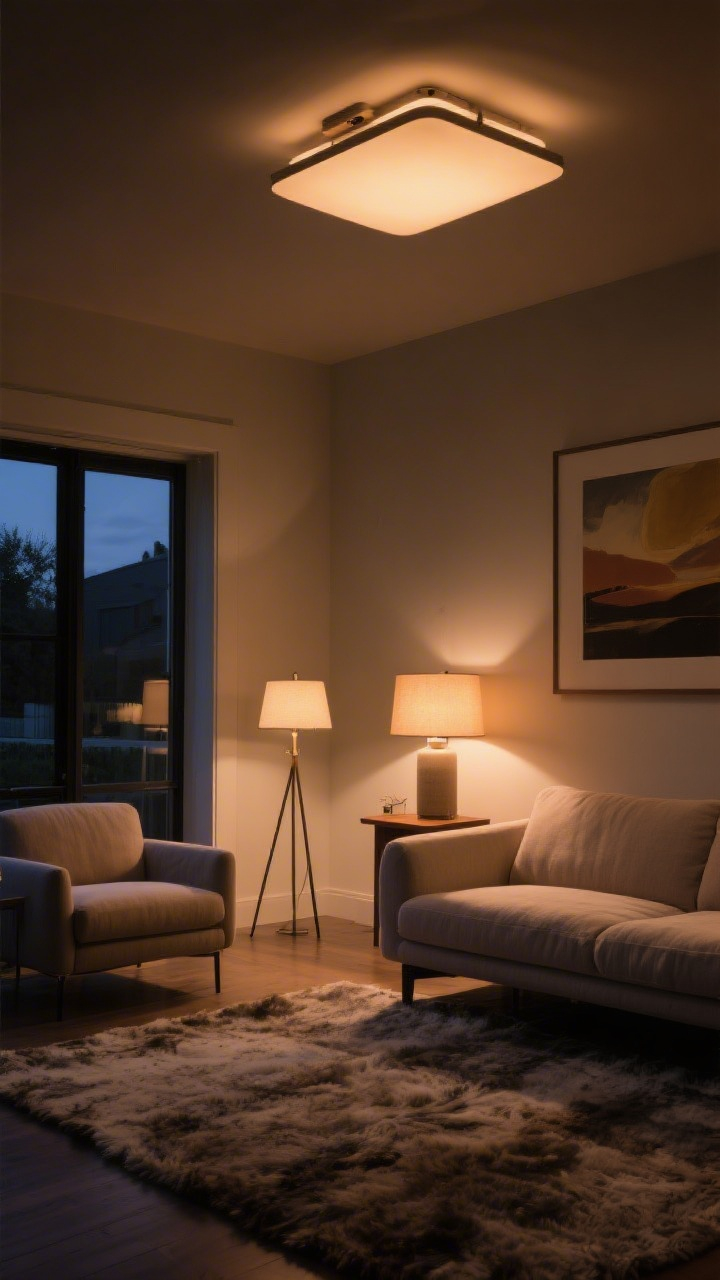
- 2200K – 2700K: Warm White. Best for living rooms, bedrooms, and dining areas. This is the "incandescent" feel.
- 3000K – 3500K: Soft White/Neutral. Good for kitchens, bathrooms, and workspaces. It’s clean but not sterile.
- 4000K – 5000K: Daylight/Cool White. Best for garages, laundry rooms, and task lighting where you need to see details clearly. Avoid this in relaxation spaces; it can feel clinical and disrupt sleep.
Finally, check the CRI (Color Rendering Index). This measures how accurately the bulb reveals colors compared to natural sunlight. Sunlight has a CRI of 100. Most cheap LEDs are around 80. This is fine for hallways or closets. But for your kitchen counter, your vanity mirror, or your art gallery wall, aim for a CRI of 90 or higher. Low CRI light makes food look gray and skin look washed out. High CRI light makes everything pop. It’s a subtle difference, but once you see it, you can’t unsee it. Spend the extra dollar for high CRI in key rooms. Your eyes will thank you.
We can’t talk about bulbs in 2026 without mentioning smart lighting. These are LEDs with built-in Wi-Fi, Bluetooth, or Zigbee chips. They allow you to control brightness, color, and scheduling from your phone or voice assistant. But they offer more than just convenience. Smart bulbs can tune their color temperature throughout the day. In the morning, they emit bright, blue-rich light to help you wake up and suppress melatonin. In the evening, they shift to warm, amber tones to help your body prepare for sleep. This alignment with your circadian rhythm is a genuine health benefit, not just a gimmick.
There are also addressable RGB bulbs that can display millions of colors. Want your living room to pulse gently with the beat of your music? Or turn green for St. Patrick’s Day? Or simulate a sunset while you read? Smart bulbs can do it. While they are more expensive than standard LEDs, prices have come down. You don’t need to smarten every bulb in your house. Start with one or two key lamps. See how it feels. The ability to dim a light to 1% without it flickering off is a luxury you didn’t know you needed until you had it.
Looking ahead, the next frontier is Li-Fi (Light Fidelity), where data is transmitted through light waves, and even more integrated human-centric lighting systems that automatically adjust based on occupancy and natural light levels. But for now, the best advice is to start simple. Choose the right color temperature. Prioritize high CRI. And maybe, just maybe, add one smart bulb to your bedside table. Watch it fade out slowly as you drift off. It’s a small touch, but it turns a utility into an experience. Lighting shouldn’t just be seen; it should be felt.
So, where does that leave us? The era of the simple, dumb, hot bulb is over. And honestly, that’s okay. We’ve traded a bit of nostalgic simplicity for a world of choice, efficiency, and control. You don’t have to be an engineer to pick the right bulb. Just remember: Lumens for brightness, Kelvin for color, and CRI for quality. Swap out the old spirals and hot halogens. Embrace the LED. Your wallet, the planet, and your eyes will appreciate it. And if you really miss that old incandescent glow? Buy a high-quality 2200K LED. It’s close enough to fool the heart, even if the science is totally different. Light up your home wisely.
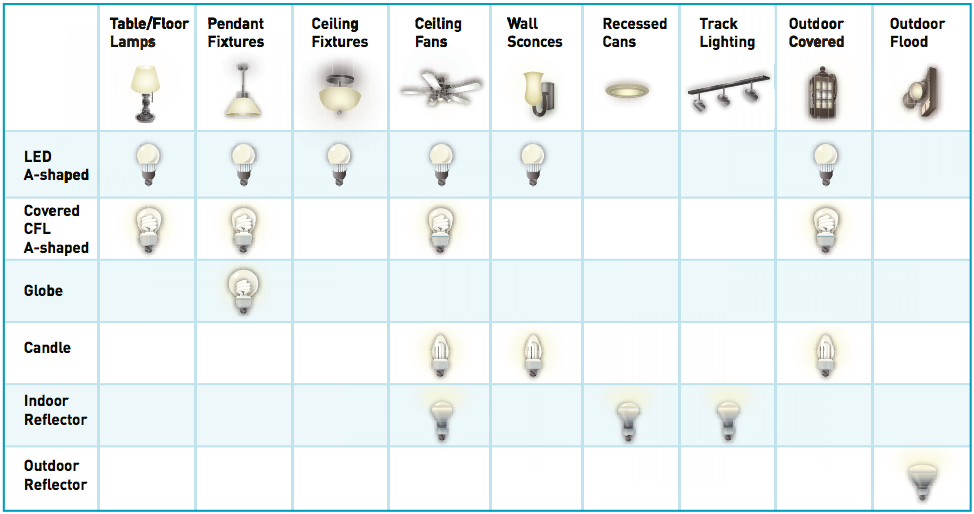
[sps_html tag=”img” src=”https://cdn.northcarolinafinearchitecture.com/2026/05/light-bulb-fixture-types-with-how-to-match-bulb-types-to-fixtures-without-calling-an-electrician.jpg” alt=”Light Bulb Fixture Types with How to Match Bulb Types to Fixtures Without Calling an Electrician” style=”width: 100%; height: auto;”]
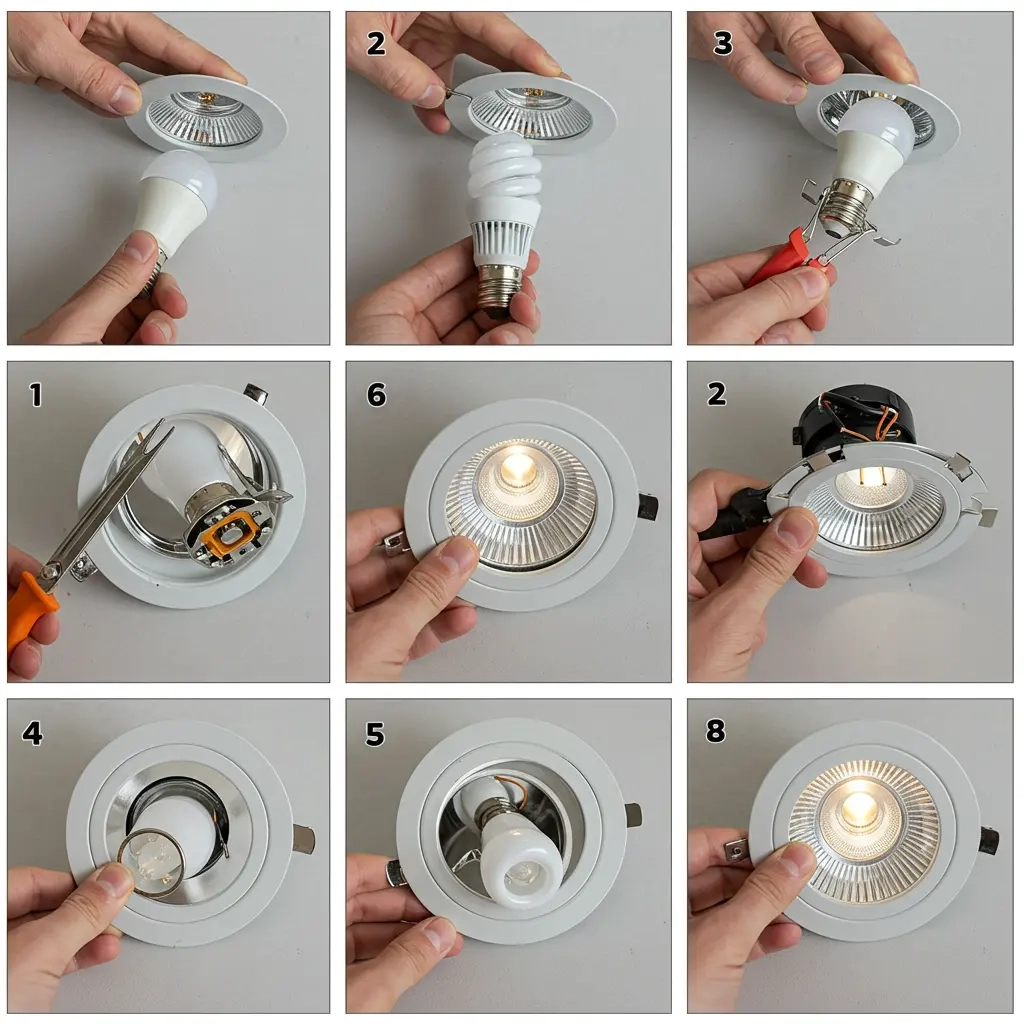
[sps_html tag=”img” src=”https://cdn.northcarolinafinearchitecture.com/2026/05/how-to-take-out-downlight-bulbs-without-damaging-the-fixture-throughout-light-bulb-type.webp” alt=”How To Take Out Downlight Bulbs Without Damaging The Fixture throughout Light Bulb Type” style=”width: 100%; height: auto;”]
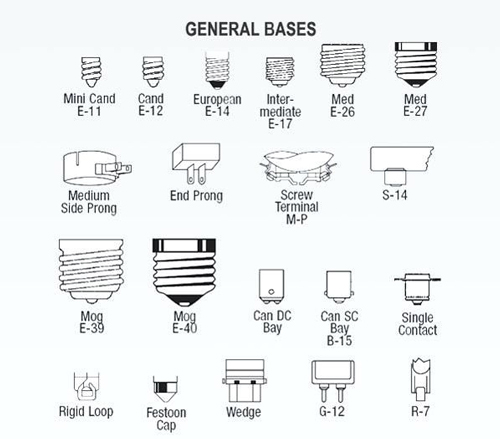
[sps_html tag=”img” src=”https://cdn.northcarolinafinearchitecture.com/2026/05/us-bulb-base-types-with-regard-to-light-bulb-type.jpg” alt=”Us Bulb Base Types with regard to Light Bulb Type” style=”width: 100%; height: auto;”]
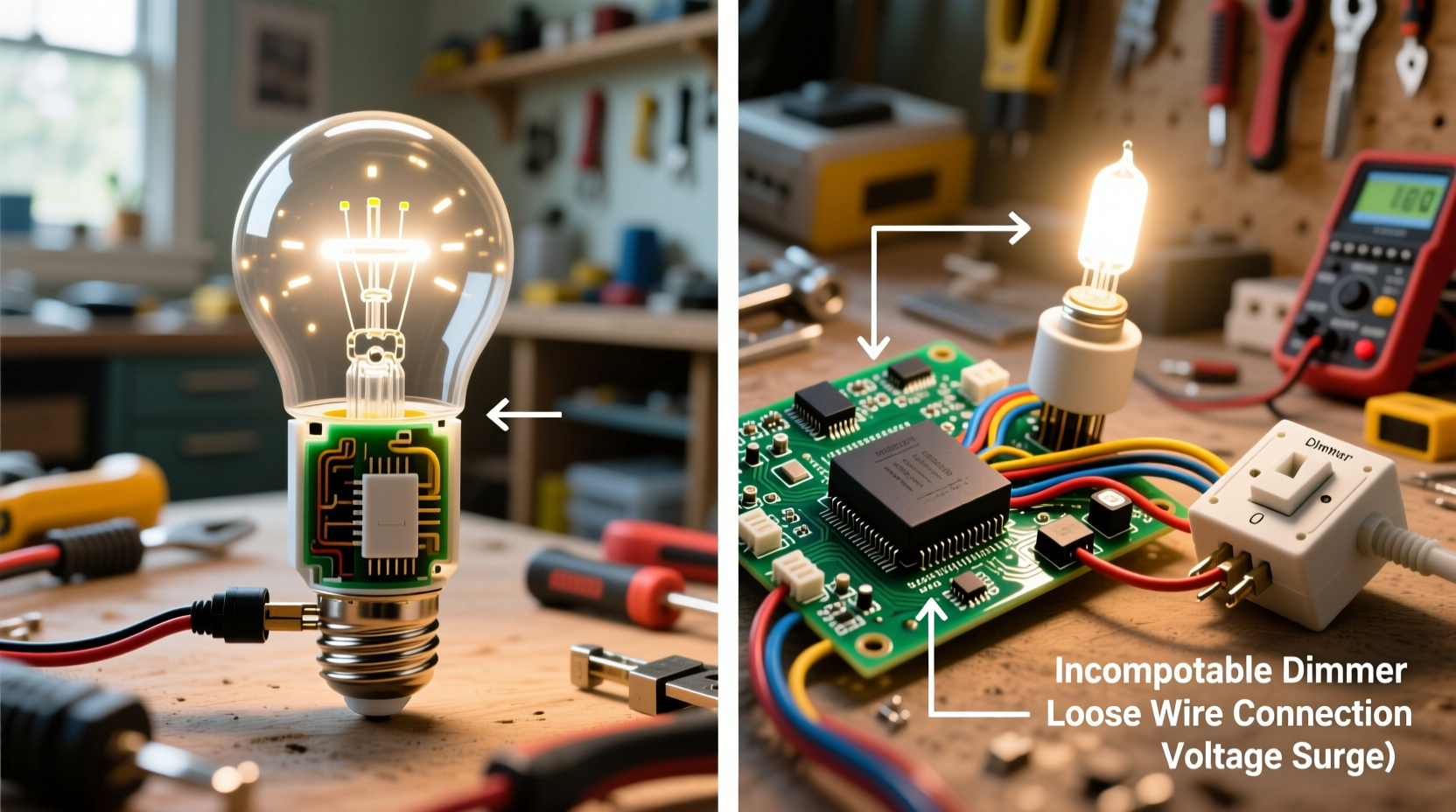
[sps_html tag=”img” src=”https://cdn.northcarolinafinearchitecture.com/2026/05/why-do-led-bulbs-flicker-and-how-to-stop-it-without-calling-an-electrician-regarding-light-bulb-type.jpg” alt=”Why Do Led Bulbs Flicker And How To Stop It Without Calling An Electrician regarding Light Bulb Type” style=”width: 100%; height: auto;”]
[sps_html tag=”img” src=”https://cdn.northcarolinafinearchitecture.com/2026/05/light-bulb-fixture-types-with-regard-to-how-to-match-bulb-types-to-fixtures-without-calling-an-electrician.png” alt=”Light Bulb Fixture Types with regard to How to Match Bulb Types to Fixtures Without Calling an Electrician” style=”width: 100%; height: auto;”]