At 2:14 AM on a freezing Tuesday, a high-pressure condensate pump trips at a mid-west chemical processing plant, triggering a screeching alarm that rattles the control room. The night-shift technician, bleary-eyed and running on lukewarm coffee, scrambles to the basement, shines a flashlight at the shuddering machinery, and reaches for the facility’s designated manual. What greets him is not a clear troubleshooting roadmap, but a four-inch-thick, grease-stained binder compiled in 1998, filled with faded photocopies of OEM schematics, unreadable wiring diagrams, and dense regulatory boilerplate written by engineers who had not set foot on a plant floor in decades.
Scenarios like this happen every single day across industrial manufacturing facilities, data centers, hospitals, and commercial real estate properties worldwide. When equipment fails, documentation is the first line of defense. Yet, traditional Operation and Maintenance (O&M) manuals are treated as administrative doorstops—massive, unsearchable monoliths designed solely to satisfy regulatory compliance checkboxes rather than to help human beings solve urgent problems. Organizations pour thousands of hours into engineering design, procurement, and installation, only to abandon the final deliverable: a functional guide that tells the crew how to keep the asset alive.
Building an O&M manual that people actually want to read requires a complete overhaul of how technical documentation is conceived, authored, and delivered. By shifting the focus from static compliance to dynamic usability, organizations can transform their technical guides from neglected paperweights into indispensable operational assets. This transition relies on matching the realities of modern maintenance workforces—who demand mobile-friendly, searchable, and visually intuitive references—with practical, rigorous engineering data.
Why Traditional Technical Documentation Fails on the Plant Floor
The root cause of unusable O&M manuals lies in a fundamental misalignment between the author and the end-user. Historically, manuals were authored by equipment manufacturers or compliance engineers sitting in quiet offices, far removed from the sensory overload, time constraints, and cognitive stress of an active industrial environment. These legacy documents were structured chronologically around the equipment lifecycle—procurement, installation, commissioning, maintenance, and decommissioning—rather than functionally around the user’s immediate needs.
When a technician faces an urgent breakdown, they do not care about the factory acceptance test history of a valve actuator. They need to know three things immediately: what is causing the fault code, how to isolate the energy source safely, and which wrench size fits the mounting bolts. Traditional manuals bury these critical answers beneath hundreds of pages of legal disclaimers, generic safety warnings, and exhaustive parts catalogs. The cognitive load required to extract a single actionable instruction is simply too high, forcing technicians to rely on tribal knowledge, guesswork, or frantic phone calls to retired specialists.
Furthermore, the physical format of legacy documentation creates massive friction. Heavy three-ring binders are easily misplaced, damaged by moisture, or left in storage rooms while equipment operates miles away. Even when converted to PDF, these files are often unsearchable image scans of paper documents rather than native digital text. In 2026, expecting a field technician to pinch-and-zoom through a thousand-page PDF on a smartphone while standing on a vibrating catwalk is an operational failure. Documentation must be designed for the human operating under pressure, respecting their time, environment, and cognitive limitations.
Deconstructing the Anatomy of a Modern O&M Manual
A high-performing O&M manual is structured like an intuitive software interface rather than an academic textbook. It balances comprehensive technical depth with radical accessibility, ensuring that both newly onboarded apprentices and seasoned lead technicians can find what they need within seconds. Modern documentation relies on a modular architecture, breaking information down into discrete, digestible components that can be updated independently as equipment configurations evolve.
At the core of this structure is a prioritized hierarchy of information. The front matter must immediately establish safety protocols, lockout/tagout (LOTO) procedures, and emergency shutdown sequences. Burying safety information on page two hundred is an unacceptable hazard. Following safety, the manual must provide a clear asset inventory, detailing make, model, serial numbers, firmware versions, and specific operating parameters. Every piece of equipment should map directly to its corresponding maintenance schedule, preventive maintenance (PM) checklists, and spare parts inventory.
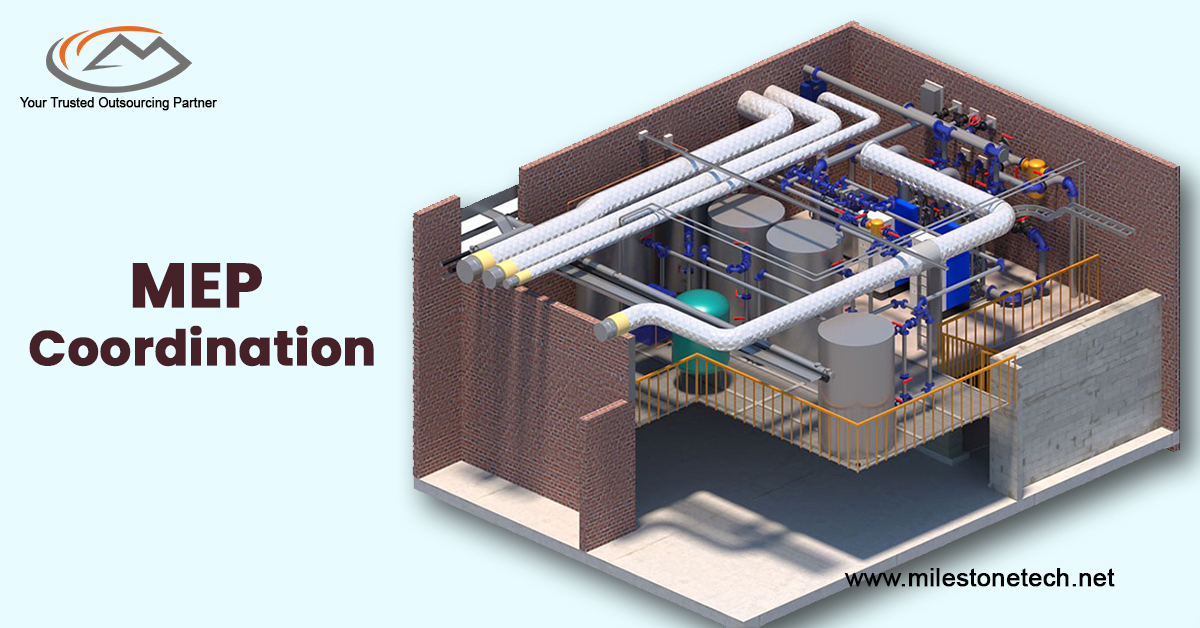
Visual communication must replace dense walls of text wherever possible. Modern technical writing relies heavily on exploded-view diagrams, annotated photographs, color-coded piping and instrumentation diagrams (P&IDs), and short embedded video walkthroughs for complex alignment or calibration procedures. Text should be concise, written in active voice, and formatted using bullet points and numbered sequences. By stripping away extraneous academic prose, technical writers can deliver instructions that are instantly comprehended even when the reader is fatigued or distracted.
Step-by-Step Implementation Framework for Authoring Engaging Manuals
Creating an O&M manual that drives actual engagement requires a structured, cross-functional project management approach. It is not a task that can be delegated entirely to an outside technical writer or dumped onto the maintenance team during their already overburdened shifts. Building a world-class manual demands collaboration between engineers, operators, safety officers, and end-users.
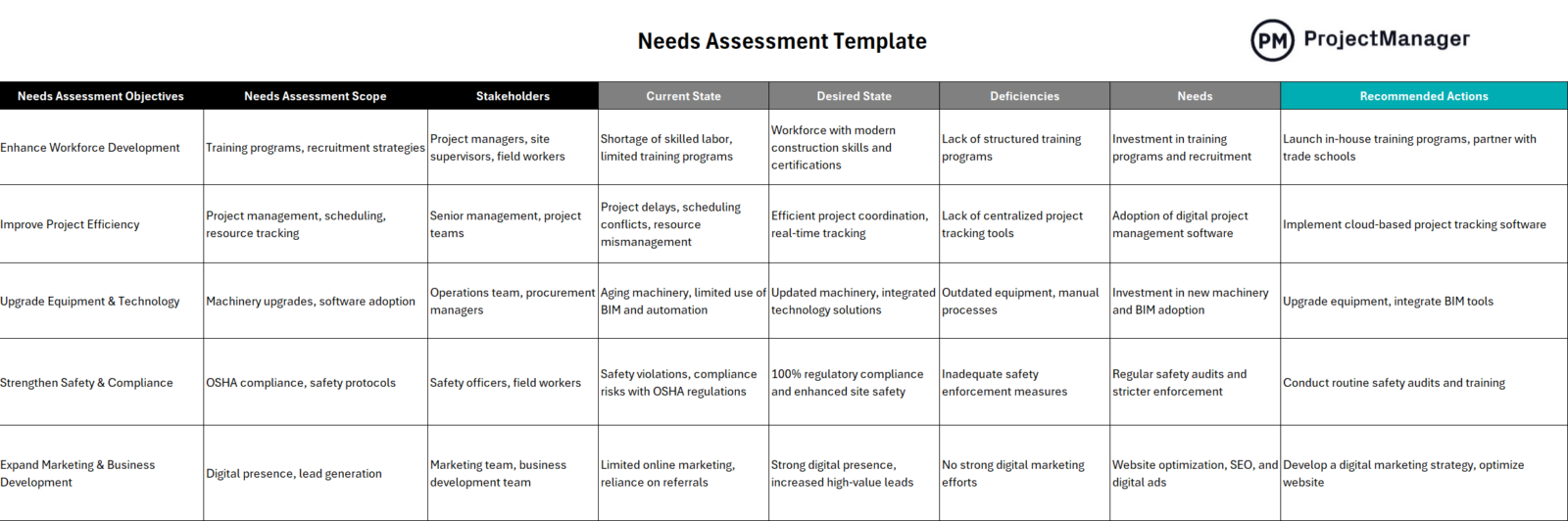
- Step 1 (Audience and Scope Definition): Map out every user persona who will interact with the manual, including operators, maintenance technicians, controls engineers, and safety auditors. Define the specific operational tasks each persona needs to perform and establish the technical baseline required for each group.
- Step 2 (Information Architecture and Content Audit): Collect all existing equipment submittals, vendor manuals, commissioning reports, and as-built drawings. Audit these documents to filter out redundant manufacturer boilerplate and isolate site-specific operating parameters and custom integration logic.
- Step 3 (Modular Authoring and Visual Design): Draft content in modular chunks, prioritizing procedural clarity over theoretical background. Integrate high-resolution annotated photographs, schematics, and short video clips to illustrate complex mechanical assemblies or software calibration workflows.
- Step 4 (Digital Integration and Search Optimization): Migrate the finalized content into a modern, cloud-based content management system (CMS) or Computerized Maintenance Management System (CMMS) that supports full-text search, QR code tagging, and mobile optimization.
- Step 5 (Field Testing and Iterative Feedback Loop): Deploy the draft manual to a pilot group of technicians in the field. Observe them performing routine maintenance tasks using the documentation, record where they hesitate or struggle, and refine the instructions based on their direct feedback before a company-wide rollout.
Navigating Common Pitfalls and Practitioner Workarounds
Even with the best intentions, organizations frequently stumble when attempting to overhaul their technical documentation programs. Recognizing these common traps allows engineering and maintenance leaders to pivot before investing time and capital into manuals that ultimately end up ignored.
- Pitfall 1 (Relying Solely on Manufacturer Cut-Sheets): Copy-pasting hundreds of pages of generic OEM manuals creates bloated, contradictory documents. Workaround: Extract only the specific configuration data, maintenance intervals, and torque specs relevant to your facility’s exact installation, discarding generic marketing and unrelated model variants.
- Pitfall 2 (Ignoring Mobile Usability and Field Realities): Designing manuals intended only for desktop monitors or printed binders makes them useless on the shop floor. Workaround: Format all documentation for responsive mobile viewing, ensuring font sizes, tables, and images scale cleanly on ruggedized tablets and smartphones.
- Pitfall 3 (Treating Documentation as a One-Time Event): Writing a manual at project handover and never updating it as equipment is modified, repaired, or upgraded creates dangerous discrepancies. Workaround: Tie documentation updates directly to your Management of Change (MOC) workflow so that no equipment modification is signed off without a corresponding manual revision.
- Pitfall 4 (Using Overly Complex Academic Language): Writing dense, passive-voice prose alienates technicians and increases the likelihood of human error during critical procedures. Workaround: Enforce a plain-language standard, utilizing active verbs, direct commands, and step-by-step numbered lists for all operational workflows.
- Pitfall 5 (Failing to Track Manual Engagement and Usage): Publishing a digital manual without monitoring how often it is accessed or which sections are searched leaves leaders blind to documentation gaps. Workaround: Utilize modern documentation platforms that provide analytics on search queries, page views, and user feedback ratings to continuously optimize content.
The Broader Economic and Safety Impact of Readable Documentation
The quality of an organization’s O&M manual directly influences its bottom line, asset longevity, and workplace safety record. In heavy industries, unplanned downtime can cost tens of thousands of dollars per minute. When maintenance technicians spend precious hours hunting for troubleshooting steps or deciphering confusing wiring diagrams, MTTR (Mean Time to Repair) skyrockets, eroding profit margins and jeopardizing production schedules.
Conversely, clear and engaging documentation empowers front-line workers to diagnose root causes swiftly, execute precision repairs, and perform proactive maintenance before minor anomalies cascade into catastrophic failures. This directly extends the operational lifecycle of expensive capital assets, delaying costly replacements and maximizing return on investment. Furthermore, structured preventive maintenance routines detailed within an accessible manual ensure that warranties remain valid and regulatory compliance audits pass without costly citations.
Beyond financial metrics, readable O&M manuals are a critical pillar of industrial safety. Misinterpretation of complex equipment isolation steps or startup sequences is a primary driver of workplace injuries, electrical arcs, and hazardous material releases. When safety warnings, LOTO protocols, and emergency response procedures are presented with absolute clarity and visual prominence, organizations foster a culture of safety where workers feel confident and equipped to protect themselves and their colleagues.
Actionable Frameworks for Maintaining Documentation Vitality
To ensure that an O&M manual remains a living, breathing resource rather than a temporary project deliverable, maintenance leaders must embed documentation governance into the daily rhythm of facility operations. A static document rots quickly in a dynamic industrial environment where equipment is constantly tuned, repaired, and integrated with new technologies.
Establishing a regular review cycle is essential. Maintenance supervisors should audit a rotating subset of equipment manuals quarterly, cross-referencing written instructions against actual field practices. When technicians identify discrepancies between the manual and the physical asset—such as a relocated valve or a firmware update—they must have a frictionless mechanism to submit corrections, similar to an open-source code repository pull request.
Incentivizing documentation stewardship among the workforce transforms the culture from top-down enforcement to collaborative ownership. Recognizing technicians who contribute valuable notes, troubleshooting tips, or clear photos to the central knowledge base reinforces the idea that the manual belongs to everyone. By treating documentation as a core operational tool rather than an administrative chore, organizations build resilient teams capable of mastering any technical challenge thrown their way.
The modern industrial landscape demands tools that match the speed, complexity, and digital fluency of the workforce operating within it. The era of the dust-covered, three-ring binder is drawing to a close, replaced by intelligent, searchable, and visually engaging digital knowledge bases that live in the hands of technicians exactly when and where they need them.
Building an operation and maintenance manual that your team will actually want to read is ultimately an act of empathy. It requires respecting the demanding realities of the plant floor, honoring the cognitive limits of human operators under pressure, and prioritizing absolute clarity above all else. When organizations commit to designing documentation that serves the human being first, they unlock unprecedented levels of equipment reliability, operational safety, and team confidence.
The journey toward world-class documentation does not require an overnight revolution; it begins with a single critical asset, a willingness to listen to your technicians, and a commitment to radical simplicity. Start small, iterate rapidly, and watch your team transform from frustrated troubleshooters into empowered masters of their operational domain.