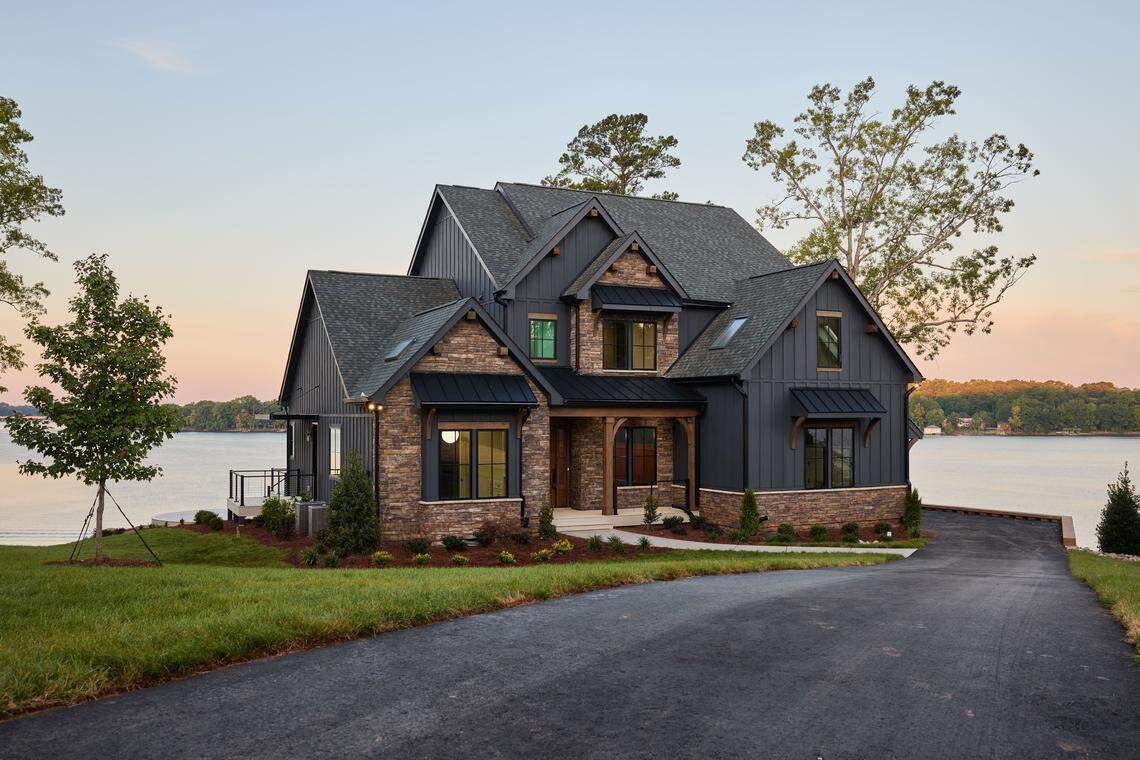
You know that feeling when you pull up to a house and just know? It’s not logic. It’s not a checklist. It’s a gut punch of emotion. Love it or leave it. In the real estate world, they call this the "seven-second rule." Most buyers decide how they feel about a property before their feet even hit the pavement. That is a lot of pressure for a peeling front door or an overgrown hedge, isn’t it? But here is the thing: you don’t need a contractor’s budget to win those seven seconds. You just need to be smart. And maybe a little bit ruthless with your priorities.
In 2026, the starter home market is still a beast. Interest rates have stabilized, but prices? They haven’t exactly dropped off a cliff. First-time buyers are scraping together every penny for a down payment, which means they have zero wiggle room for major renovations right after closing. They want move-in ready. Or at least, they want to feel like it is. This puts sellers in a tricky spot. You want top dollar, but you can’t afford a full exterior overhaul. So, where do you spend? And more importantly, where do you stop? Let’s dig into the messy, beautiful reality of balancing curb appeal with a budget that actually makes sense.
The Psychology of the Driveway Approach
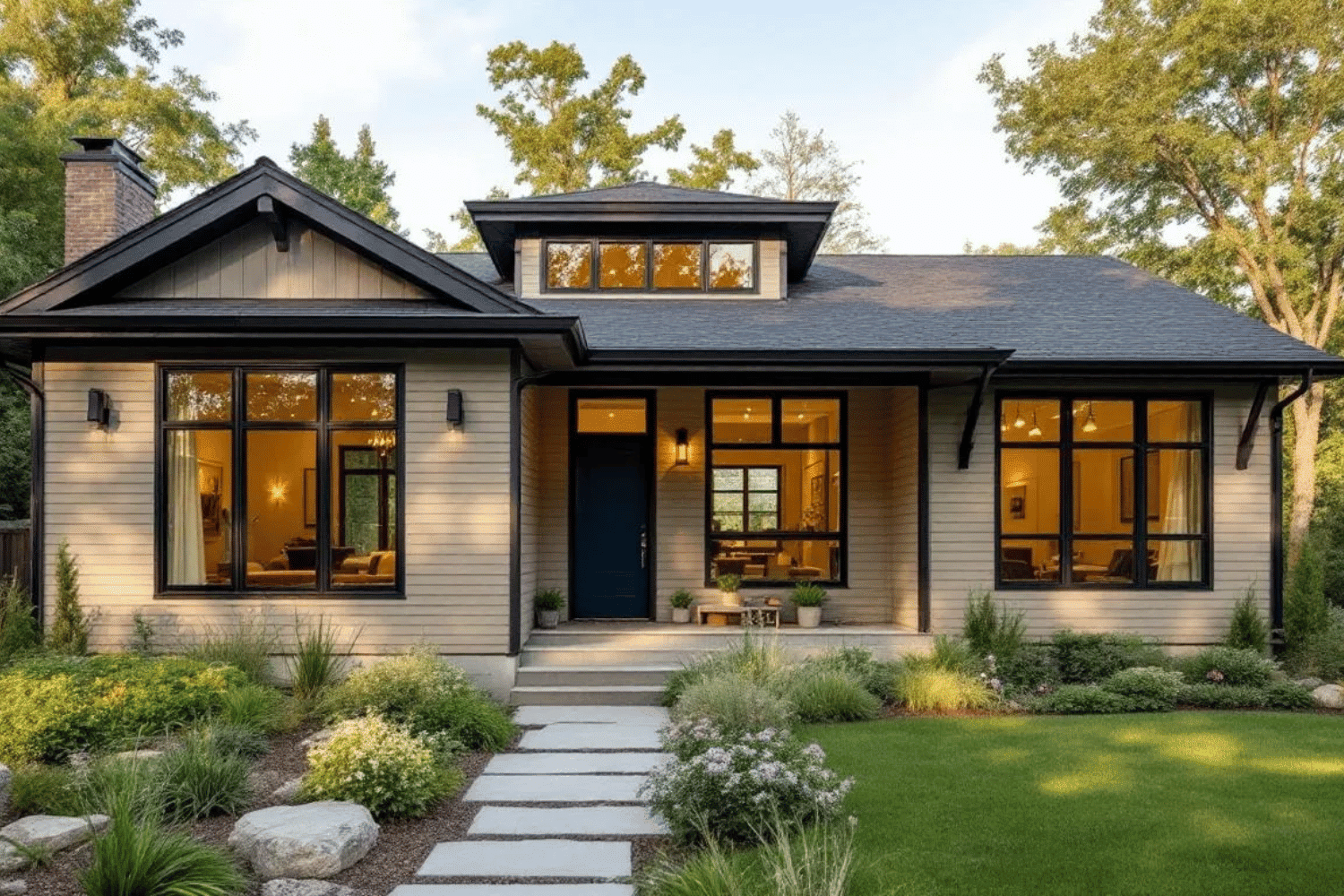
Let’s talk about intentionality. A few years ago, curb appeal was all about being flashy. Bright flowers, new fountains, maybe a weird garden gnome or two. But trends have shifted. Today, buyers are looking for calm. They want to see a home that feels cared for, not decorated. When a buyer pulls up, their brain is scanning for red flags. Is the roof sagging? Are the gutters falling off? Does that crack in the driveway mean the foundation is crumbling? If you answer "no" to these questions visually, you’ve already won half the battle.
It’s about reducing cognitive load. Think about it. If a buyer sees a chaotic yard, their brain starts working overtime. They imagine the weekends spent mowing, the money spent on landscaping, the hassle. That stress translates into a lower offer. But if they see clean lines, trimmed edges, and a clear path to the front door, their brain relaxes. They can imagine themselves living there. This is why "intentional" design beats "expensive" design every time. You aren’t trying to impress them with luxury; you’re trying to reassure them with order.
So, step back from your house. Stand on the sidewalk. What is the first thing your eye hits? Is it a pile of dead leaves? A rusted mailbox? Fix that first. It costs nothing but sweat equity. The goal is to create a visual narrative that says, "This home is safe. This home is easy. This home is yours." It sounds simple, but in a market where inventory is tight, simplicity stands out. Don’t overcomplicate it. Just clear the noise.
Paint: The Highest ROI Dollar You’ll Spend
If you only have $150 to spend, buy paint. Seriously. There is no other upgrade that punches above its weight class like a fresh coat of exterior paint. But here is the catch: you don’t need to paint the whole house. That’s a thousands-of-dollars project. Instead, focus on the accents. The front door. The shutters. The trim around the windows. These are the details that frame the face of your home.
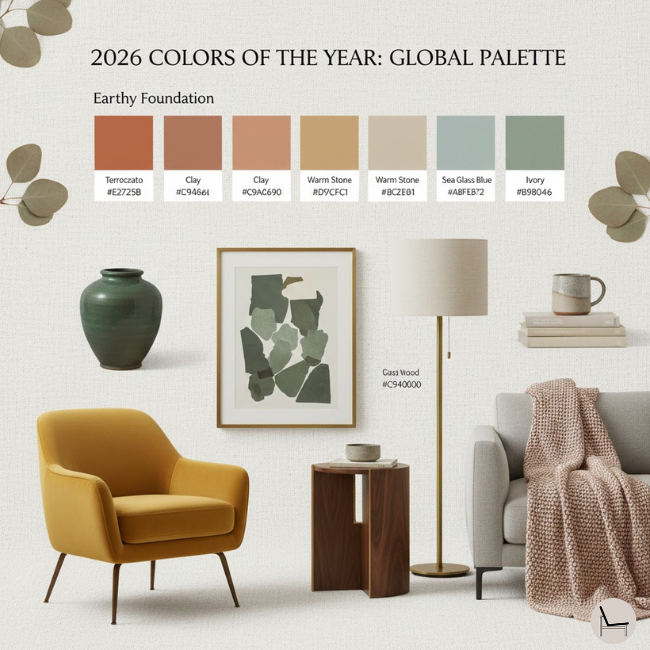
A bold front door color can change the entire vibe of a starter home. In 2026, we’re seeing a move away from the safe navy blues and towards warmer, earthier tones. Think terracotta, deep olive, or even a muted mustard. It signals personality without screaming for attention. And if your siding is faded but structurally sound, consider a power wash before you even think about painting. Sometimes, dirt is the only enemy. A rental washer costs about $50 for the day. The result? A home that looks ten years younger.
Don’t forget the trim. White or off-white trim against darker siding creates contrast. Contrast creates interest. Interest keeps eyes on the page—or in this case, the house. If your trim is chipping, scrape it, prime it, and paint it. It’s tedious work. Nobody likes sanding. But the difference between cracked paint and smooth, crisp lines is the difference between "fixer-upper" and "charming classic." Buyers will pay more for the latter. Always.
Landscaping: Less Lawn, More Life
Here is a secret: most starter homes have terrible landscaping. Not because the owners are lazy, but because lawns are high-maintenance and expensive. In today’s market, buyers are increasingly eco-conscious. They don’t want a sprawling grass carpet that needs watering twice a week. They want sustainability. They want native plants. This is good news for your wallet. Replacing sections of lawn with mulch beds or native shrubs is cheaper than maintaining turf.
Start with the "bones" of your yard. Trim any tree branches that are touching the roof or blocking windows. Light is your friend. A dark, shadowed house feels small and unwelcoming. Cut back the overgrown bushes that hide the foundation. You want to show off the structure, not bury it. If you have dead plants, pull them. Empty space is better than dead space. An empty pot looks intentional; a dead petunia looks neglected.
Add mulch. It’s the jewelry of the garden bed. Fresh mulch costs maybe $30 a bag. Spread it evenly. Keep it away from the actual stems of the plants to prevent rot, but make sure it covers the bare dirt. Instant polish. And if you have room for a few pots, use them. Group them in threes near the entrance. Use evergreens if you’re selling in winter, or bright annuals in summer. It adds height and texture without requiring a landscape architect. Just keep it tidy. Overgrown is out. Curated is in.
Hardware and Lighting: The Jewelry of the House
Think of your home’s exterior hardware like accessories. You wouldn’t wear a tuxedo with flip-flops, right? So don’t pair a freshly painted door with a rusty, bent handle. Swap out old house numbers, mailboxes, and door handles. These are tiny details, but they add up. Modern black matte fixtures are huge right now. They look sleek, modern, and expensive, even though they cost peanuts. You can find a whole set—door handle, deadbolt, and house numbers—for under $100 online.
Lighting is equally critical. And I’m not talking about floodlights that make your house look like a prison yard. I’m talking about warmth. Replace those cloudy, bug-filled globe lights with something cleaner. LED bulbs with a warm color temperature (around 2700K) make the entryway feel inviting. If you have sconces on either side of the door, make sure they match. Symmetry is pleasing to the human eye. It creates balance.
Also, check your pathway lighting. If you have solar stakes, make sure they actually work. Clean the solar panels. Replace the batteries. If they’re broken, toss them. Nothing says "I gave up" like a row of dead solar lights sticking out of the dirt like plastic tombstones. If you don’t have path lights, consider adding a few inexpensive solar ones. They guide the buyer’s eye—and their feet—straight to your front door. It’s subtle psychology, but it works.
The Entryway: Staging the Threshold
The front porch or entryway is the transition zone. It’s where the outside world meets the private sanctuary. In 2026, buyers are looking for a "landing strip." They want a place to drop their keys, kick off their shoes, and breathe. Even if you have a tiny stoop, you can stage this. Start with a clean doormat. Not a funny one. Not a personalized one. Just a clean, neutral, natural fiber mat. It suggests cleanliness and welcome.
Add a bench if you have space. It doesn’t have to be fancy. A simple wooden bench with a cushion says, "Sit. Stay awhile." It helps buyers visualize their life there. Imagine them sitting there with a morning coffee. That emotional connection is what sells houses. If you don’t have room for a bench, use vertical space. Hang a wreath. But keep it seasonal and fresh. A dried-out wreath from last Christmas is a major turn-off.
Keep the floor clean. Sweep away cobwebs. Wash off bird droppings. It sounds obvious, but you’d be surprised how many people forget the ceiling of their porch. Look up. Is there a light fixture covered in dust? Wipe it down. Are there spiderwebs in the corners? Knock them down. These are five-minute tasks that cost zero dollars but make the space feel maintained. A well-kept entryway promises a well-kept interior. It sets the expectation for the rest of the tour.
Decluttering: The Art of Subtraction
We often think adding value means adding things. More flowers. More lights. More decor. But usually, it’s the opposite. Clutter is the enemy of value. Look at your driveway. Is it full of trash cans, toys, and hoses? Move them. Hide them. Rent a storage unit for a month if you have to. The driveway should look spacious. A cramped driveway makes the house feel smaller.
Look at the sides of your house. Are there piles of wood? Old bikes? Broken furniture? Get rid of it. Either haul it to the dump or put it in a dumpster. Buyers will assume that if you leave junk outside, you’re hiding junk inside. It’s a fair assumption. Clear the sightlines. Let them see the whole shape of the house. When a house sits lightly on the land, it feels bigger. When it’s buried in stuff, it feels burdensome.
This applies to the backyard too, even though curb appeal is technically the front. Many buyers drive around the block. They peek over fences. If they see a chaotic backyard, they’ll wonder what else is messy. Keep the visible parts of the yard tidy. Mow the lawn. Edge the sidewalks. Put away the garden tools. The goal is to present a blank canvas. You want buyers to project their dreams onto your home, not deal with your leftovers. Subtraction is the ultimate luxury.
Balancing curb appeal and budget isn’t about tricking anyone. It’s about respect. Respect for the buyer’s time, respect for your own investment, and respect for the home itself. You don’t need to spend ten thousand dollars to make a good impression. You need to spend ten hours of focused, intentional effort. Power wash. Paint the door. Mulch the beds. Swap the hardware. Clean the windows. These are the basics. They work because they address the fundamental human desire for order and beauty.
In the 2026 market, authenticity wins. Buyers can smell desperation, and they can smell neglect. But they also recognize care. When they see a home that has been loved and tended to, even on a budget, they feel confident. They feel safe. And that confidence translates into offers. So don’t worry about keeping up with the Joneses’ million-dollar renovations. Focus on your seven seconds. Make them count. Make them warm. Make them yours.
At the end of the day, a home is more than wood and brick. It’s a feeling. And that feeling starts at the curb. By focusing on high-impact, low-cost changes, you’re not just selling a house. You’re inviting someone in. You’re showing them that this place is ready for their story. And honestly? That’s worth more than any fancy fountain ever could be. So grab a broom. Buy some paint. And let your home shine.
[sps_html tag=”img” src=”https://cdn.northcarolinafinearchitecture.com/2026/05/kitchen-renovations-hamilton-2026-guide-expert-tips-zzone-homes-inc-throughout-starter-home-design.png” alt=”Kitchen Renovations Hamilton | 2026 Guide & Expert Tips - Zzone Homes Inc throughout Starter Home Design” style=”width: 100%; height: auto;”]
[sps_html tag=”img” src=”https://cdn.northcarolinafinearchitecture.com/2026/05/the-best-siding-color-trends-2026-to-transform-your-homes-exterior-with-the-2026-guide-to-affordable-starter-home-designs-that-feel-luxurious.png” alt=”The Best Siding Color Trends 2026 To Transform Your Home's Exterior with The 2026 Guide to Affordable Starter Home Designs That Feel Luxurious” style=”width: 100%; height: auto;”]
[sps_html tag=”img” src=”https://cdn.northcarolinafinearchitecture.com/2026/05/prefab-homes-ontario-costs-prices-small-homes-2026-myowncottage-ca-throughout-starter-home-design.png” alt=”Prefab Homes Ontario: Costs, Prices & Small Homes (2026) - Myowncottage.ca throughout Starter Home Design” style=”width: 100%; height: auto;”]
[sps_html tag=”img” src=”https://cdn.northcarolinafinearchitecture.com/2026/05/masculine-color-palette-ultimate-guide-for-home-decorating-2026-the-pertaining-to-starter-home-design.png” alt=”Masculine Color Palette Ultimate Guide For Home Decorating (2026) - The … pertaining to Starter Home Design” style=”width: 100%; height: auto;”]
[sps_html tag=”img” src=”https://cdn.northcarolinafinearchitecture.com/2026/05/hgtvs-2026-dream-home-is-a-luxury-waterside-retreat-on-the-shores-of-within-starter-home-design.jpg” alt=”Hgtv’s 2026 Dream Home Is A Luxury Waterside Retreat On The Shores Of … within Starter Home Design” style=”width: 100%; height: auto;”]