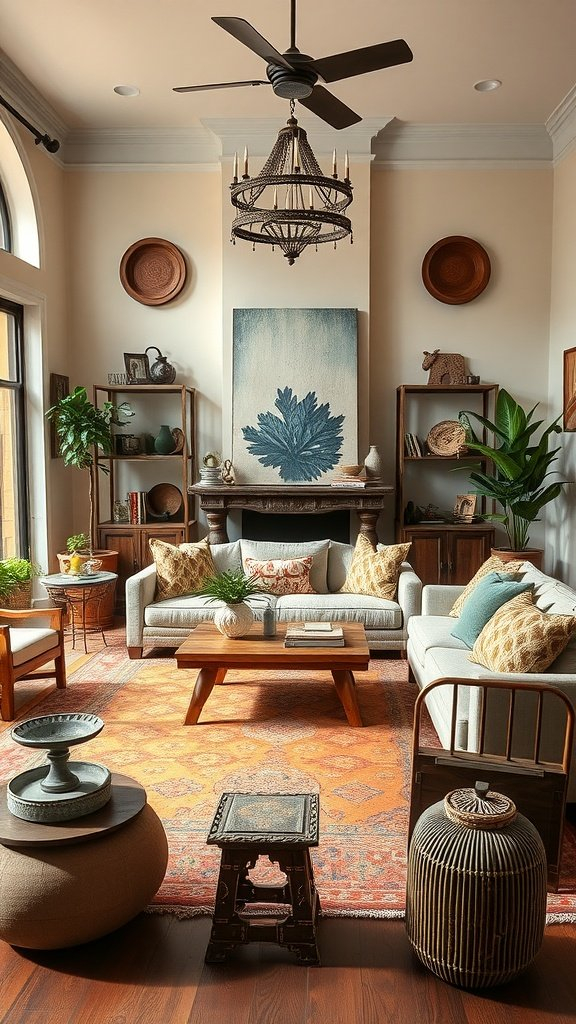
The alarm rings at six in the morning, and the floor offers its first verdict on the day. In many modern homes, that initial transition from the warmth of bed to the ground is a sudden, sharp shock of cold, rigid ceramic or lifeless plastic laminate. We have spent decades optimizing interiors for the camera lens, prioritizing visual flat-screens, seamless epoxy shines, and high-gloss polishes that bounce light across Instagram feeds. Yet, human beings are sensory creatures first and visual consumers second. The feet possess an extraordinary density of mechanoreceptors, translating the microscopic topography of our living surfaces directly into feelings of safety, grounding, and physical well-being.
When the underfoot sensation is profoundly soothing, the visual design naturally recedes into a supportive backdrop. This allows the mind to focus inward on relaxation rather than outward on sensory dissonance. Achieving this domestic harmony requires more than picking a soft rug or a sturdy plank; it demands an understanding of material science, thermal conductivity, and structural engineering. We are navigating an era where wellness-driven interior design dictates that comfort is no longer a luxury afterthought. It is the primary metric by which we evaluate the livability of our built environments.
For generations, builders faced a harsh binary choice. You could have indestructible materials that could withstand an army of toddlers and large dogs—granite, polished concrete, industrial vinyl—or you could have soft, warm, ephemeral materials that degraded under heavy use, such as high-pile delicate wools or unsealed softwoods. The middle ground was often filled with compromises that satisfied neither criteria, leading to warped floorboards, matted carpets, and premature replacement cycles that proved costly to both wallets and ecosystems.
The modern design landscape demands a more intelligent synthesis. Material science has evolved past the superficial trade-off between looking good and feeling good. Today, we understand the physics of fiber density, the physiological impacts of subfloor acoustics, and the mechanical advantages of wire-brushed grain profiles. By studying how materials conduct heat, resist compression fatigue, and interact with the human stride, we can construct environments that feel organically warm while maintaining the structural integrity required for high-traffic modern life.
The Sensory Physics and Material Science of Underfoot Experience
To understand why certain surfaces feel innately right beneath bare feet while others induce fatigue, we must look to the physics of thermal transfer and cellular structure. When a bare foot makes contact with a floor, warmth does not simply radiate; it is stolen or preserved depending on the material’s thermal effusivity. Dense, highly conductive materials like polished marble or porcelain tile act as thermal sinks, rapidly drawing heat away from human skin. This sudden drop in skin temperature triggers a distinct physiological response of chill and discomfort, even if the ambient room temperature is warm.
Conversely, materials with trapped microscopic air pockets—such as the natural cellular matrix of genuine wood, high-density wool pile, or cork—act as natural insulators. They resist the rapid conduction of body heat, creating a microclimate of touch that registers in the brain as cozy and hospitable. This is why a hardwood floor finished with a natural hardwax oil always feels subtly warmer and more responsive to the touch than the same wood sealed under a thick, glassy sheet of polyurethane. The hardwax oil penetrates the grain rather than sitting on top as a plastic barrier, allowing the living cellular structure of the timber to remain accessible to human interaction.
Furthermore, mechanical alterations play a vital role in tactile engagement. Consider the technique of wire-brushing hardwood. By selectively removing the softer springwood fibers, milling technicians emphasize the topographical contrast between darker grain lines and lighter peaks. This mechanical texturing not only disguises fine surface scratches and wear patterns over decades of use, but it also provides continuous micro-massage for the plantar fascia. The foot does not slide across a flat, sterile plane; it engages with a living landscape of wood grain that stimulates proprioception and reduces foot fatigue.
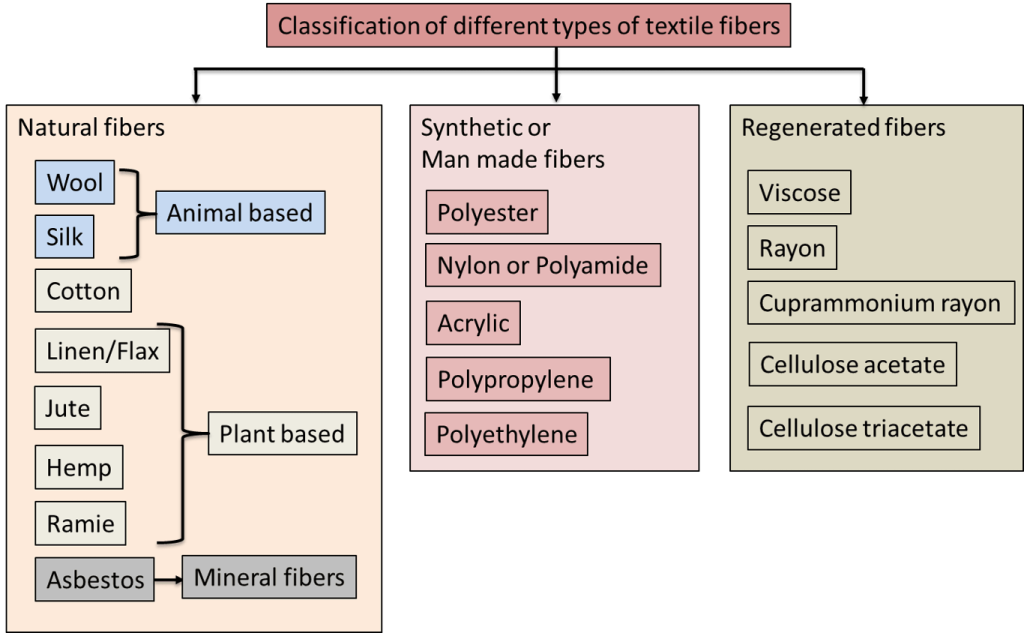
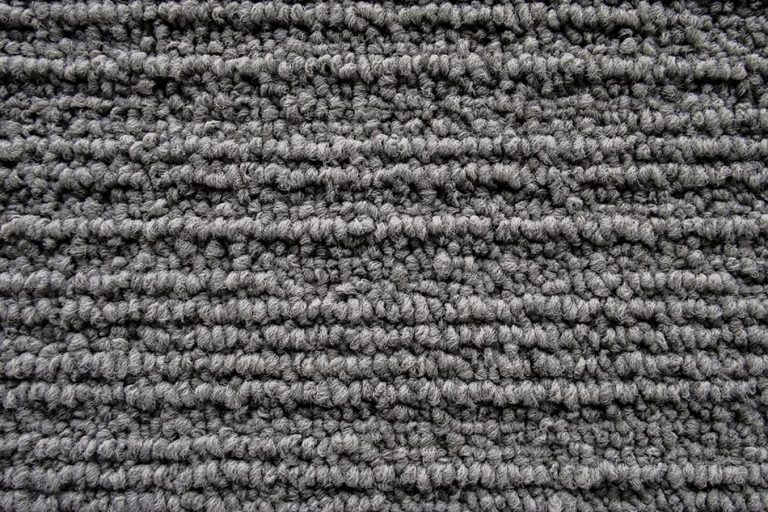
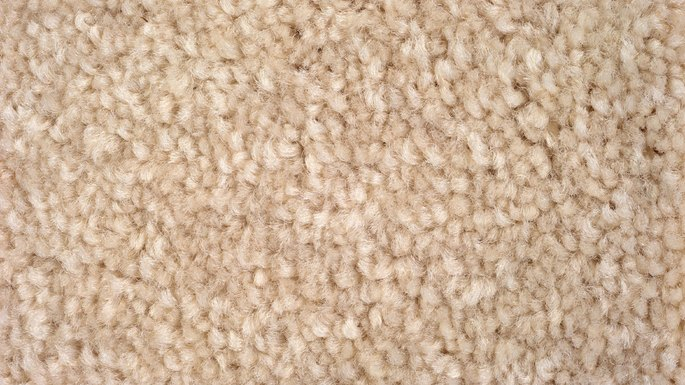
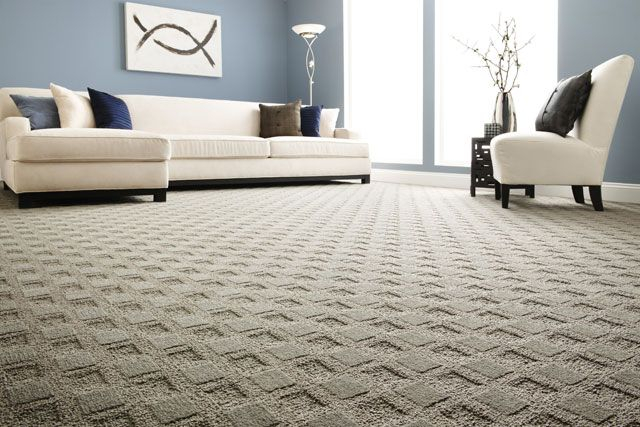
Fiber science in soft flooring operates on similar principles of resilience and recovery. In high-performance textiles like wool, the crimp of the individual fiber acts like a microscopic spring. When stepped upon, the fiber compresses to absorb the impact energy and then reliably rebounds to its original loft once the pressure is removed. Synthetic alternatives often rely on cheap, hollow-core polyester that crushes permanently under heavy furniture legs and high-traffic pathways, leaving matted tracks that strip the room of its initial tactile luxury. True underfoot durability is inextricably linked to a material’s hysteresis—its ability to absorb energy and bounce back without structural fatigue.
Engineering the Subfloor and Radiant Systems for Thermal and Tactile Balance
The surface material is only the visible top layer of a complex structural sandwich. True tactile comfort begins deep beneath the visible plane, requiring careful coordination between subfloor preparation, underlayments, and modern climate systems like underfloor radiant heating. Radiant floor heating systems have revolutionized domestic comfort by providing uniform, silent, and energy-efficient warmth from the ground up. However, marrying a radiant system with high-performance surface finishes demands precise engineering to prevent thermal shock, delamination, and energy inefficiency.
Selecting the right flooring or complementary area rug to complement underfloor heating requires a precise balance between thermal conductivity, material density, and breathability. Thick, heavily insulated synthetic carpets with rubber or foam backings can act as thermal blankets, trapping heat beneath the floor and forcing the heating system to work overtime while rendering the surface surprisingly cool. The ideal approach utilizes engineered wood floors with balanced multi-ply construction or low-profile, dense wool area rugs that allow heat transfer while retaining a soft, tactile cushion.
Subfloor flexibility also plays a critical role in human ergonomics. Rigid concrete slabs, while dimensionally stable and durable, offer zero give. Walking exclusively on unyielding concrete for hours induces micro-shocks that travel up through the ankles, knees, and lower spine, leading to chronic joint fatigue. Introducing a resilient acoustic underlayment or specifying cork-backed engineered flooring introduces a vital millimeter of ergonomic forgiveness. This subtle elasticity absorbs the impact of the human stride, protecting joint health without sacrificing the stability required to prevent warping and squeaking over decades of seasonal humidity shifts.
When planning these multi-layered installations, builders and homeowners must evaluate the thermal resistance—commonly measured as the R-value—of every component in the assembly. A cumulative R-value that exceeds recommended thresholds for radiant systems will choke the heating efficiency. Therefore, the sweet spot lies in engineering assemblies that maximize thermal transmittance (U-factor) while maintaining an optimal surface feel. This scientific rigor ensures that the floor remains a pleasant, conductive source of ambient warmth rather than an expensive thermal barrier.
Step-by-Step Methodology for Designing and Selecting Comfort-First, Durable Surfaces
Transforming a home from a visually driven display into a tactile sanctuary requires a systematic approach to material selection, spatial mapping, and installation oversight. Rushing into purchases based solely on showroom samples or digital photographs is the fastest route to mismatched expectations. Follow this comprehensive framework to evaluate and execute your flooring and textile choices with confidence.
- Step 1 (Audit Traffic and Sensory Zones): Map your home by identifying the primary behavioral zones. High-impact corridors, mudrooms, and kitchens require materials with high scratch resistance and moisture tolerance, such as wire-brushed European white oak finished with hardwax oils or matte UV-cured finishes. Low-traffic sanctuaries like bedrooms and reading nooks can prioritize high-pile luxury, dense wool rugs, or cork installations that maximize softness and acoustic dampening.
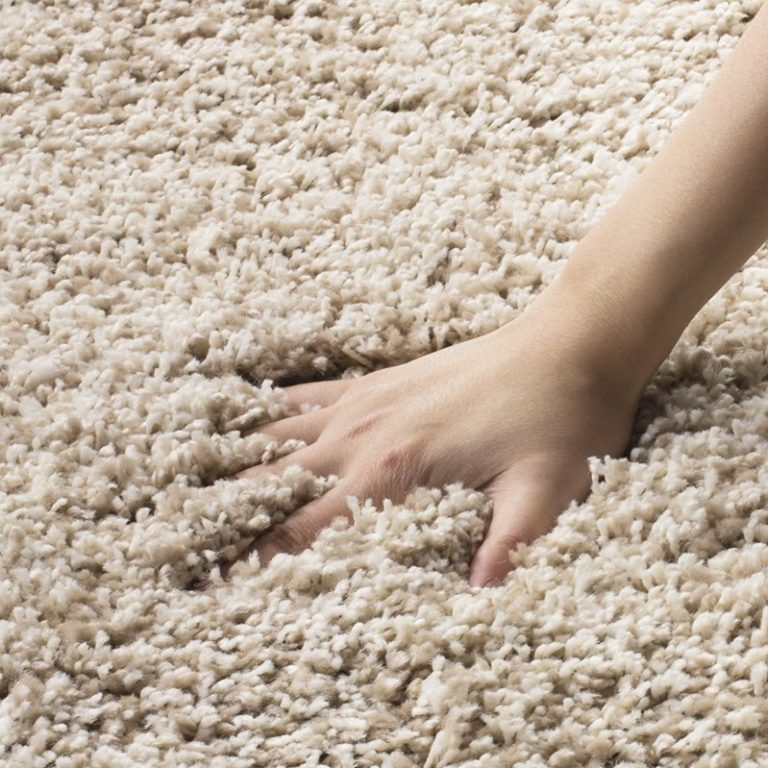
- Step 2 (Evaluate Thermal and Tactile Properties): Test flooring and rug samples in person under realistic barefoot conditions. Press your palm and bare foot firmly against the material. Assess how quickly it feels cold or neutral. If you are installing underfloor heating, verify the manufacturer’s maximum allowable thermal resistance ratings to ensure compatibility and prevent structural damage or heat trapping.
- Step 3 (Select the Right Finish and Sheen Level): Avoid high-gloss urethanes that create a slippery, cold, and plastic-like interface. Instead, target satin, matte, or hardwax oil finishes. These finishes preserve the natural friction and tactile texture of the underlying material, reducing slip hazards while delivering a warm, velvety touch underfoot that improves gracefully with age and patina.
- Step 4 (Invest in High-Performance Underlayments): Never compromise on the unseen layers. Choose high-density cork, rubber-cork composites, or premium felt acoustic underlayments tailored to your specific flooring type. These layers provide crucial ergonomic cushioning, reduce sound transmission between floors, and stabilize the surface against seasonal expansion and contraction.
- Step 5 (Establish a Maintenance and Conditioning Protocol): Preserve the tactile sweet spot by adopting cleaning regimens tailored to natural fibers and open-pore finishes. Avoid harsh chemical strippers that strip natural oils from wood or flatten wool fibers. Use pH-neutral cleaners and periodic maintenance oils to nourish hardwax surfaces, ensuring they remain supple, water-resistant, and deeply inviting for decades.
Common Pitfalls and Field-Tested Workarounds for Long-Lasting Comfort
Even seasoned designers frequently stumble when attempting to balance softness with durability. The pursuit of an ultra-luxurious feel often leads to choices that fail miserably under real-world conditions like pet claws, liquid spills, and heavy foot traffic. Recognizing these common traps allows you to implement field-tested workarounds before costly installation mistakes are permanently cemented into your home.
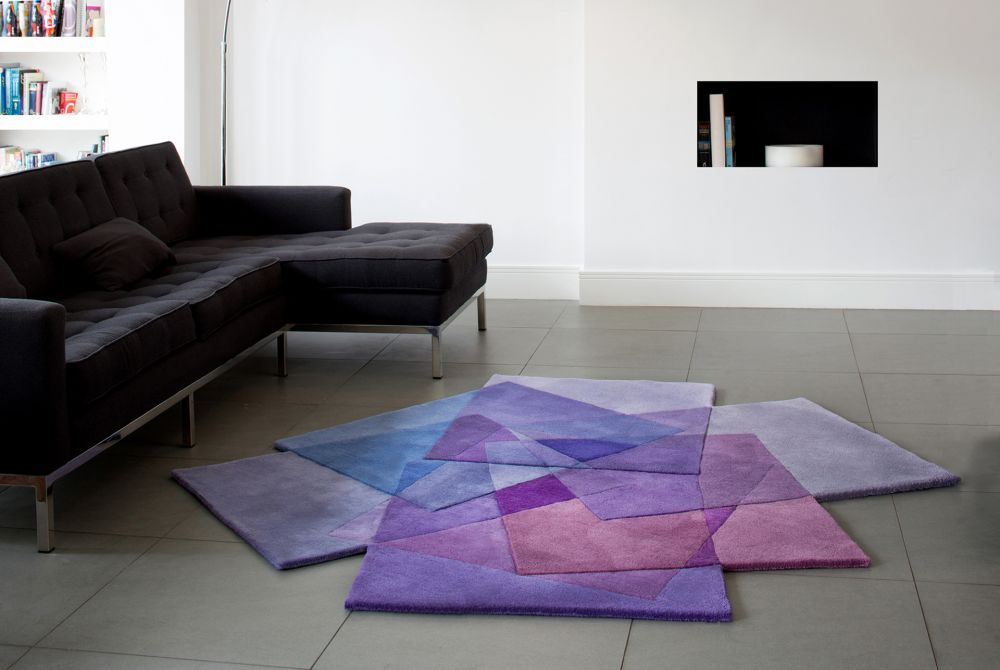
- Pitfall 1 (Prioritizing High-Pile Softness in High-Traffic Areas): Choosing a deep, plush synthetic or delicate silk rug for a primary family room or hallway results in rapid matting, crushing, and irreversible staining. Workaround: Reserve high-pile indulgence for private bedrooms. In active living zones, deploy dense, low-profile flatweaves or hand-knotted wool rugs with tight twists that offer tactile interest and structural resilience against daily foot traffic.
- Pitfall 2 (Over-Sealing Natural Wood with Heavy Plastics): Applying thick layers of glossy polyurethane to hardwood completely seals off the tactile grain, creating a cold, slippery surface that shows every microscopic scratch and footprint. Workaround: Specify matte hardwax oils or penetrating natural oils. These finishes maintain the open-pore texture of the wood, offer subtle grip, and allow for spot-repairing minor scratches without sanding down entire rooms.
- Pitfall 3 (Neglecting Moisture Compatibility in Transition Zones): Installing porous natural materials like unsealed jute, coir, or delicate softwoods directly adjacent to exterior entryways or bathrooms leads to rapid rot, mold growth, and fiber degradation. Workaround: Create functional buffer zones. Use durable, water-resistant porcelain tile or stone at entry thresholds before transitioning smoothly to warm wood or tactile rugs once moisture risks dissipate.
- Pitfall 4 (Ignoring Acoustic and Ergonomic Underlayment Quality): Buying cheap, thin foam underlayments to save upfront costs, resulting in a hollow, clacky sound underfoot and an unyielding, fatiguing walking surface. Workaround: Invest in heavy, high-density acoustic underlayments made from recycled rubber, dense felt, or cork. This upgrade dramatically improves the sound deadening and ergonomic bounce of the floor.
- Pitfall 5 (Failing to Account for UV Exposure and Fading): Placing sensitive, un-dyed natural fiber rugs or reactive wood species in direct, un-shielded southern sun exposures, causing rapid bleaching and fiber embrittlement. Workaround: Apply UV-filtering window treatments or select solution-dyed natural fibers and UV-stabilized finishes designed to withstand intense solar radiation without compromising their soft hand.
The Holistic Intersection of Wellness, Aesthetics, and Economic Value
The modern home is increasingly understood as a sanctuary for mental and physical health. When the underfoot environment is carefully calibrated to soothe the nervous system, the psychological benefits ripple outward. Research in environmental psychology demonstrates that tactile harmony—the seamless integration of natural textures, appropriate temperatures, and supportive ergonomics—significantly lowers cortisol levels and reduces chronic physical fatigue. Walking barefoot on well-engineered, warm surfaces grounds the occupant, encouraging mindfulness and a deeper connection to the physical dwelling.
From an economic perspective, investing in the sweet spot between tactile warmth and durability is a masterclass in long-term value engineering. Cheap, synthetic solutions that prioritize initial visual impact degrade rapidly, forcing expensive replacement cycles every five to seven years. Conversely, high-quality natural materials—such as thick engineered hardwood with hardwax oil finishes or premium wool area rugs—possess a unique capability to patina and age gracefully. Scratches become character marks; minor wear blends into a rich, lived-in topography that increases the emotional resonance and financial value of the property.
Furthermore, sustainable design principles favor materials that are renewable, biodegradable, and free from volatile organic compound (VOC) off-gassing. Synthetic carpets made from virgin plastics contribute to indoor air pollution and end up in landfills for centuries. Natural wool, cork, jute, and responsibly harvested timber offer circular lifecycles. They provide exceptional tactile and thermal performance while respecting the ecological limits of the planet. Choosing these materials is an explicit rejection of disposable culture, signaling a commitment to permanence, health, and authentic craftsmanship.
Ultimately, this delicate balance transforms interior architecture from a purely decorative exercise into a holistic science of human habitat. When you design a floor that feels incredible beneath bare feet yet stands up effortlessly to the chaotic beauty of daily life, you stop thinking about the floor entirely. It ceases to be an architectural element to be managed or protected, becoming instead a seamless, supportive foundation for living.
Strategic Recommendations and the Framework for Enduring Tactile Success
To synthesize these insights into an actionable blueprint for your next building or remodeling project, consider the following strategic framework. Success is rarely the result of a single miraculous product; it is the cumulative effect of thoughtful planning, rigorous material vetting, and uncompromising installation standards.
- Establish a Sensory Budget: Allocate your design resources strategically. Invest the highest percentage of your tactile budget in rooms where you spend the most time barefoot or seated at floor level—primarily bedrooms, nurseries, and primary living lounges.
- Prioritize Material Authenticity: Whenever possible, choose materials that retain their natural cellular structure and breathability. Favor wool, cork, genuine leather accents, and hardwax-oiled timbers over synthetic laminates and plasticized coatings.
- Test in Real-World Conditions: Never rely on small showroom swatches viewed under harsh fluorescent lights. Request large physical samples, take them home, walk on them with bare feet, expose them to natural daylight, and test their thermal response before making a final commitment.
- Partner with Master Installers: Even the finest materials will fail if installed over an improperly leveled, un-moisture-tested subfloor. Allocate funds for professional subfloor preparation, premium adhesives, and certified installation technicians who understand the nuances of modern radiant heating and acoustic requirements.
The journey toward finding the sweet spot between tactile warmth and lasting durability is an exercise in intentional design. It forces us to slow down, strip away the superficial noise of trend-driven aesthetics, and re-evaluate how our living spaces physically hold us. By honoring the complex relationship between thermal physics, material science, and human physiology, we create homes that are not only breathtaking to behold but profoundly restorative to inhabit.
As we look toward the future of interior architecture, the mandate for comfort-first, high-performance living environments will only accelerate. The homes that endure—both structurally and emotionally—will be those built upon a foundation of genuine sensory intelligence. Step forward into your spaces with intention, demand more from the surfaces beneath your feet, and build environments that honor the simple, profound joy of barefoot living.